
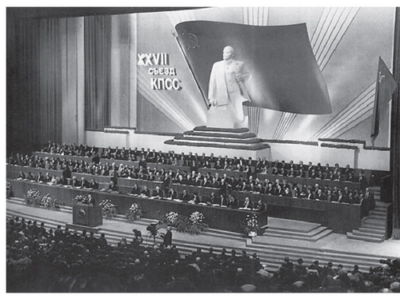
Communist Party of the Soviet Union
The Communist Party of the Soviet Union is a Marxist–Leninist founding and ruling party of the Soviet Union. It was founded in 1898 by Vladimir Lenin. Its headquarters are in Moscow. It stands for Marxism–Leninism, socialism and anti-capitalism.
- Country
- Soviet Union (1922–)
- Founded
- March 1, 1898
- Ideology
- Marxism–Leninism
- Chair
- Volodymyr Ivashko (1991)
All 15 facts, and where they come from
Facts
15 facts · 0 confirmed by two sources · 1 cited · 14 from one source
Where this comes from
Papalocal keeps its own record. It started from these sources; what each one said is kept here as it was copied, so a change on their side never changes this page by itself. Tap one to read its version.
What Wikidata says · copied November 16, 2026 · revision 2561255331
- Described as
- Marxist–Leninist founding and ruling party of the Soviet Union
- Other names
- CPSU, Bolshevik Party, Russian Communist Party (Bolsheviks), RCP(b), All-Union Communist Party (Bolsheviks)
- What it is
- communist party
- Comes after
- Russian Social Democratic Labour Party (bolshevik)
- Followed by
- Union of Communist Parties – Communist Party of the Soviet Union
- Founded
- March 1, 1898
- Ended
- August 29, 1991
- Founded by
- Vladimir Lenin
- Headquarters
- Moscow · 1 reference
- Country
- Russian Empire (–1917); Russian Republic (1917)
- Chair
- Joseph Stalin (1922–1953) · 1 reference; Nikita Khrushchev (1953–1964)
- Ideology
- Marxism–Leninism; socialism; anti-capitalism · 1 reference; Stalinism (–1953)
- Wikipedias with a page
- 106
Wikidata item Q79854 (wikidata.org/wiki/Q79854), public domain (CC0). Copied 2026-11-16.
What Wikipedia says · copied November 16, 2026 · revision 1383436788
The Communist Party of the Soviet Union (CPSU), abbreviated in Russian as КПСС (KPSS), also known at some points as the Russian Communist Party (Bolsheviks) and the All-Union Communist Party (Bolsheviks), was the founding and ruling political party of the Soviet Union. The CPSU was the sole governing party of the Soviet Union until 1990 when the Congress of People's Deputies modified Article 6 of the 1977 Soviet Constitution, which had previously granted the CPSU a monopoly over the political system. The party's main ideology was Marxism–Leninism. The party was outlawed under Russian president Boris Yeltsin's decree on 6 November 1991, citing the 1991 Soviet coup attempt as a reason.
The party started in 1898 as part of the Russian Social Democratic Labour Party (RSDLP). In 1903, that party split into a Menshevik (m) ("minority") and Bolshevik (b) ("majority") faction; the latter, led by Vladimir Lenin, is the direct ancestor of the CPSU and is the party that seized power in the October Revolution of 1917. Its activities were suspended on Soviet territory 74 years later, on 29 August 1991, soon after a failed coup d'état by conservative CPSU leaders against the reforming Soviet president and party general secretary Mikhail Gorbachev.
The CPSU was a communist party based on democratic centralism. This principle, conceived by Lenin, entails democratic and open discussion of policy issues within the party, followed by the requirement of total unity in upholding the agreed policies. The highest body within the CPSU was the Party Congress, which convened every five years. When the Congress was not in session, the Central Committee was the highest body. Because the Central Committee met twice a year, most day-to-day duties and responsibilities were vested in the Politburo, (previously the Presidium), the Secretariat and the Orgburo (until 1952). The party leader was the head of government and held the office of either General Secretary, Premier or head of state, or two of the three offices concurrently, but never all three at the same time. The party leader was the de facto chairman of the CPSU Politburo and chief executive of the Soviet Union. The tension between the party and the state (Council of Ministers of the Soviet Union) for the shifting focus of power was never formally resolved.
After the founding of the Soviet Union in 1922, Lenin had introduced a mixed economy, commonly referred to as the New Economic Policy, which allowed for capitalist practices to resume under the Communist Party dictation in order to develop the necessary conditions for socialism to become a practical pursuit in the economically undeveloped country. In 1929, as Joseph Stalin became the leader of the party, Marxism–Leninism, a fusion of the original ideas of German philosopher and economic theorist Karl Marx, and Lenin, became formalized by Stalin as the party's guiding ideology and would remain so throughout the rest of its existence. The party pursued state socialism, under which all industries were nationalized, and a command economy was implemented. After recovering from the Second World War, reforms were implemented which decentralized economic planning and liberalized Soviet society in general under Nikita Khrushchev.
By 1980, various factors, including the continuing Cold War, and ongoing nuclear arms race with the United States and other Western European powers and unaddressed inefficiencies in the economy, led to stagnant economic growth under Alexei Kosygin, and further with Leonid Brezhnev and growing disillusionment. After the younger, vigorous Mikhail Gorbachev assumed leadership in 1985 (following two short-term elderly leaders, Yuri Andropov and Konstantin Chernenko, who quickly died in succession), rapid steps were taken to transform the tottering Soviet economic system in the direction of a market economy once again. Gorbachev and his allies envisioned the introduction of an economy similar to Lenin's earlier New Economic Policy through a program of "perestroika", or restructuring, but their reforms, along with the institution of free multi-candidate elections led to a decline in the party's power, and after the dissolution of the Soviet Union, the banning of the party by later last RSFSR president Boris Yeltsin and subsequent first president of the successor Russian Federation.
A number of causes contributed to CPSU's loss of control and the dissolution of the Soviet Union during the early 1990s. Some historians have written that Gorbachev's policy of "glasnost" (political openness) was the root cause, noting that it weakened the party's control over society. Gorbachev maintained that perestroika without glasnost was doomed to failure anyway. Others have blamed the economic stagnation and subsequent loss of faith by the general populace in communist ideology. In the final years of the CPSU's existence, the Communist Parties of the federal subjects of Russia were united into the Communist Party of the Russian Soviet Federative Socialist Republic (RSFSR). After the CPSU's demise, the Communist Parties of the Union Republics became independent and underwent various separate paths of reform. In Russia, the Communist Party of the Russian Federation emerged and has been regarded as the inheritor of the CPSU's old Bolshevik legacy into the present day.
From the Wikipedia article “Communist Party of the Soviet Union” (en.wikipedia.org/wiki/Communist_Party_of_the_Soviet_Union), by its contributors, under CC BY-SA 4.0 (creativecommons.org/licenses/by-sa/4.0/). Copied 2026-11-16; not changed.
Confirmed Two sources agree. Cited One source, and it names where it got it. One source One source, without a reference of its own. Sources disagree The sources disagree. We show the best-supported value and keep theirs below.
Picture: Unknown author, via Wikimedia Commons · CC BY-SA 3.0
People connected 600
Party members 600
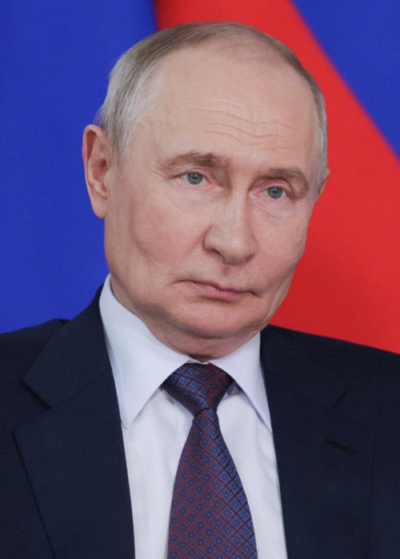 Vladimir Putin (1975–1991)President of the Russian Federation
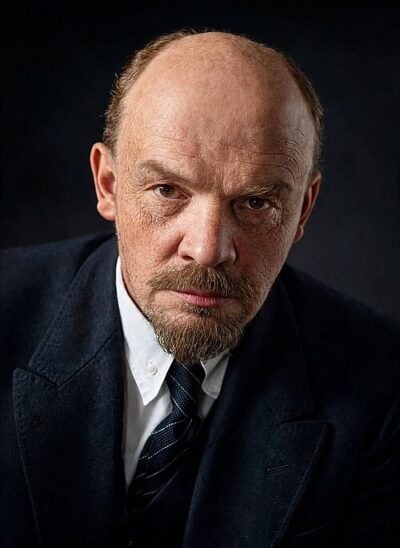 Vladimir Lenin (1918–1924)Russian revolutionary, politician, political theorist, and founder of the Soviet Union (1870–1924)
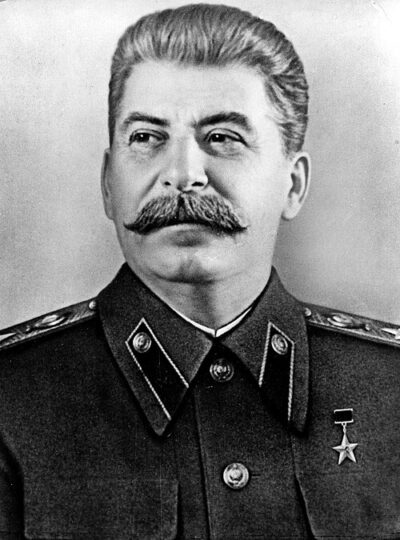 Joseph Stalin (1912–1953)politician and leader of the Union of Soviet Socialist Republics from 1924 to 1953
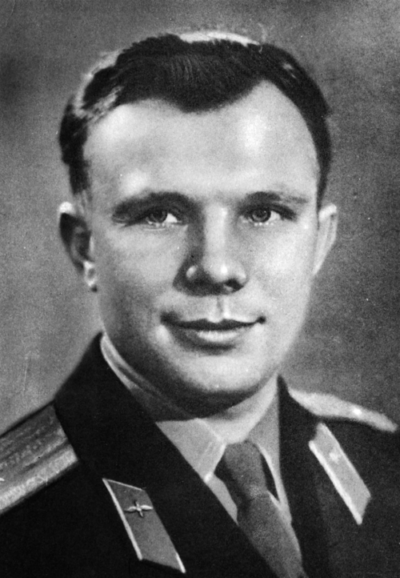 Yuri Gagarin (1960–)Soviet pilot and cosmonaut, first human in space (1934–1968)
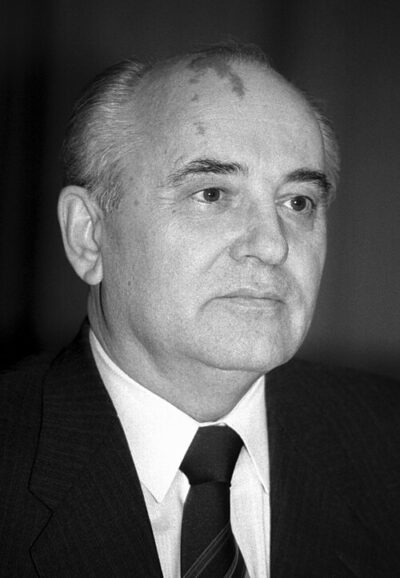 Mikhail Gorbachev (1950–1991)leader of the Soviet Union from 1985 to 1991 (1931–2022)
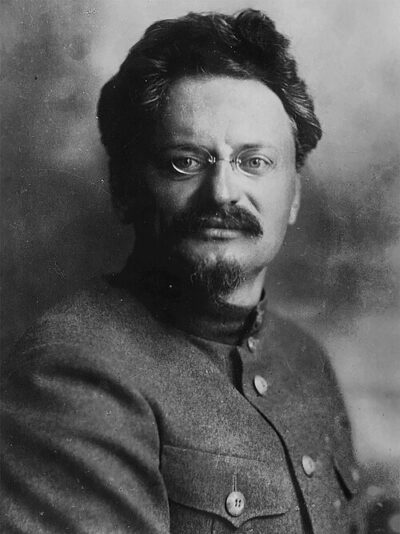 Leon Trotsky (1917–1927)Russian Marxist revolutionary (1879–1940)
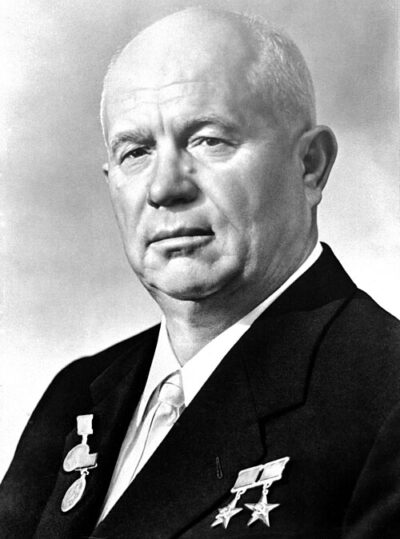 Nikita Khrushchev (1918–)leader of the Soviet Union from 1953 to 1964
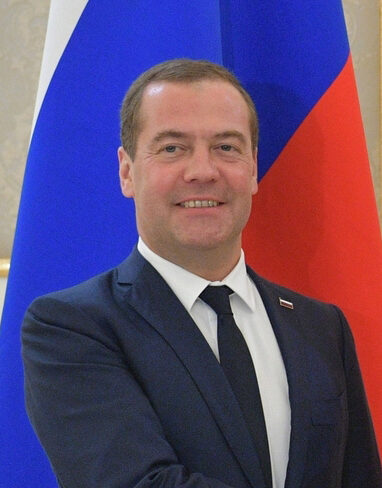 Dmitry Medvedev (1986–1991)President of Russia from 2008 to 2012, Prime Minister of Russia (2012-2020) and Deputy Chairman of the Security Council of Russia since 2020
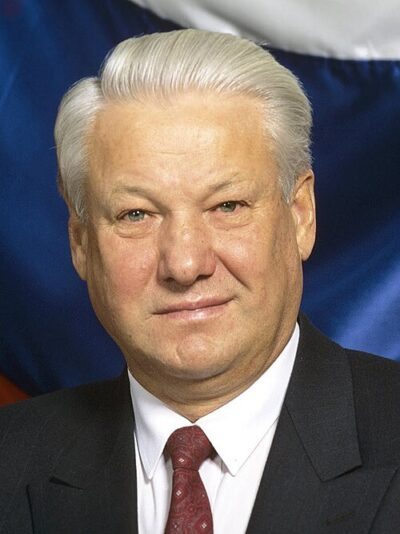 Boris Yeltsin (1961–1990)Soviet and Russian politician, 1st President of Russia (1931–2007)
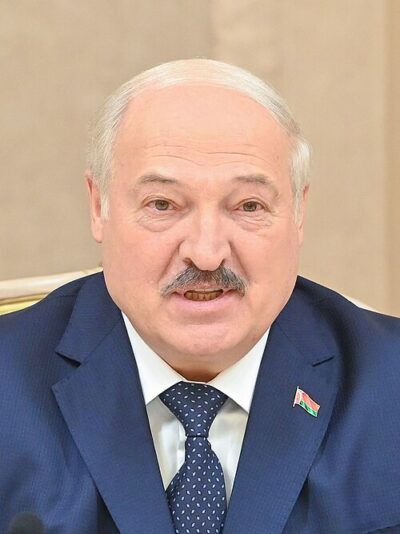 Alexander Lukashenka (1979–1991)President of the Republic of Belarus
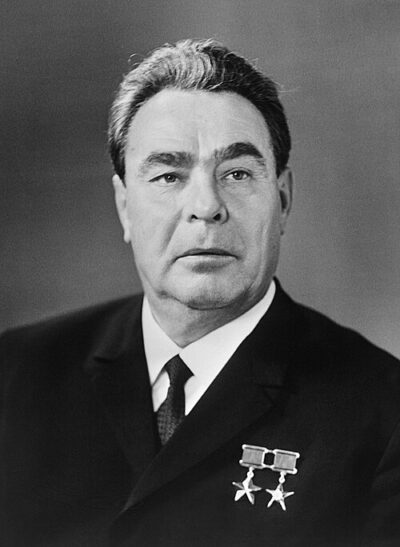 Leonid Brezhnev (1931–1982)General Secretary of the Communist Party of the Soviet Union (1906–1982)
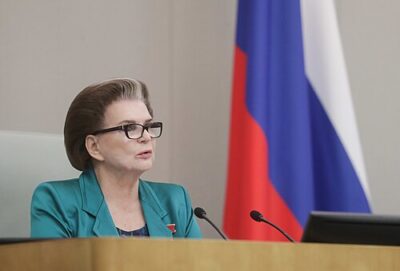 Valentina Tereshkova (1960–1991)Russian cosmonaut and pilot, first woman to have flown in space (born 1937)
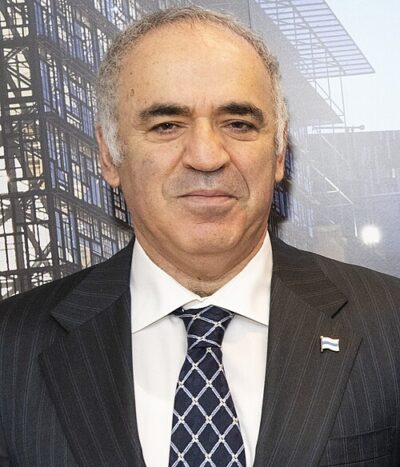 Garry Kasparov (1984–1990)Russian chess grandmaster and activist
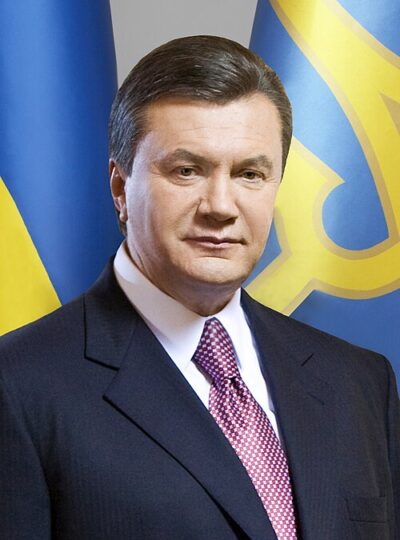 Viktor YanukovychPresident of Ukraine from 2010 to 2014
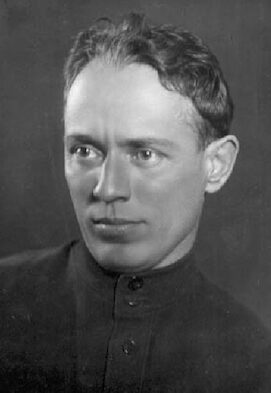 Mikhail Sholokhov (1932–)Soviet writer (1905-1984)
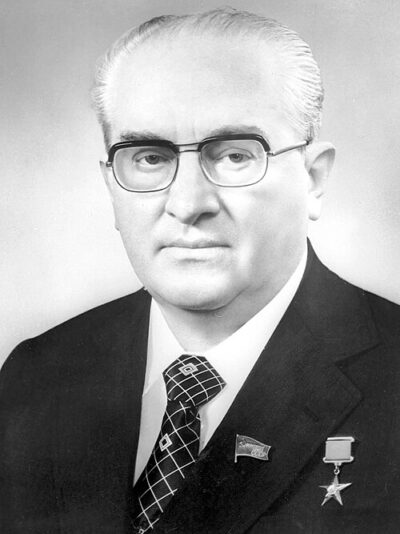 Yuri Andropov (1939–)General Secretary of the Communist Party of the Soviet Union (1914–1984)
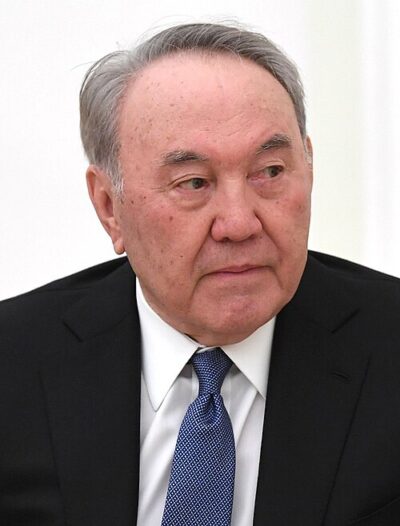 Nursultan NazarbayevPresident of Kazakhstan from 1991 to 2019
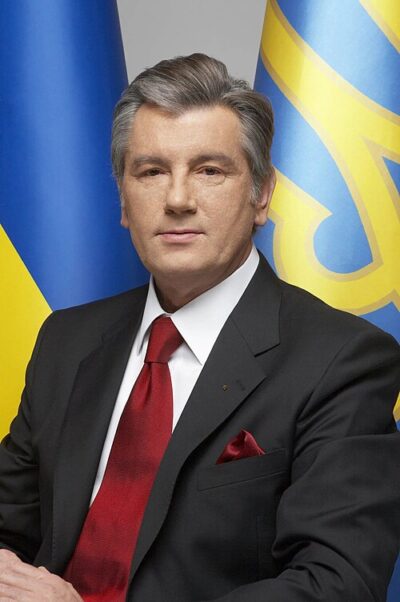 Viktor Yushchenko3rd President of Ukraine
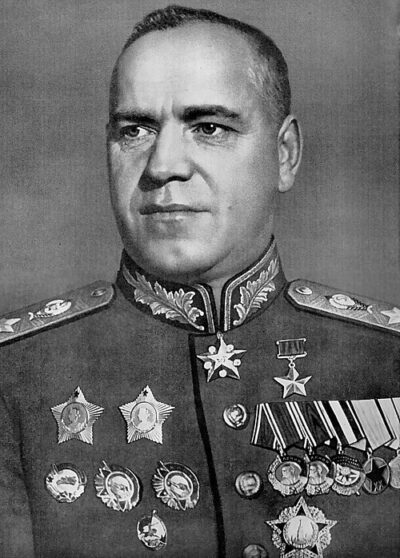 Georgy Zhukov (1919–1974)Marshal of the Soviet Union (1896-1974)
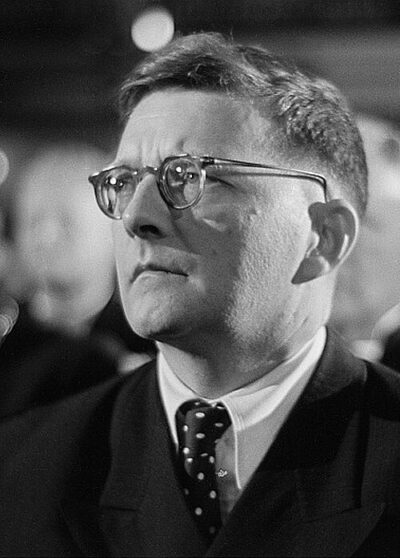 Dmitri Shostakovich (1960–)Soviet composer and pianist (1906-1975)
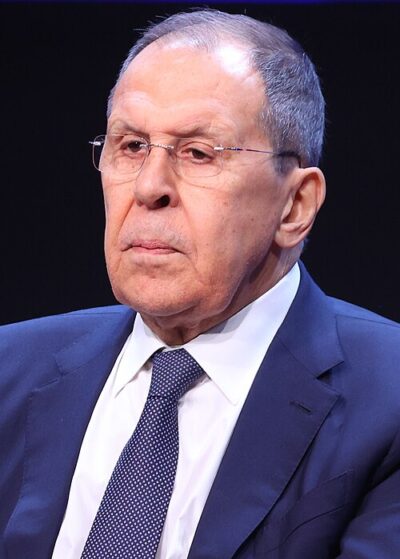 Sergey Lavrov (–1991)Russian politician of Armenian origin, Minister of Foreign Affairs
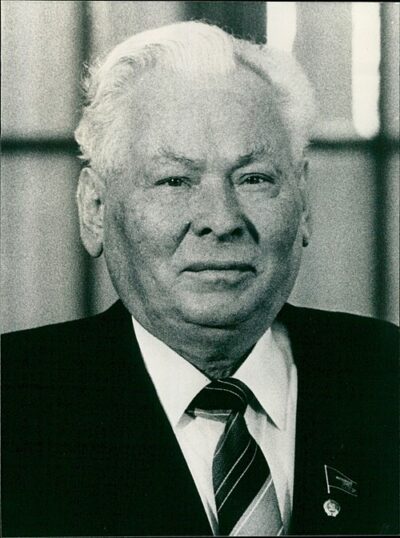 Konstantin ChernenkoGeneral Secretary of the Communist Party of the Soviet Union (1911-1985)
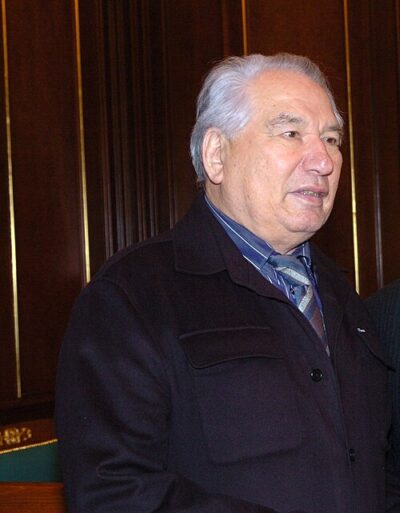 Chingiz AĭtmatovSoviet and Kyrgyz author (1928–2008)
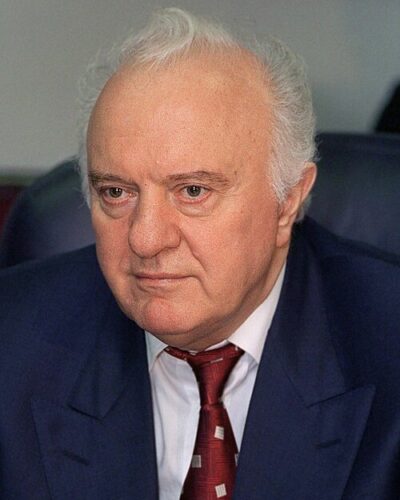 Eduard ShevardnadzeSoviet and Georgian politician and diplomat, Soviet foreign minister and second President of Georgia (1995–2003)
and 576 more
