
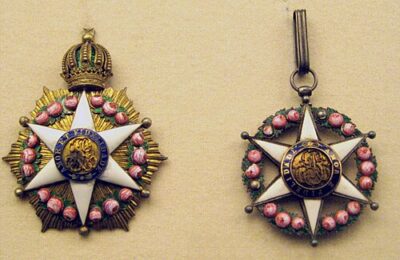
Imperial Order of the Rose
Imperial Order of the Rose is an order of chivalry. It was created in 1829 by Pedro I of Brazil.
- Country
- Empire of Brazil
- Created
- October 17, 1829
All 4 facts, and where they come from
Facts
4 facts · 0 confirmed by two sources · 0 cited · 4 from one source
Where this comes from
Papalocal keeps its own record. It started from these sources; what each one said is kept here as it was copied, so a change on their side never changes this page by itself. Tap one to read its version.
What Wikidata says · copied November 17, 2026 · revision 2517195063
- Described as
- award
- Other names
- Order of the Rose
- What it is
- order of chivalry
- Created
- October 17, 1829
- Founded by
- Pedro I of Brazil
- Country
- Empire of Brazil
- Wikipedias with a page
- 18
Wikidata item Q1079555 (wikidata.org/wiki/Q1079555), public domain (CC0). Copied 2026-11-17.
What Wikipedia says · copied November 17, 2026 · revision 1371269819
The Imperial Order of the Rose (Portuguese: Imperial Ordem da Rosa) was a Brazilian order of chivalry, instituted by Emperor Pedro I of Brazil on 17 October 1829 to commemorate his marriage to Amélie of Leuchtenberg.
On 22 March 1890, the order was cancelled as national order by the interim government of First Brazilian Republic. Since the deposition in 1889 of the last Brazilian monarch, Emperor Pedro II, the order continues as a house order being awarded by the Heads of the House of Orleans-Braganza, pretenders to the defunct throne of Brazil. The current Brazilian Imperial Family is split into two branches: the direct line called Petrópolis and a cadet branch called Vassouras.
From the Wikipedia article “Order of the Rose” (en.wikipedia.org/wiki/Order_of_the_Rose), by its contributors, under CC BY-SA 4.0 (creativecommons.org/licenses/by-sa/4.0/). Copied 2026-11-17; not changed.
Confirmed Two sources agree. Cited One source, and it names where it got it. One source One source, without a reference of its own. Sources disagree The sources disagree. We show the best-supported value and keep theirs below.
Picture: user:shakko, via Wikimedia Commons · CC BY-SA 3.0
People connected 23
Won it
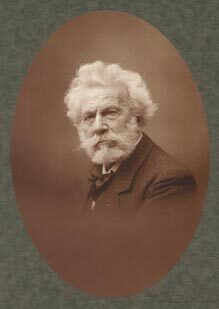 Camille Flammarion (1887)French astronomer and author (1842–1925)
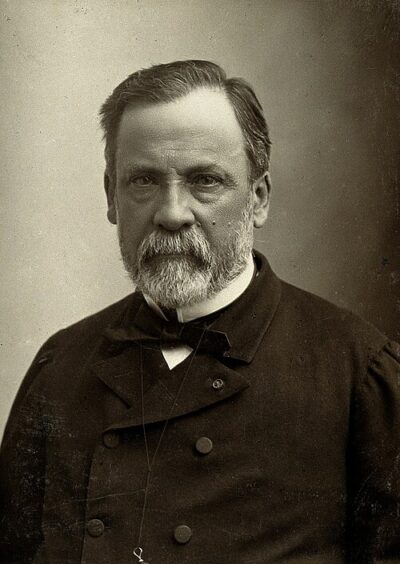 Louis Pasteur (1873)French chemist and microbiologist (1822–1895)
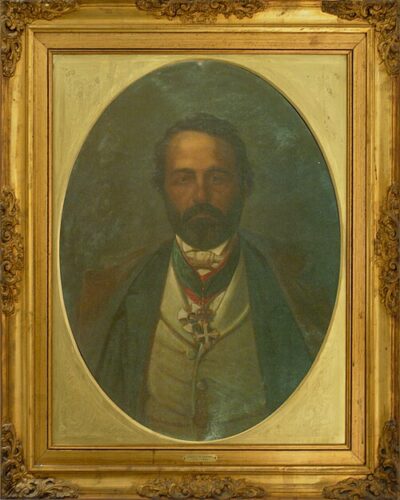 Annibale de Gasparis (1872)Italian astronomer (1819–1892)
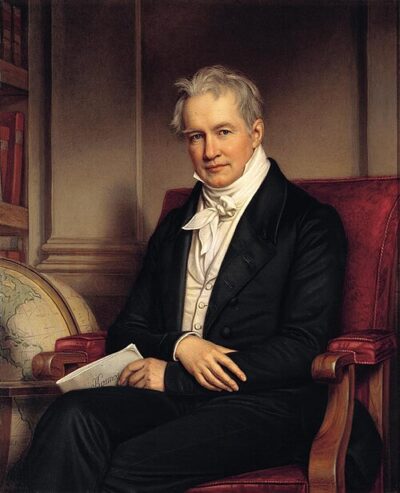 Alexander von HumboldtPrussian geographer, naturalist and explorer (1769–1859)
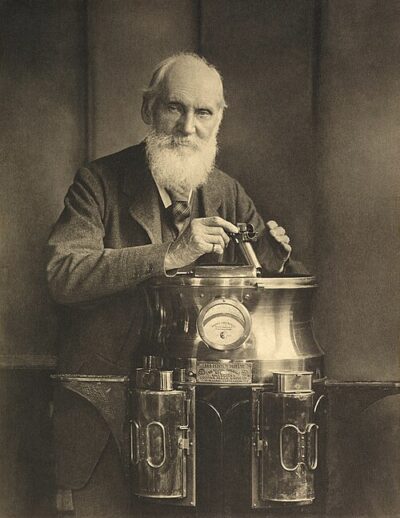 William Thomson, 1st Baron KelvinBritish physicist and engineer (1824–1907)
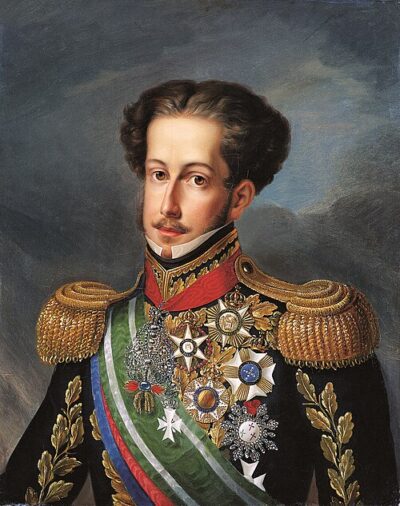 Pedro I of BrazilEmperor of Brazil from 1822 to 1831 and King of Portugal in 1826 (1798-1834)
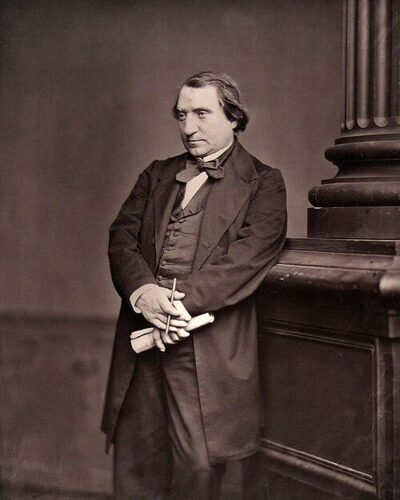 Ernest RenanFrench philosopher and writer (1823–1892)
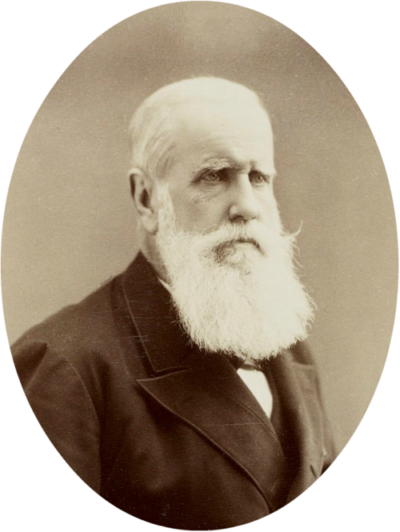 Pedro II of Brazil2nd and final Emperor of Brazil (r. 1831–89)
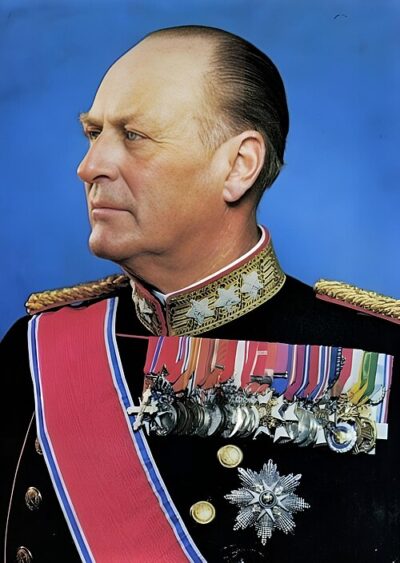 Olav V of Norwayking of Norway (1957–1991)
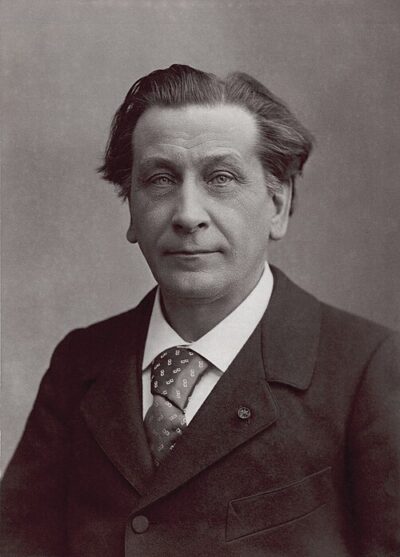 François CoppéeFrench poet and novelist (1842–1908)
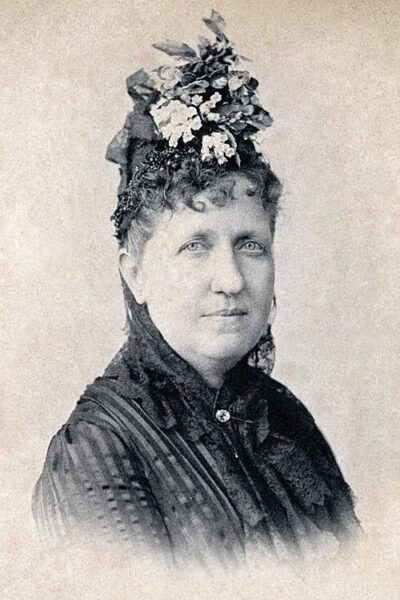 Isabel, Princess Imperial of BrazilPrincess Imperial of the Empire of Brazil (1846-1921)
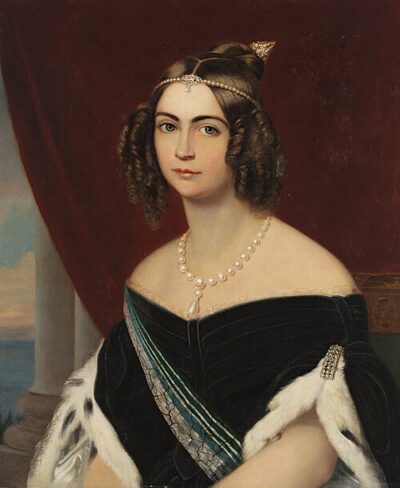 Amélie of LeuchtenbergEmpress consort of Brasil (1812–1873)
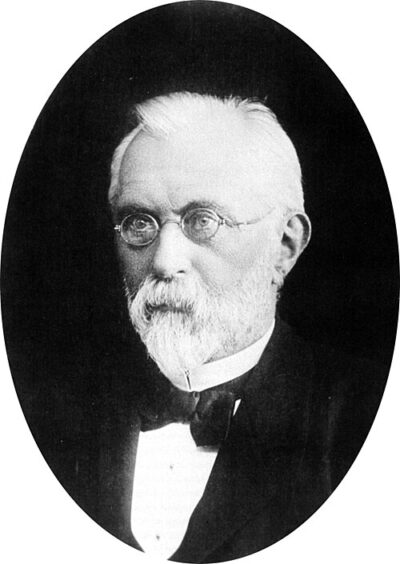 Eugenius WarmingDanish botanist (1841–1924)
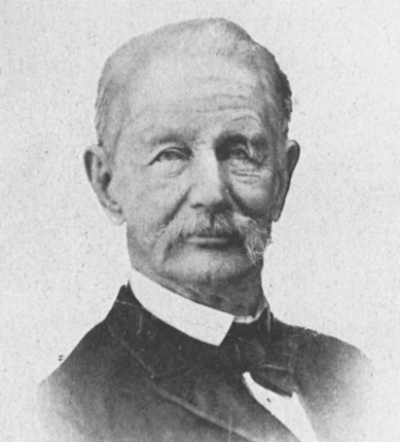 Hermann BurmeisterGerman Argentine zoologist, entomologist, herpetologist, and botanist (1807–1892)
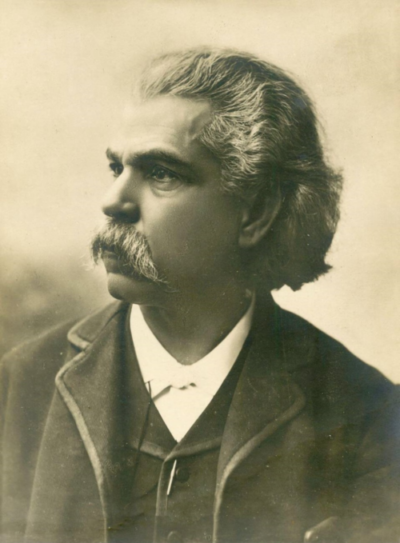 Antônio Carlos GomesBrazilian composer (1836–1896)
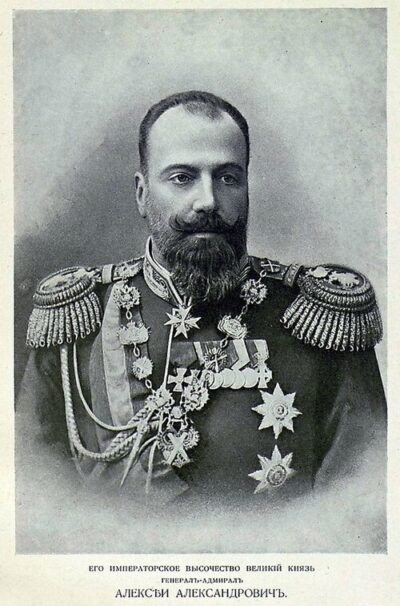 Grand Duke Alexei Alexandrovich of RussiaRussian grand duke (1850-1908); fifth child and fourth son of Alexander II of Russia and Maria Alexandrovna (Marie of Hesse)
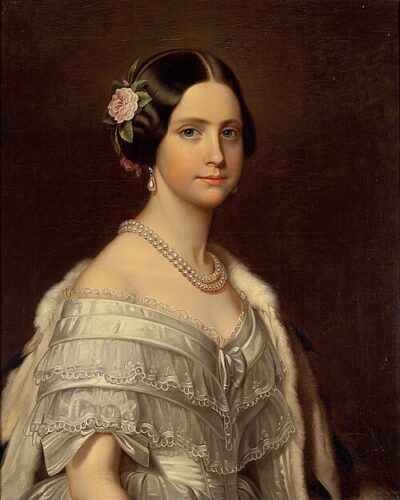 Princess Maria Amélia of BrazilPrincess of the Empire of Brazil
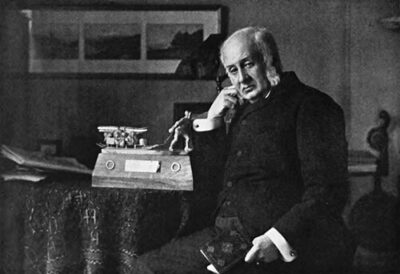 Clements MarkhamBritish geographer (1830-1916)
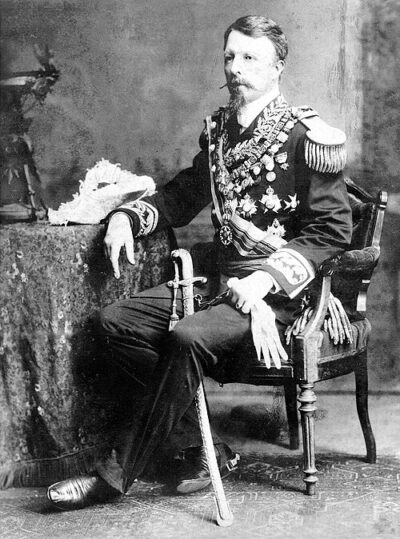 Prince Gaston, Count of EuBrazilian and French Imperial and Royal (1842–1922)
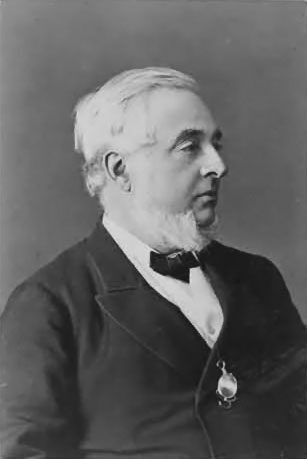 Warren De la RueBritish astronomer, chemist and photographer (1815–1889)
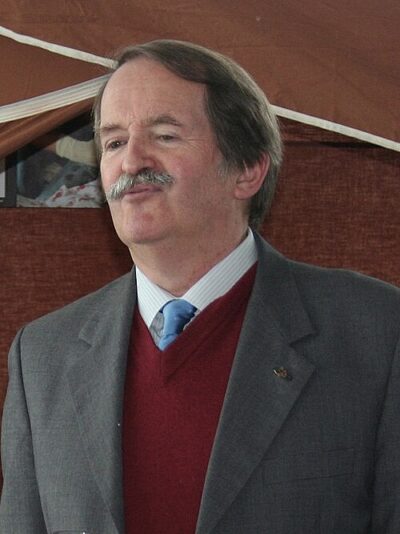 Duarte Pio of BraganzaPretender to the throne of Portugal (born 1945)
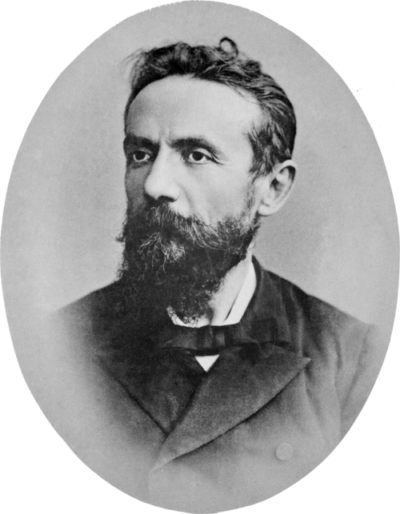 Angelo de GubernatisItalian art critic and writer (1840–1913)
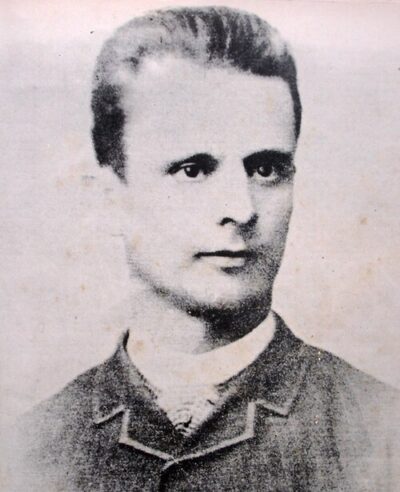 José Ferraz de Almeida JúniorBrazilian painter (1850–1899)
