
International Simón Bolívar Prize
International Simón Bolívar Prize is an UNESCO award.
- Given by
- UNESCO
- Field
- social science
All 6 facts, and where they come from
Facts
6 facts · 0 confirmed by two sources · 4 cited · 2 from one source
Where this comes from
Papalocal keeps its own record. It started from these sources; what each one said is kept here as it was copied, so a change on their side never changes this page by itself. Tap one to read its version.
What Wikidata says · copied November 17, 2026 · revision 2569658454
- Described as
- UNESCO award
- Other names
- International Simon Bolivar Prize, Simón Bolívar Prize
- What it is
- award · 1 reference
- Given by
- UNESCO · 1 reference
- Field
- social science · 1 reference; human science · 1 reference
- Named after
- Simón Bolívar
- Official website
- http://portal.unesco.org/culture/en/ev.php-URL_ID=8571&URL_DO=DO_TOPIC&URL_SECTION=201.html
- Wikipedias with a page
- 10
Wikidata item Q2118528 (wikidata.org/wiki/Q2118528), public domain (CC0). Copied 2026-11-17.
What Wikipedia says · copied November 17, 2026 · revision 1386190077
The International Simón Bolívar Prize was conferred to recognise activities of outstanding merit that, in accordance with the ideals of Latin American independence hero Simón Bolívar, "contribute to the freedom, independence and dignity of peoples and to the strengthening of a new international economic, social and cultural order".
The Prize was awarded by the United Nations Educational, Scientific and Cultural Organization (UNESCO) every second year, on 24 July (the anniversary of Bolívar's birth). In addition to the intrinsic distinction bestowed on recipients, the award came with a sum of money (currently US$25,000), determined and donated by the government of Venezuela.
Prize winners were selected by the unanimous decision a jury of seven "eminent persons" – five representing the regions of the world, one chosen by the Venezuelan authorities, and a representative of the director-general – from a list of candidates submitted by UNESCO member states and associate members. Both individuals and institutions were eligible as candidates.
The last award was given in 2004, having been suspended by UNESCO. It was subject to revisement, but nothing ever came.
From the Wikipedia article “International Simón Bolívar Prize” (en.wikipedia.org/wiki/International_Simón_Bolívar_Prize), by its contributors, under CC BY-SA 4.0 (creativecommons.org/licenses/by-sa/4.0/). Copied 2026-11-17; not changed.
Confirmed Two sources agree. Cited One source, and it names where it got it. One source One source, without a reference of its own. Sources disagree The sources disagree. We show the best-supported value and keep theirs below.
People connected 5
Won it
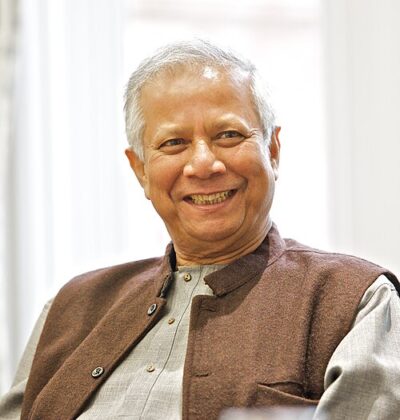 Muhammad Yunus (1996)Bangladeshi banker, Nobel Peace Prize recipient and the former Chief Adviser of Bangladesh
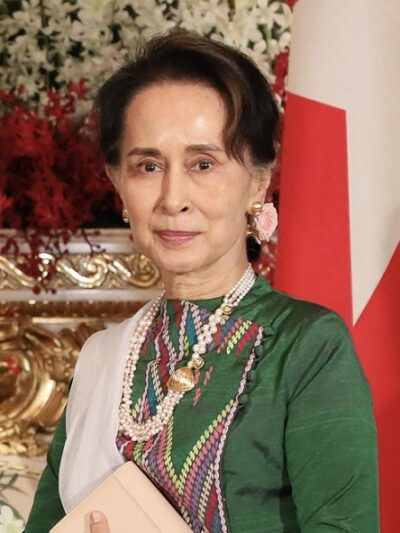 Aung San Suu Kyi (1992)former State Counsellor of Myanmar and Leader of the National League for Democracy
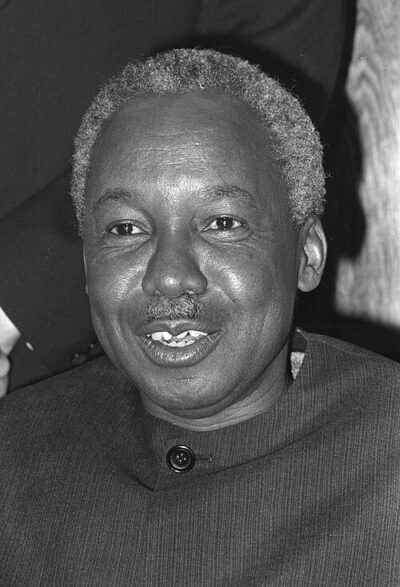 Julius Nyerere (1992)Tanzanian politician and writer, first Prime Minister and President of Tanzania (1922–1999)
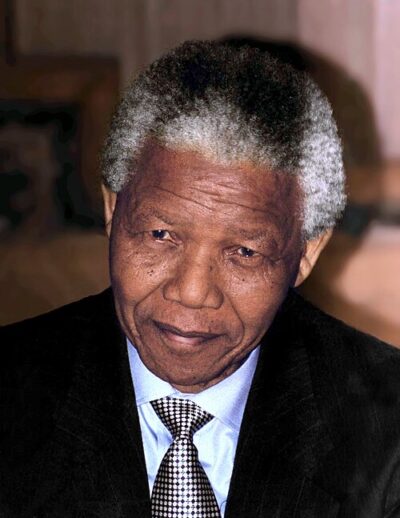 Nelson Mandela (1983)President of South Africa and anti-apartheid activist (1918–2013)
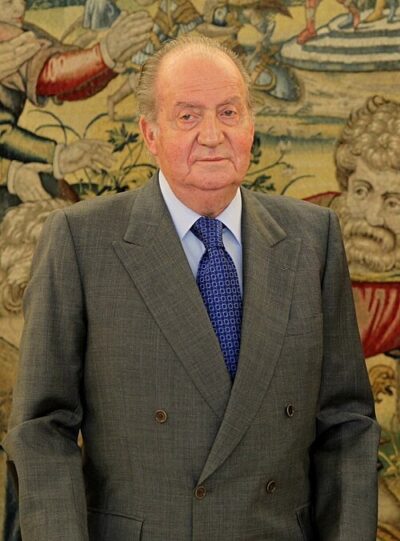 Juan Carlos I of Spain (1983)King of Spain from 1975 to 2014
