
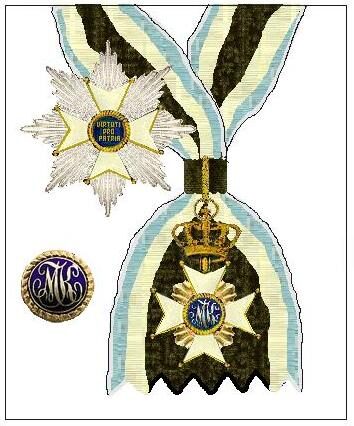
Military Order of Max Joseph
Military Order of Max Joseph is a military award of the Kingdom of Bavaria. It was created in 1806 by Maximilian I Joseph of Bavaria.
- Country
- Kingdom of Bavaria
- Created
- January 1, 1806
All 6 facts, and where they come from
Facts
6 facts · 0 confirmed by two sources · 0 cited · 6 from one source
Where this comes from
Papalocal keeps its own record. It started from these sources; what each one said is kept here as it was copied, so a change on their side never changes this page by itself. Tap one to read its version.
What Wikidata says · copied November 17, 2026 · revision 2569426059
- Described as
- military award of the Kingdom of Bavaria
- What it is
- military decoration; order
- Created
- January 1, 1806
- Ended
- 1922 · 1 reference
- Founded by
- Maximilian I Joseph of Bavaria · 1 reference
- Country
- Kingdom of Bavaria
- Wikipedias with a page
- 20
Wikidata item Q707685 (wikidata.org/wiki/Q707685), public domain (CC0). Copied 2026-11-17.
What Wikipedia says · copied November 17, 2026 · revision 1370733484
The Military Order of Max Joseph (German: Militär-Max-Joseph-Orden) was the highest military order of the Kingdom of Bavaria. It was founded on 1 January 1806 by Maximilian I Joseph of Bavaria, the first king of Bavaria. The order came in three classes:
Grand Cross (Großkreuz)
Commander's Cross (Kommandeurkreuz)
Knight's Cross (Ritterkreuz).
Individuals who received the order and were not already members of the nobility were ennobled and would add the title of "Ritter von" to their family name. A Bavarian title of nobility obtained through the Military Order of Max Joseph was valid for the recipient's life only.
The order became obsolete in 1918 with the collapse of the Bavarian monarchy on Germany's defeat in World War I. However, the order's chancery continued to process outstanding award recommendations to at least 1922.
From the Wikipedia article “Military Order of Max Joseph” (en.wikipedia.org/wiki/Military_Order_of_Max_Joseph), by its contributors, under CC BY-SA 4.0 (creativecommons.org/licenses/by-sa/4.0/). Copied 2026-11-17; not changed.
Confirmed Two sources agree. Cited One source, and it names where it got it. One source One source, without a reference of its own. Sources disagree The sources disagree. We show the best-supported value and keep theirs below.
Picture: Robert Prummel at Dutch Wikipedia, via Wikimedia Commons · CC BY-SA 3.0
People connected 26
Won it 26
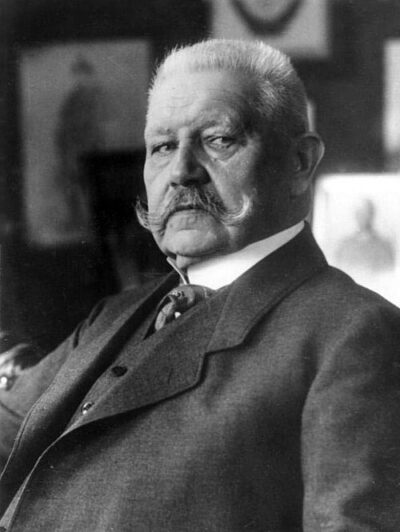 Paul von HindenburgPrussian-German field marshal of the German Empire, statesman and president of Weimar Germany and Nazi Germany (1847–1934)
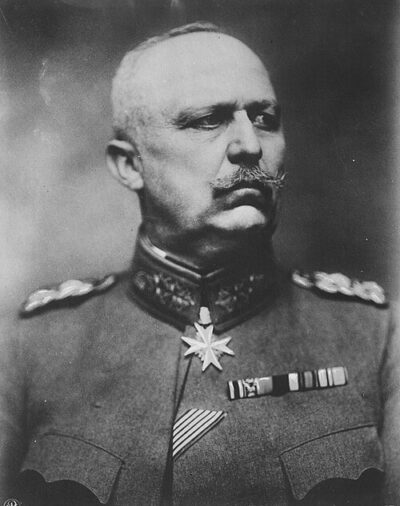 Erich LudendorffGerman general and politician (1865–1937)
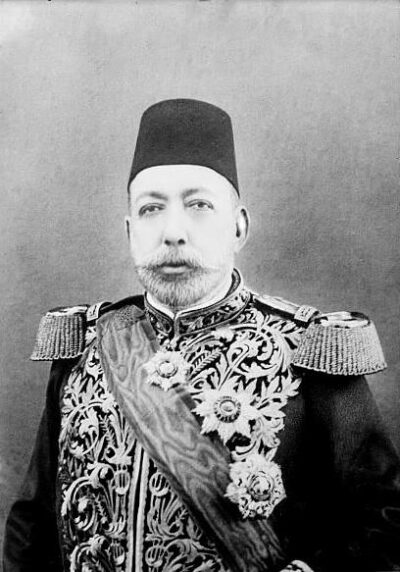 Mehmed V35th Sultan of the Ottoman Empire (1909–1918)
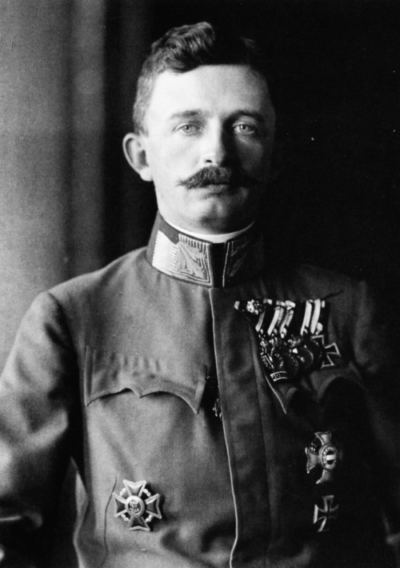 Charles I of AustriaLast monarch of Austria-Hungary (r. 1916–1918)
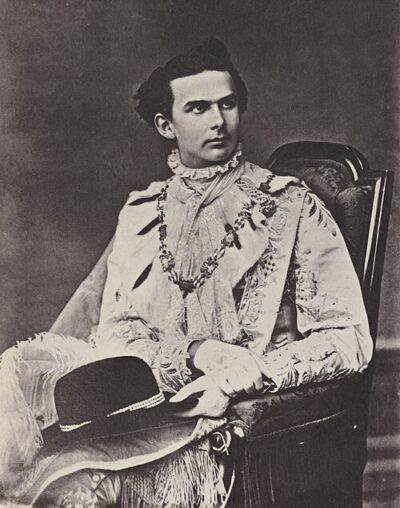 Ludwig II of BavariaKing of Bavaria (1845–1886)
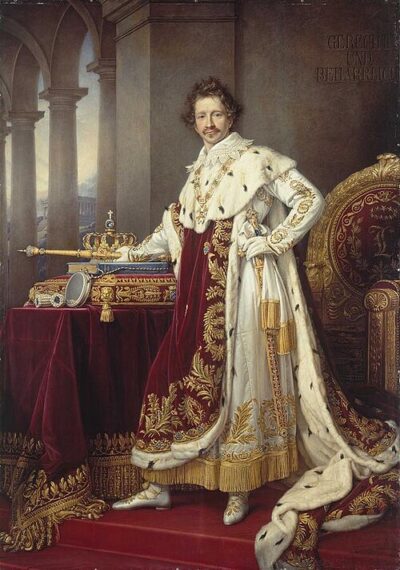 Ludwig I of BavariaKing of Bavaria (1786–1868)
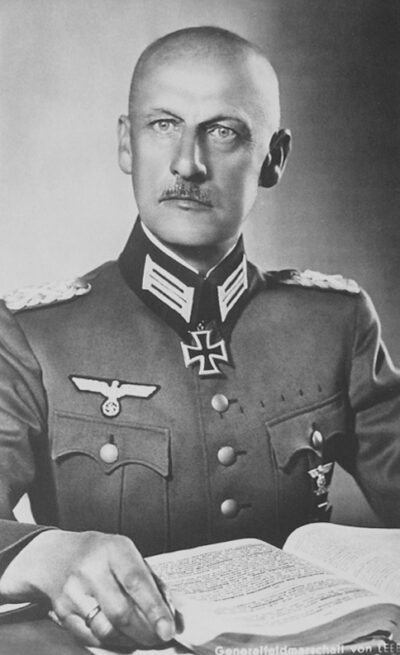 Wilhelm Ritter von LeebGerman field marshal and war criminal (1876–1956)
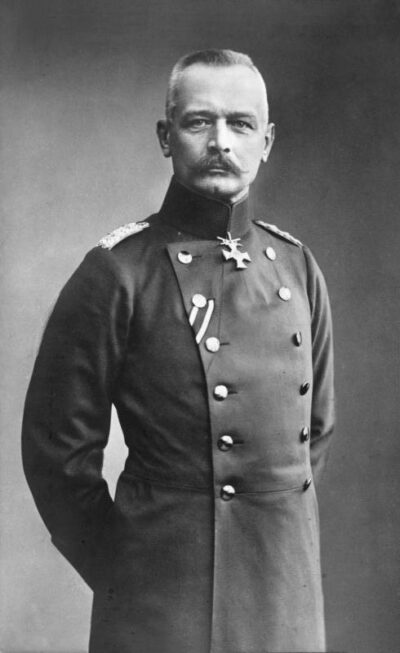 Erich von FalkenhaynChief of Germany's General Staff during the first two years of the First World War (1861-1922)
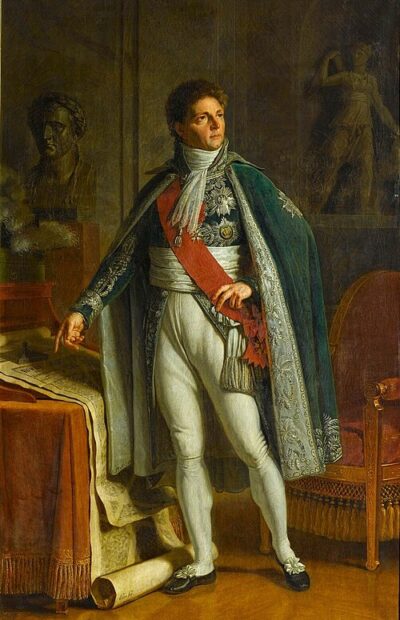 Luis Alejandro BerthierMarshal and Vice-Constable of France (1753-1815)
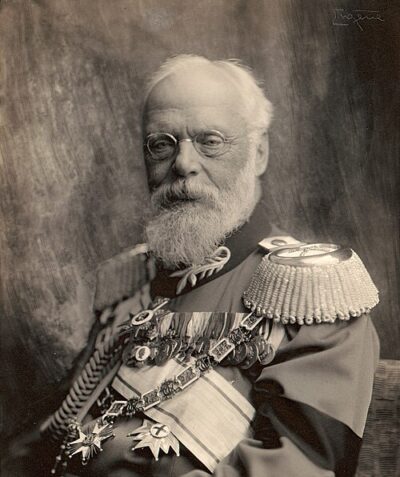 Ludwig III of BavariaKing of Bavaria (1845-1921)
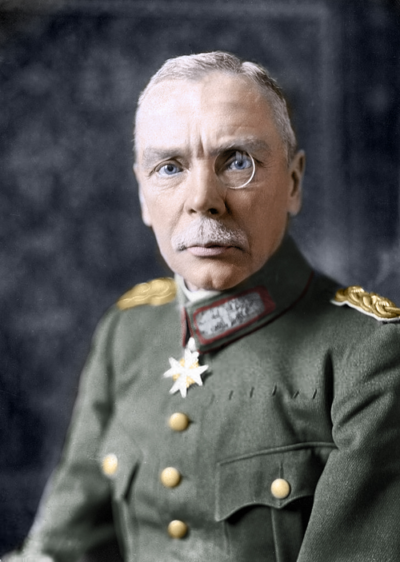 Hans von SeecktGerman general (1866-1936)
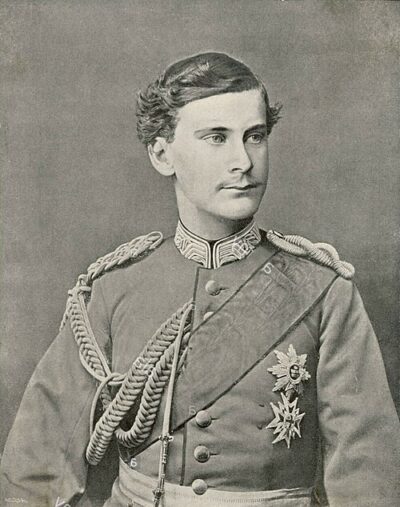 Otto, King of BavariaKing of Bavaria (1848-1916)
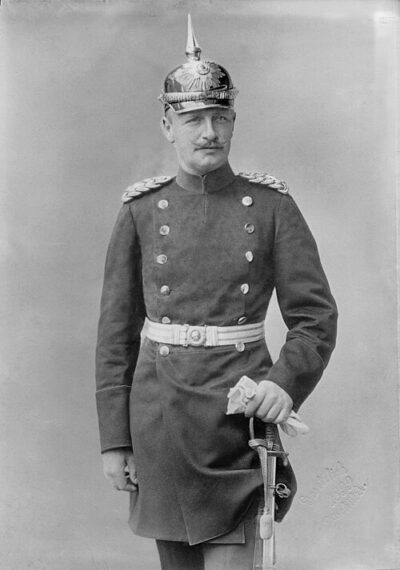 Friedrich August III of Saxonyking of Saxony (1865-1932)
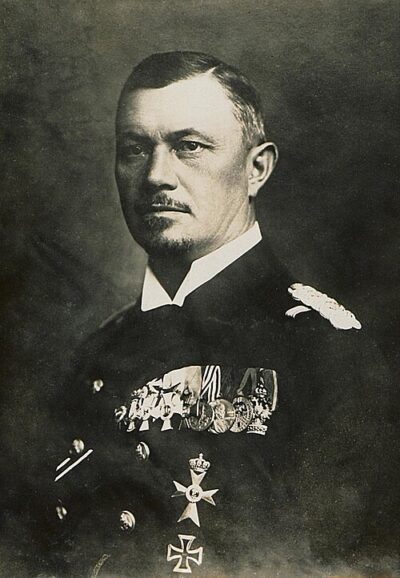 Reinhard ScheerGerman admiral (1863-1928)
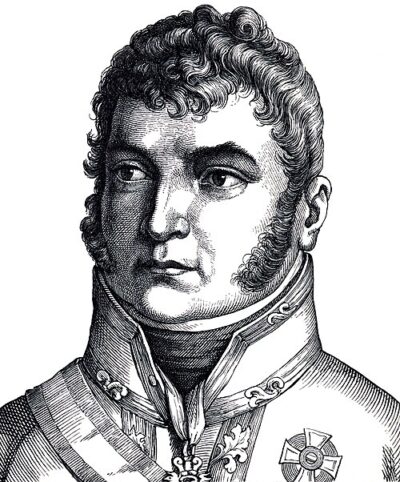 Karl Philipp, Prince of SchwarzenbergAustrian field marshal (1771–1820)
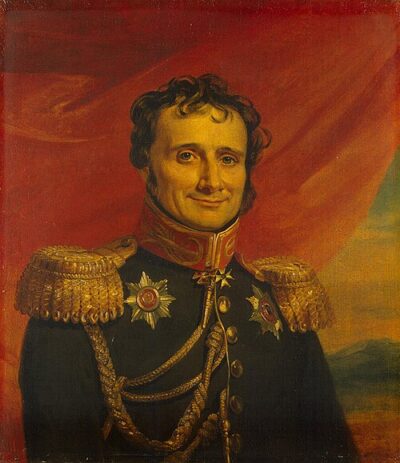 Antoine-Henri JominiFrench-Swiss officer who served as a general with the French and Russian armies and writer on the art of war (1779-1869)
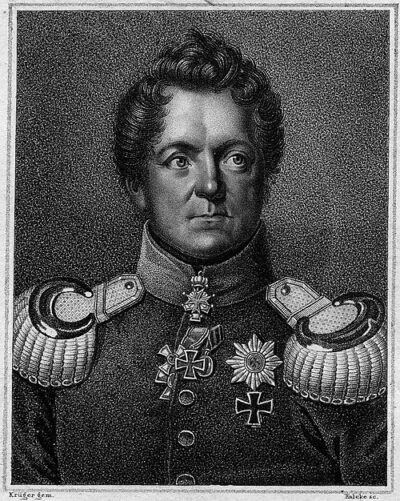 August Neidhardt von GneisenauPrussian field marshal (1760-1831)
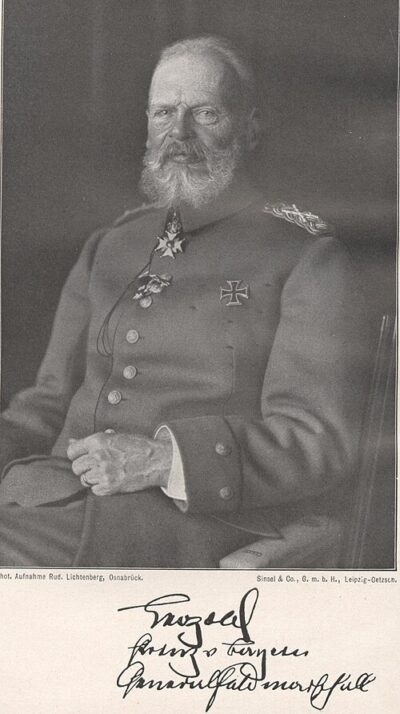 Prince Leopold of BavariaGerman field marshal (1846–1930)
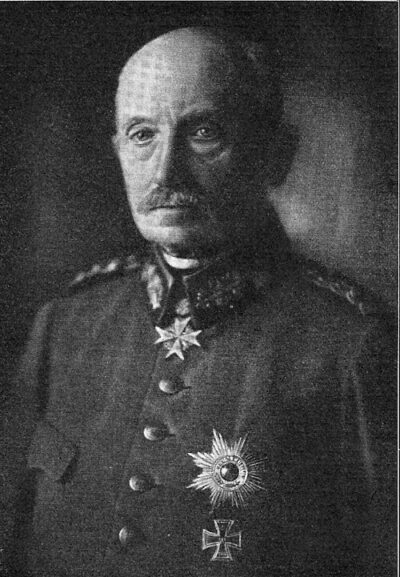 Otto von BelowPrussian general (1857–1944)
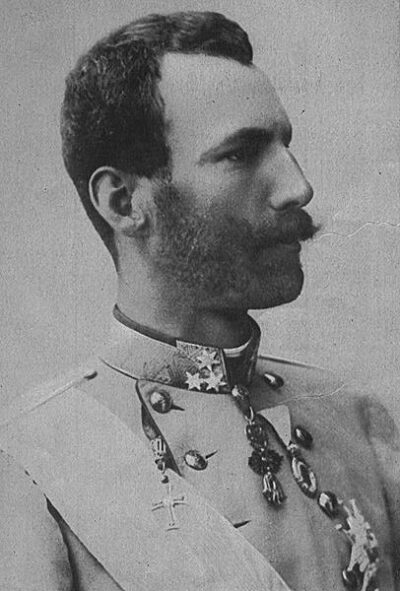 Archduke Eugen of AustriaAustrian archduke and military officer (1863-1954)
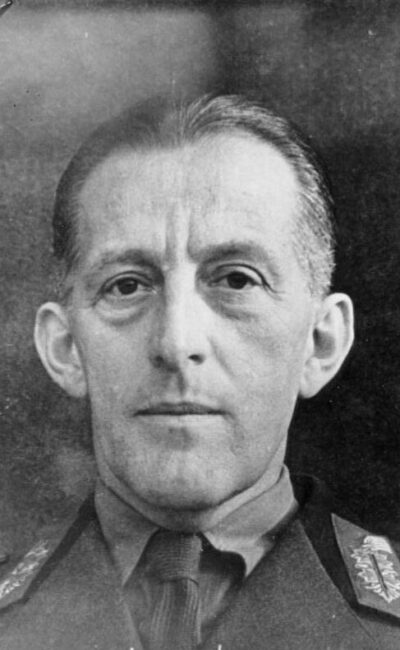 Wilhelm Ritter von ThomaGerman general (1891–1948)
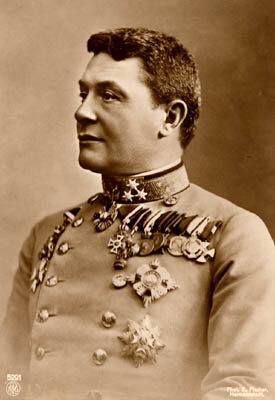 Hermann Kövess von KövessházaAustro-Hungarian field marshal
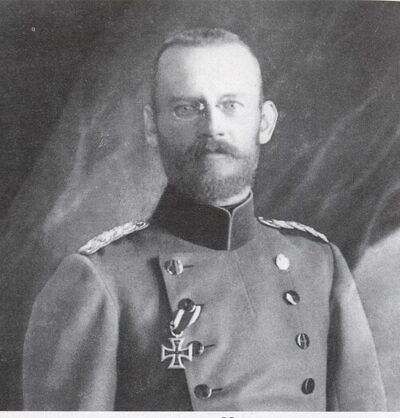 Prince Franz of BavariaBavarian Royal and Military General (1875–1957)
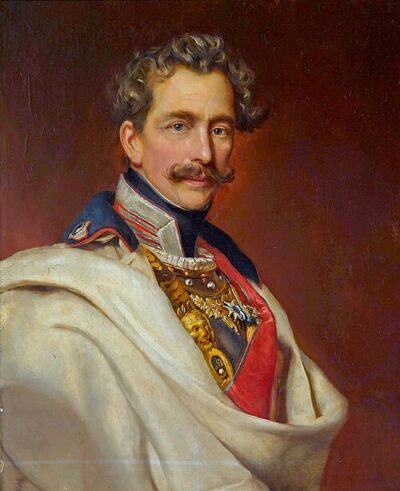 Prince Karl Theodor of BavariaGerman general (1795–1875)
and 2 more
