
moneyer
Moneyer is an individual who is officially permitted to mint money.
All 1 facts, and where they come from
Facts
1 facts · 0 confirmed by two sources · 0 cited · 1 from one source
Where this comes from
Papalocal keeps its own record. It started from these sources; what each one said is kept here as it was copied, so a change on their side never changes this page by itself. Tap one to read its version.
What Wikidata says · copied November 16, 2026 · revision 2569299332
- Described as
- an individual who is officially permitted to mint money
- Other names
- minter, mint master, coiner
- What it is
- position
- Wikipedias with a page
- 4
Wikidata item Q1861571 (wikidata.org/wiki/Q1861571), public domain (CC0). Copied 2026-11-16.
What Wikipedia says · copied November 16, 2026 · revision 1353418820
A moneyer is a private individual who is officially permitted to mint money. Usually the rights to coin money are bestowed as a concession by a state or government. Moneyers have a long tradition, dating back at least to ancient Greece. They became most prominent in the Roman Republic, and continued into the Empire. In Rome the position of Triumvir Monetalis, held by three people at a time, was a minor magistracy awarded by the Senate, often the first office held by young politicians, including Marcus Aurelius.
Moneyers were not limited to the ancient world. During the Middle Ages, European moneyers created currency on behalf of kings and potentates. For a large part of that era, virtually all coins in circulation were silver pennies, and these often bore the name or other identification of the moneyer. In 17th century North America, John Hull acted as a moneyer for the Massachusetts Bay Colony.
From the Wikipedia article “Moneyer” (en.wikipedia.org/wiki/Moneyer), by its contributors, under CC BY-SA 4.0 (creativecommons.org/licenses/by-sa/4.0/). Copied 2026-11-16; not changed.
Confirmed Two sources agree. Cited One source, and it names where it got it. One source One source, without a reference of its own. Sources disagree The sources disagree. We show the best-supported value and keep theirs below.
People connected 9
Held this office
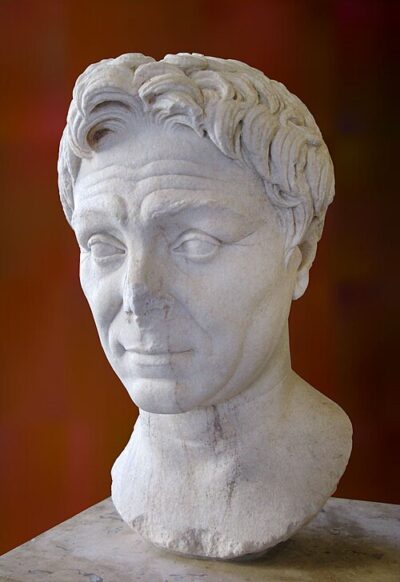 Pompey (-71–-49)Roman general and statesman (106–48 BC)
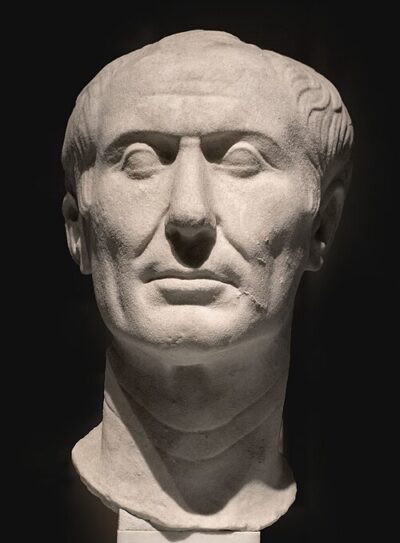 Julius Caesar (-49–-44)Roman general and dictator
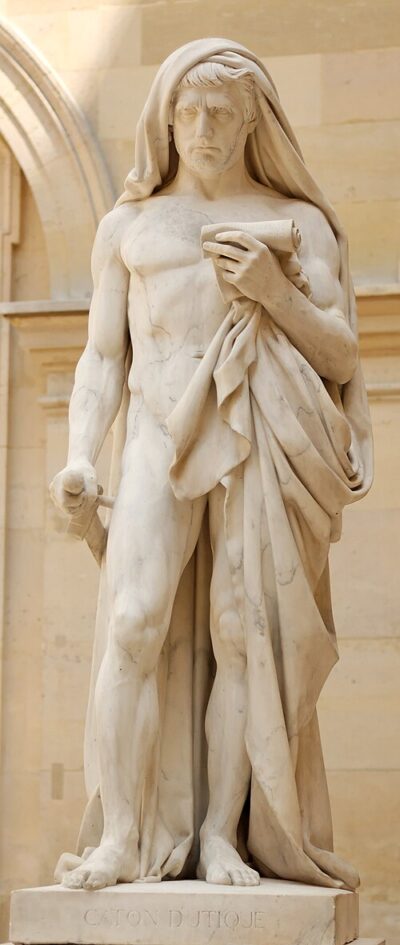 Cato the Younger (-47–-46)Roman statesman, general and writer (95–46 BC)
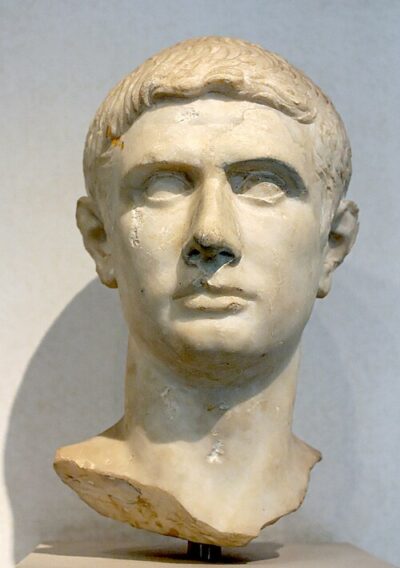 Marcus Junius Brutus (-43–-42)assassin of Julius Caesar
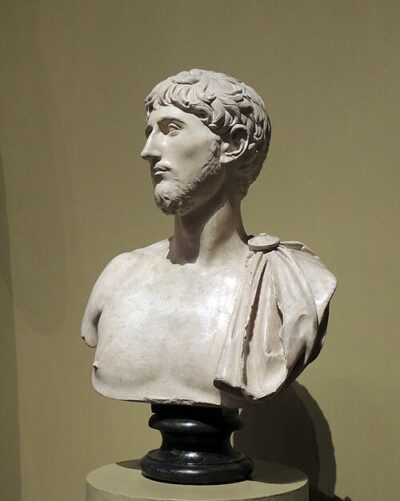 Lepidus (-43–-42)member of the Second Triumvirate of Rome
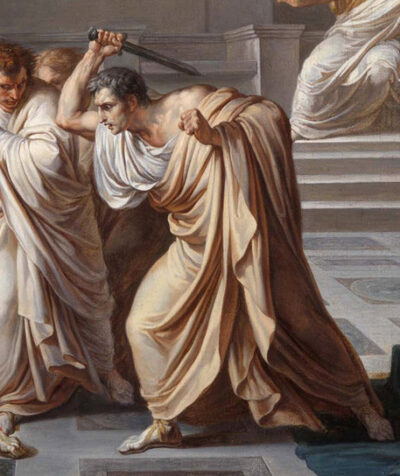 Gaius Cassius Longinus (-43–-42)ancient Roman politician, known for his role in the assassination of Julius Caesar
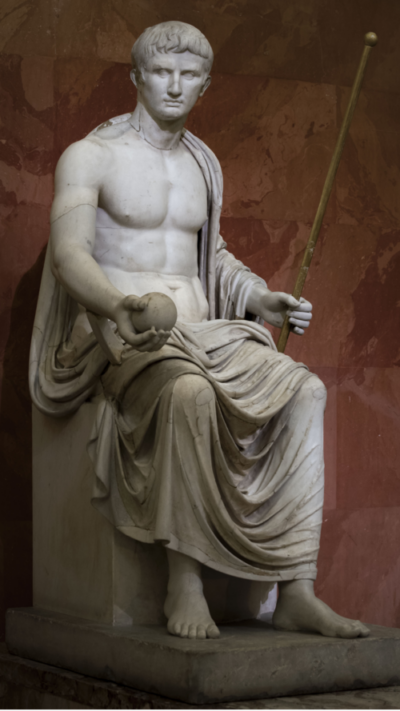 Augustus (-43–-36)first emperor of the Roman Empire and founder of the Julio-Claudian dynasty
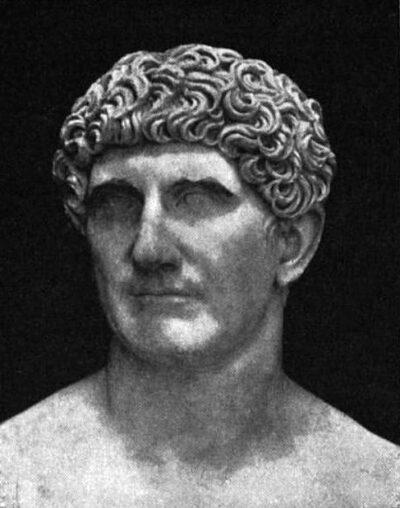 Mark Antony (-43–-31)Roman politician and general (83 BC – 30 BC)
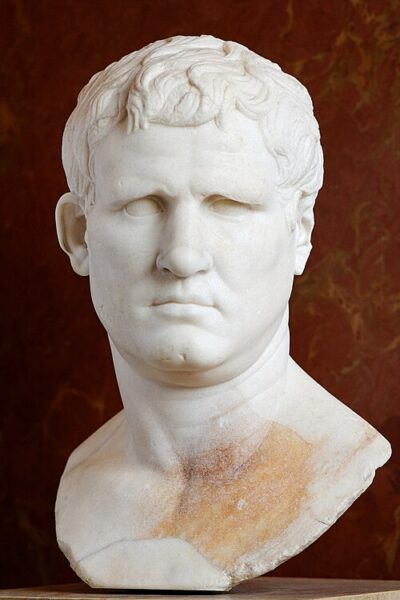 Marcus Vipsanius Agrippa (-38)ancient Roman statesman and general
