
People's Action Party
The People's Action Party is a Singaporean political party. It was founded in 1954 by Kuan Yew Lee and S. Rajaratnam. It stands for social conservatism, economic liberalism and civic nationalism.
- Country
- Singapore
- Founded
- 1954
- Ideology
- social conservatism
- Chair
- Heng Swee Keat (2022–)
All 13 facts, and where they come from
Facts
13 facts · 0 confirmed by two sources · 1 cited · 12 from one source
Where this comes from
Papalocal keeps its own record. It started from these sources; what each one said is kept here as it was copied, so a change on their side never changes this page by itself. Tap one to read its version.
What Wikidata says · copied November 17, 2026 · revision 2549847951
- Described as
- Singaporean political party
- Other names
- PAP
- What it is
- political party
- Founded
- 1954
- Founded by
- Kuan Yew Lee · 1 reference; S. Rajaratnam · 1 reference
- Headquarters
- Singapore
- Country
- Singapore
- Chair
- Lee Hsien Loong; Heng Swee Keat (2022–) · 1 reference
- Ideology
- social conservatism; economic liberalism; civic nationalism; secularism
- Official website
- https://www.pap.org.sg/
- Wikipedias with a page
- 37
Wikidata item Q371395 (wikidata.org/wiki/Q371395), public domain (CC0). Copied 2026-11-17.
What Wikipedia says · copied November 17, 2026 · revision 1385705555
The People's Action Party (PAP) is a major political party in Singapore. Established in 1954 as a conventional centre-left party, following its initial electoral success in 1959, Prime Minister Lee Kuan Yew sought to reposition the party ideologically toward the centre. In pursuit of this objective, he expelled the party's leftist faction, which reorganised as Barisan Sosialis, in 1961, during the period of Singapore's merger with Malaysia. Over the course of the 1960s and since then, the PAP continued its ideological shift towards the centre-right. After Singapore's separation from Malaysia and subsequent independence in 1965, the majority of opposition parties, excluding the WP, boycotted the 1968 general election. Consequently, the PAP secured all parliamentary seats in that election. In the ensuing decades, the PAP consolidated its political dominance through successive electoral victories, and remains the dominant political party in Parliament, followed by the opposition Workers' Party. It consistently formed the executive branch of government and exerted substantial influence over key national institutions, including the country's sole trade union, the National Trades Union Congress (NTUC), which is affiliated with the party, as well as the civil service.
Between 1965 and 1981, the PAP was the sole political party represented in Parliament. This period of exclusive representation ended with the party's first electoral defeat in a 1981 by-election in the Anson Constituency, where the WP secured the seat. Despite this setback, the PAP has retained its political dominance. In every subsequent general election, the party consistently garnered over 60 percent of the popular vote and secured more than 80 percent of parliamentary seats, achieving landslide victories on each occasion. Having governed continuously for 67 years, the PAP remains the dominant political force in Singapore, effectively operating within the framework of a de facto one-party state. It has maintained an unbroken two-thirds parliamentary supermajority enabling it to amend the Constitution at will. As of 2025, the PAP is the longest-serving uninterrupted ruling party among contemporary multi-party parliamentary democracies and holds the second-longest tenure of any governing party in a multi-party system in modern history, surpassed solely by Mexico's Institutional Revolutionary Party (PRI), which governed from 1929 to 2000.
Positioned on the centre-right of Singapore's political spectrum, the PAP espouses a combination of pragmatic conservatism and economic liberalism. The party generally advocates free-market principles, favouring policies such as low taxation, the absence of tariffs, limited government expenditure relative to gross domestic product (GDP), minimal economic regulation and the promotion of economic freedom. Nonetheless, the PAP occasionally engages in strategic state intervention. A distinctive feature of its economic approach is the support for the development and expansion of state-owned enterprises (SOEs), locally referred to as government-linked corporations (GLCs). These entities were initially established in response to the economic disruptions caused by the British military withdrawal from Singapore in 1971. GLCs played a central role in driving export-oriented industrialisation, fostering economic development and generating employment across key sectors of the economy. On social matters, the PAP endorses communitarian values and civic nationalism. A cornerstone of its social policy is the promotion of national cohesion through the integration of the country's major ethnic groups into a unified Singaporean identity.
From the Wikipedia article “People's Action Party” (en.wikipedia.org/wiki/People's_Action_Party), by its contributors, under CC BY-SA 4.0 (creativecommons.org/licenses/by-sa/4.0/). Copied 2026-11-17; not changed.
Confirmed Two sources agree. Cited One source, and it names where it got it. One source One source, without a reference of its own. Sources disagree The sources disagree. We show the best-supported value and keep theirs below.
People connected 14
Party members
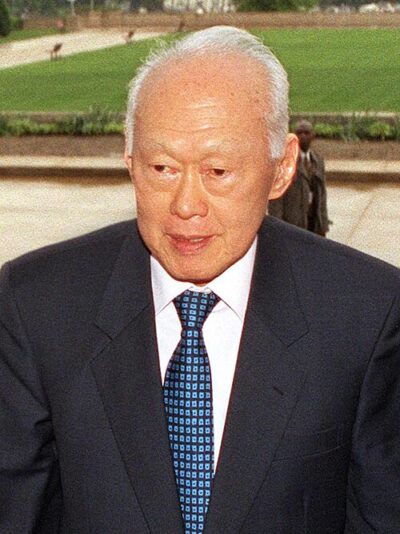 Kuan Yew Lee1st Prime Minister of the Republic of Singapore (1923–2015)
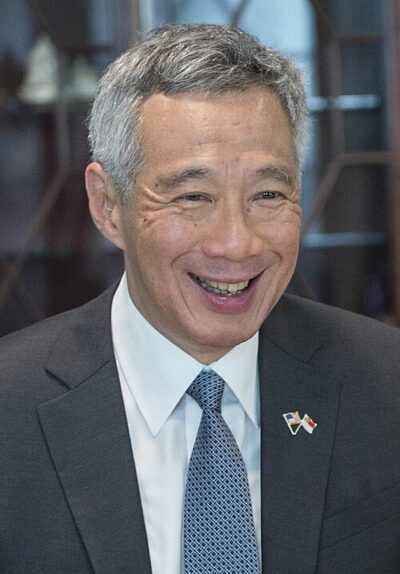 Lee Hsien Loong (1984–)3rd Prime Minister of Singapore from 2004 to 2024
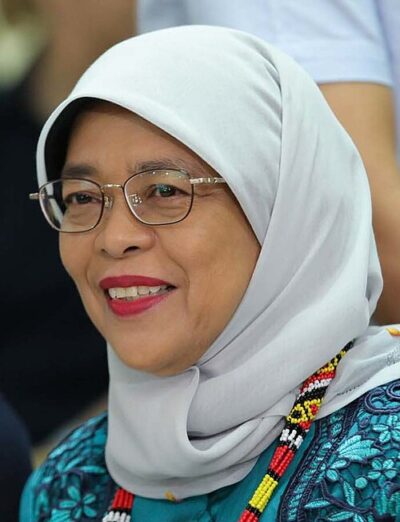 Halimah Yacob (2001–2017)8th President of Singapore
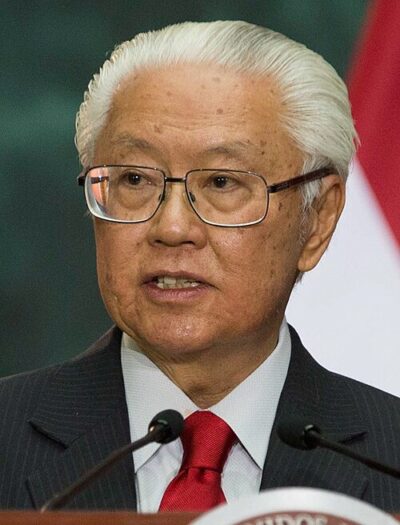 Tony Tan Keng Yam7th President of Singapore
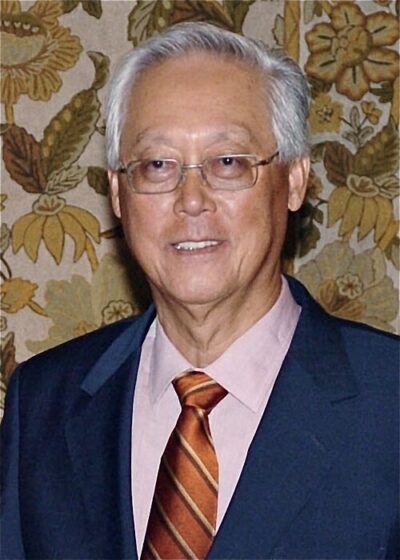 Goh Chok Tong2nd Prime Minister of Singapore from 1990 to 2004
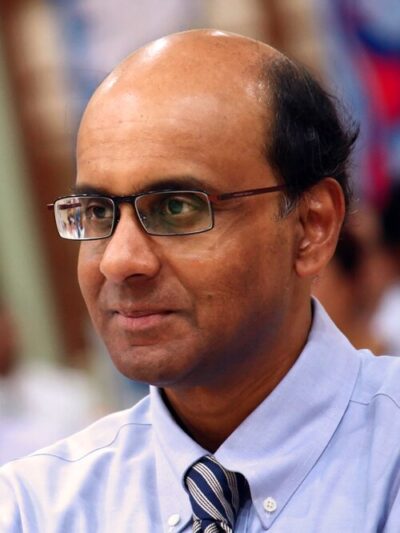 Tharman ShanmugaratnamPresident of Singapore since 2023
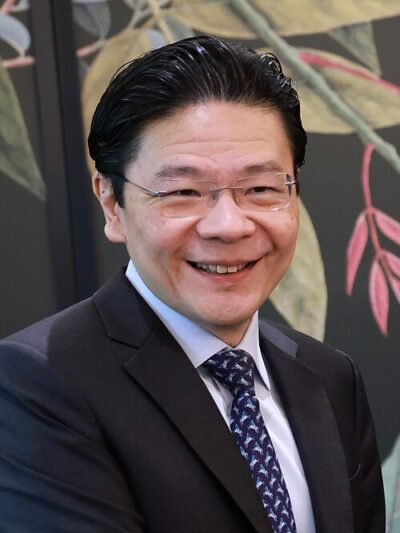 Lawrence WongPrime Minister of Singapore since 2024
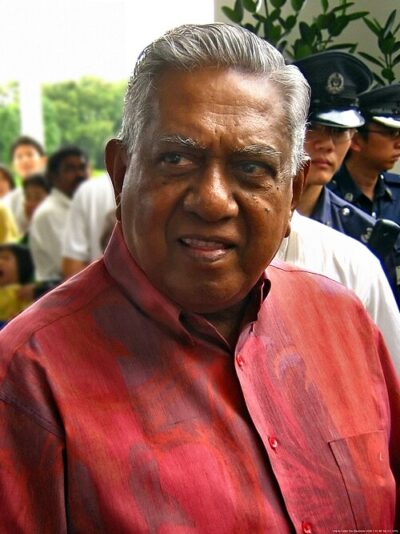 S. R. Nathan6th President of Singapore (1924–2016)
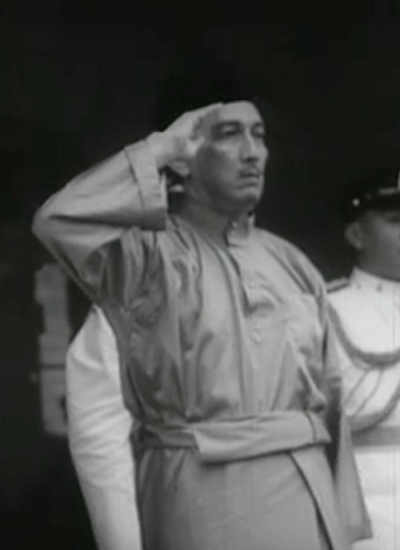 Yusof bin Ishak1st President of Singapore (1910–1970)
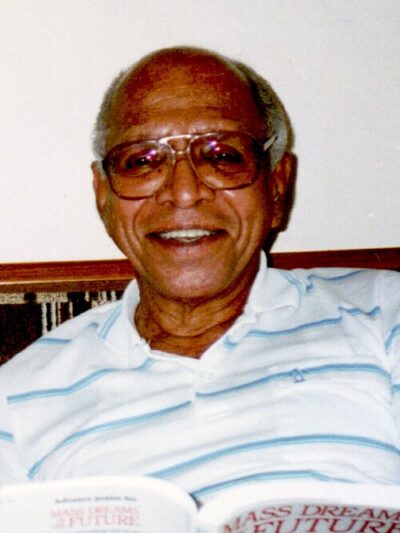 Devan Nair (1954–1981)Malaysian-Singaporean politician, 3rd President of Singapore (1923–2005)
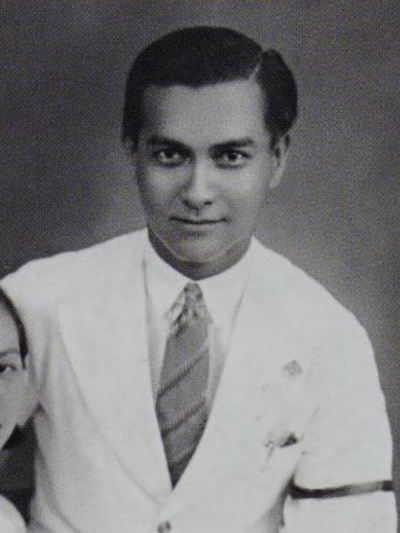 Wee Kim Wee4th President of Singapore (1915–2005)
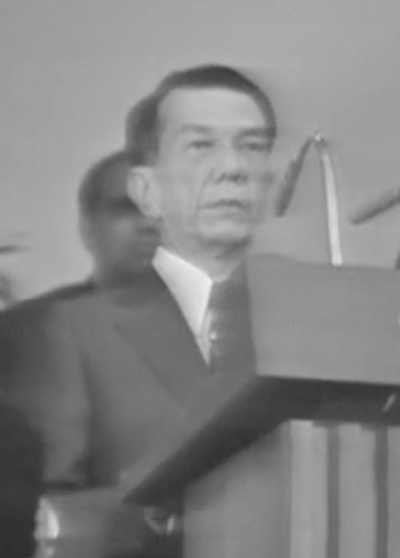 Benjamin Sheares2nd President of Singapore (1907–1981)
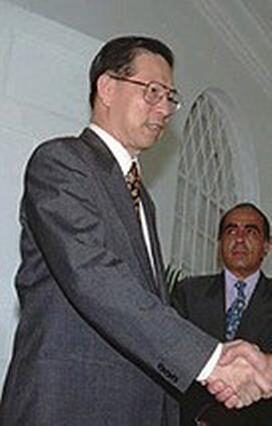 Ong Teng Cheong5th President of Singapore (1936–2002)
 Ho ChingSingaporean businesswoman and Spouse of the Prime Minister of Singapore
