photography
Photography is an art, science, and practice of creating durable images by recording light or other electromagnetic radiation.
- Country of origin
- United Kingdom of Great Britain and Ireland
All 4 facts, and where they come from
Facts
4 facts · 0 confirmed by two sources · 1 cited · 3 from one source
Where this comes from
Papalocal keeps its own record. It started from these sources; what each one said is kept here as it was copied, so a change on their side never changes this page by itself. Tap one to read its version.
What Wikidata says · copied November 17, 2026 · revision 2567874646
- Described as
- art, science, and practice of creating durable images by recording light or other electromagnetic radiation
- What it is
- artistic technique · 1 reference; academic discipline; type of arts
- Country of origin
- United Kingdom of Great Britain and Ireland
- Wikipedias with a page
- 212
Wikidata item Q11633 (wikidata.org/wiki/Q11633), public domain (CC0). Copied 2026-11-17.
What Wikipedia says · copied November 17, 2026 · revision 1385257670
Photography is the art, application, and practice of creating images by recording light, either electronically by means of an image sensor, or chemically by means of a light-sensitive material such as photographic film. It is employed in many fields of science, manufacturing (e.g., photolithography), and business, as well as its more direct uses for art, film and video production, recreational purposes, hobby, and mass communication. A person who operates a camera to capture or take photographs is called a photographer, while the captured image, also known as a photograph, is the result produced by the camera.
Typically, a lens is used to focus the light reflected or emitted from objects into a real image on the light-sensitive surface inside a camera during a timed exposure. With an electronic image sensor, this produces an electrical charge at each pixel, which is electronically processed and stored in a digital image file for subsequent display or processing. The result with photographic emulsion is an invisible latent image, which is later chemically developed into a visible image, either negative or positive, depending on the purpose of the photographic material and the method of processing. A negative image on film is traditionally used to photographically create a positive image on a paper base, known as a print, either by using an enlarger or by contact printing.
Before the emergence of digital photography, photographs that utilized film had to be developed to produce negatives or projectable slides, and negatives had to be printed as positive images, usually in enlarged form. This was typically done by photographic laboratories, but many amateur photographers, students, and photographic artists did their own processing.
From the Wikipedia article “Photography” (en.wikipedia.org/wiki/Photography), by its contributors, under CC BY-SA 4.0 (creativecommons.org/licenses/by-sa/4.0/). Copied 2026-11-17; not changed.
Confirmed Two sources agree. Cited One source, and it names where it got it. One source One source, without a reference of its own. Sources disagree The sources disagree. We show the best-supported value and keep theirs below.
Picture: Wikimedia Commons: Winterswijk (NL), Woold, Boven Slinge -- 2014 -- 3170.jpg · See Commons file page
People connected 99
Field 96
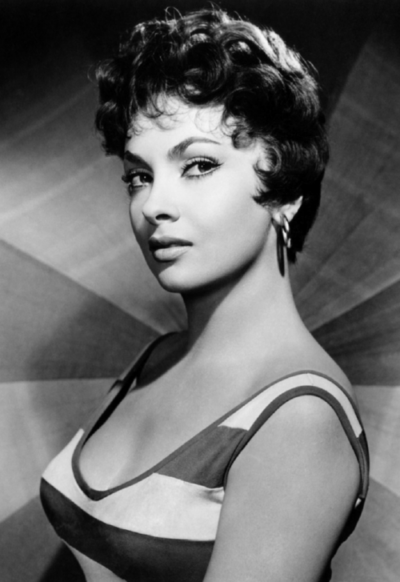 Gina LollobrigidaItalian actress, photojournalist, and politician (1927–2023)
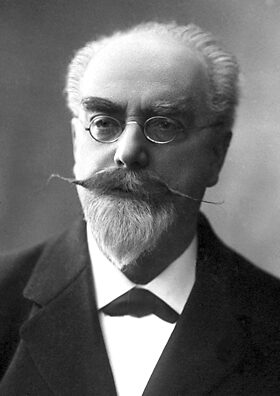 Gabriel LippmannLuxembourgish physicist nationalized French (1845-1921)
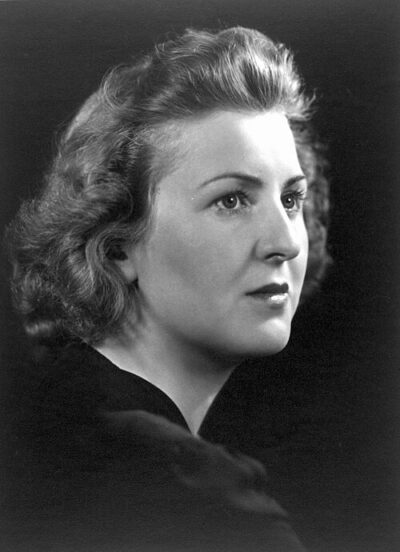 Eva Braunphotographer, longtime companion and later wife of Adolf Hitler (1912–1945)
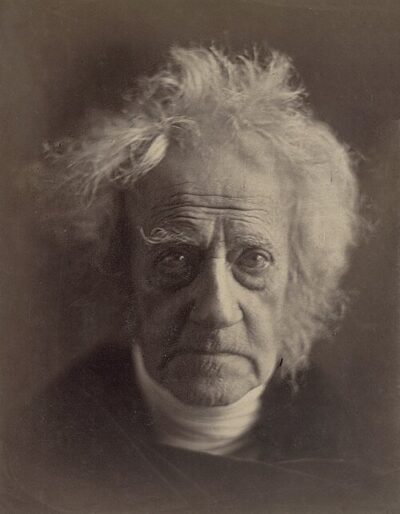 John Frederick William HerschelEnglish polymath, mathematician, astronomer, chemist, inventor and photographer (1792–1871)
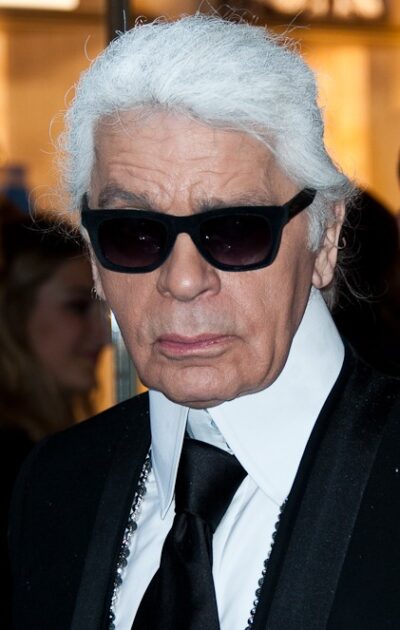 Karl LagerfeldGerman fashion designer (1933–2019)
 Michel HouellebecqFrench writer
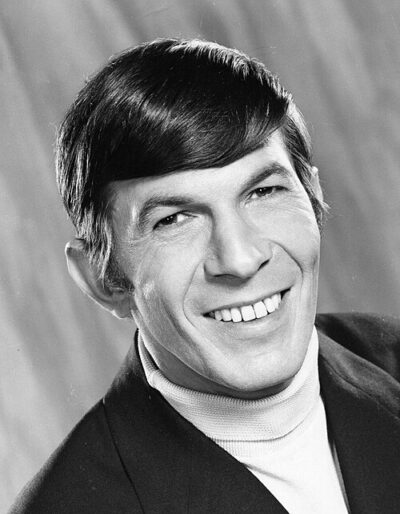 Leonard NimoyAmerican actor (1931–2015)
 Abbas KiarostamiIranian film director, screenwriter, photographer and film producer (1940-2016)
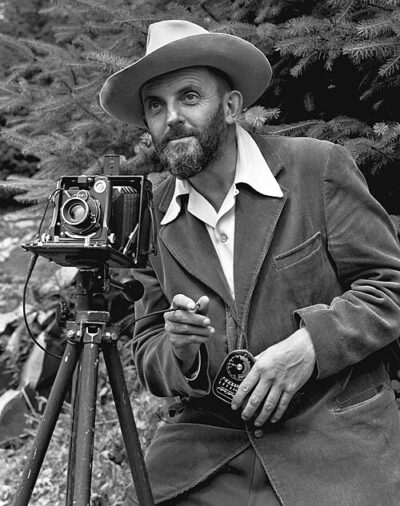 Ansel AdamsAmerican photographer and environmentalist (1902–1984)
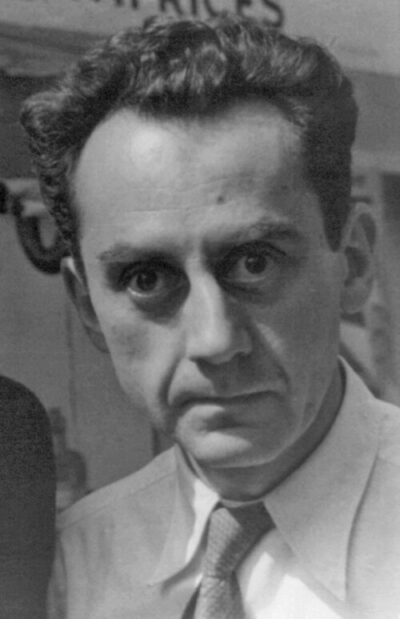 Man RayAmerican and French visual artist (1890–1976)
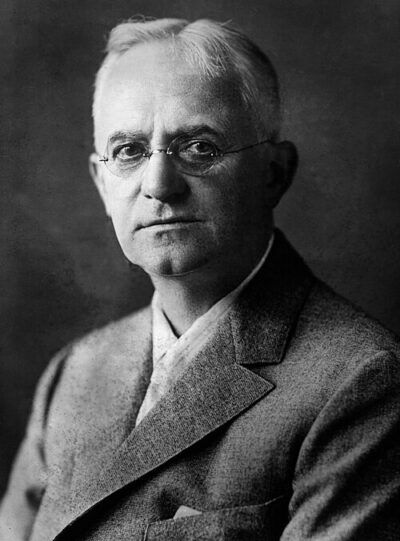 George EastmanAmerican entrepreneur, inventor and photographer (1854–1932)
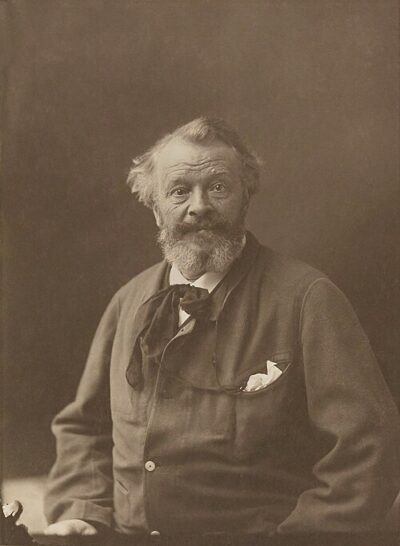 NadarFrench photographer and balloonist (1820–1910)
 Agnès VardaFrench artist, film director, screenwriter and photographer (1928–2019)
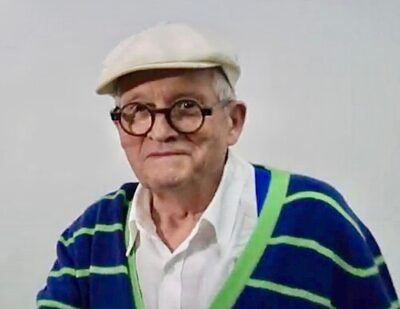 David Hockneypainter, printmaker, set designer, photographer (1937–2026)
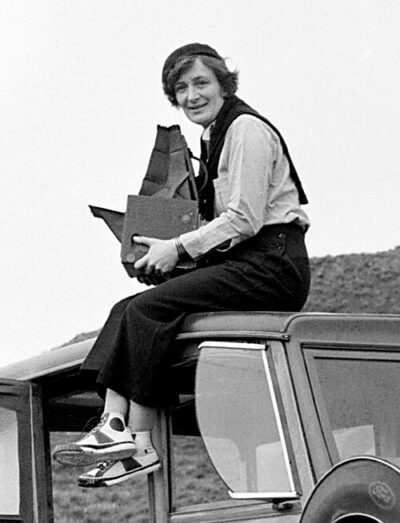 Dorothea LangeAmerican photojournalist (1895-1965)
 Juan RulfoMexican writer (1917–1986)
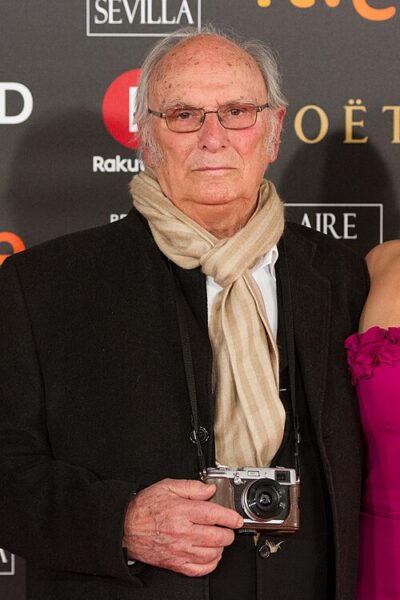 Carlos SauraSpanish photographer and film director (1932–2023)
 Giovanni VergaItalian writer (1840-1922)
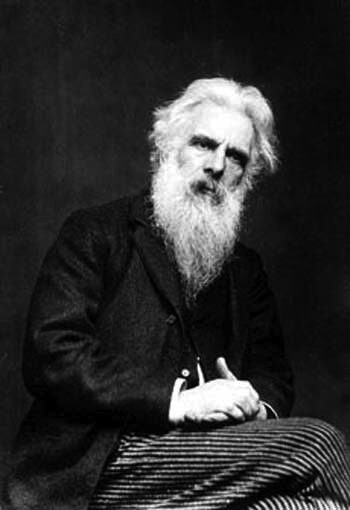 Eadweard MuybridgeEnglish-American photographer (1830–1904)
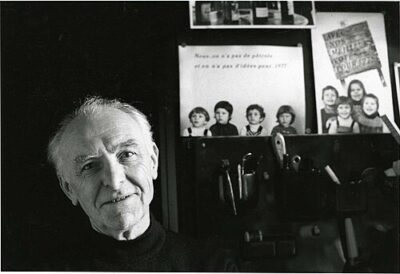 Robert DoisneauFrench photographer (1912–1994)
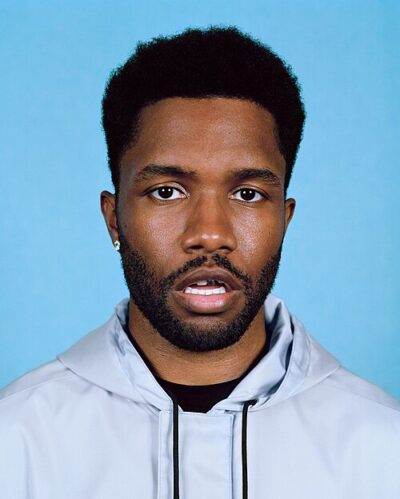 Frank OceanAmerican singer, songwriter, and rapper
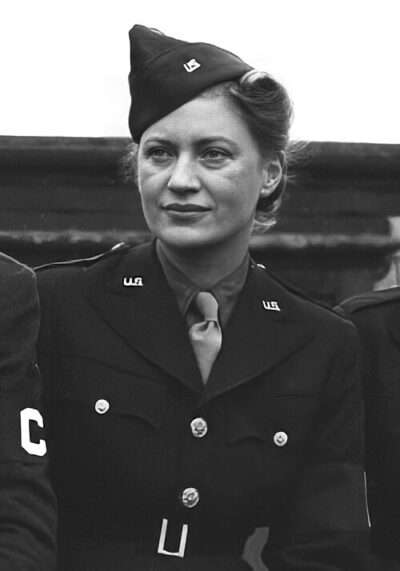 Lee MillerAmerican photographer and photojournalist (1907–1977)
 Annie LeibovitzAmerican photographer (born 1949)
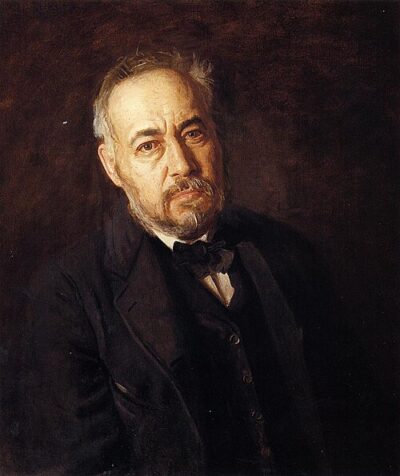 Thomas EakinsAmerican painter (1844–1916)
and 72 more
Genre
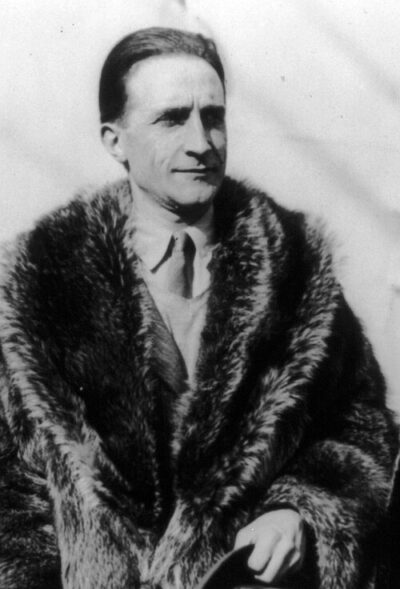 Marcel DuchampFrench painter, sculptor, and chess player (1887–1968)
- David Hockneypainter, printmaker, set designer, photographer (1937–2026)
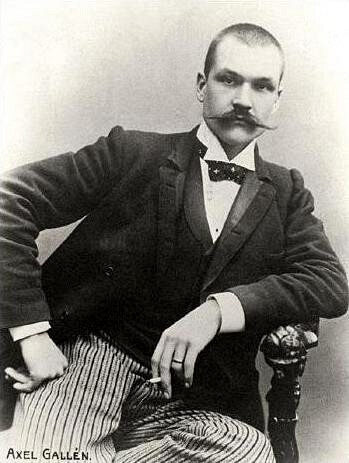 Akseli Gallen-KallelaFinnish painter (1865-1931)