
Polish United Workers' Party
The Polish United Workers' Party is a founding and ruling party of the Polish People's Republic from 1948 to 1989. Its headquarters are in Warsaw. It stands for communism, Marxism–Leninism and socialism.
- Country
- Poland
- Founded
- December 21, 1948
- Ideology
- communism
All 12 facts, and where they come from
Facts
12 facts · 0 confirmed by two sources · 1 cited · 11 from one source
Where this comes from
Papalocal keeps its own record. It started from these sources; what each one said is kept here as it was copied, so a change on their side never changes this page by itself. Tap one to read its version.
What Wikidata says · copied November 17, 2026 · revision 2565122196
- Described as
- founding and ruling party of the Polish People's Republic from 1948 to 1989
- Other names
- PZPR, PUWP
- What it is
- political party
- Comes after
- Polish Workers' Party
- Founded
- December 21, 1948
- Ended
- January 30, 1990
- Headquarters
- Warsaw
- Country
- Poland
- Chair
- Bolesław Bierut (1948–) · 1 reference; Mieczysław Rakowski
- Ideology
- communism; Marxism–Leninism; socialism
- Office of
- Poland
- Wikipedias with a page
- 44
Wikidata item Q537303 (wikidata.org/wiki/Q537303), public domain (CC0). Copied 2026-11-17.
What Wikipedia says · copied November 17, 2026 · revision 1378441389
The Polish United Workers' Party (Polish: Polska Zjednoczona Partia Robotnicza [ˈpɔlska zjɛdnɔˈt͡ʂɔna ˈpartja rɔbɔtˈɲit͡ʂa], PZPR) was the Marxist-Leninist party which ruled the Polish People's Republic as a one-party state from 1948 to 1989. The PZPR had led two other legally permitted subordinate minor parties together as the Front of National Unity and later Patriotic Movement for National Rebirth. The Polish United Workers' Party had total control over public institutions in the country as well as the Polish People's Army, the UB and SB security agencies, the Citizens' Militia (MO) police force and the media.
The falsified 1947 Polish legislative election granted the Communist Polish Workers' Party (PPR) complete political authority in post-war Poland. The PZPR was founded forthwith in December 1948 through the unification of the PPR and the Polish Socialist Party (PPS). From 1952 onward, the position of "First Secretary" of the Polish United Workers' Party was de facto equivalent to Poland's head of state. Throughout its existence, the PZPR maintained close ties with ideologically similar parties of the Eastern Bloc, most notably the Socialist Unity Party of Germany, Communist Party of Czechoslovakia and the Communist Party of the Soviet Union. Between 1948 and 1954, nearly 1.5 million individuals registered as Polish United Workers' Party members, and membership rose to 3 million by 1980.
Ideologically, the party was based on the theories of Marxism–Leninism, with a strong emphasis on left-wing nationalism. It was also described as a "hybrid populist party that combined (nativist) right-wing and (economic) left-wing ideology". Later, in 1988–1989 some factions of the party adopted milder democratic socialism, which was seen as the impact of the perestroika in the neighbouring Soviet Union. Its primary objective was to impose socialist agenda unto Polish society. The communist government sought to nationalize all institutions. Some concepts imported from abroad, such as large-scale collective farming and secularization, failed in their early stages. The PZPR was considered more liberal and pro-Western than its counterparts in East Germany or the Soviet Union, and was more averse to radical politics. Although propaganda was utilized in major media outlets like Trybuna Ludu (lit. 'People's Tribune') and televised Dziennik ('Journal'), censorship became ineffective by the mid-1980s and was gradually abolished. On the other hand, the Polish United Worker's Party was responsible for the pacification of civil resistance and protesters in the Poznań protests of 1956, the 1970 Polish protests and throughout martial law between 1981 and 1983. The PZPR also initiated an antisemitic campaign during the 1968 Polish political crisis, which forced the remainder of Poland's Jews to emigrate.
Amidst the ongoing political and economic crises, the Solidarity movement emerged as a major anti-bureaucratic social movement that pursued social change. With communist rule being relaxed in neighbouring countries, the PZPR systematically lost support and was forced to negotiate with the opposition and adhere to the Polish Round Table Agreement, which permitted free democratic elections. The elections on 4 June 1989 proved victorious for Solidarity, thus bringing 40-year communist rule in Poland to an end. The Polish United Workers' Party was dissolved in January 1990 and was succeeded by Social Democracy of the Republic of Poland along with several parties claiming the legacy of the PZPR. Though the SdRP performed modestly in elections, it was later merged into the Democratic Left Alliance in 1999; and turn became part of the New Left coalition in 2021.
From the Wikipedia article “Polish United Workers' Party” (en.wikipedia.org/wiki/Polish_United_Workers'_Party), by its contributors, under CC BY-SA 4.0 (creativecommons.org/licenses/by-sa/4.0/). Copied 2026-11-17; not changed.
Confirmed Two sources agree. Cited One source, and it names where it got it. One source One source, without a reference of its own. Sources disagree The sources disagree. We show the best-supported value and keep theirs below.
People connected 39
Party members 39
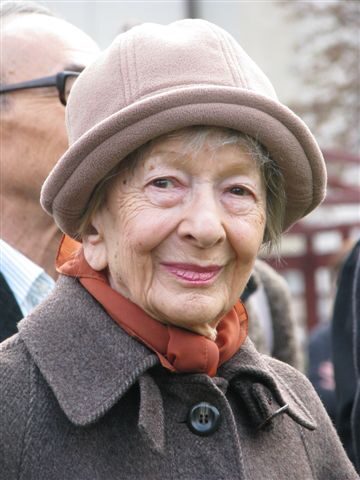 Wisława Szymborska (1945–1966)Polish poet, Nobel Prize winner (1923–2012)
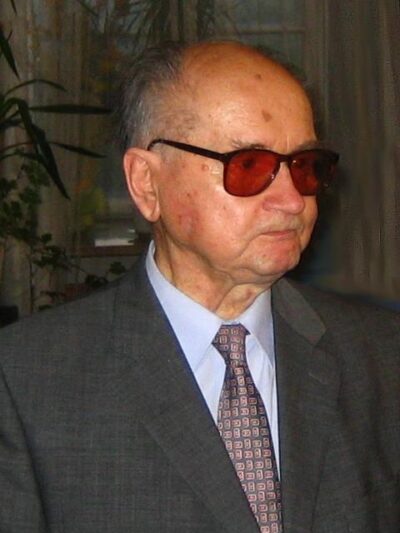 Wojciech JaruzelskiPolish military and political official, leader of the Polish People's Republic from 1981 to 1989
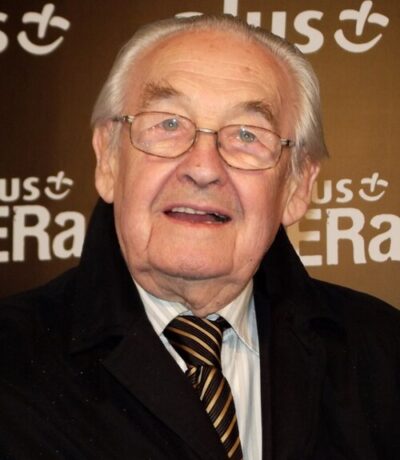 Andrzej WajdaPolish film director (1926–2016)
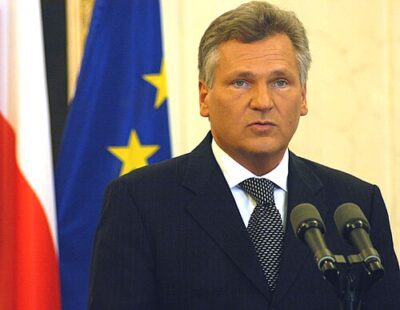 Aleksander KwaśniewskiPresident of Poland from 1995 to 2005
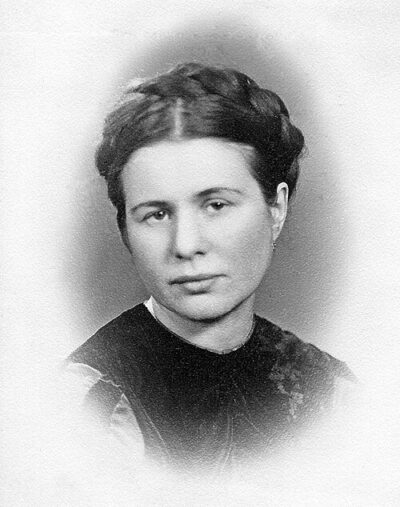 Irena SendlerPolish resistance fighter and Holocaust rescuer (1910-2008)
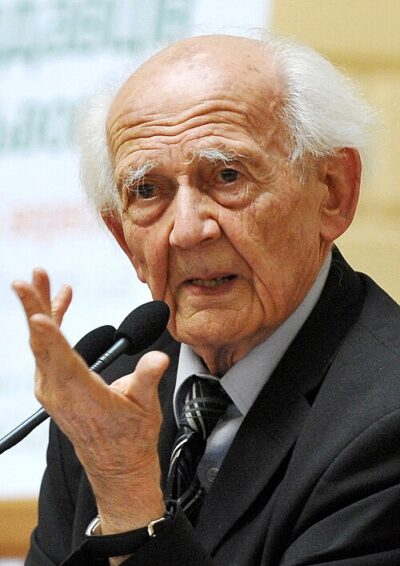 Zygmunt Bauman (1948–1968)Polish philosopher and sociologist (1925-2017)
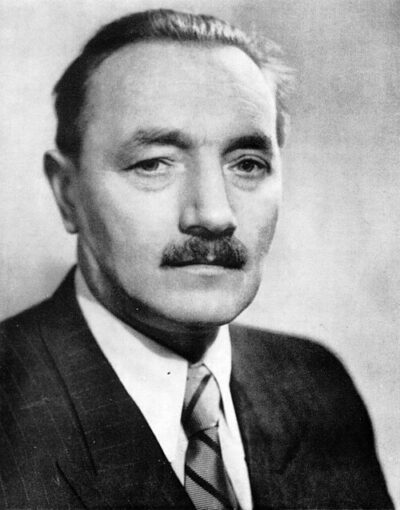 Bolesław Bierut (1948–1956)Polish politician and leader of Poland (1947–1956)
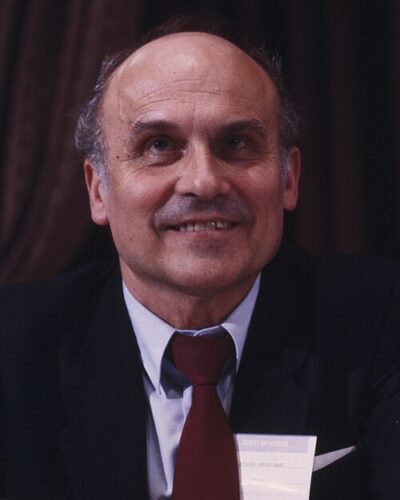 Ryszard KapuścińskiPolish journalist, photographer, poet and author (1932–2007)
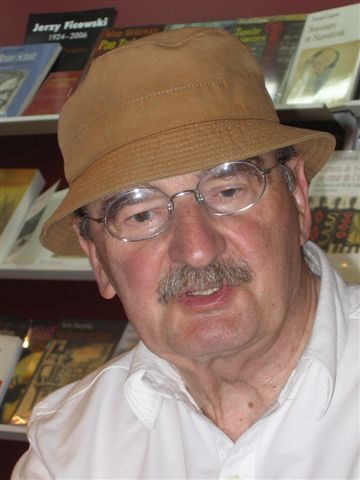 Sławomir MrożekPolish dramatist and writer (1930–2013)
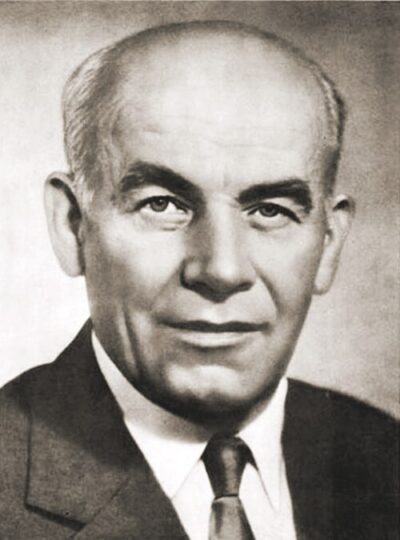 Władysław GomułkaPolish politician (1905-1982)
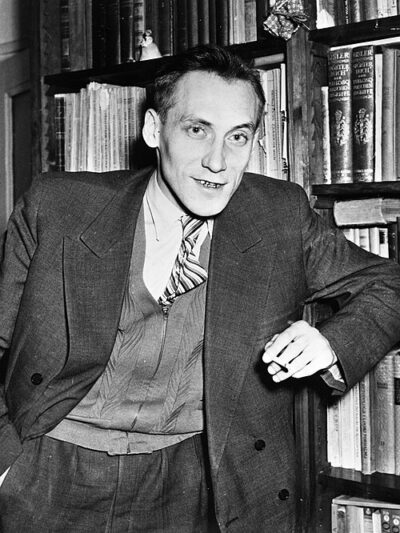 Leszek KołakowskiPhilosopher, historian of ideas (1927–2009)
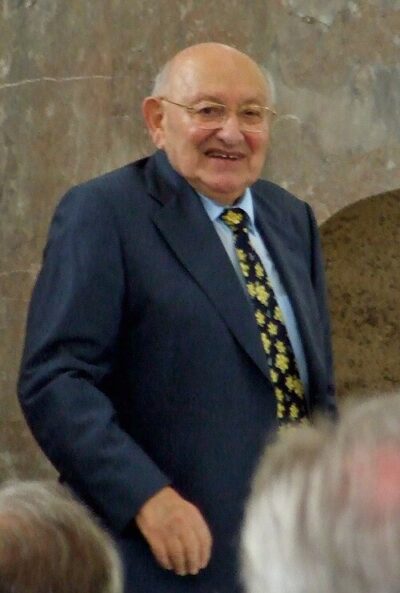 Marcel Reich-RanickiPolish-born German literary critic (1920–2013)
 Edward Gierek (1948–1981)Polish politician (1913-2001)
 Mirosław Hermaszewski (1962–1990)Polish cosmonaut (1941–2022)
 Jerzy GrotowskiPolish theatre director
 Marek BelkaPolish economist and politician
 Bronisław Geremek (1950–1968)Polish social historian and politician (1932–2008)
 Jerzy Kawalerowicz (1954–1990)Polish film director and screenwriter (1922-2007)
 Włodzimierz Cimoszewicz (1971–1990)Polish politician, former Prime Minister of Poland
 Leszek Miller (1969–1990)Polish politician, Polish prime minister in 2001-2004
 Józef CyrankiewiczPolish politician (1911–1989)
 Andrzej Munkfilm director (1921-1961)
 Tadeusz Konwicki (1953–)Polish writer and film director (1926–2015)
 Józef Oleksy (1969–1990)Polish politician, Prime Minister of Poland (1946-2015)
and 15 more
