
Prime Minister of Japan
Prime Minister of Japan is a head of government of Japan. It was created in 1885.
All 5 facts, and where they come from
Facts
5 facts · 0 confirmed by two sources · 0 cited · 5 from one source
Where this comes from
Papalocal keeps its own record. It started from these sources; what each one said is kept here as it was copied, so a change on their side never changes this page by itself. Tap one to read its version.
What Wikidata says · copied November 17, 2026 · revision 2564619938
- Described as
- head of government of Japan
- Other names
- Japanese prime minister, Kantei Saigai
- What it is
- position
- Created
- December 22, 1885
- Country
- Japan
- Office of
- Japan · 1 reference
- Official website
- https://www.kantei.go.jp/
- Wikipedias with a page
- 64
Wikidata item Q274948 (wikidata.org/wiki/Q274948), public domain (CC0). Copied 2026-11-17.
What Wikipedia says · copied November 17, 2026 · revision 1382823405
The prime minister of Japan (内閣総理大臣, Naikaku Sōri Daijin; Japanese pronunciation: [naꜜi.ka.kɯ | soː.ɾʲi daꜜi.dʑiɴ]) is the head of government of Japan. The prime minister chairs the Cabinet of Japan and has the ability to select and dismiss its ministers of state. The prime minister also serves as the commander-in-chief of the Japan Self Defence Forces.
The National Diet (parliament) acts as an electoral college and both houses nominate the prime minister from among their members (typically from among the members of the House of Representatives). Each house conducts a ballot under the run-off system, though the nominee of the House of Representatives prevails if the two houses disagree on the nomination. They are then formally appointed by the emperor. The prime minister must retain the confidence of the House of Representatives to remain in office. Conventionally, the prime minister is almost always the leader of the majority party in the House of Representatives or the leader of the senior partner in the governing coalition, though there have been cabinet prime ministers from junior coalition partners. The prime minister lives and works at the Naikaku Sōri Daijin Kantei (Prime Minister's Official Residence) in Nagatachō, Chiyoda, Tokyo, close to the National Diet Building.
Before the adoption of the Meiji Constitution, Japan had in practice no written constitution. Under the Yōrō Code enacted in 752, the Daijō-daijin was the head of the Daijō-kan (Department of State), the highest organ of Japan's pre-modern Imperial government during the Heian period and until briefly under the Meiji Constitution. The office was replaced with the office of prime minister on 22 December 1885 with the appointment of Itō Hirobumi to the new position. The Meiji Constitution was adopted in 1890, which gave the emperor the powers to appoint and dismiss the prime minister and cabinet members. During this period, the Prime Minister and his Cabinet were not necessarily chosen from the elected members of parliament. The modern constitution, adopted in 1947, transferred formal executive powers from the emperor to the prime minister, as well as designating the Diet as the nominator of the prime minister instead of the emperor.
The prime minister exercises control and supervision over the entire executive branch and appoints all Cabinet ministers, with the power to dismiss them any time. They present bills to the Diet on behalf of the Cabinet, and sign laws and Cabinet orders along with other members of the Cabinet. They also have the power to call an early election by advising the emperor to dissolve the House of Representatives. Powers of the prime minister have grown significantly in the 21st century. The prime minister is one of the world's most powerful political leaders in modern times. As the leader of the world's fourth largest economy, the prime minister holds significant domestic and international leadership, being the leader of a prominent member state of the G7 and G20.
As of 2026, sixty-six people (sixty-five men and one woman) have served as prime minister. The longest-serving prime minister was Shinzo Abe, who served over eight years across two non-consecutive terms, and the shortest-serving was Prince Naruhiko Higashikuni, who served fifty-four days. Sanae Takaichi succeeded Shigeru Ishiba as prime minister on 21 October 2025, following the 2025 Liberal Democratic Party presidential election; she is the first woman to serve as prime minister.
From the Wikipedia article “Prime Minister of Japan” (en.wikipedia.org/wiki/Prime_Minister_of_Japan), by its contributors, under CC BY-SA 4.0 (creativecommons.org/licenses/by-sa/4.0/). Copied 2026-11-17; not changed.
Confirmed Two sources agree. Cited One source, and it names where it got it. One source One source, without a reference of its own. Sources disagree The sources disagree. We show the best-supported value and keep theirs below.
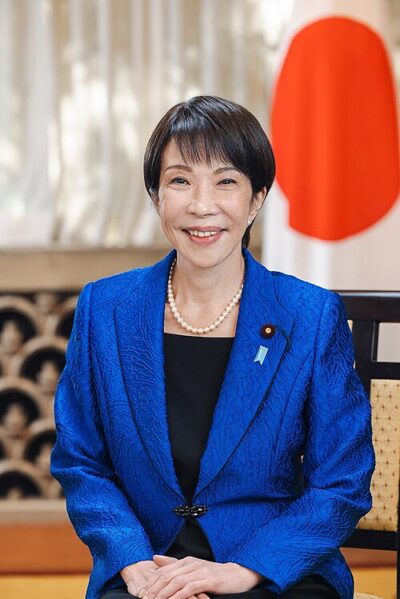
Picture: Cabinet Secretariat, Cabinet Public Relations Office, via Wikimedia Commons · CC BY 4.0
People connected 68
Held this office 68
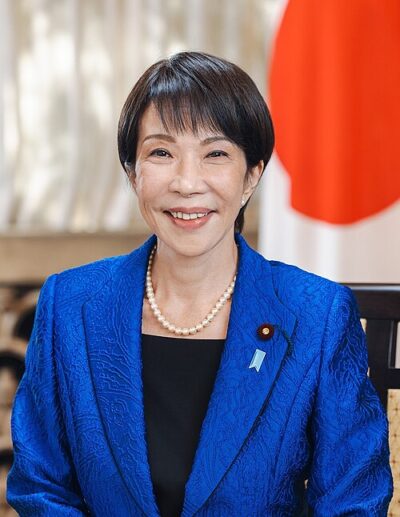 Sanae Takaichi (2025–)Japanese politician, Prime Minister of Japan since 2025
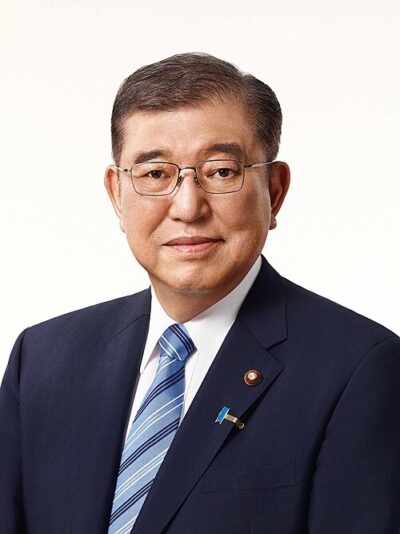 Shigeru Ishiba (2024–2025)President of the Liberal Democratic Party from 2024 to 2025 and Prime Minister of Japan from 2024 to 2025
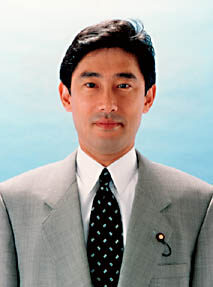 Fumio Kishida (2021–2024)Prime Minister of Japan from 2021 to 2024
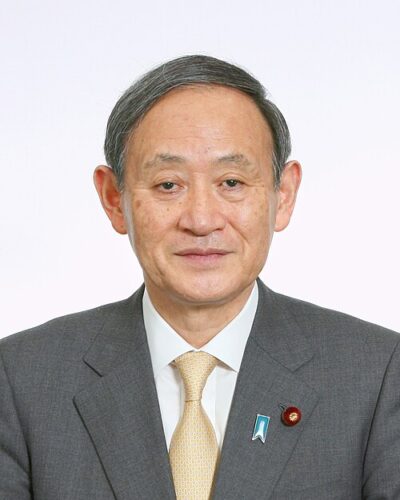 Yoshihide Suga (2020–2021)Prime Minister of Japan from 2020 to 2021
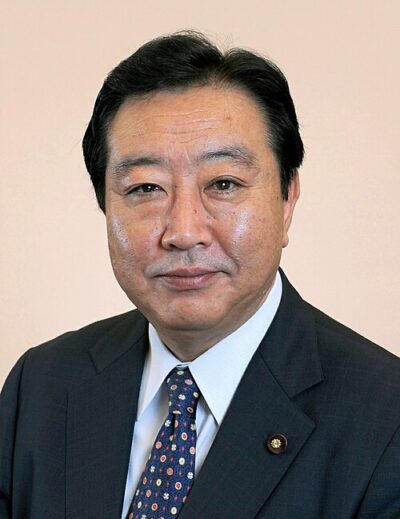 Yoshihiko Noda (2011–2012)Prime Minister of Japan from 2011 to 2012
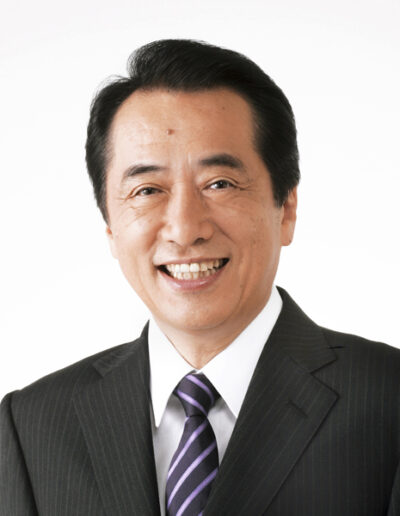 Naoto Kan (2010–2011)94th Prime Minister of Japan
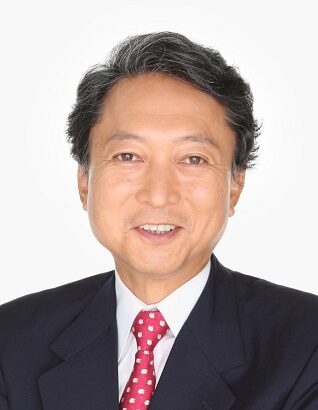 Yukio Hatoyama (2009–2010)Prime Minister of Japan from 2009 to 2010
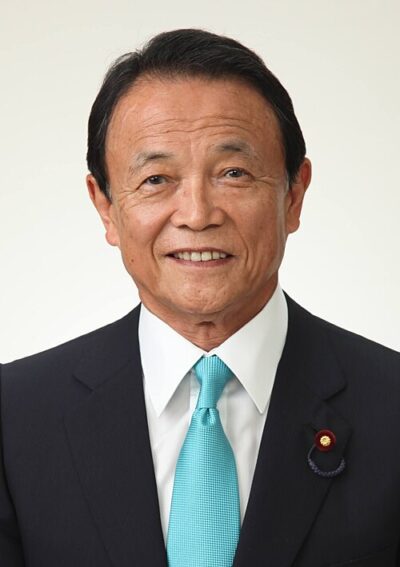 Tarō Asō (2008–2009)Prime Minister of Japan from 2008 to 2009
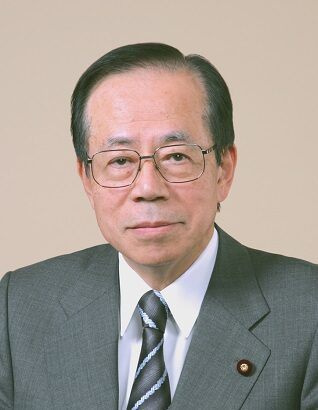 Yasuo Fukuda (2007–2008)Prime Minister of Japan from 2007 to 2008 (1936–2026)
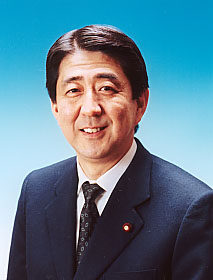 Shinzō Abe (2006–2020)Prime Minister of Japan from 2006–2007 and 2012–2020 (1954–2022)
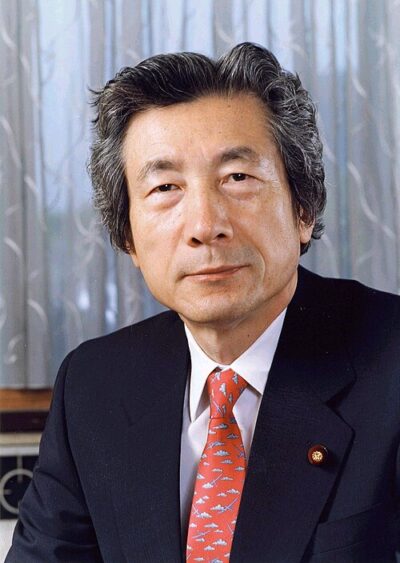 Junichiro Koizumi (2001–2006)Prime Minister of Japan from 2001 to 2006
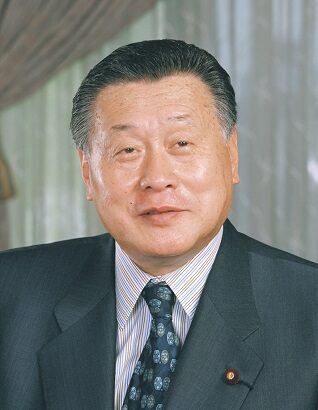 Yoshirō Mori (2000–2001)Prime Minister of Japan from 2000 to 2001
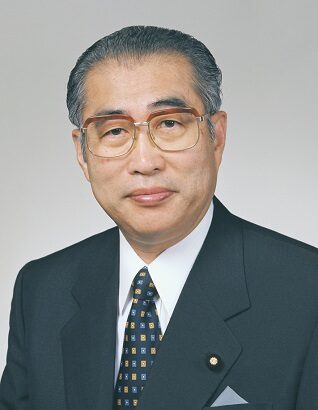 Keizō Obuchi (1998–2000)84th Prime Minister of Japan (1937–2000)
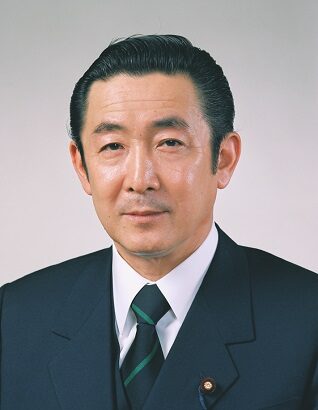 Ryutaro Hashimoto (1996–1998)82nd and 83rd Prime Minister of Japan (1937-2006)
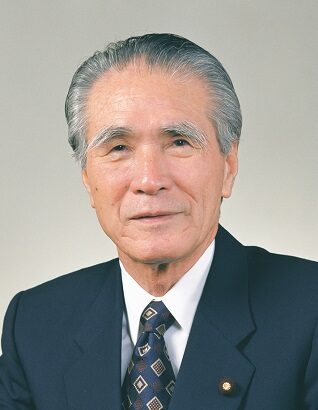 Tomiichi Murayama (1994–1996)81st Prime Minister of Japan (1924–2025)
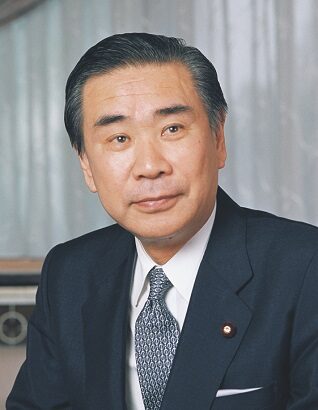 Tsutomu Hata (1994)80th Prime Minister of Japan (1935-2017)
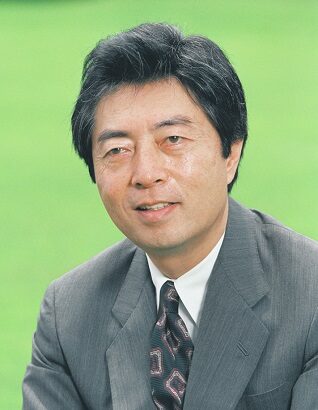 Morihiro Hosokawa (1993–1994)50th Prime Minister of Japan
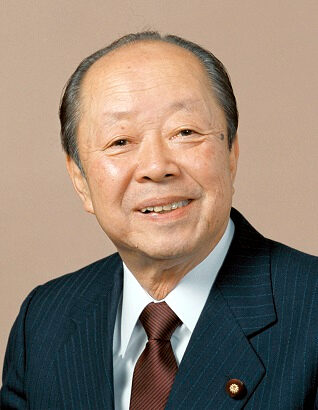 Kiichi Miyazawa (1991–1993)78th Prime Minister of Japan (1919–2007)
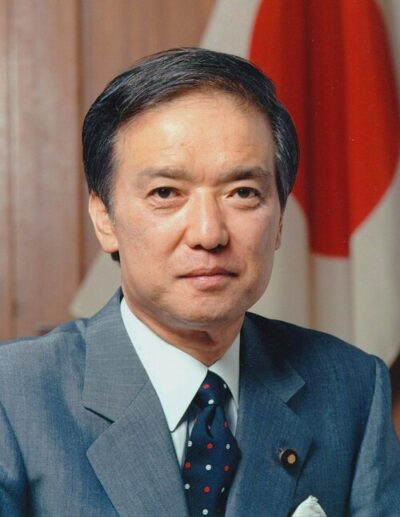 Toshiki Kaifu (1989–1991)Japanese politician (1931-2022)
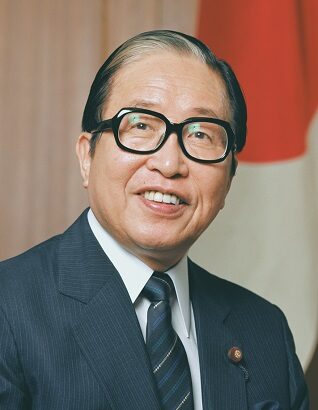 Sōsuke Uno (1989)75th Prime Minister of Japan (1922-1998)
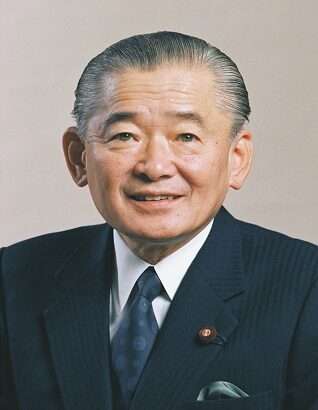 Noboru Takeshita (1987–1989)74th Prime Minister of Japan (1924-2000)
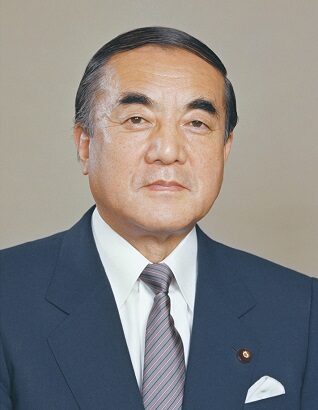 Yasuhiro Nakasone (1982–1987)Japanese politician (1918–2019)
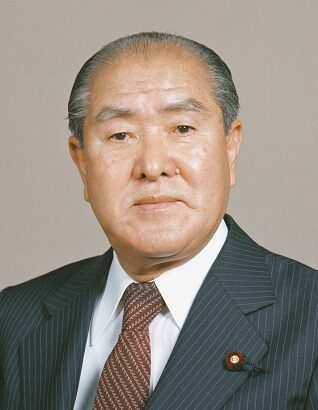 Zenkō Suzuki (1980–1982)Prime Minister of Japan (1911-2004)
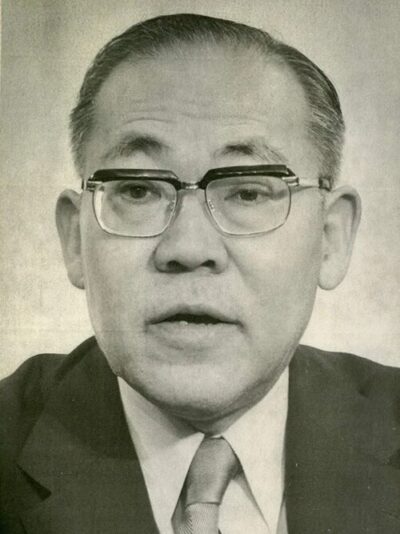 Masayoshi Ito (1980)Japanese politician (1913-1994)
and 44 more
