
Royal Fellow of the Royal Society
Royal Fellow of the Royal Society is a fellowship award. It is given by the Royal Society of London.
- Given by
- Royal Society of London
- Country
- United Kingdom
All 3 facts, and where they come from
Facts
3 facts · 0 confirmed by two sources · 0 cited · 3 from one source
Where this comes from
Papalocal keeps its own record. It started from these sources; what each one said is kept here as it was copied, so a change on their side never changes this page by itself. Tap one to read its version.
What Wikidata says · copied November 17, 2026 · revision 2461529194
- What it is
- fellowship award
- Country
- United Kingdom
- Given by
- Royal Society of London
- Wikipedias with a page
- 2
Wikidata item Q7374168 (wikidata.org/wiki/Q7374168), public domain (CC0). Copied 2026-11-17.
What Wikipedia says · copied November 17, 2026 · revision 1346109304
A Royal Fellow of the Royal Society is a member of the British royal family who has been elected a Fellow of the Royal Society. The council of the Royal Society recommends members of the Royal Family to be elected and then the existing Fellows vote by a secret ballot whether to accept them. The ballots have only a single box to tick supporting the measure; those opposing have to write "no" or otherwise mark or spoil the paper. As of 2022 the Patron was King Charles III, and Royal Fellows were:
The British Monarch is always the Patron of the Royal Society, regardless of whether he/she has been previously elected a Royal Fellow. Queen Elizabeth II was elected a Royal Fellow in 1947 before she acceded to the throne in 1952. Prince Philip, Duke of Edinburgh was not a Royal Fellow as he was elected under statute 12 in 1951.
From the Wikipedia article “Royal Fellow of the Royal Society” (en.wikipedia.org/wiki/Royal_Fellow_of_the_Royal_Society), by its contributors, under CC BY-SA 4.0 (creativecommons.org/licenses/by-sa/4.0/). Copied 2026-11-17; not changed.
Confirmed Two sources agree. Cited One source, and it names where it got it. One source One source, without a reference of its own. Sources disagree The sources disagree. We show the best-supported value and keep theirs below.
People connected 25
Won it 25
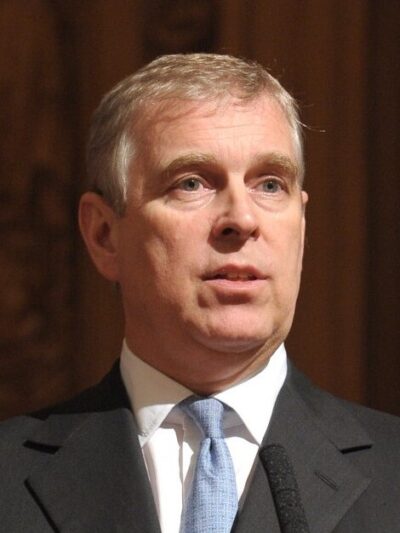 Andrew Mountbatten-Windsor (2013)third child of Queen Elizabeth II and Prince Philip, Duke of Edinburgh (born 1960)
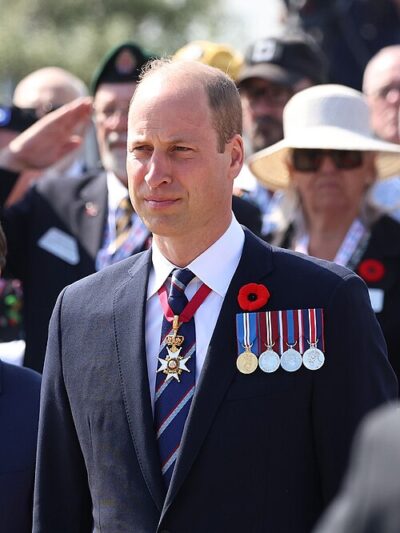 William, Prince of Wales (2009)heir apparent to the throne of the United Kingdom and 14 Commonwealth Realms
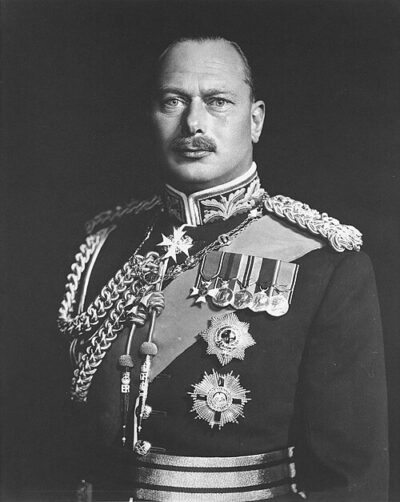 Prince Henry, Duke of Gloucester (1938)British soldier (1900–1974), Governor-General of Australia from 1945 to 1947
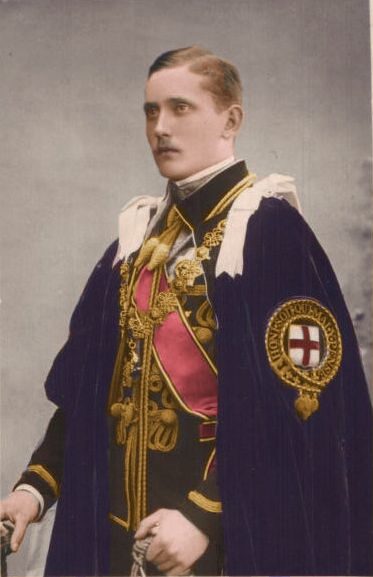 Prince Arthur of Connaught (1914)British prince (1883-1938)
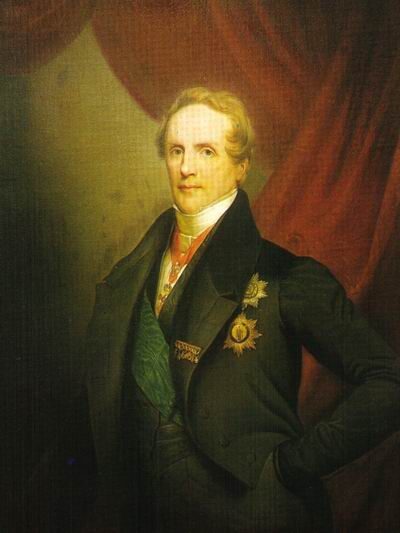 Friedrich August II of Saxony (1844)king of Saxony (1797–1854)
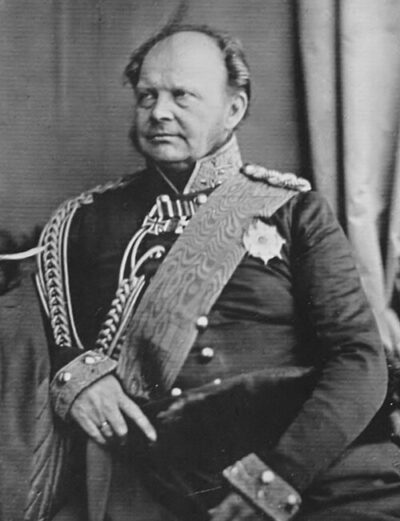 Frederick William IV of Prussia (1842)King of Prussia (1795–1861)
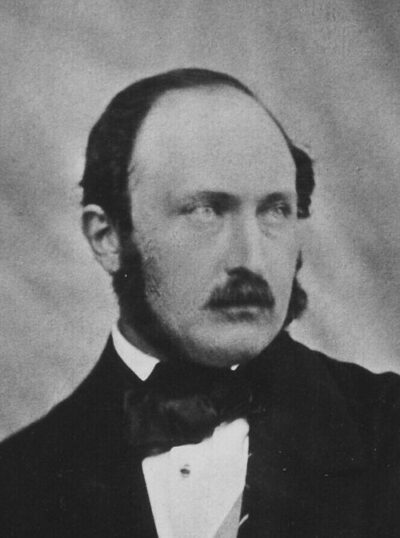 Prince Albert of Saxe-Coburg and Gotha (1840)Consort of Queen Victoria from 1840 to 1861 (1819–1861)
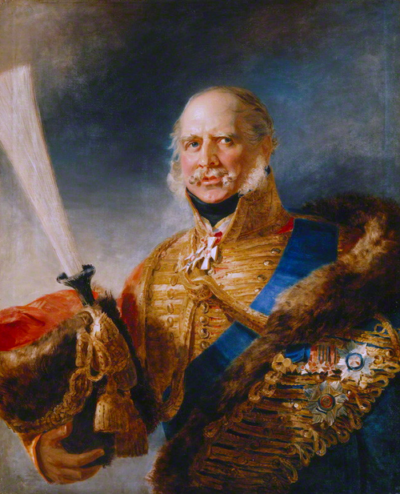 Ernest Augustus, King of Hanover (1828)King of Hanover from 1837 to 1851
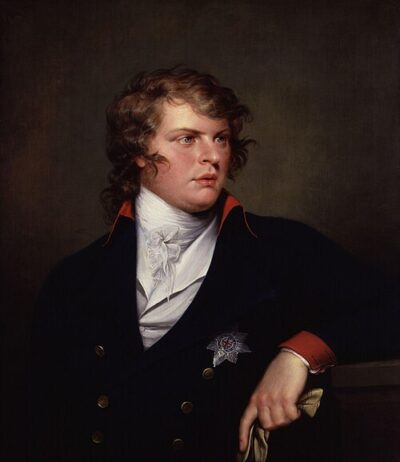 Prince Augustus Frederick, Duke of Sussex (1828)British prince (1773–1843)
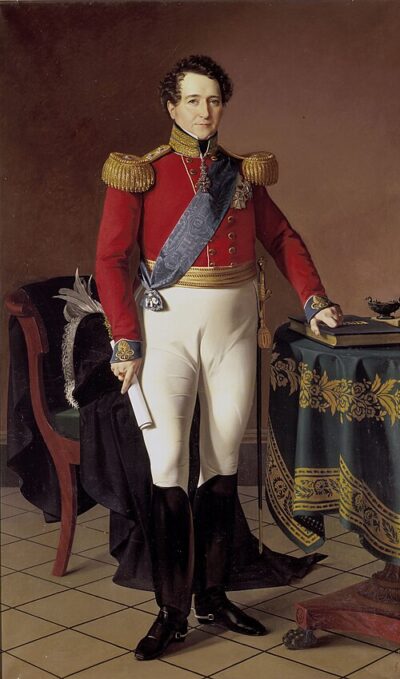 Christian VIII of Denmark (1822)King of Norway 1814, King of Denmark 1839-1848
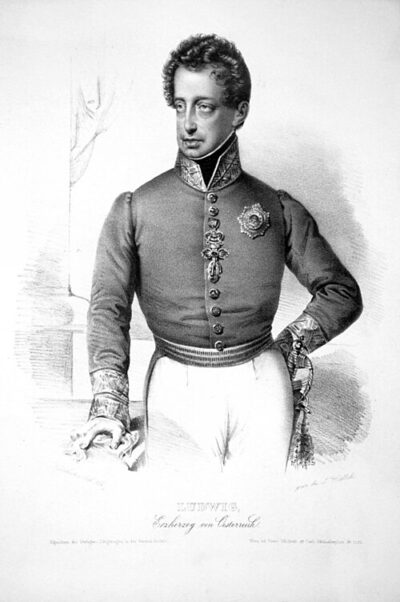 Louis of Austria (1816)Austrian archduke (1784–1864)
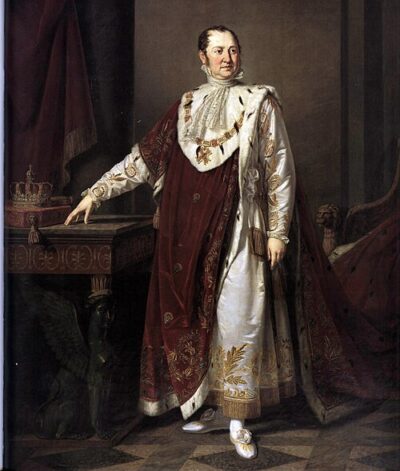 Maximilian I Joseph of Bavaria (1802)King of Bavaria
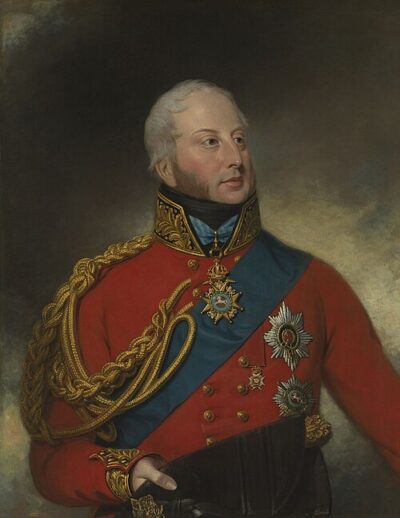 Prince William Frederick, Duke of Gloucester and Edinburgh (1797)British prince, nephew and son-in-law of George III; (1776-1834)
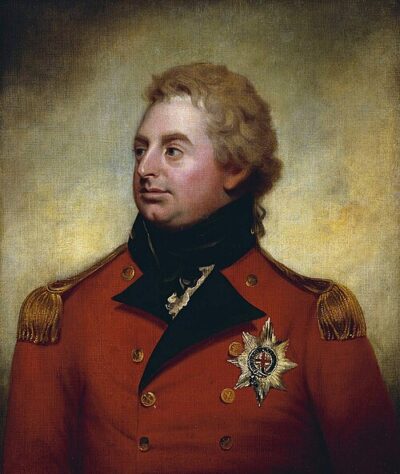 Prince Frederick, Duke of York and Albany (1789)British prince (1763-1827)
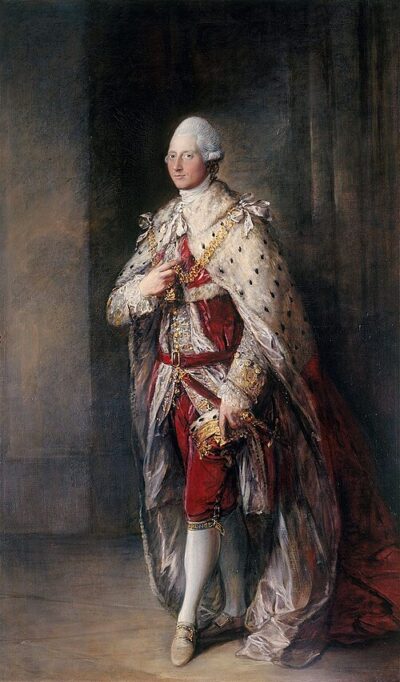 Prince Henry, Duke of Cumberland and Strathearn (1789)fourth son of Frederick, Prince of Wales (1745–1790)
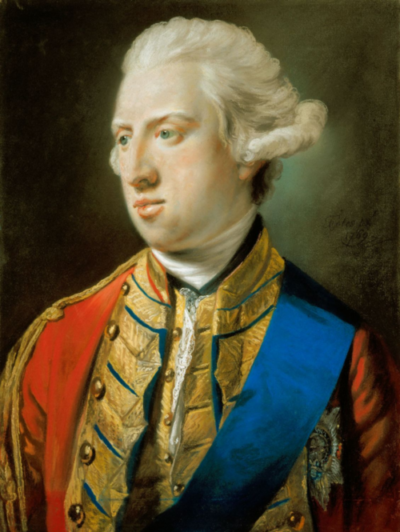 Prince William Henry, Duke of Gloucester and Edinburgh (1780)British duke and field marshal (1743-1805)
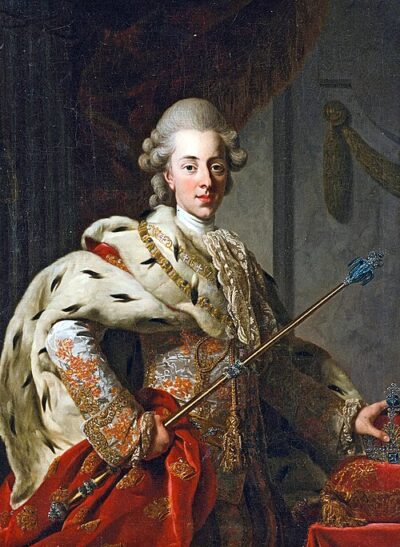 Christian VII of Denmark (1768)King of Denmark and Norway (1749–1808)
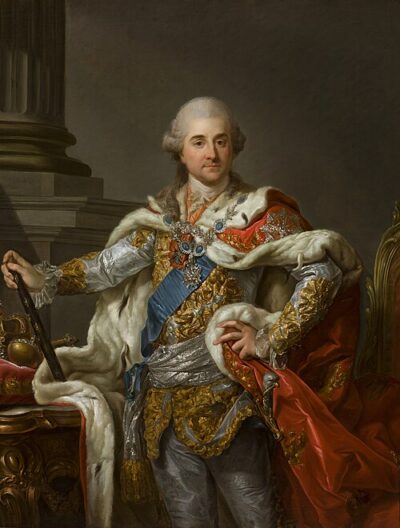 Stanisław August Poniatowski (1766)King of Poland and Grand Duke of Lithuania (1764-1795)
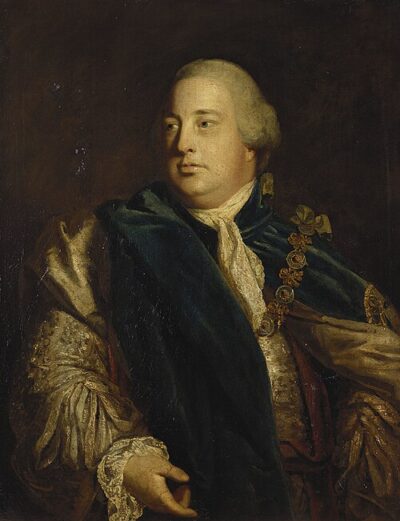 Prince William, Duke of Cumberland (1760)British Army general; (1721-1765)
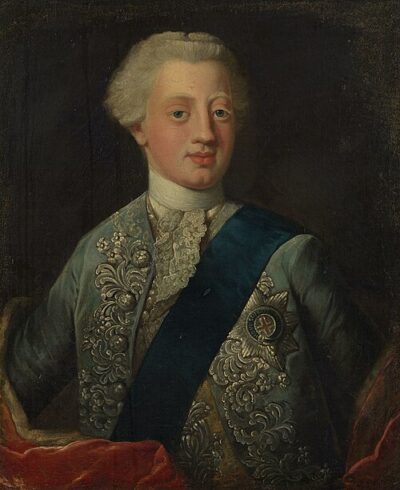 Prince Edward, Duke of York and Albany (1760)British prince
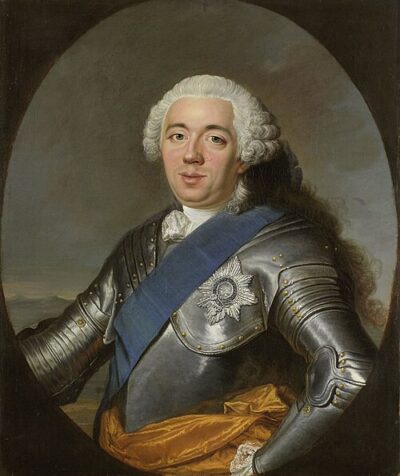 William IV, Prince of Orange (1734)hereditary stadtholder of the Netherlands (1711-1751)
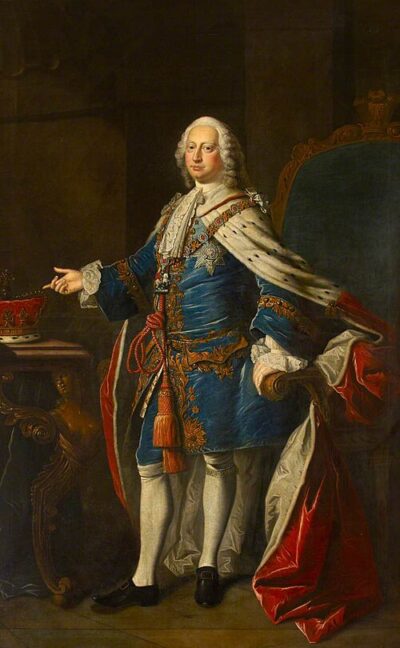 Frederick, Prince of Wales (1728)heir apparent to the British throne from 1727 until his death
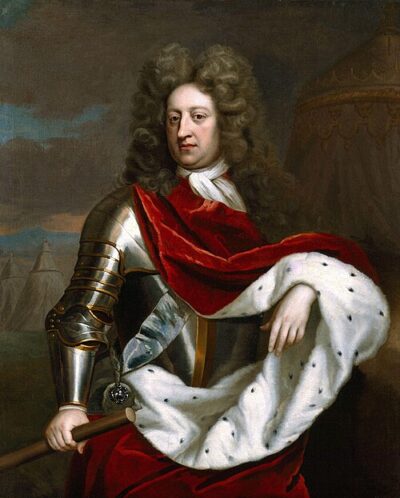 Prince George, Duke of Cumberland (1704)husband of Queen Anne, who reigned over Great Britain from 1702
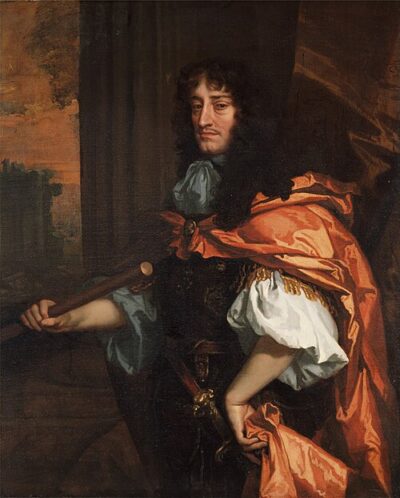 Prince Rupert of the Rhine (1665)English-German aristocrat, army officer, admiral, scientist, and colonial administrator (1619–1682)
and 1 more
