
United States Secretary of War
The United States Secretary of War is a former statutory office and the head of the U.S. War Department. It was created in 1789.
- Office of
- United States
- Country
- United States
- Created
- September 11, 1789
All 5 facts, and where they come from
Facts
5 facts · 0 confirmed by two sources · 0 cited · 5 from one source
Where this comes from
Papalocal keeps its own record. It started from these sources; what each one said is kept here as it was copied, so a change on their side never changes this page by itself. Tap one to read its version.
What Wikidata says · copied November 16, 2026 · revision 2570015386
- Described as
- former statutory office and the head of the U.S. War Department
- Other names
- Secretary of War, US Secretary of War
- What it is
- position
- Created
- September 11, 1789
- Ended
- September 19, 1947
- Country
- United States
- Office of
- United States
- Wikipedias with a page
- 26
Wikidata item Q2419102 (wikidata.org/wiki/Q2419102), public domain (CC0). Copied 2026-11-16.
What Wikipedia says · copied November 16, 2026 · revision 1382216728
The secretary of war was a member of the U.S. Cabinet, beginning with George Washington's administration. A similar position, called either "Secretary at War" or "Secretary of War", had been appointed to serve the Congress of the Confederation under the Articles of Confederation between 1781 and 1789. Benjamin Lincoln and later Henry Knox held the position. When Washington was inaugurated as the first president under the Constitution, he appointed Knox to continue serving as secretary of war.
The secretary of war was the head of the War Department. At first, he was responsible for the United States Army and the Navy. In 1798, the secretary of the Navy was created by statute, and the scope of responsibility for the War Department was reduced to the Army. From 1886 onward, the secretary of war was in the line of succession to the presidency, after the vice president of the United States, the speaker of the House of Representatives, the president pro tempore of the Senate and the secretary of state.
In 1947, with the passing of the National Security Act of 1947, the secretary of war was replaced by the secretary of the Army and the secretary of the Air Force and a new secretary, the secretary of defense, was created for coordination of the services. Since 1949, the service secretaries, Army, Air Force, and Navy, have been non-Cabinet subordinates under the secretary of defense. The secretary of the Army's office is generally considered the direct successor to the secretary of war's office, with the new secretary of defense taking the secretaries of war and navy positions in the Cabinet, and the line of succession to the presidency.
From the Wikipedia article “United States Secretary of War” (en.wikipedia.org/wiki/United_States_Secretary_of_War), by its contributors, under CC BY-SA 4.0 (creativecommons.org/licenses/by-sa/4.0/). Copied 2026-11-16; not changed.
Confirmed Two sources agree. Cited One source, and it names where it got it. One source One source, without a reference of its own. Sources disagree The sources disagree. We show the best-supported value and keep theirs below.
Picture: Wikimedia Commons · Public domain
People connected 42
Held this office 42
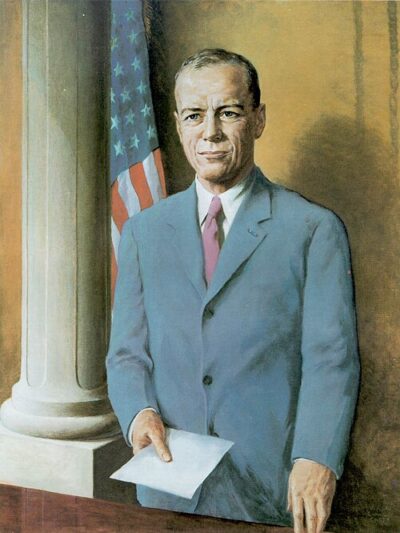 Robert P. Patterson (1945–1947)American federal judge, Undersecretary of War, later Secretary of War (1891-1952)
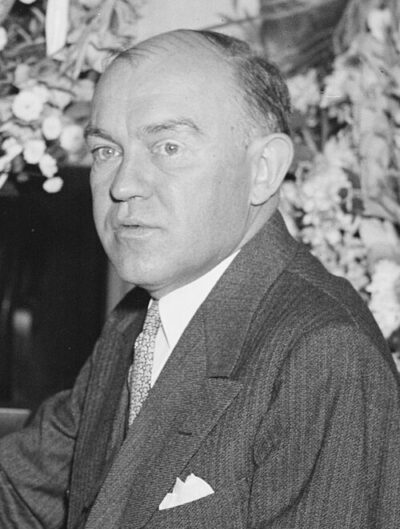 Harry Hines Woodring (1936–1940)American politician (1890-1967)
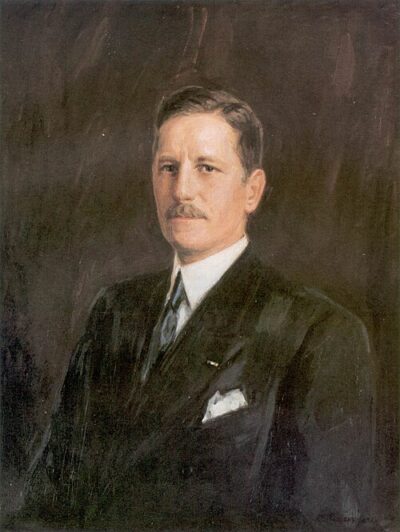 Patrick J. Hurley (1929–1933)politician (1883-1963)
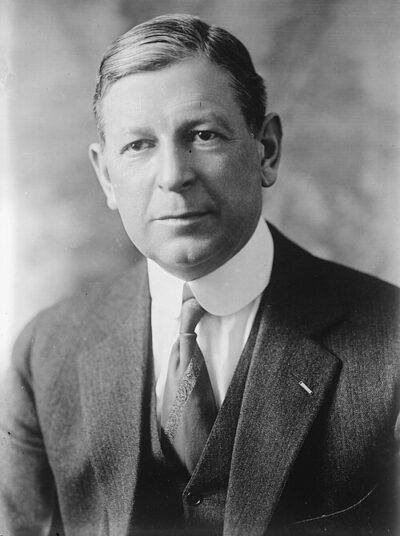 Dwight Filley Davis Sr. (1925–1929)American politician and tennis player (1879–1945)
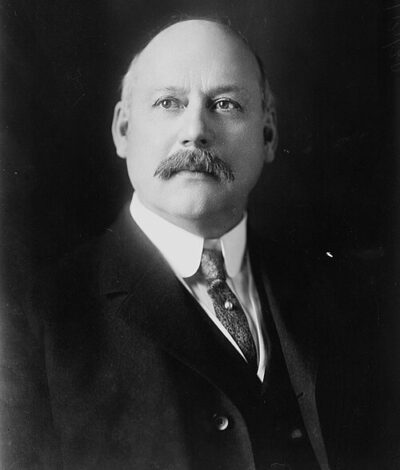 John W. Weeks (1921–1925)American politician (1860-1926)
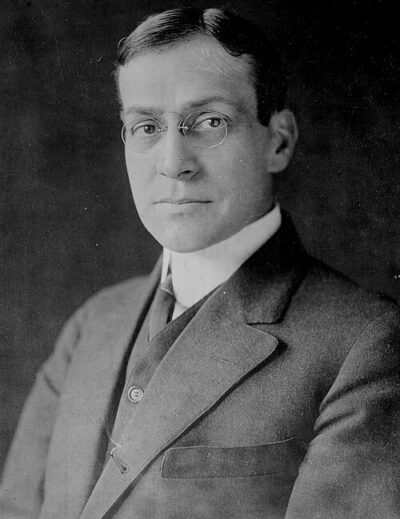 Newton Diehl Baker Jr. (1916–1921)American politician (1871–1937)
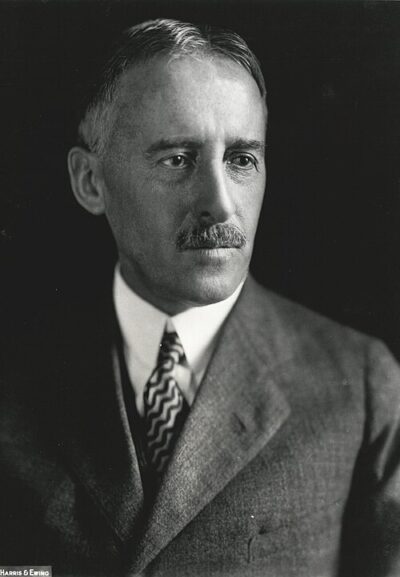 Henry L. Stimson (1911–1945)United States Secretary of War (1867-1950)
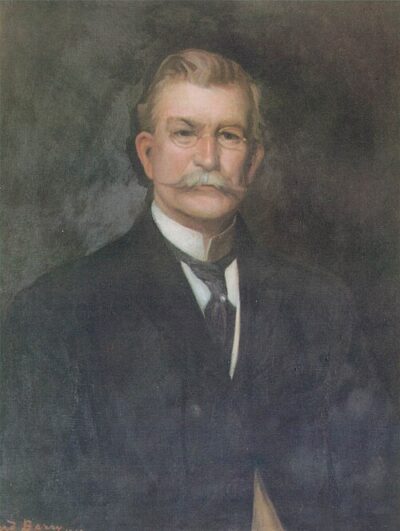 Luke Edward Wright (1908–1909)United States politician and diplomat (1846–1922)
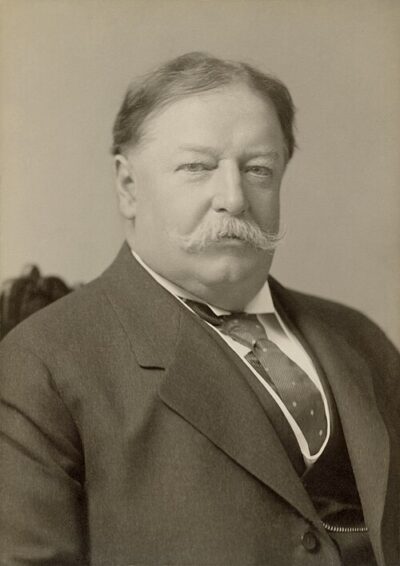 William Howard Taft (1904–1908)27th President of the United States from 1909 to 1913 (1857–1930)
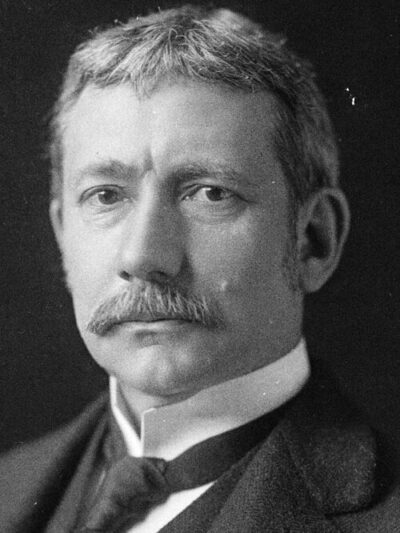 Elihu Root (1899–1904)American politician (1845-1937)
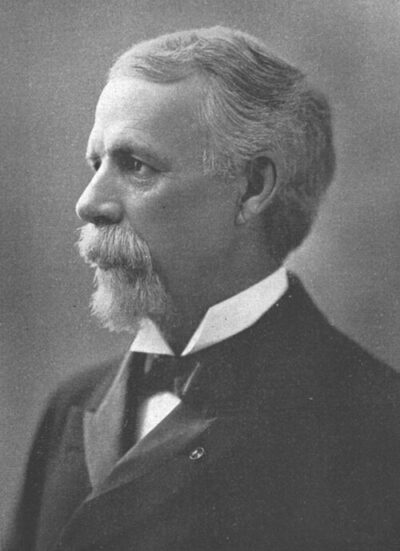 Russell Alexander Alger (1897–1899)Union Army general (1836-1907)
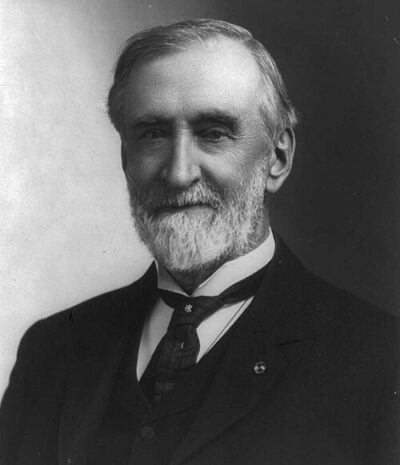 Redfield Proctor (1889–1891)American politician (1831-1908)
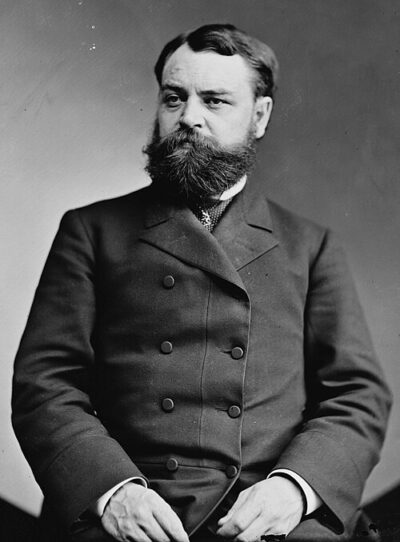 Robert Todd Lincoln (1881–1885)Union Army officer, U.S. ambassador, and Secretary of War (1843–1926)
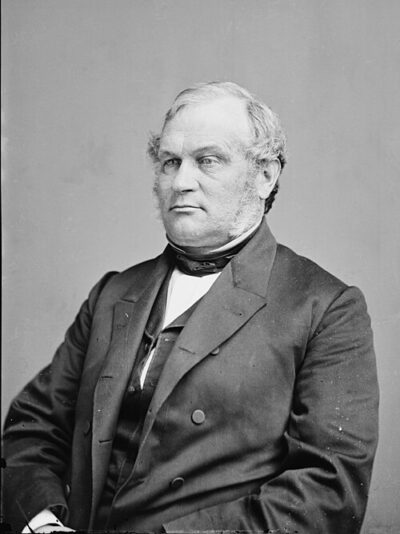 Alexander Ramsey (1879–1881)American politician (1815-1903)
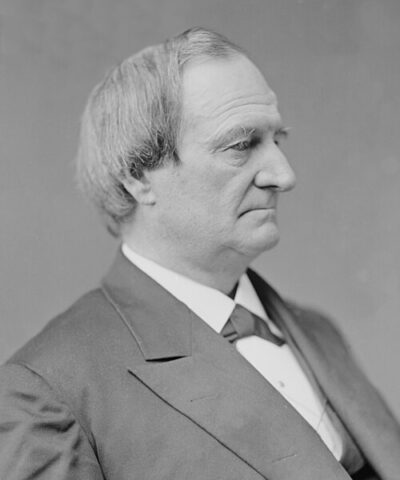 Alphonso Taft (1876)American diplomat (1810–1891)
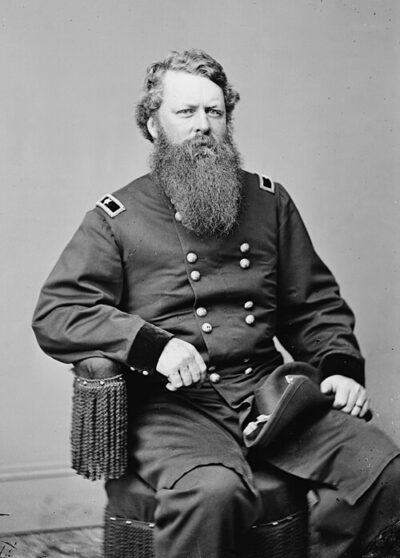 William W. Belknap (1869–1876)Union Army general (1829-1890)
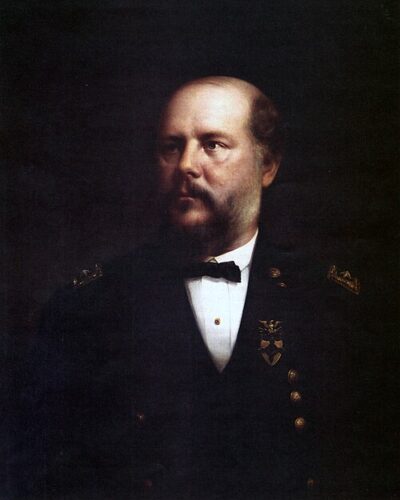 John Schofield (1868–1869)United States Army Medal of Honor recipient and Union Army general (1831–1906)
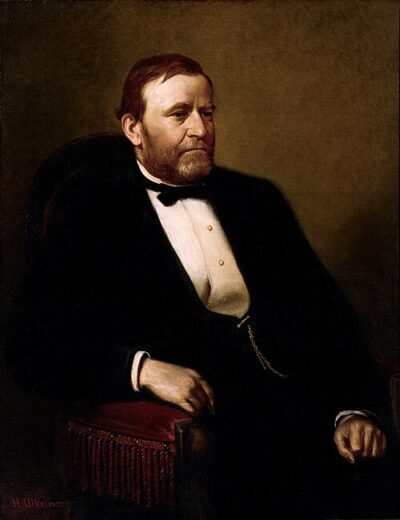 Ulysses S. Grant (1867–1868)president of the United States from 1869 to 1877
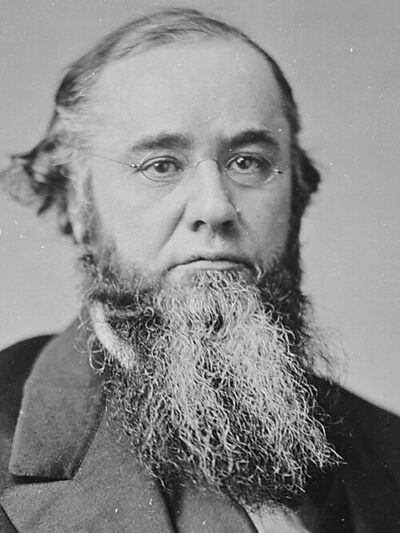 Edwin M. Stanton (1862–1868)American lawyer and politician (1814–1869)
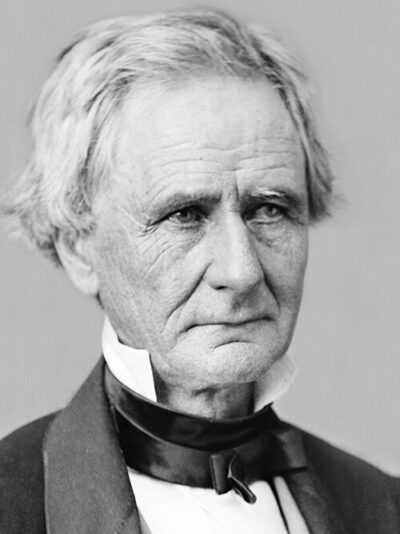 Simon Cameron (1861–1862)American businessman and politician (1799–1889)
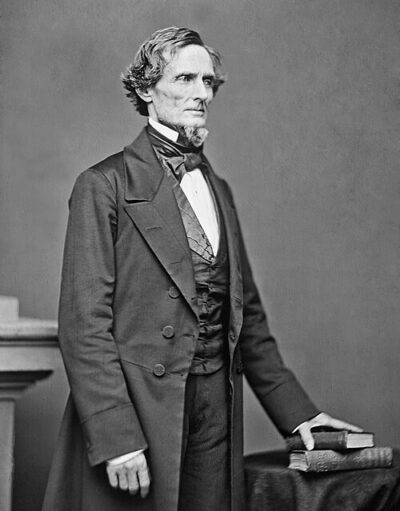 Jefferson Davis (1853–1857)President of the Confederate States from 1861 to 1865 (1808–1889)
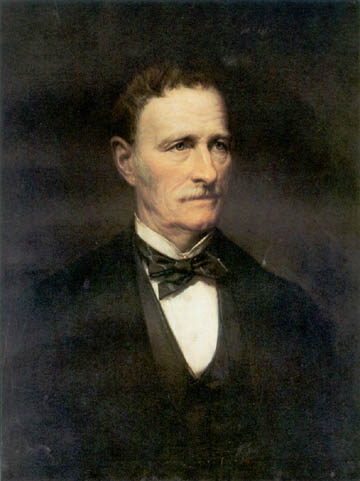 Charles Magill Conrad (1850–1853)American politician (1804–1878)
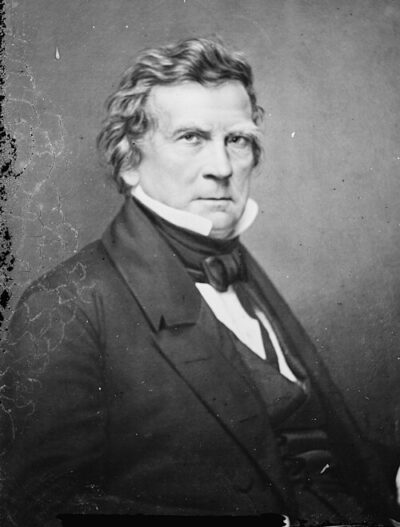 William L. Marcy (1845–1849)American politician (1786-1857)
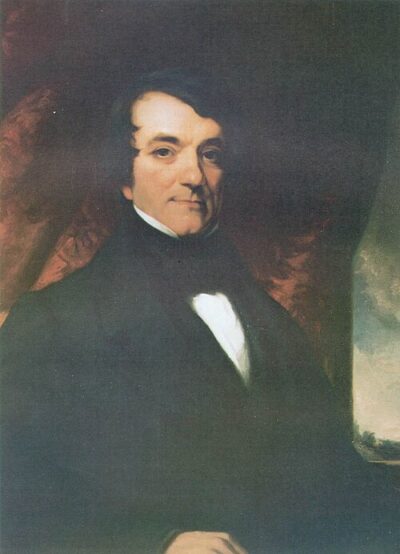 John C. Spencer (1841–1843)American politician (1788-1855)
and 18 more
