
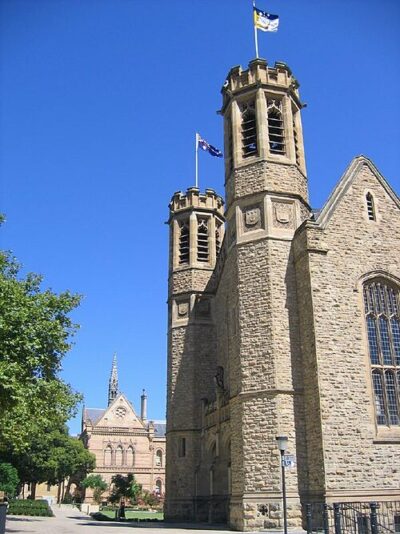
University of Adelaide
The University of Adelaide is a former university in South Australia, disestablished 2026. It was founded in 1874 by Walter Hughes. Its headquarters are in Mitchell Building. It has 3,645 employees (2024). 25,000 students study there (2011).
- Located in
- South Australia
- Country
- Australia (1901–)
- Founded
- 1874
- Students
- 25,000 (2011)
- What it is
- closed educational institution
All 13 facts, and where they come from
Facts
13 facts · 0 confirmed by two sources · 4 cited · 9 from one source
Where this comes from
Papalocal keeps its own record. It started from these sources; what each one said is kept here as it was copied, so a change on their side never changes this page by itself. Tap one to read its version.
What Wikidata says · copied November 16, 2026 · revision 2548371885
- Described as
- former university in South Australia, disestablished 2026
- Other names
- The University of Adelaide
- What it is
- closed educational institution; nonprofit organization · 1 reference
- Founded
- 1874
- Ended
- March 31, 2026 · 1 reference
- Founded by
- Walter Hughes
- Headquarters
- Mitchell Building (–2026) · 1 reference
- Located in
- South Australia · 1 reference
- Country
- Australia (1901–); United Kingdom of Great Britain and Ireland (–1901)
- Chair
- Kevin Scarce (2014–)
- Employees
- 3,636 (2023) · 1 reference
- Students
- 25,000 (2011)
- Named after
- Adelaide
- Wikipedias with a page
- 34
Wikidata item Q15574 (wikidata.org/wiki/Q15574), public domain (CC0). Copied 2026-11-16.
What Wikipedia says · copied November 16, 2026 · revision 1383448845
The University of Adelaide (UofA) was a public research university based in Adelaide, South Australia. Established in 1874, it was the third-oldest university in Australia. Its main campus in the Adelaide city centre included many sandstone buildings of historical and architectural significance, such as Bonython Hall. Its royal charter awarded by Queen Victoria in 1881 allowed it to become the second university in the English-speaking world to confer degrees to women. On 5 January 2026, it merged with the neighbouring University of South Australia to form Adelaide University. The antecedent institutions were formally disestablished after 31 March 2026, when both the University of Adelaide Act 1971 and University of South Australia Act 1990 were repealed.
The university was founded at the former Royal South Australian Society of Arts by the Union College and studies were initially conducted at its Institute Building. The society was also the original birthplace of the South Australian Institute of Technology as the School of Mines and Industries. The institute later became the University of South Australia during the Dawkins Revolution following a merger with an advanced college dating back to the School of Art, also founded at the society. The two universities, which then accounted for approximately three-quarters of the state's public university population, agreed to merge in mid-2023. This combined institution was established as Adelaide University
(previously a colloquial name for the existing university), with the merged university having been established in 2024 and formally opened in 2026.
The university had four campuses, three in South Australia: its main North Terrace campus in central Adelaide, the Waite campus in Urrbrae, a regional campus in Roseworthy and a study centre in Melbourne, Victoria. Its academic activities were organised into three faculties, which were subdivided into numerous teaching schools. It also had several research subdivisions. In 2023, the university had a total revenue of A$1.13 billion, with A$334.15 million from research grants and funding. It was a member of the Group of Eight, an association of research-intensive universities in Australia, and the Association of Pacific Rim Universities.
Notable alumni of the university included the first female prime minister of Australia, two presidents of Singapore, the first astronaut born in Australia and the first demonstrator of nuclear fusion. It was also associated with five Nobel laureates, constituting one-third of Australia's total Nobel laureates, 117 Rhodes scholars and 168 Fulbright scholars. It had a significant impact on the public life of South Australia, having educated many of the state's earliest businesspeople, lawyers, medical professionals and politicians. It had also been associated with the development of penicillin, space exploration, sunscreen, the military tank, Wi-Fi, polymer banknotes and X-ray crystallography, and the study of viticulture and oenology.
From the Wikipedia article “University of Adelaide” (en.wikipedia.org/wiki/University_of_Adelaide), by its contributors, under CC BY-SA 4.0 (creativecommons.org/licenses/by-sa/4.0/). Copied 2026-11-16; not changed.
Confirmed Two sources agree. Cited One source, and it names where it got it. One source One source, without a reference of its own. Sources disagree The sources disagree. We show the best-supported value and keep theirs below.
Picture: Bram Souffreau, via Wikimedia Commons · CC BY-SA 2.0
People connected 25
Studied here
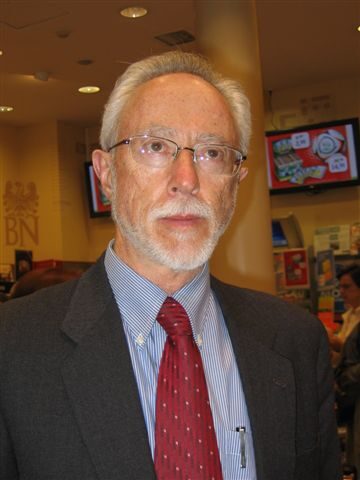 J. M. CoetzeeSouth African and Australian writer and scholar (born 1940)
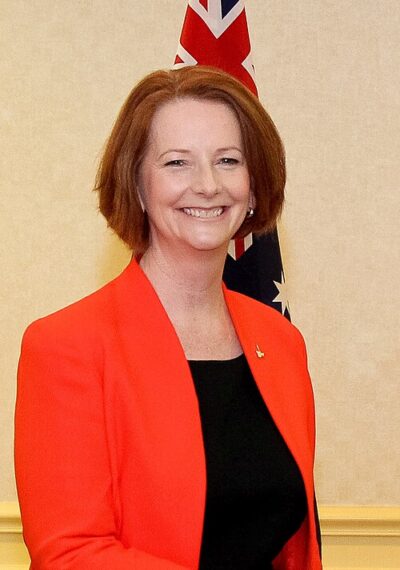 Julia GillardPrime Minister of Australia from 2010 to 2013
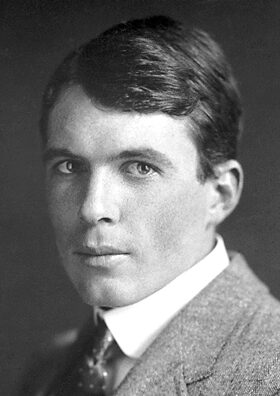 William Lawrence BraggAustralian-born British physicist and X-ray crystallographer
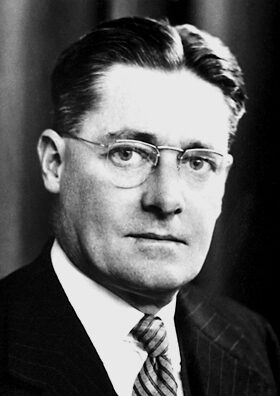 Howard FloreyAustralian pathologist (1898-1968)
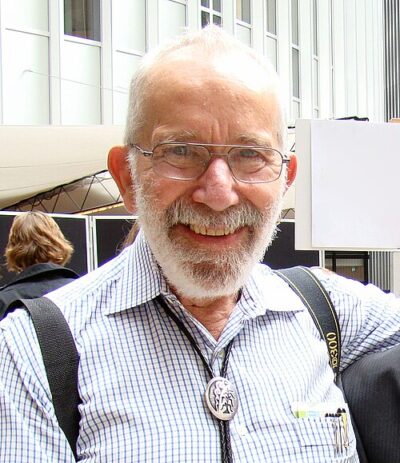 Robin WarrenAustralian microbiologist and Nobel Laureate (1937–2024)
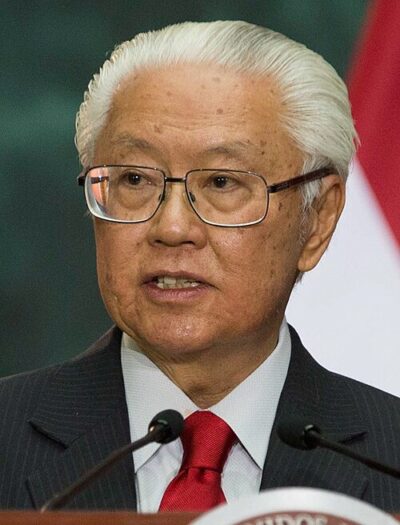 Tony Tan Keng Yam7th President of Singapore
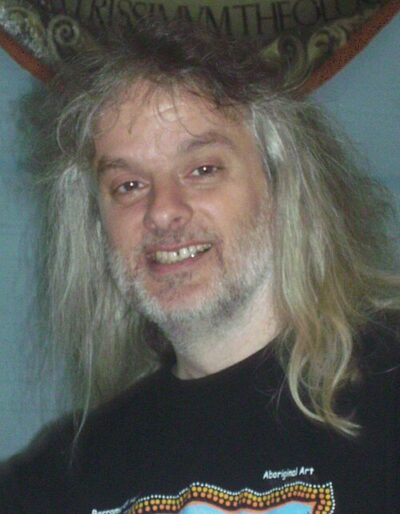 David ChalmersAustralian philosopher and cognitive scientist
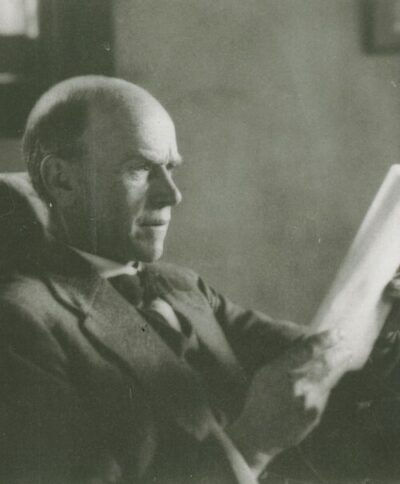 Elton MayoAustralian psychologist and sociologist
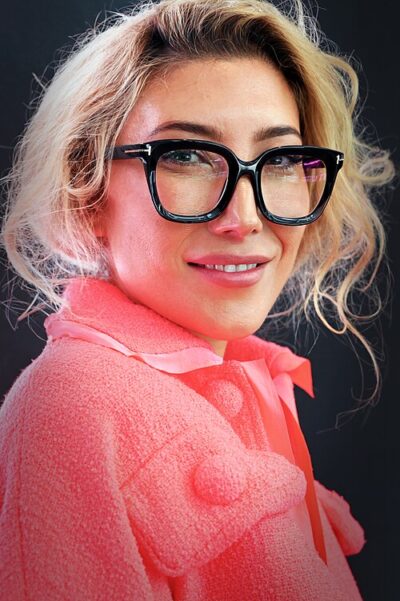 Dichen LachmanAustralian actress
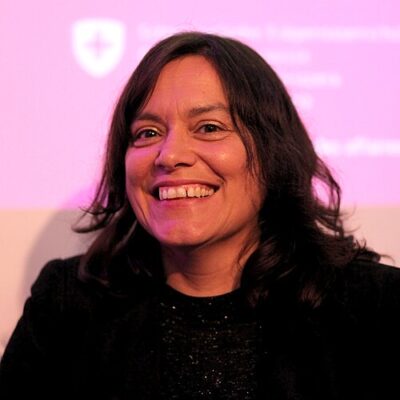 Sara AhmedBritish-Australian scholar (born 1969)
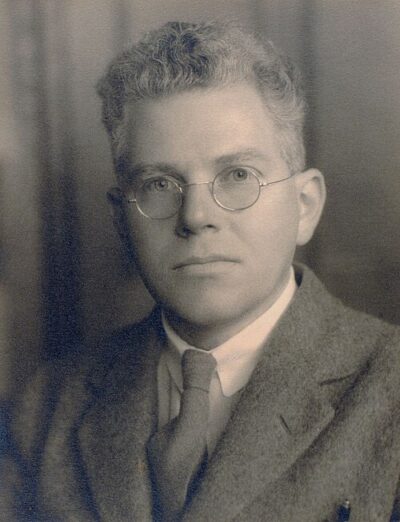 Mark Oliphant (–1922)nuclear physicist, Governor of South Australia (1901–2000)
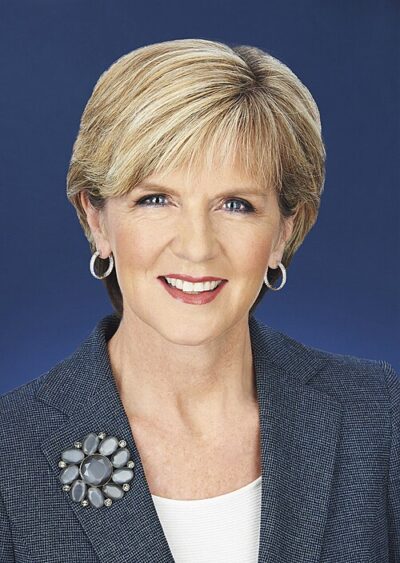 Julie BishopAustralian politician
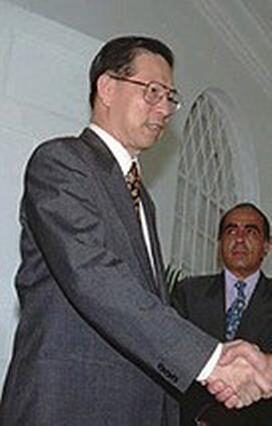 Ong Teng Cheong5th President of Singapore (1936–2002)
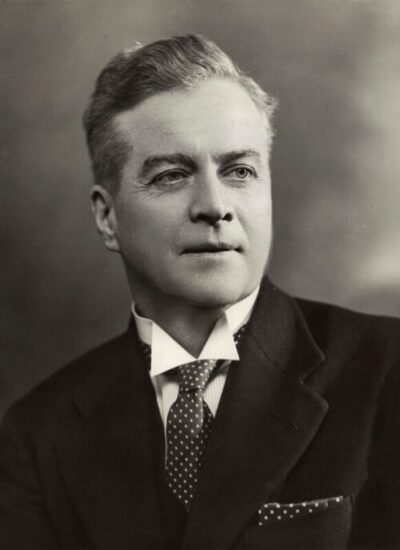 Lionel LogueAustralian speech and language pathologist; speech therapist (1880-1953)
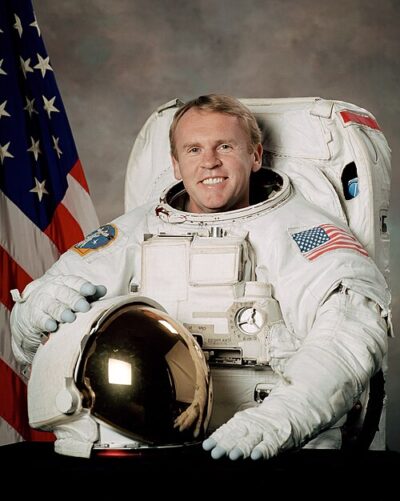 Andy ThomasAustralian astronaut
 Penny WongAustralian politician
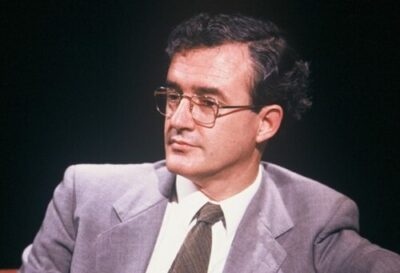 John FinnisAustralian legal scholar and philosopher
Worked here
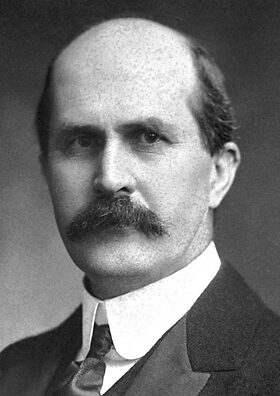 William Henry BraggBritish scientist (1862–1942)
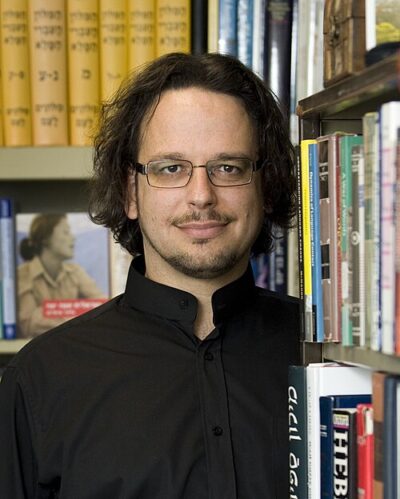 Ghil'ad Zuckermann (2011–)Linguist, language revivalist, professor, author, hyperpolyglot
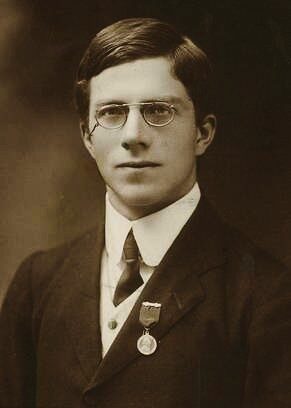 Ronald Fisher (1959–1962)British statistician, evolutionary biologist and geneticist (1890–1962)
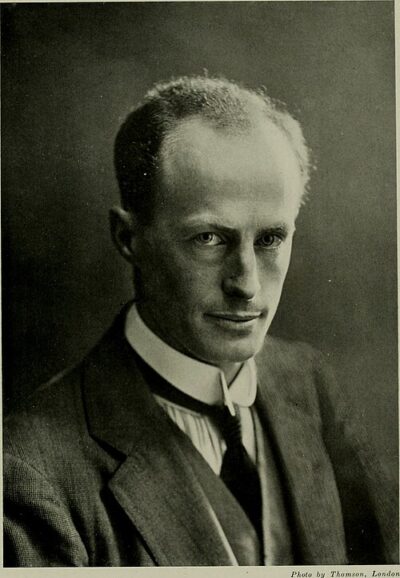 Douglas MawsonAustralian geologist and explorer of the Antarctic (1882-1958)
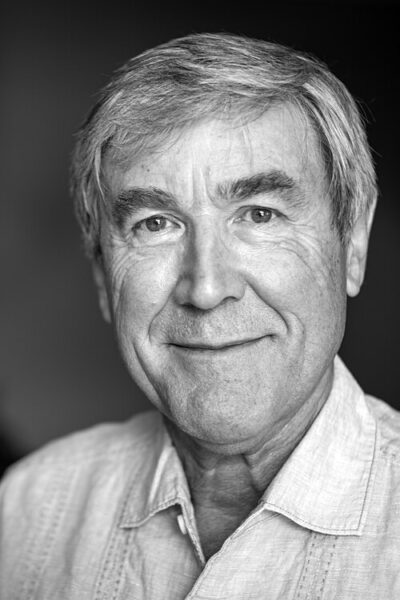 Paul DaviesBritish physicist (1946-)
- Mark Oliphantnuclear physicist, Governor of South Australia (1901–2000)
 Tim FlanneryAustralian scientist and global warming activist
 Horace Lamb (1875–1885)English mathematician (*1849 – †1934)
- JJ. J. C. SmartAustralian philosopher and academic (1920–2012)
