
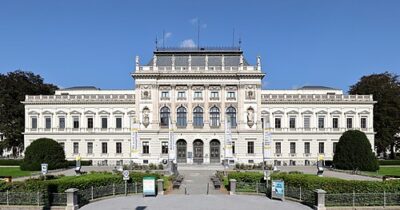
University of Graz
The University of Graz is a university in Graz, Austria. It was founded in 1585. Its headquarters are in the Main building of the University of Graz. 32,230 students study there (2018).
- Located in
- Graz
- Country
- Austria
- Founded
- 1585
- Students
- 32,230 (2018)
- What it is
- university
All 8 facts, and where they come from
Facts
8 facts · 0 confirmed by two sources · 3 cited · 5 from one source
Where this comes from
Papalocal keeps its own record. It started from these sources; what each one said is kept here as it was copied, so a change on their side never changes this page by itself. Tap one to read its version.
What Wikidata says · copied November 16, 2026 · revision 2522839954
- Described as
- university in Graz, Austria
- Other names
- Carolo Franciscea Graecensis, Karl Franzens Universität, uni-graz.at
- What it is
- university; open-access publisher · 1 reference
- Founded
- 1585
- Headquarters
- Main building of the University of Graz
- Located in
- Graz · 1 reference
- Country
- Austria · 2 references
- Students
- 31,347 (2017) · 1 reference
- Official website
- https://www.uni-graz.at/de/
- Wikipedias with a page
- 53
Wikidata item Q622683 (wikidata.org/wiki/Q622683), public domain (CC0). Copied 2026-11-16.
What Wikipedia says · copied November 16, 2026 · revision 1381204648
The University of Graz (German: Universität Graz, formerly: Karl-Franzens-Universität Graz) in Graz is the largest public research university in Styria and the second oldest university in Austria. Its name is derived from Archduke Charles II of Inner Austria and Francis I of Austria. The University of Graz was founded on 1 January 1585.
The Faculty of Medicine was spun off as the Medical University of Graz on 1 January 2004, under the University Act 2002.
From the Wikipedia article “University of Graz” (en.wikipedia.org/wiki/University_of_Graz), by its contributors, under CC BY-SA 4.0 (creativecommons.org/licenses/by-sa/4.0/). Copied 2026-11-16; not changed.
Confirmed Two sources agree. Cited One source, and it names where it got it. One source One source, without a reference of its own. Sources disagree The sources disagree. We show the best-supported value and keep theirs below.
Picture: C.Stadler/Bwag, via Wikimedia Commons · CC BY-SA 4.0
People connected 56
Studied here 36
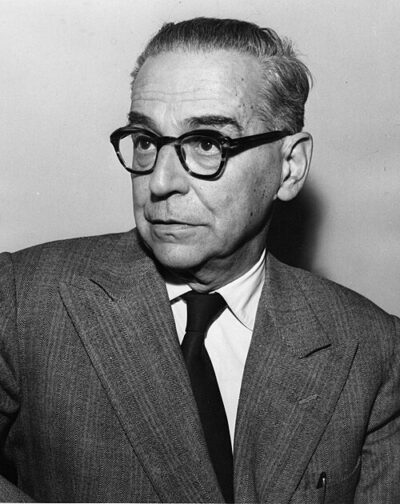 Ivo Andrić (1924–)Yugoslav novelist (1892–1975)
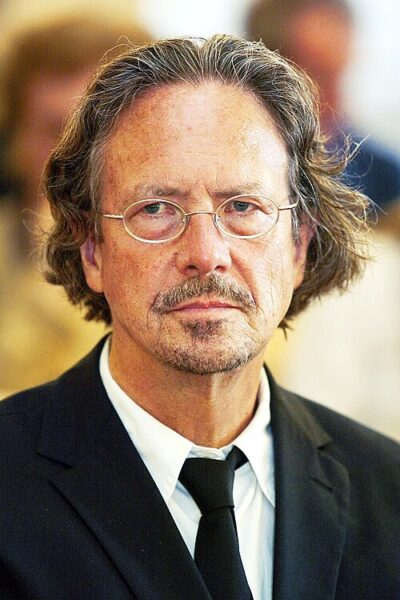 Peter HandkeAustrian writer, playwright and film director (born 1942)
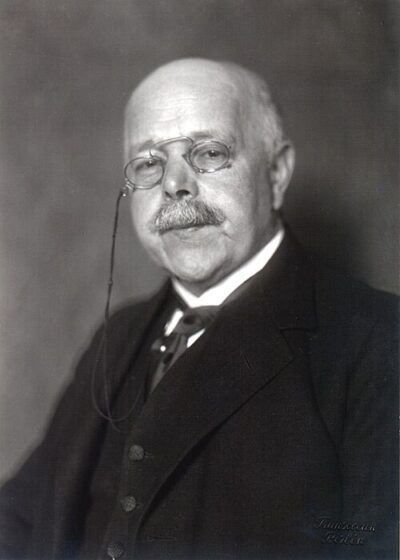 Walther Hermann Nernst (1886–)German physical chemist and physicist (1864–1941)
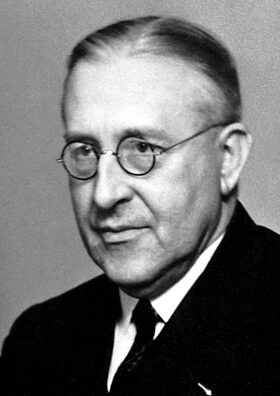 Victor Francis HessAustrian physicist and Nobel prize laureate (1883-1964)
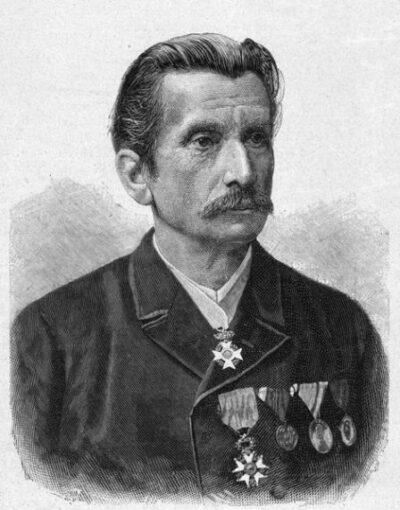 Leopold von Sacher-Masoch (–1854)Austrian author (1836–1895)
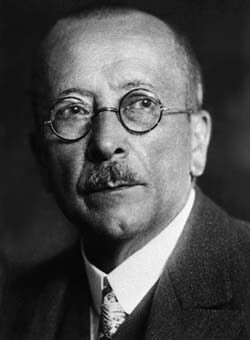 Fritz PreglSlovene-Austrian Nobel prize laureate and scientist (1869-1930)
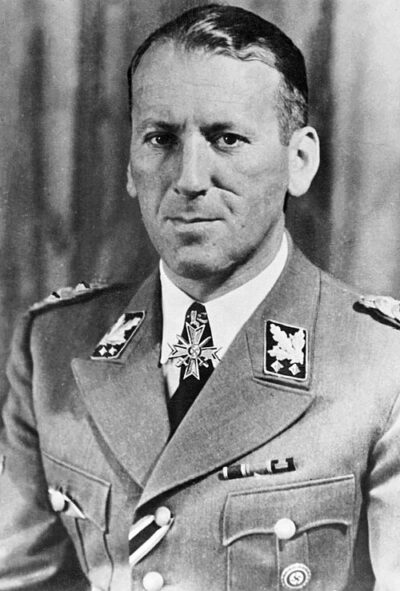 Ernst KaltenbrunnerAustrian SS official, a major perpetrator of the Holocaust and convicted war criminal (1903-1946)
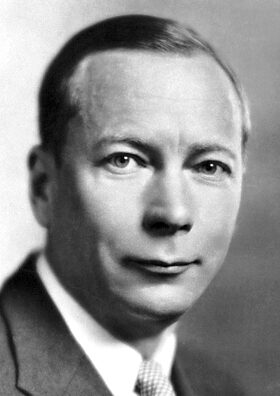 Henrik DamDanish biochemist and physiologist (1895-1976)
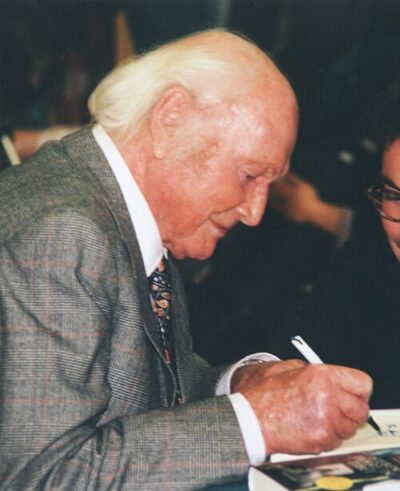 Heinrich HarrerAustrian mountaineer and author (1912–2006)
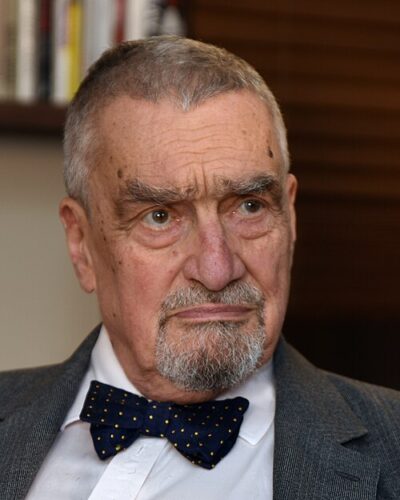 Karel SchwarzenbergCzech politician, minister of foreign affairs and vice prime minister (1937–2023)
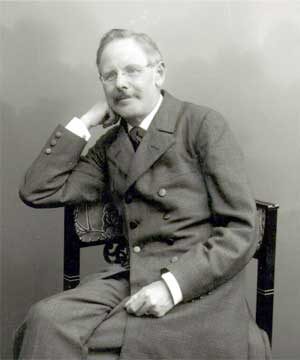 Peter RoseggerAustrian poet and writer (1843-1918)
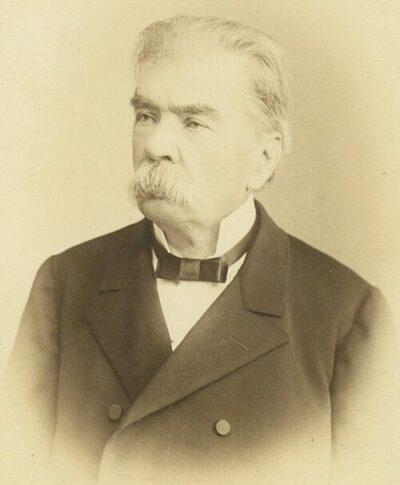 Franz MiklosichAustrian member of Empire parliament (Austria empire), lawyer and university educator (1813-1891)
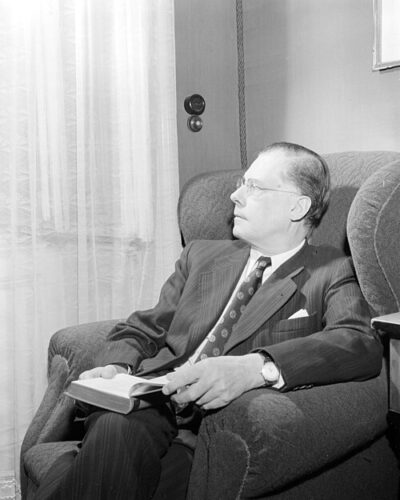 Karl BöhmAustrian conductor (1894-1981)
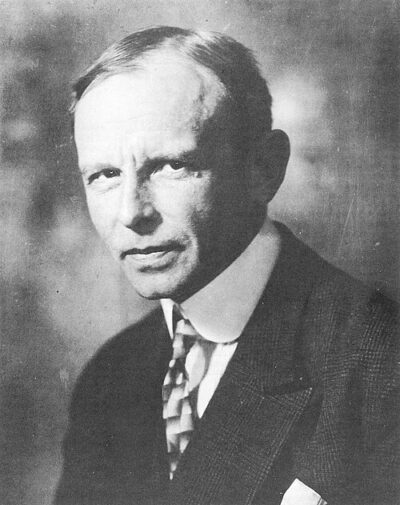 Karl von TerzaghiAustrian geotechnical engineer known as the "father of soil mechanics" (1883–1963)
- MMarlen HaushoferAustrian writer (1920–1970)
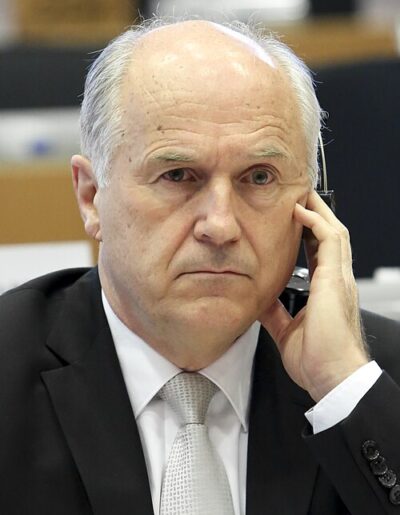 Valentin InzkoAustrian diplomat
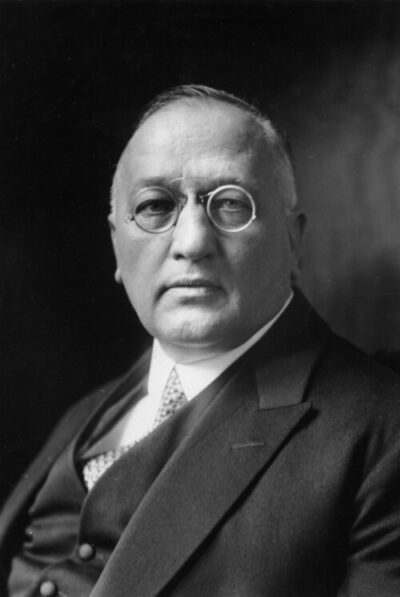 Anton KorošecAustrian member of Austrian empire council (1872-1940)
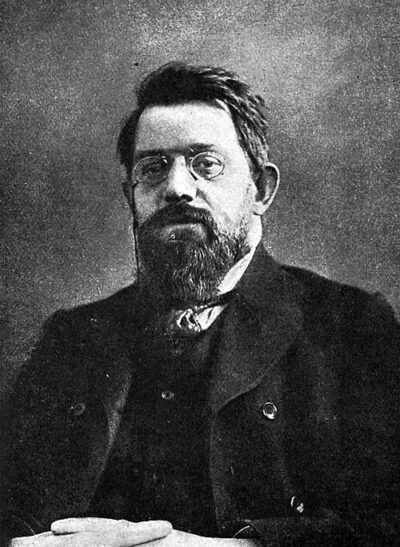 Peter StruveRussian journalist (1870–1944)
- OOtto E. Neugebauer (1919–1921)Austrian-American mathematician (1899–1990)
 Otto GrossAustrian psychoanalyst (1877-1920)
 Count Anton Alexander von AuerspergAustrian poet and politician (1806-1876)
 Archbishop Ieronimos II of AthensArchbishop of Athens (2008- )
 Alfons GorbachAustrian politician (1898-1972)
 Marko KrizinCroatian priest, martyr and saint
and 12 more
Worked here 26
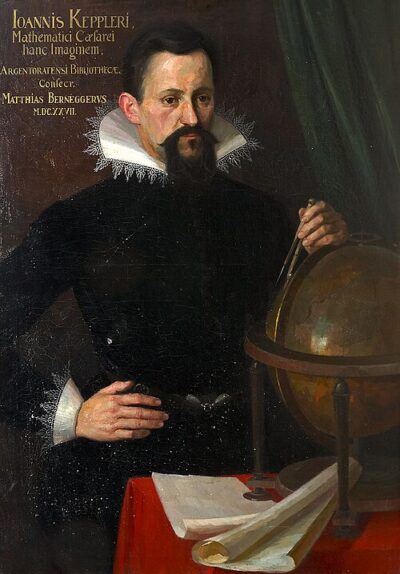 Johannes KeplerGerman mathematician and astronomer (1571–1630)
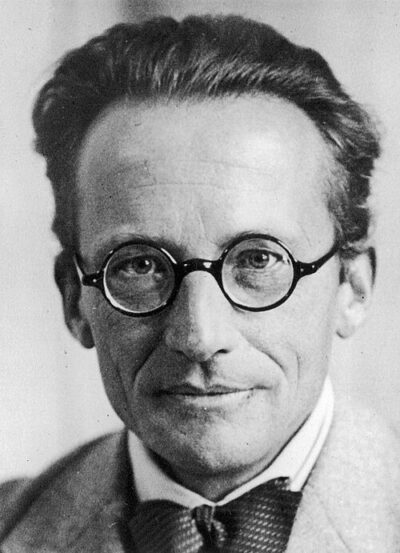 Erwin SchrödingerAustrian physicist (1887–1961)
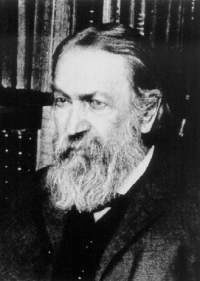 Ernst MachAustrian physicist (1838–1916)
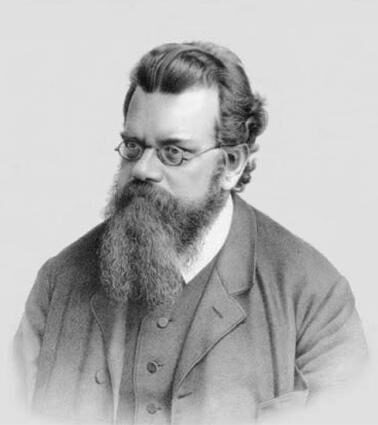 Ludwig Boltzmann (1869–1890)Austrian physicist and philosopher (1844–1906)
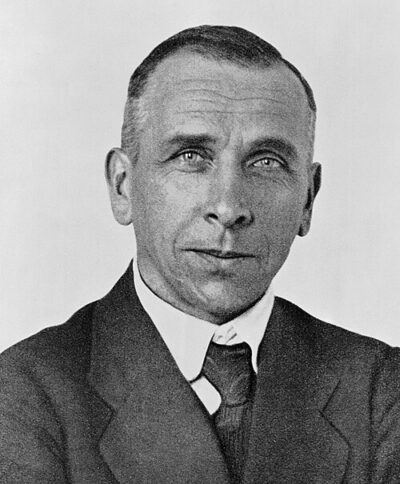 Alfred WegenerGerman climatologist and geophysicist (1880–1930)
- Victor Francis HessAustrian physicist and Nobel prize laureate (1883-1964)
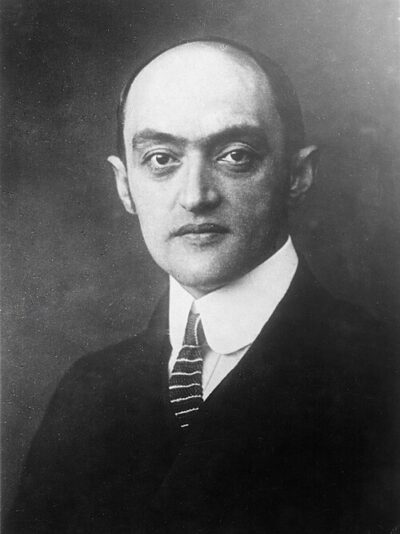 Joseph SchumpeterAustrian political economist (1883–1950)
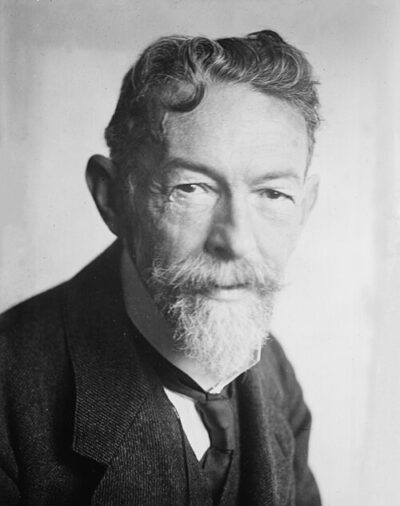 Richard Adolf ZsigmondyAustrian chemist (1865-1929)
- Leopold von Sacher-MasochAustrian author (1836–1895)
- Fritz PreglSlovene-Austrian Nobel prize laureate and scientist (1869-1930)
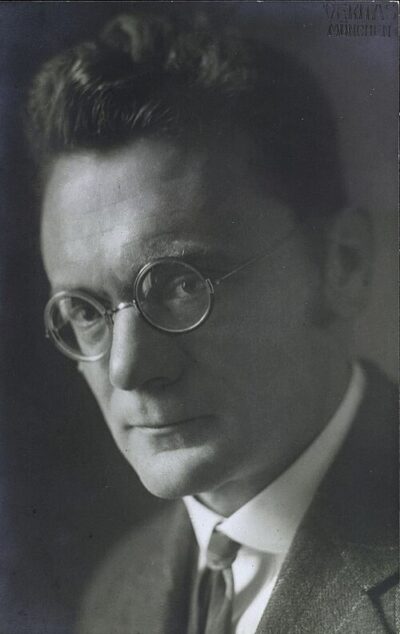 Karl von Frisch (–1950)German-Austrian ethologist (1886-1982)
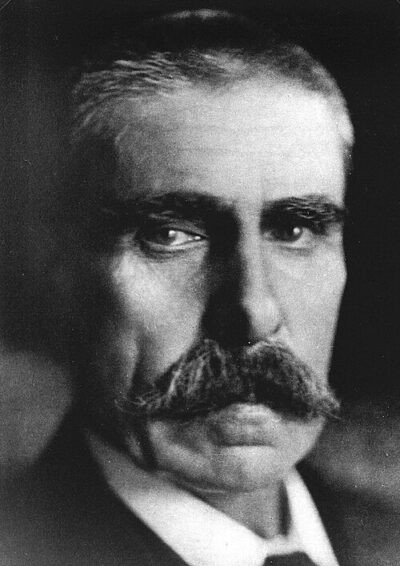 Julius Wagner-JaureggAustrian doctor, Nobel prize laureate and psychiatrist (1857–1940)
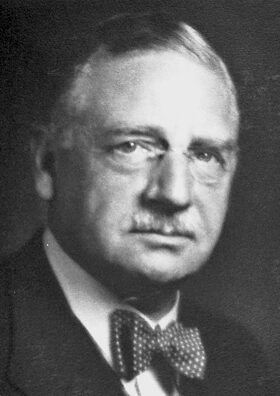 Otto LoewiJewish-German pharmacologist
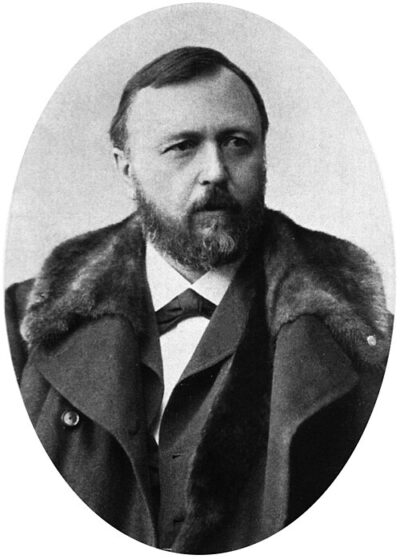 Richard von Krafft-Ebing (1873–)Austrian neurologist, psychiatrist, and nobleman (1840–1902)
- Franz MiklosichAustrian member of Empire parliament (Austria empire), lawyer and university educator (1813-1891)
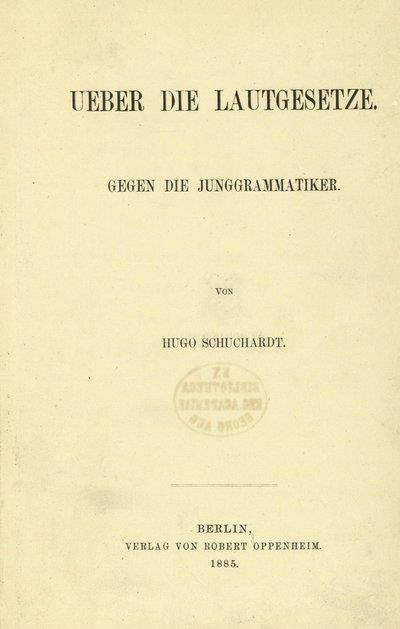 Hugo SchuchardtGerman linguist (1842-1927)
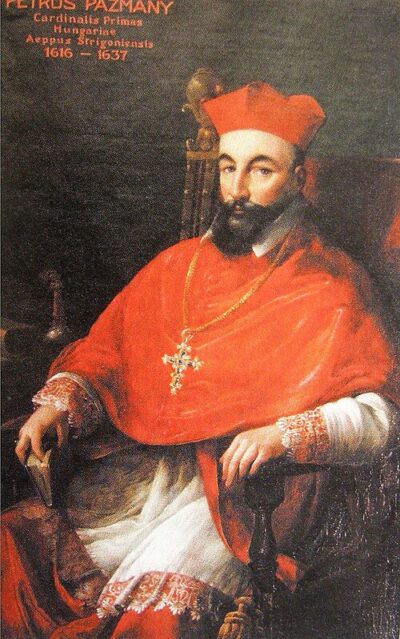 Péter PázmányHungarian Catholic cardinal, theologian and statesman (1570–1637)
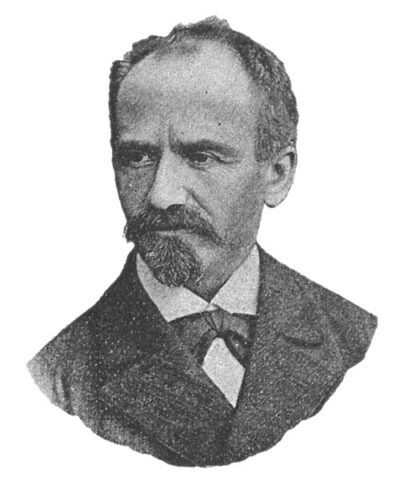 Ludwig GumplowiczPolish sociologist (1838–1909)
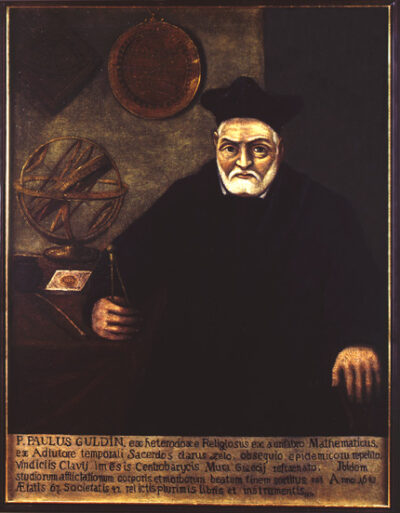 Paul Guldin (1637–1643)Swiss mathematician and astronomer
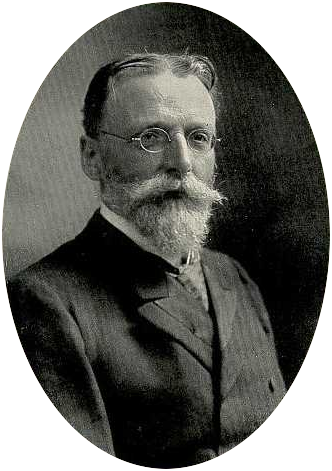 Theodor EscherichAustrian doctor (1857–1911)
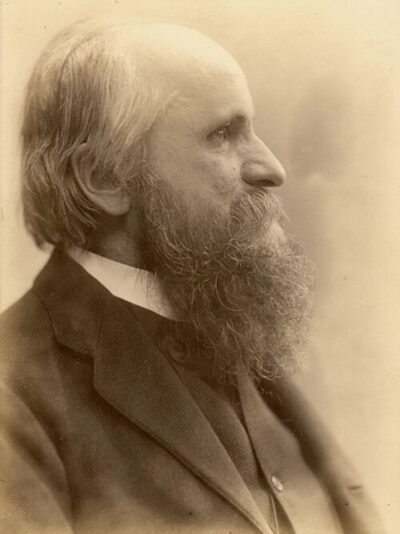 Alexius MeinongAustrian philosopher (1853–1920)
 Alois HudalRoman Catholic Bishop, Nazi supporter and anti-Semite of Austrian descent
 Johannes Schmidt (1873–)German philologist, Indo-European linguist and university lecturer (1843–1901)
 Hans GrossAustrian jurist (1847-1915)
and 2 more
