
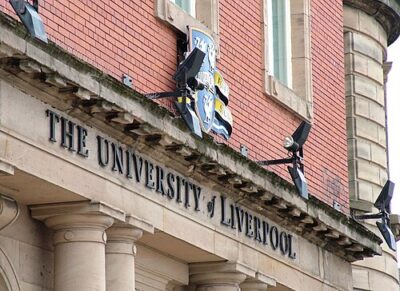
University of Liverpool
The University of Liverpool is a university in Liverpool, United Kingdom. It was founded in 1903. 28,693 students study there (2020).
- Located in
- Liverpool
- Country
- United Kingdom
- Founded
- 1903
- Students
- 28,693 (2020)
- What it is
- public university
All 8 facts, and where they come from
Facts
8 facts · 0 confirmed by two sources · 2 cited · 6 from one source
Where this comes from
Papalocal keeps its own record. It started from these sources; what each one said is kept here as it was copied, so a change on their side never changes this page by itself. Tap one to read its version.
What Wikidata says · copied November 16, 2026 · revision 2539804702
- Described as
- university in Liverpool, United Kingdom
- Other names
- The University of Liverpool, University Of Liverpool, Liverpool University
- What it is
- public university · 1 reference; educational organization · 1 reference
- Founded
- 1903
- Headquarters
- Liverpool
- Located in
- Liverpool · 1 reference
- Country
- United Kingdom · 2 references
- Students
- 26,859 (2017) · 1 reference
- Official website
- https://liverpool.ac.uk/ · 1 reference
- Wikipedias with a page
- 53
Wikidata item Q499510 (wikidata.org/wiki/Q499510), public domain (CC0). Copied 2026-11-16.
What Wikipedia says · copied November 16, 2026 · revision 1383077039
The University of Liverpool (abbreviated UOL) is a public research university in Liverpool, England. Founded in 1881 as University College Liverpool and affiliated with Victoria University in 1884, it received a royal charter from King Edward VII in 1903, thereby attaining the authority to award degrees independently. The university holds and operates assets on the National Heritage List, such as the Liverpool Royal Infirmary (origins in 1749), the Ness Botanic Gardens, and the Victoria Gallery & Museum.
Organised into three faculties divided by 35 schools and departments, the university offers more than 230 first degree courses across 103 subjects. It is a founding member of the Russell Group, and the research intensive association of universities in Northern England, the N8 Group. The phrase "redbrick university" was inspired by the Victoria Building; thus, the university claims to be the original redbrick university, and uses it in its brand tagline.
Liverpool is the first UK university to establish departments in oceanography, civic design, architecture, and biochemistry (at the Johnston Laboratories, now re-named Department of Biochemistry, Cell and Systems Biology, University of Liverpool), and also the first to establish an independent university campus in Suzhou, China, known as Xi'an Jiaotong–Liverpool University. The university also founded the University of Liverpool Mathematics School, a specialist A-level maths school, located on the university campus. The university launched a second international campus in Bengaluru, India. The university has the ninth-largest endowment of any university in the UK, and in 2024/25, it had an income of £722.9 million, of which £126.2 million was from research grants and contracts, with an expenditure of £723.5 million.
As of 2024, the university holds four academic fellows of the Academy of Social Sciences and one of the British Academy. Ten Nobel Prize laureates have been affiliated with the University of Liverpool as alumni or academic staff, with notable alumni leading fields in medicine, law, business, engineering, the arts, politics, and technology. Graduates of the university are styled with the post-nominal letters, Lpool, to indicate the institution.
From the Wikipedia article “University of Liverpool” (en.wikipedia.org/wiki/University_of_Liverpool), by its contributors, under CC BY-SA 4.0 (creativecommons.org/licenses/by-sa/4.0/). Copied 2026-11-16; not changed.
Confirmed Two sources agree. Cited One source, and it names where it got it. One source One source, without a reference of its own. Sources disagree The sources disagree. We show the best-supported value and keep theirs below.
Picture: User:Chowells, via Wikimedia Commons · CC BY-SA 3.0
People connected 41
Studied here 30
 Edward SnowdenAmerican whistleblower and former NSA contractor (born 1983)
 Charles Glover BarklaEnglish physicist (1877-1944)
 Har Gobind KhoranaIndian-American molecular biologist (1922-2011)
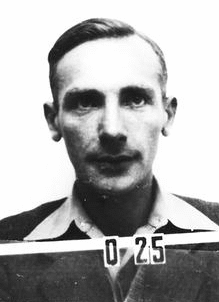 Joseph Rotblat (–1950)Polish-born British-naturalised physicist
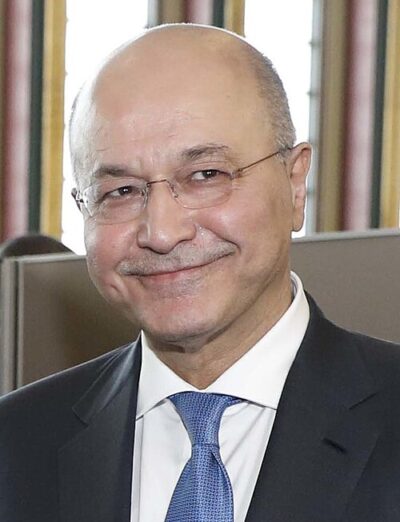 Barham SalihPresident of Iraq (2018-2022)
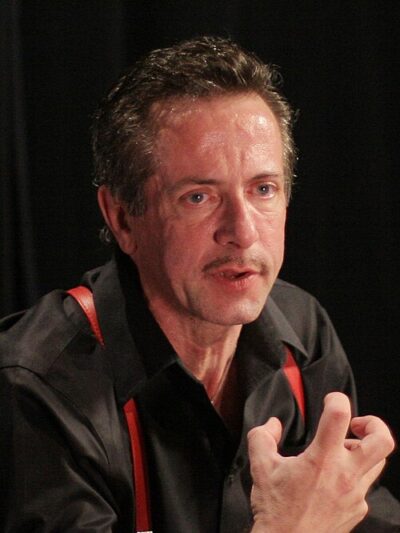 Clive BarkerEnglish author, film director, and visual artist (born 1952) (74 years)
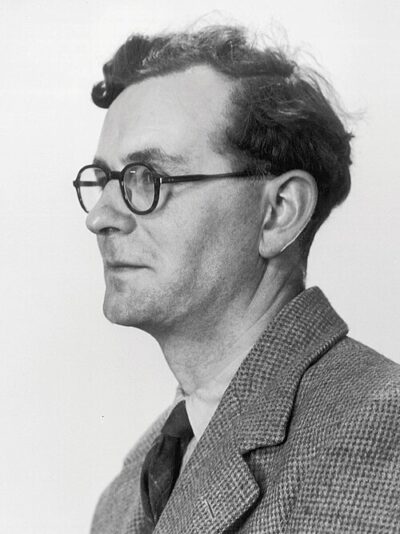 Rodney Robert PorterEnglish biochemist and Nobel laureate (1917–1985)
- OOlaf StapledonBritish novelist and philosopher (1886–1950)
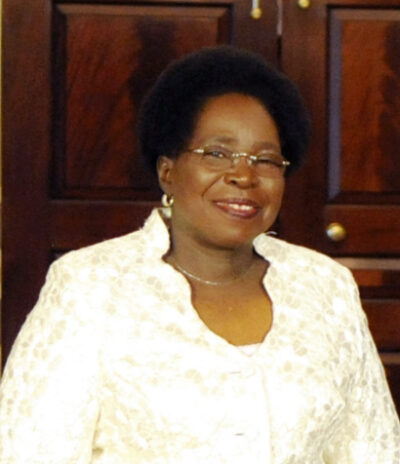 Nkosazana Dlamini-ZumaSouth African politician
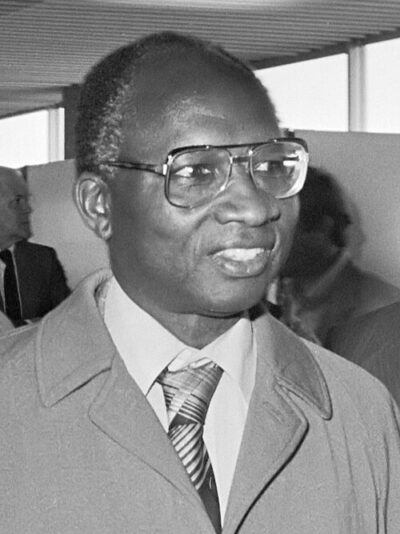 Dawda Kairaba Jawara1st President of the Gambia (1924-2019)
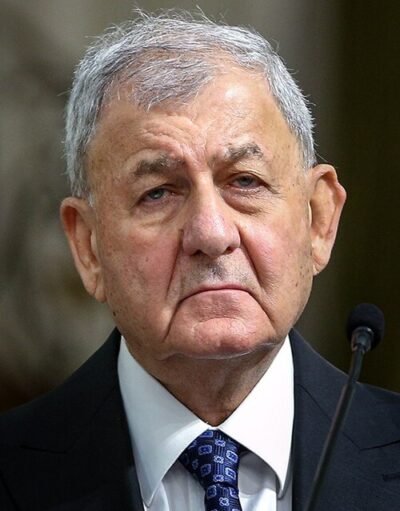 Abdul Latif Rashidpresident of Iraq since 2022
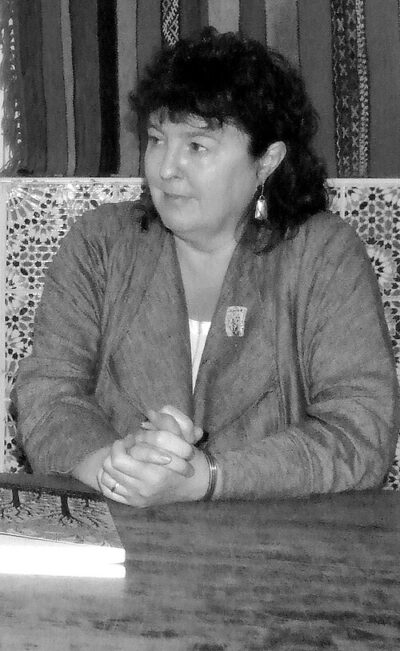 Carol Ann Duffy (–1977)Scottish poet and playwright (born 1955)
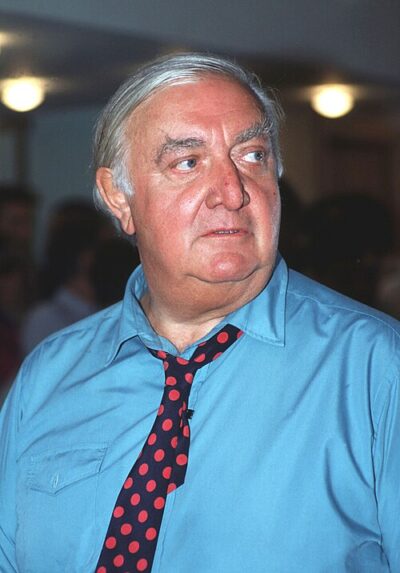 James StirlingEnglish architect (1926–1992)
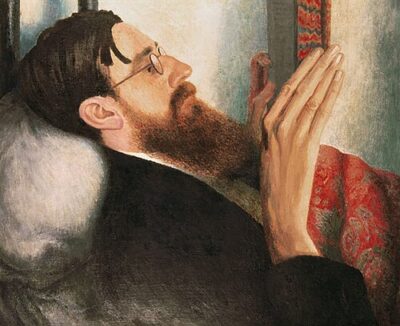 Lytton StracheyEnglish writer (1880–1932)
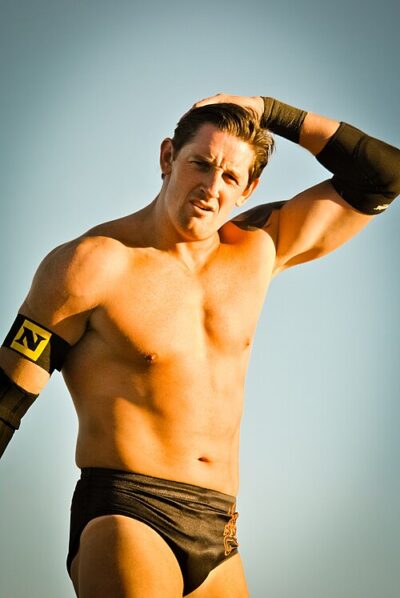 Wade BarrettBritish professional wrestler (born 1980)
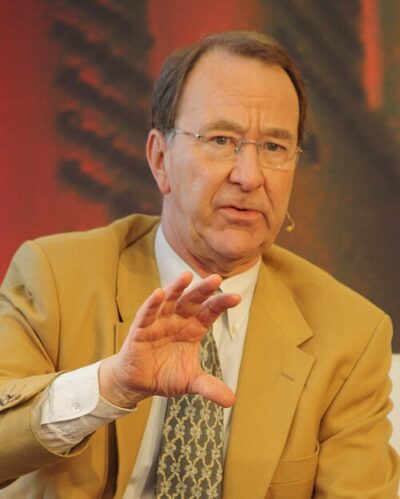 Ian Kershaw (–1965)English historian of Nazi Germany (born 1943)
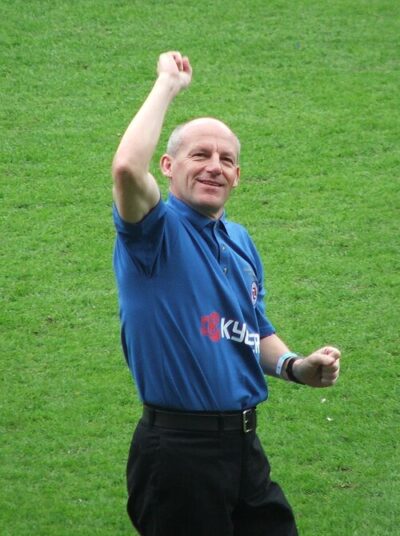 Steve CoppellEnglish association football manager and former player
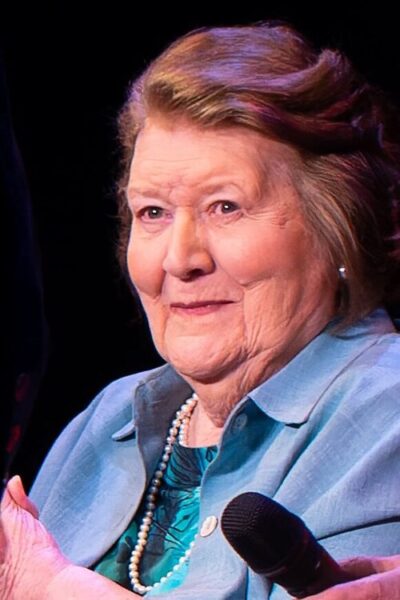 Patricia RoutledgeBritish actress (1929–2025)
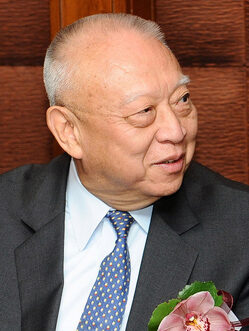 Tung Chee-hwa (1956–1960)businessman and politician from Hong Kong, first Chief Executive of the Hong Kong Special Administrative Region (1937–2026)
 Ong Teng Cheong5th President of Singapore (1936–2002)
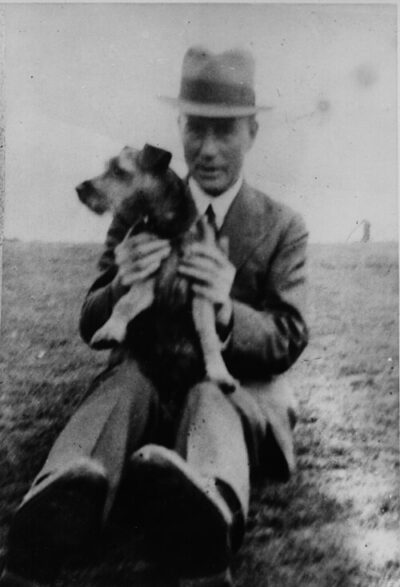 Frederick GriffithBritish bacteriologist
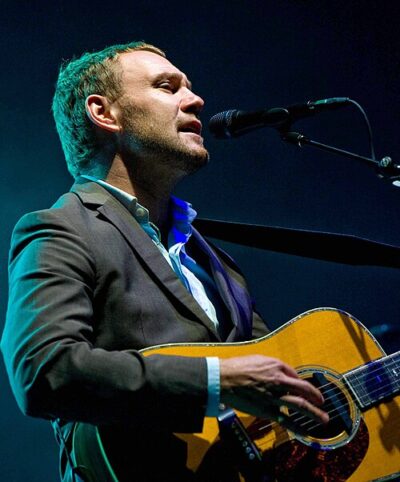 David GrayBritish singer-songwriter
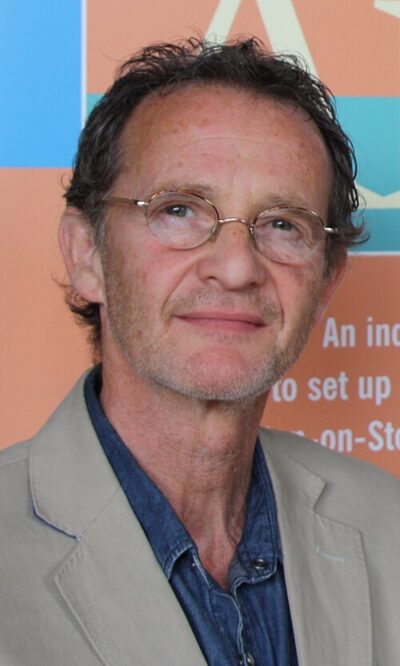 Anton LesserEnglish actor
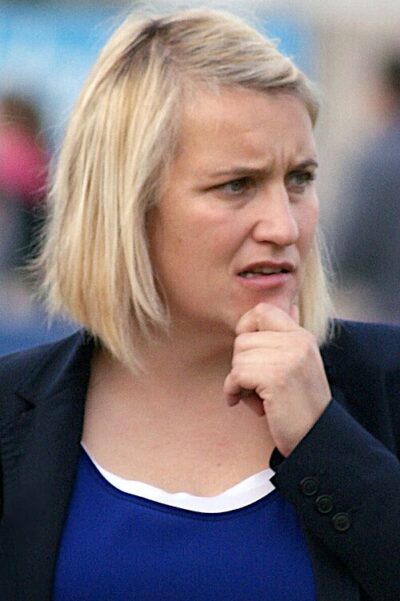 Emma HayesEnglish football manager (born 1976)
and 6 more
Worked here
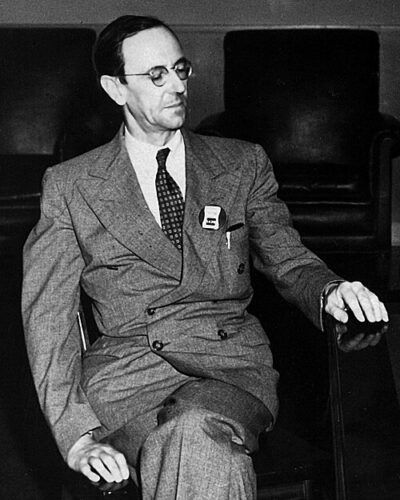 James ChadwickEnglish physicist (1891-1974), who discovered the neutron in 1932
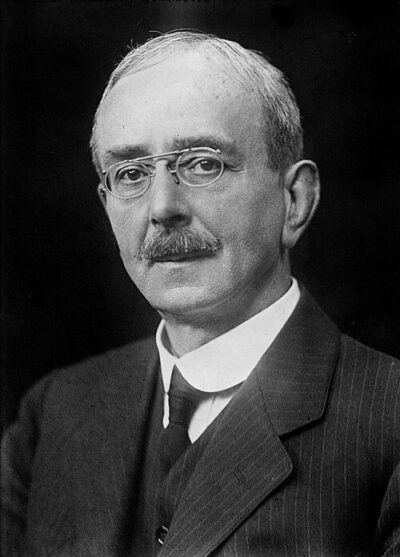 Charles Scott SherringtonEnglish footballer, neurophysiologist and Nobel Prize recipient (1857–1952)
 James George FrazerScottish social anthropologist (1854–1941)
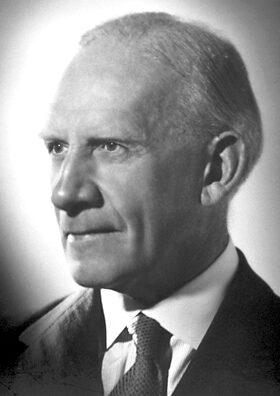 Robert Robinson (1915–1920)English chemist (1886-1975)
- OOlaf StapledonBritish novelist and philosopher (1886–1950)
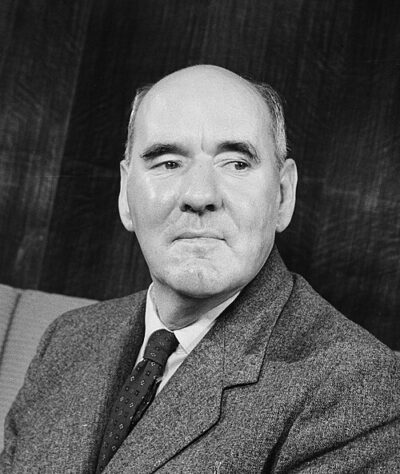 C. Northcote ParkinsonBritish naval historian (1909–1993)
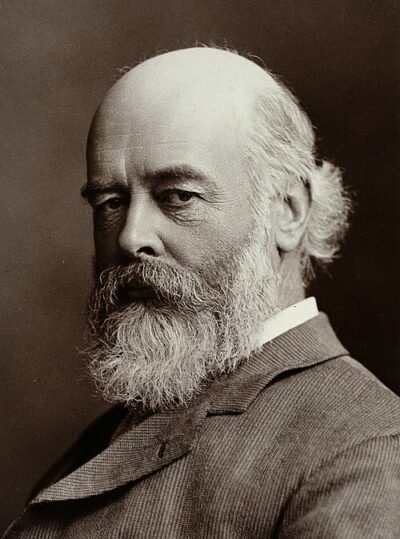 Oliver Lodge (1881–1900)English physicist (1851-1940)
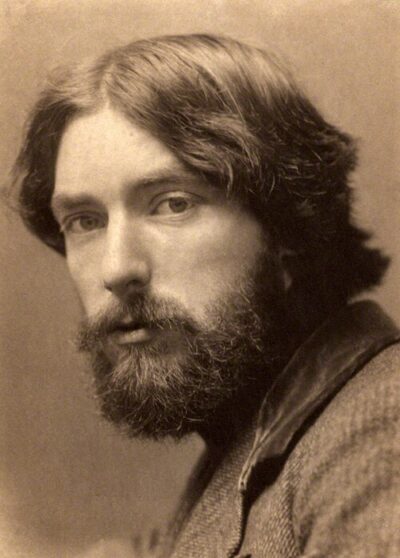 Augustus JohnWelsh painter (1878–1961)
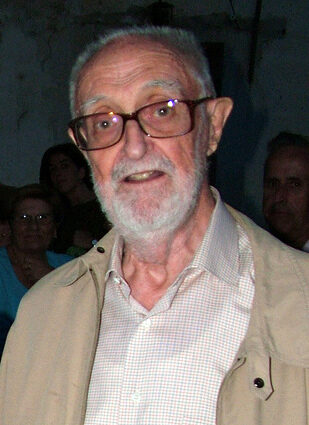 José Luis SampedroSpanish economist and writer
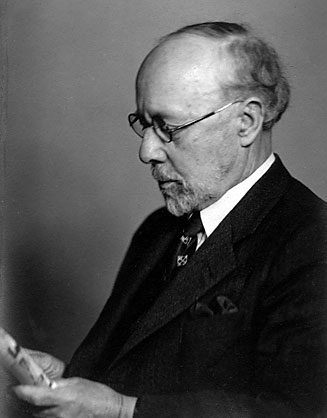 John GarstangBritish archaeologist (1876-1956)
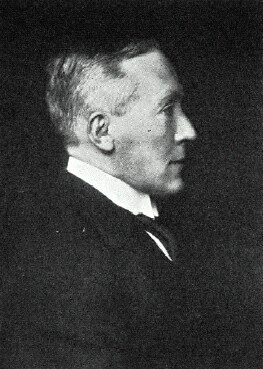 Frederick G. DonnanIrish scientist (1870-1956)
- AAbram Besicovitch (1926–1927)Russian mathematician (1891-1970)
