
Vice President of the United States
The Vice President of the United States is a second-highest constitutional office in the United States. It was created in 1789.
- Office of
- United States
- Country
- United States
- Created
- April 21, 1789
All 7 facts, and where they come from
Facts
7 facts · 0 confirmed by two sources · 1 cited · 6 from one source
Where this comes from
Papalocal keeps its own record. It started from these sources; what each one said is kept here as it was copied, so a change on their side never changes this page by itself. Tap one to read its version.
What Wikidata says · copied November 16, 2026 · revision 2539046638
- Described as
- second-highest constitutional office in the United States
- Other names
- US Vice President, VPOTUS, President of the Senate, President of the United States Senate, VP of the United States, VP of the US, US VP, United States Vice President, United States VP, USA VP, USVP
- What it is
- elective office; vice president; president of the senate · 1 reference
- Created
- April 21, 1789
- Country
- United States
- Office of
- United States
- Official website
- https://www.whitehouse.gov/es/administracion/vicepresidenta-harris/
- Wikipedias with a page
- 88
Wikidata item Q11699 (wikidata.org/wiki/Q11699), public domain (CC0). Copied 2026-11-16.
What Wikipedia says · copied November 16, 2026 · revision 1385724046
The vice president of the United States (VPOTUS, VP, or informally veep) is the second-highest office in the executive branch of the U.S. federal government, after the president of the United States, and ranks first in the presidential line of succession. The vice president is also an officer in the legislative branch, as the president of the Senate. In this capacity, the vice president is empowered to preside over the United States Senate, but may not vote except to cast a tie-breaking vote. The vice president is elected at the same time as the president to a four-year term of office by the people of the United States through the Electoral College, but the electoral votes are cast separately for these two offices. Following the passage in 1967 of the Twenty-fifth Amendment to the U.S. Constitution, a vacancy in the office of vice president may be filled by presidential nomination and confirmation by a majority vote in both houses of Congress. This was based on the Tyler Precedent set in 1841 when John Tyler became the first vice president to take over for a deceased president following the death of William Henry Harrison.
The modern vice presidency is a position of significant power and is widely seen as an integral part of a president's administration. The presidential candidate selects the candidate for the vice presidency as their running mate in the lead-up to the presidential election. The exact nature of the role varies in each administration. Since the vice president's service in office is by election, the president cannot dismiss the vice president, and the personal working-relationship with the president varies: most modern vice presidents serve as a key presidential advisor, governing partner, and representative of the president. The vice president is also a statutory member of the United States Cabinet and United States National Security Council and thus plays a significant role in executive government and national security matters. As the vice president's role within the executive branch has expanded, the legislative branch role has contracted; for example, vice presidents now preside over the Senate only infrequently.
The role of the vice presidency has changed dramatically since the office was created during the 1787 Constitutional Convention. Originally something of an afterthought, the vice presidency was considered an insignificant office for much of the nation's history, especially after the Twelfth Amendment meant that vice presidents were no longer the runners-up in the presidential election. The vice president's role began steadily growing in importance during the 1930s, with the Office of the Vice President being created in the executive branch in 1939, and has since grown much further. Due to its increase in power and prestige, the vice presidency is now often considered to be a stepping stone to the presidency. Since the 1970s, the vice president has been afforded an official residence at Number One Observatory Circle.
The Constitution does not expressly assign the vice presidency to a branch of the government, causing a dispute among scholars about which branch the office belongs to (the executive, the legislative, both, or neither). The modern view of the vice president as an officer of the executive branch—one isolated almost entirely from the legislative branch—is due in large part to the assignment of executive authority to the vice president by either the president or Congress. Nevertheless, many vice presidents have previously served in Congress, and are often tasked with helping to advance an administration's legislative priorities. John Adams was the country's first vice president. JD Vance is the 50th and current vice president since January 20, 2025.
From the Wikipedia article “Vice President of the United States” (en.wikipedia.org/wiki/Vice_President_of_the_United_States), by its contributors, under CC BY-SA 4.0 (creativecommons.org/licenses/by-sa/4.0/). Copied 2026-11-16; not changed.
Confirmed Two sources agree. Cited One source, and it names where it got it. One source One source, without a reference of its own. Sources disagree The sources disagree. We show the best-supported value and keep theirs below.
Picture: Emily J. Higgins, via Wikimedia Commons · Public domain
People connected 50
Held this office 50
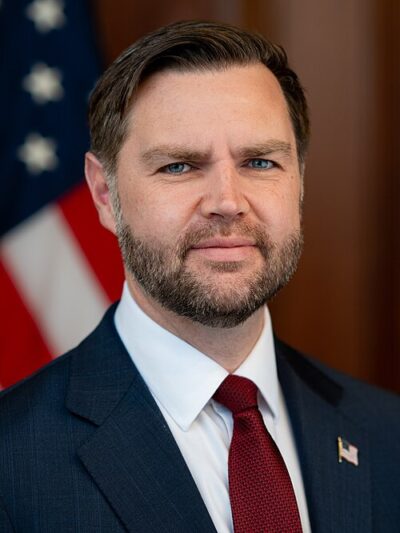
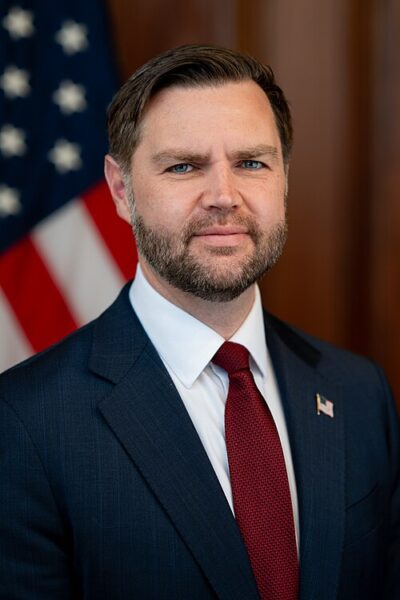 JD Vance (2025–)Vice President of the United States since 2025
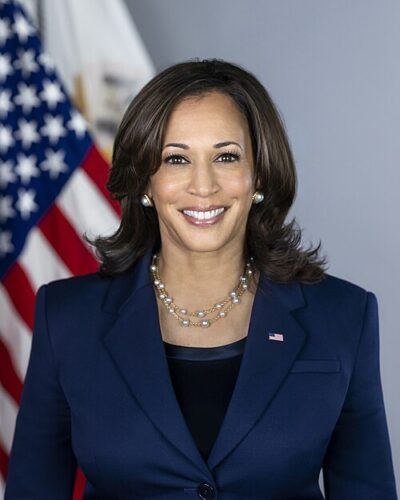 Kamala Harris (2021–2025)Vice President of the United States from 2021 to 2025
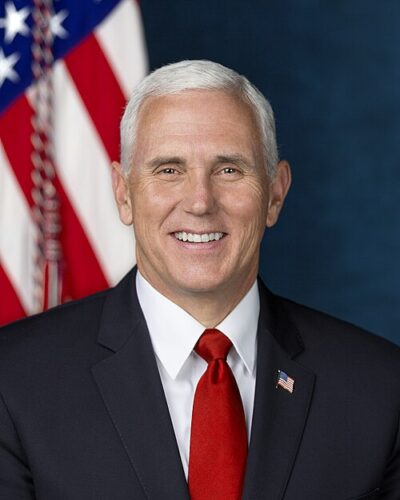 Mike Pence (2017–2021)Vice President of the United States from 2017 to 2021
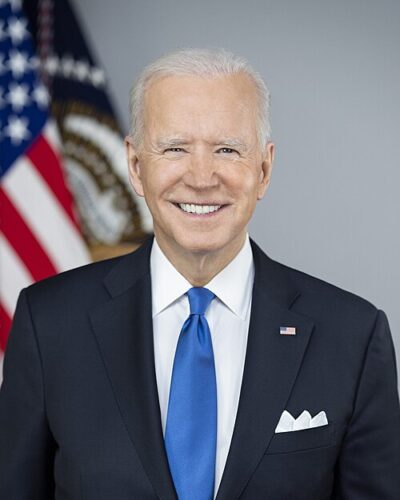 Joe Biden (2009–2017)46th President of the United States (2021–2025)
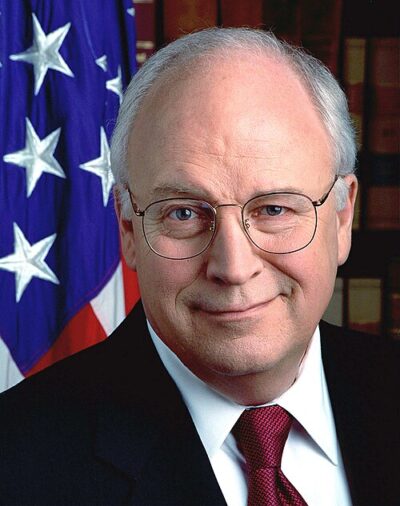 Dick Cheney (2001–2009)Vice President of the United States from 2001 to 2009 (1941–2025)
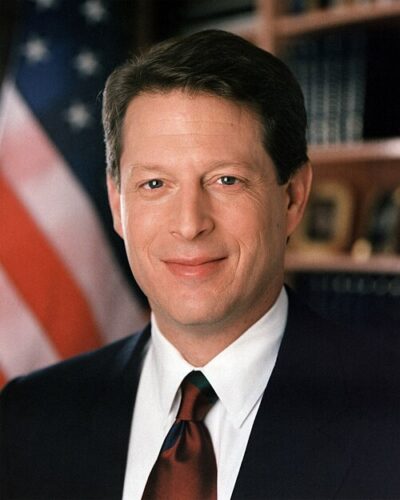 Al Gore (1993–2001)Vice President of the United States from 1993 to 2001 (born 1948)
 Dan Quayle (1989–1993)vice president of the United States from 1989 to 1993
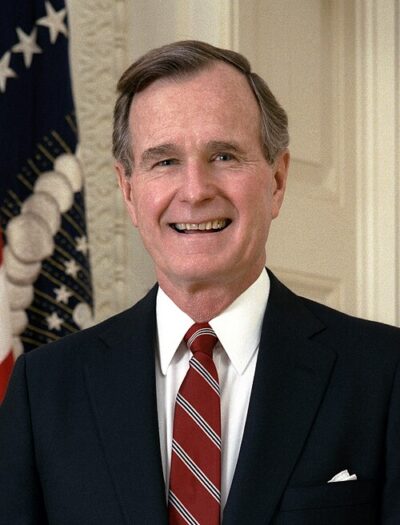 George H. W. Bush (1981–1989)41st President of the United States (1989–1993)
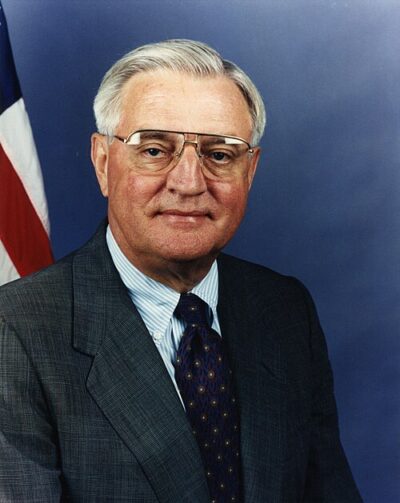 Walter Mondale (1977–1981)Vice President of the United States from 1977 to 1981 (1928–2021)
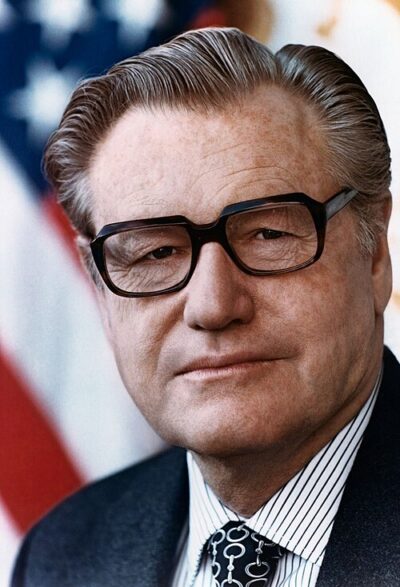 Nelson Rockefeller (1974–1977)Vice President of the United States from 1974 to 1977
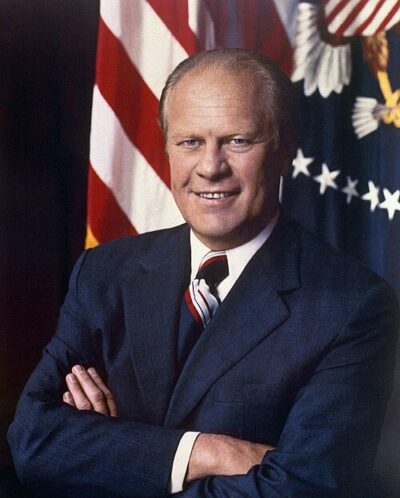 Gerald Ford (1973–1974)president of the United States from 1974 to 1977 (1913–2006)
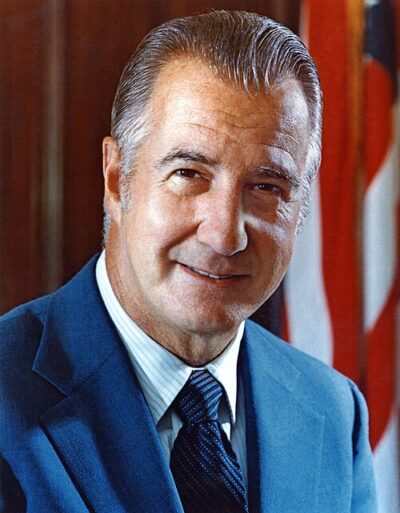 Spiro Agnew (1969–1973)vice president of the United States from 1969 to 1973
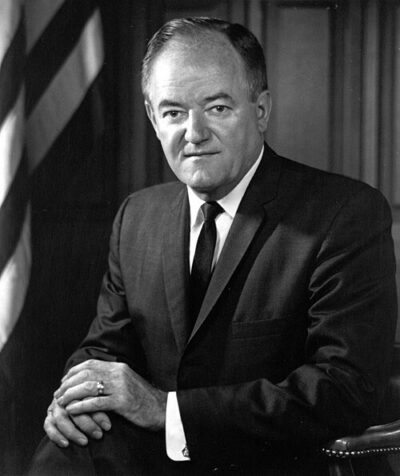 Hubert Humphrey (1965–1969)vice president of the United States from 1965 to 1969
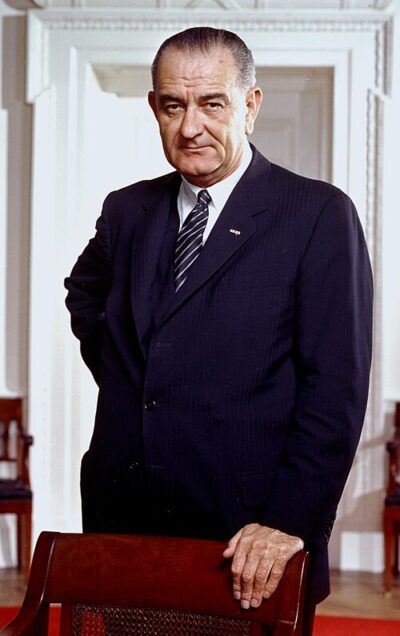 Lyndon B. Johnson (1961–1963)president of the United States from 1963 to 1969 (1908–1973)
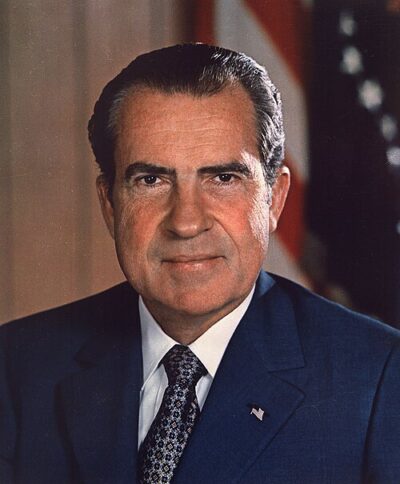 Richard Nixon (1953–1961)president of the United States from 1969 to 1974 (1913–1994)
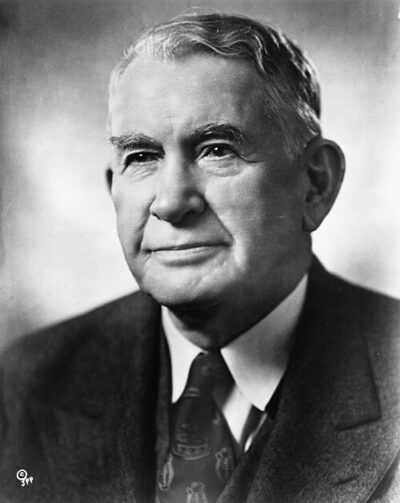 Alben W. Barkley (1949–1953)American politician and vice president of the United States from 1949 to 1953 (1877-1956)
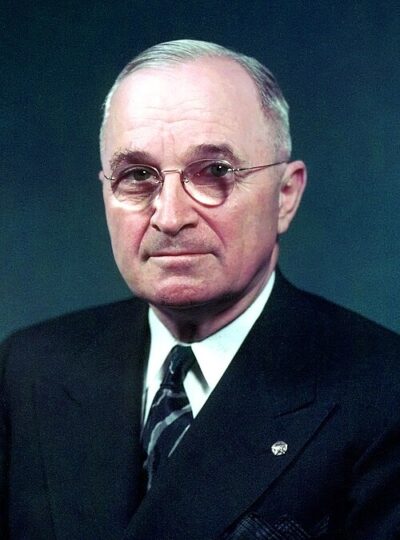 Harry S. Truman (1945)president of the United States from 1945 to 1953; politician (1884–1972)
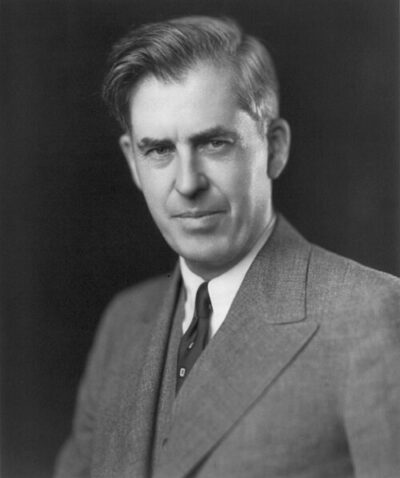 Henry A. Wallace (1941–1945)American politician (1888–1965); Vice President of the United States from 1941 to 1945
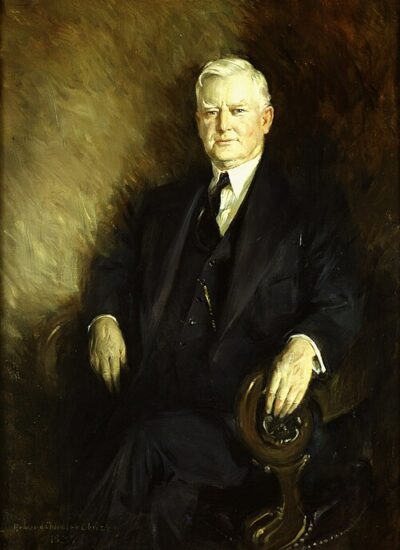 John Nance Garner (1933–1941)Vice President of the United States from 1933 to 1941
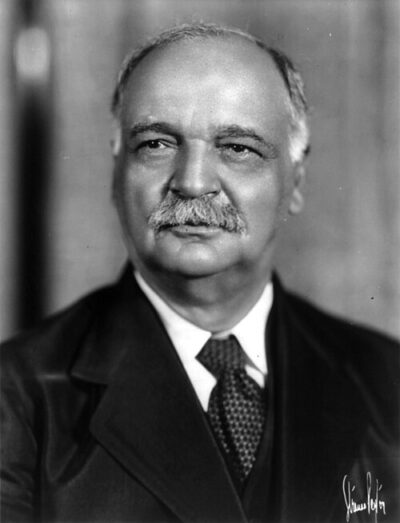 Charles Curtis (1929–1933)vice president of the United States from 1929 to 1933
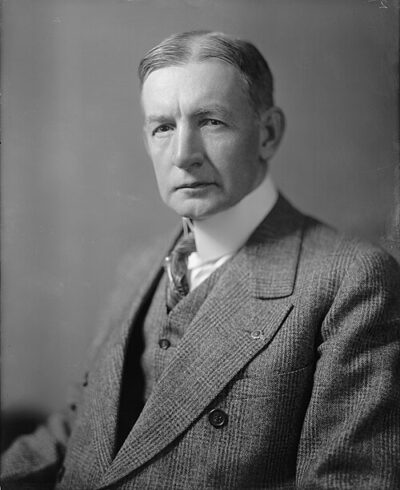 Charles G. Dawes (1925–1929)vice president of the United States from 1925 to 1929
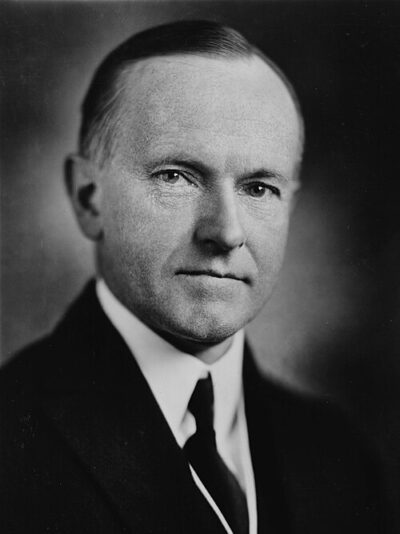 Calvin Coolidge (1921–1923)president of the United States from 1923 to 1929
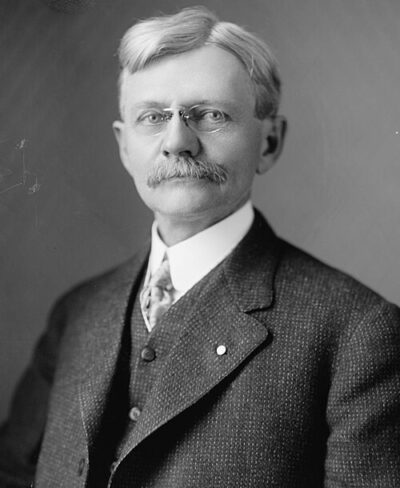 Thomas R. Marshall (1913–1921)vice president of the United States from 1913 to 1921
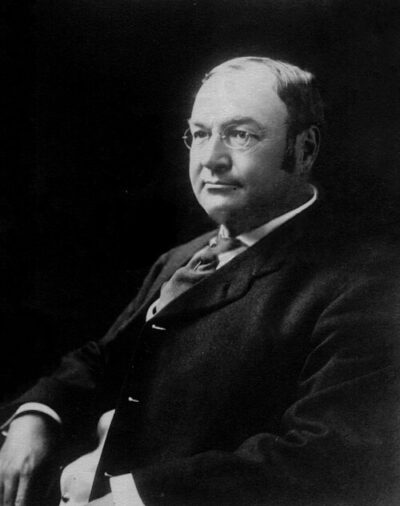 James S. Sherman (1909–1912)American politician and Vice President of the United States from 1909 to 1912 (1855–1912)
and 26 more
