
William H. Nichols Medal
William H. Nichols Medal is an award of the American Chemical Society (1903–). It was created in 1902.
- Given by
- American Chemical Society
- Country
- United States
- Created
- 1902
All 7 facts, and where they come from
Facts
7 facts · 0 confirmed by two sources · 0 cited · 6 from one source · 1 where the sources disagree
What’s different
- Created: we show 1902 (Sources disagree). Wikidata also lists 1903
Where this comes from
Papalocal keeps its own record. It started from these sources; what each one said is kept here as it was copied, so a change on their side never changes this page by itself. Tap one to read its version.
What Wikidata says · copied November 16, 2026 · revision 2418839354
- Described as
- award of the American Chemical Society (1903–)
- Other names
- Nichols Medal
- What it is
- science award; class of award
- Created
- 1902 · 1 reference; 1903 · 1 reference
- Country
- United States
- Given by
- American Chemical Society
- Named after
- William H. Nichols
- Official website
- http://www.newyorkacs.org/meetings/Nominations/Nichols.php
- Wikipedias with a page
- 8
Wikidata item Q25324505 (wikidata.org/wiki/Q25324505), public domain (CC0). Copied 2026-11-16.
What Wikipedia says · copied November 16, 2026 · revision 1384293374
The William H. Nichols Medal is awarded annually for original research in chemistry. Nominees must have made a "significant and original contribution in any field of chemistry" during the five years preceding the presentation date. The medallist receives a gold medal, a bronze replica and a cash award. The award was established in 1902 by the New York Section of the American Chemical Society (ACS) through a gift from chemist and businessman William H. Nichols. It was the first award to be approved by the ACS. The medal was first awarded in 1903.
From the Wikipedia article “William H. Nichols Medal” (en.wikipedia.org/wiki/William_H._Nichols_Medal), by its contributors, under CC BY-SA 4.0 (creativecommons.org/licenses/by-sa/4.0/). Copied 2026-11-16; not changed.
Confirmed Two sources agree. Cited One source, and it names where it got it. One source One source, without a reference of its own. Sources disagree The sources disagree. We show the best-supported value and keep theirs below.
People connected 20
Won it
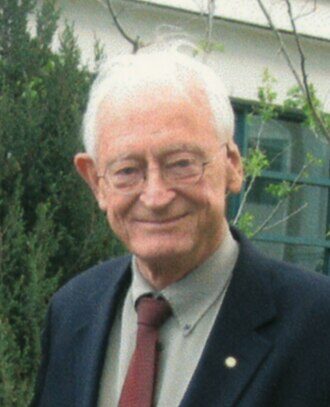 Alan MacDiarmid (2002)New Zealand chemist (1927–2007)
 Richard Smalley (1993)American chemist (1943–2005)
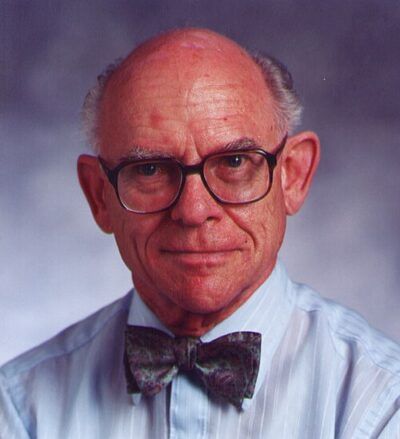 F. Albert Cotton (1975)American chemist (1930-2007)
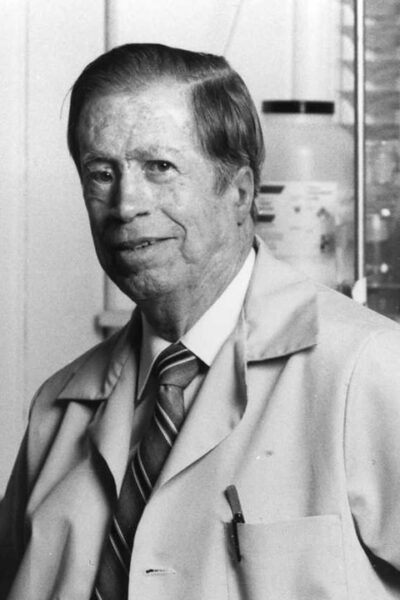 Robert Bruce Merrifield (1973)American biochemist
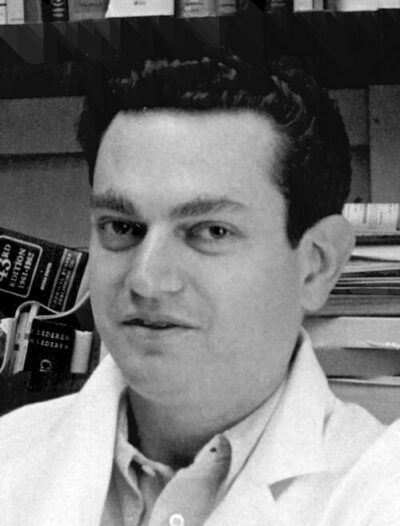 Marshall Warren Nirenberg (1969)American biochemist and geneticist (1927-2010)
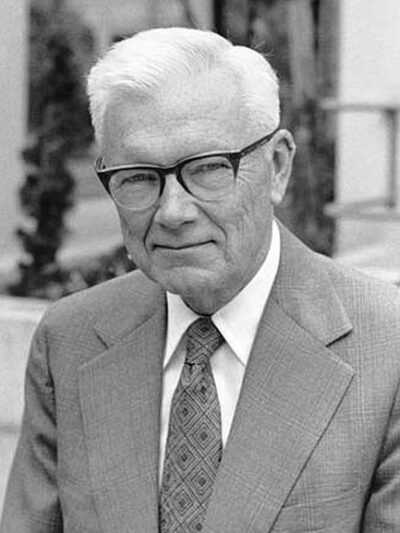 Paul Flory (1962)American chemist (1910-1985)
 Herbert C. Brown (1959)American chemist (1912–2004)
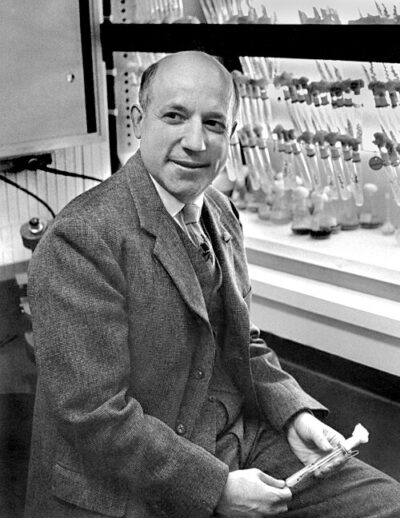 Melvin Calvin (1958)American biochemist (1911–1997)
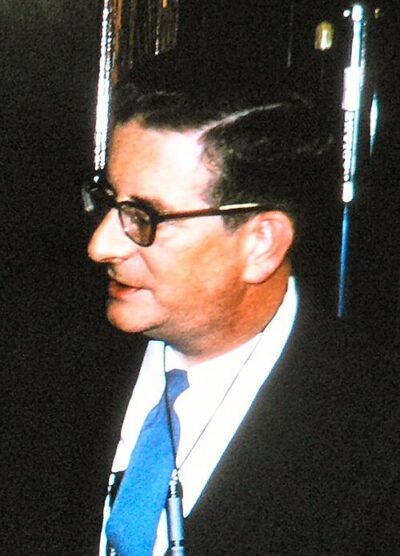 Robert Burns Woodward (1956)American chemist
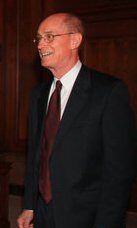 Henry Eyring (1951)Mexican-born American theoretical chemist (1901-1981)
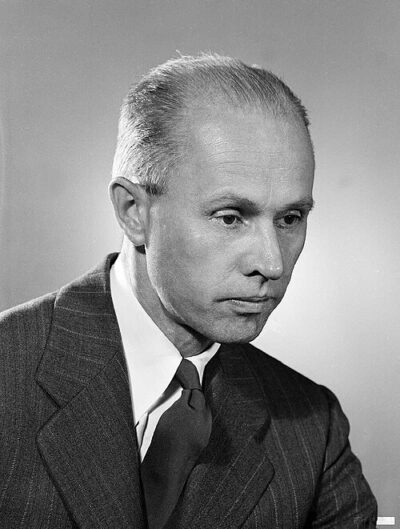 George Kistiakowsky (1947)Ukrainian-American physical chemistry professor
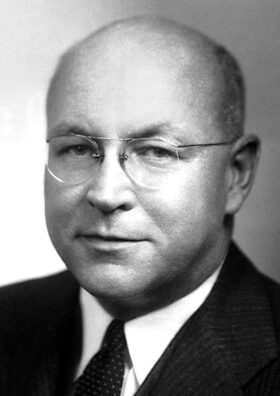 Wendell Meredith Stanley (1946)American biochemist and virologist, winner of the Nobel Prize in Chemistry (1946)
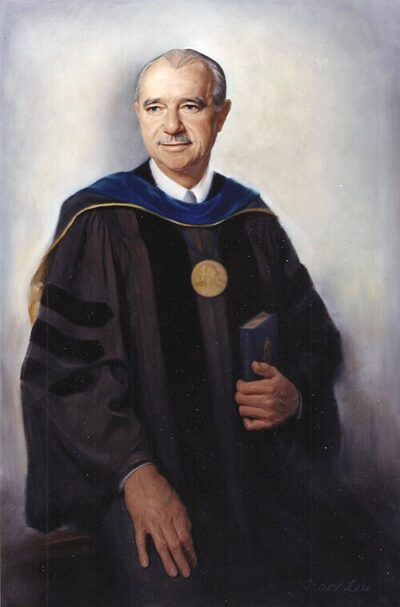 Vincent du Vigneaud (1945)American biochemist (1901–1978)
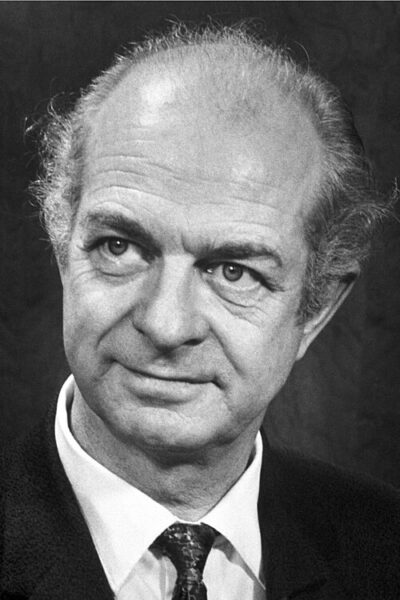 Linus Pauling (1941)American scientist (1901–1994)
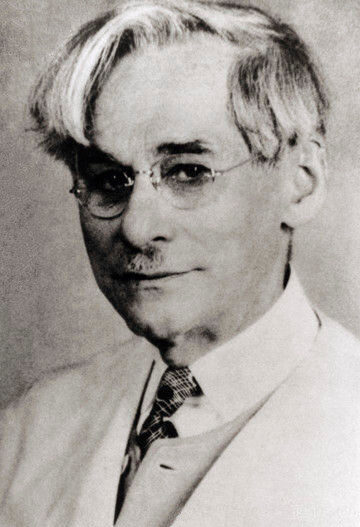 Phoebus Levene (1938)Lithuanian-American chemist (1869-1940)
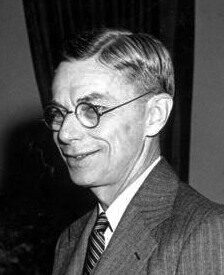 James Bryant Conant (1932)American chemist (1893–1978)
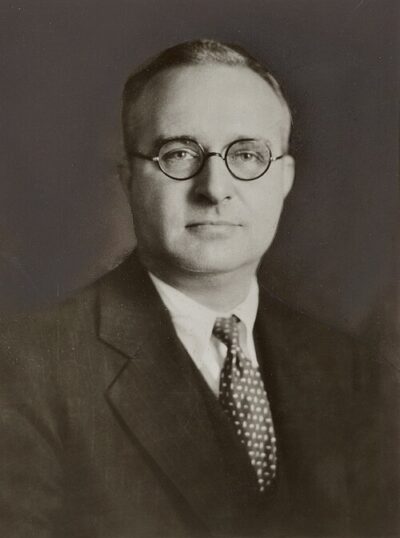 Thomas Midgley (1923)American chemist and engineer (1889–1944)
- GGilbert N. Lewis (1921)American physical chemist
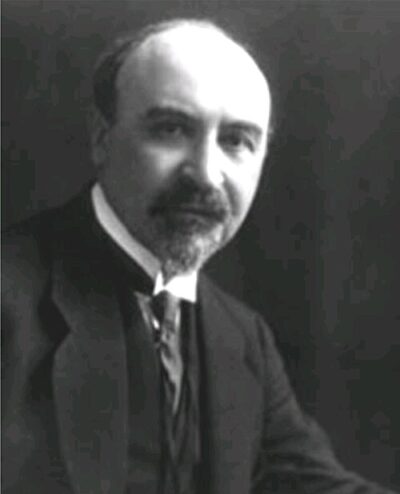 Leo Baekeland (1910)Belgium American inventor (1863-1944)
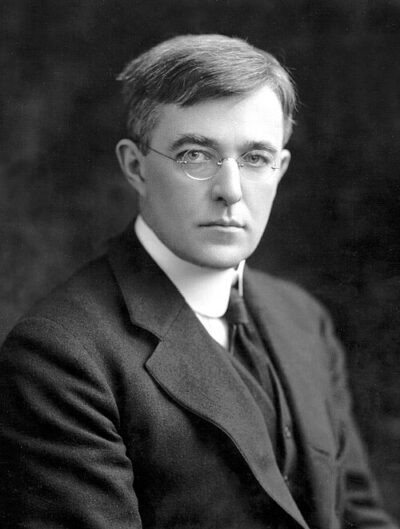 Irving LangmuirAmerican chemist and physicist (1881–1957)
