

Accademia della Crusca
Accademia della Crusca is a language regulator of Italian. Its headquarters are in Florence.
- Headquarters
- Florence
- Industry
- higher education
- Country
- Italy
All 8 facts, and where they come from
Facts
8 facts · 0 confirmed by two sources · 2 cited · 6 from one source
Where this comes from
Papalocal keeps its own record. It started from these sources; what each one said is kept here as it was copied, so a change on their side never changes this page by itself. Tap one to read its version.
What Wikidata says · copied November 16, 2026 · revision 2559378577
- Described as
- language regulator of Italian
- Other names
- Villa Medicea di Castello, Academy of the bran
- What it is
- academy of sciences; national academy; learned society
- Headquarters
- Florence · 1 reference
- Located in
- Florence · 1 reference
- Country
- Italy · 1 reference
- Industry
- higher education
- Official website
- https://accademiadellacrusca.it
- Wikipedias with a page
- 32
Wikidata item Q338489 (wikidata.org/wiki/Q338489), public domain (CC0). Copied 2026-11-16.
What Wikipedia says · copied November 16, 2026 · revision 1383302921
The Accademia della Crusca (Italian: [akkaˈdɛːmja della ˈkruska]; lit. 'Academy of the Bran'), generally abbreviated as La Crusca, is a Florence-based society of scholars of Italian linguistics and philology. It is one of the most important research institutions of the Italian language, as well as the oldest linguistic academy in the world.
The Accademia was founded in Florence in 1583, and has since been characterised by its efforts to maintain the purity of the Italian language. Crusca, which means "bran" in Italian, helps convey the metaphor that its work is similar to winnowing, as also does its emblem depicting a sifter for straining out corrupt words and structures (as bran is separated from wheat). The academy motto is "Il più bel fior ne coglie" ('She gathers the fairest flower'), a famous line by the Italian poet Petrarch. In 1612, the Accademia published the first edition of its dictionary, the Vocabolario degli Accademici della Crusca, which has served as the model for similar works in French, Spanish, German and English.
The academy is a member of the European Federation of National Linguistic Institutes.
From the Wikipedia article “Accademia della Crusca” (en.wikipedia.org/wiki/Accademia_della_Crusca), by its contributors, under CC BY-SA 4.0 (creativecommons.org/licenses/by-sa/4.0/). Copied 2026-11-16; not changed.
Confirmed Two sources agree. Cited One source, and it names where it got it. One source One source, without a reference of its own. Sources disagree The sources disagree. We show the best-supported value and keep theirs below.
Picture: Wikimedia Commons: Biblioteca riccardiana 01.JPG · See Commons file page
People connected 20
Members
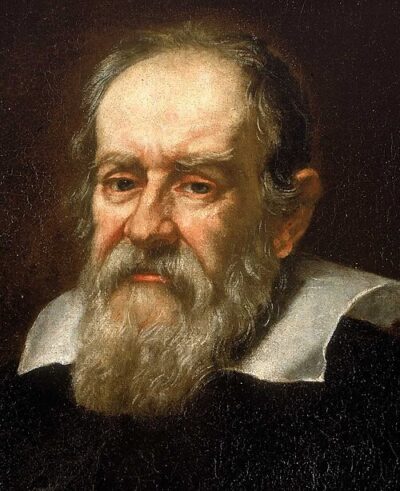 Galileo Galilei (1605–)Italian polymath (1564–1642)
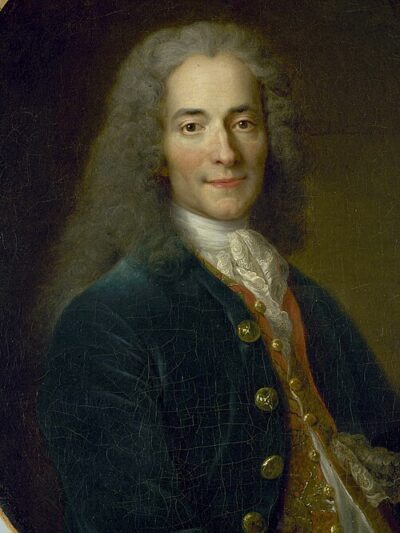 VoltaireFrench writer, historian and philosopher (1694–1778)
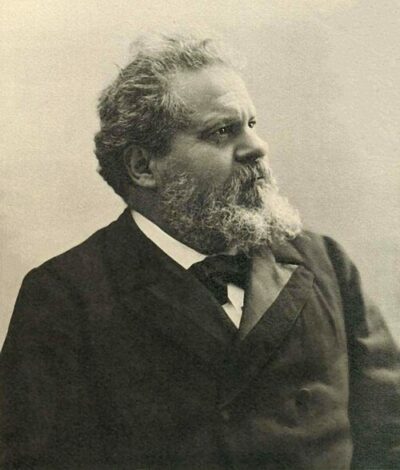 Giosuè Carducci (1886–)Italian poet and literary critic (1835–1907)
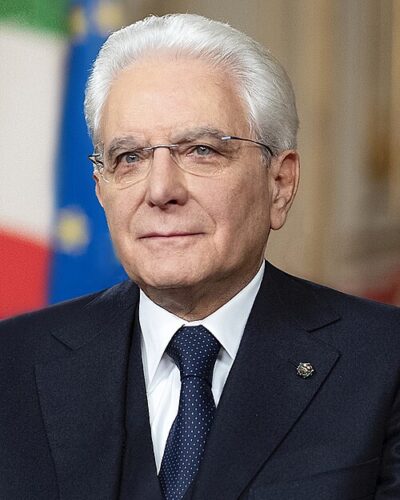 Sergio Mattarellapresident of Italy (2015–present)
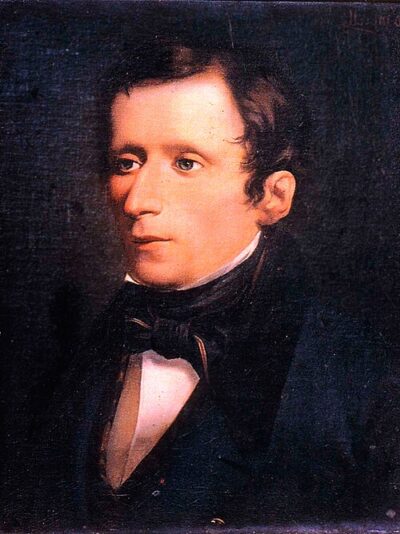 Giacomo LeopardiItalian noble, poet, philosopher, and writer (1798-1837)
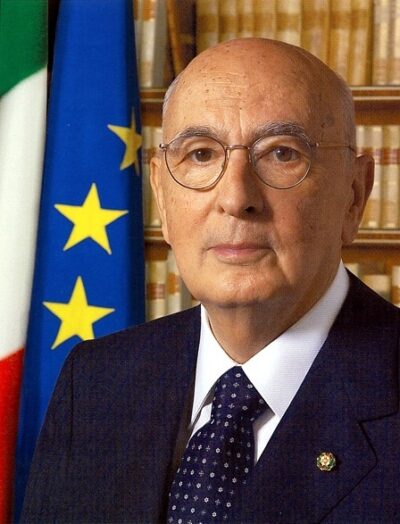 Giorgio NapolitanoPresident of Italy from 2006 to 2015
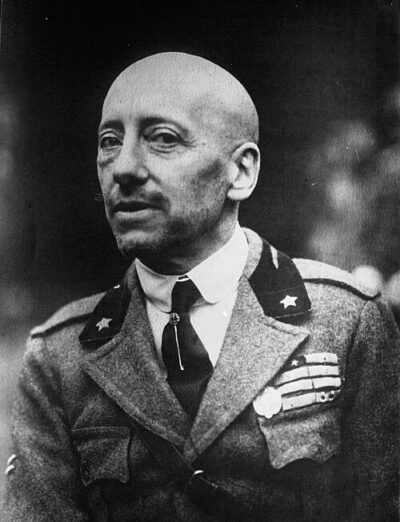 Gabriele D'AnnunzioItalian writer, poet, playwright, soldier and politician (1863-1938)
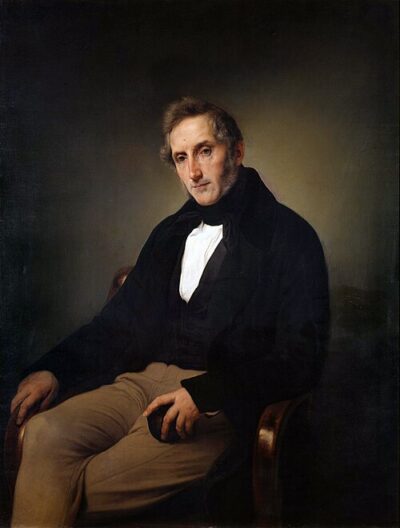 Alessandro ManzoniItalian writer and poet (1785–1873)
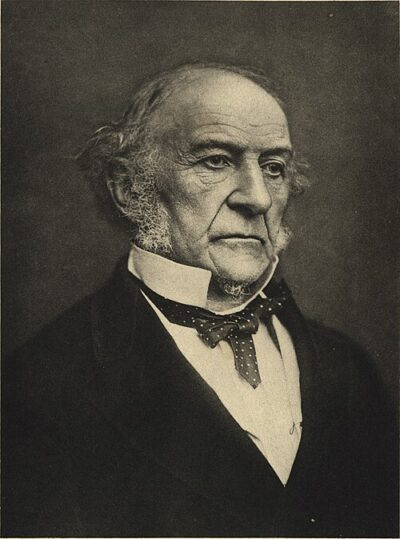 William Ewart GladstoneBritish Liberal prime minister (1809–1898)
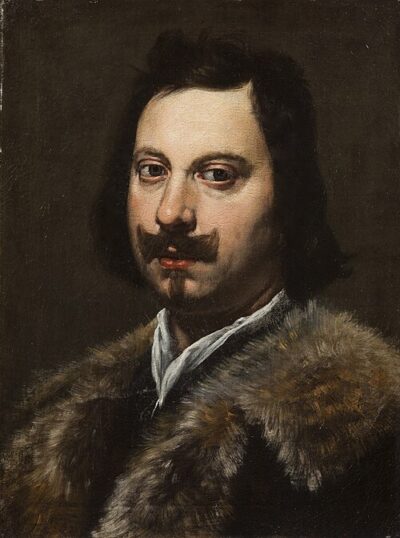 Evangelista Torricelli (1642–)Italian physicist and mathematician (1608-1647)
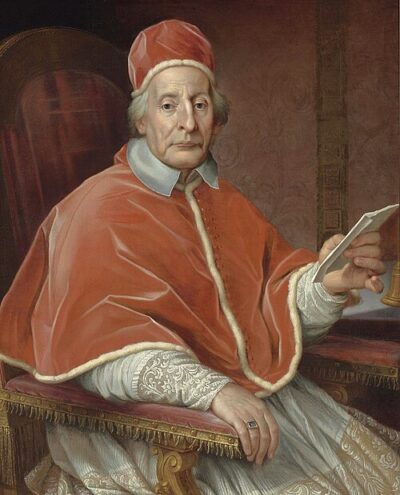 Clement XIIpope of the Catholic Church from 1730 to 1740
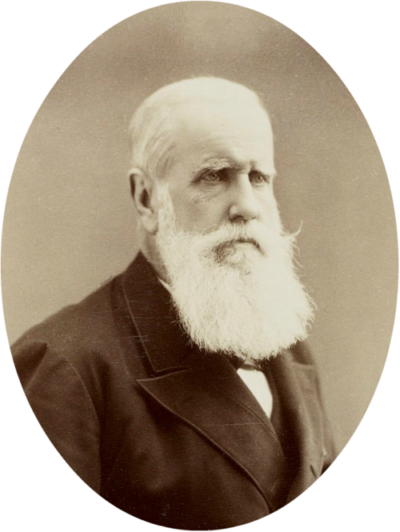 Pedro II of Brazil2nd and final Emperor of Brazil (r. 1831–89)
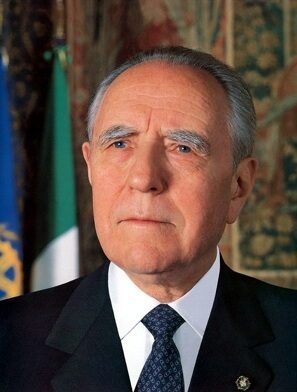 Carlo Azeglio Ciampi (2002–2016)President of Italy from 1999 to 2006
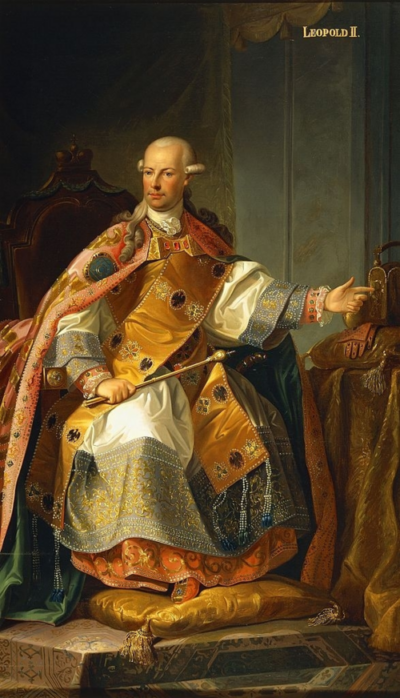 Leopold II, Holy Roman EmperorHoly Roman Emperor from 1790 to 1792
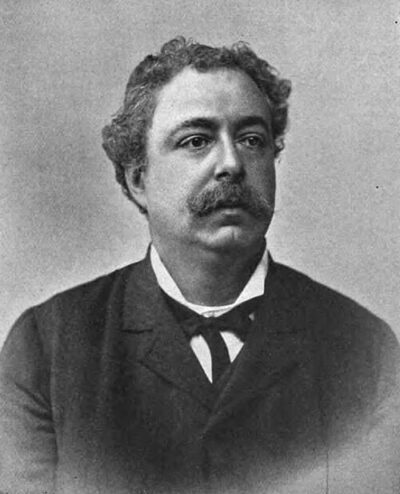 Edmondo de AmicisItalian writer (1846–1908)
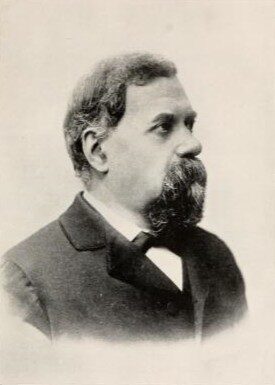 Giovanni SchiaparelliItalian astronomer and science historian (1835-1910)
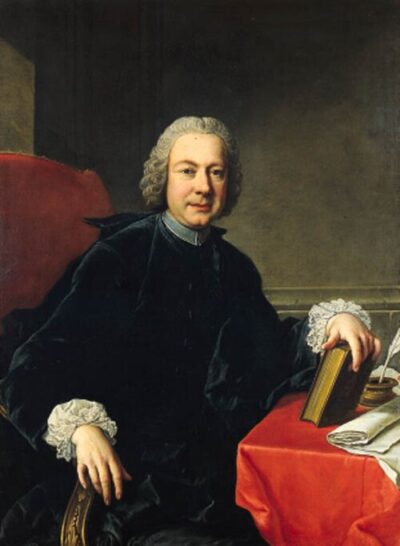 Pietro MetastasioItalian poet and librettist (1698–1782)
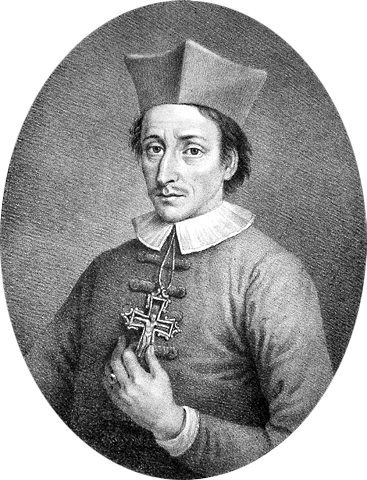 Nicolas StenoPioneer in anatomy and geology, bishop (1638–1686)
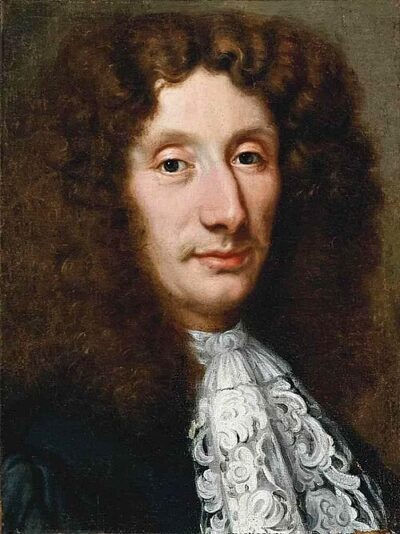 Francesco RediItalian physician, naturalist, biologist, and poet (1626–1697)
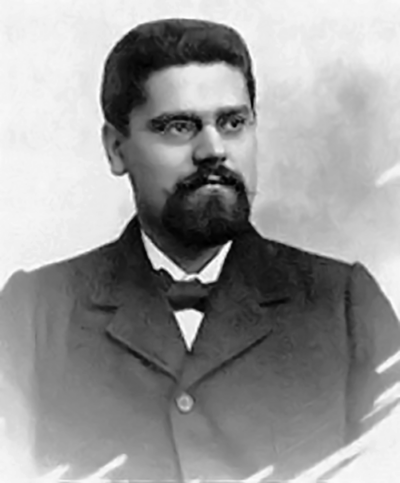 Giovanni GentileItalian philosopher, educator, fascist theoretician and politician (1875-1944)
