
Barnard Medal for Meritorious Service to Science
Barnard Medal for Meritorious Service to Science is a science award given by Columbia University. It is given by the National Academy of Sciences.
- Given by
- National Academy of Sciences
- Country
- United States
All 7 facts, and where they come from
Facts
7 facts · 0 confirmed by two sources · 0 cited · 7 from one source
Where this comes from
Papalocal keeps its own record. It started from these sources; what each one said is kept here as it was copied, so a change on their side never changes this page by itself. Tap one to read its version.
What Wikidata says · copied November 16, 2026 · revision 2524811916
- Described as
- science award given by Columbia University
- What it is
- science award; medal; award of the United States National Academy of Sciences
- Country
- United States
- Given by
- National Academy of Sciences; Columbia University
- Named after
- Frederick Augustus Porter Barnard
- Wikipedias with a page
- 11
Wikidata item Q808424 (wikidata.org/wiki/Q808424), public domain (CC0). Copied 2026-11-16.
What Wikipedia says · copied November 16, 2026 · revision 1360730872
The Barnard Medal for Meritorious Service to Science was established in 1889 by the will of Columbia University president Frederick A. P. Barnard, and has been awarded by Columbia University, based on recommendations by the National Academy of Sciences, every five years since 1895. It is not to be confused with the Barnard Medal of Distinction.
From the Wikipedia article “Barnard Medal for Meritorious Service to Science” (en.wikipedia.org/wiki/Barnard_Medal_for_Meritorious_Service_to_Science), by its contributors, under CC BY-SA 4.0 (creativecommons.org/licenses/by-sa/4.0/). Copied 2026-11-16; not changed.
Confirmed Two sources agree. Cited One source, and it names where it got it. One source One source, without a reference of its own. Sources disagree The sources disagree. We show the best-supported value and keep theirs below.
People connected 8
Won it
 André Weil (1980)French mathematician (1906-1998)
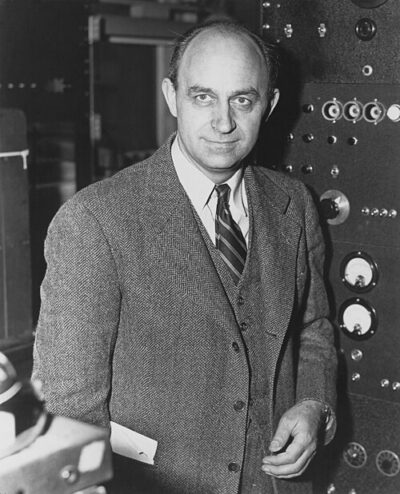 Enrico Fermi (1950)Italian-American physicist (1901–1954)
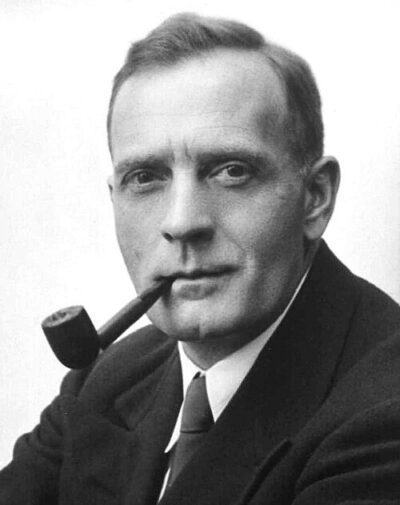 Edwin Hubble (1935)American astronomer (1889–1953)
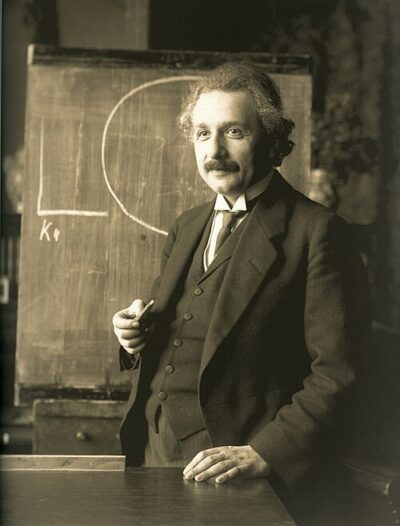 Albert Einstein (1920)German-born theoretical physicist (1879–1955)
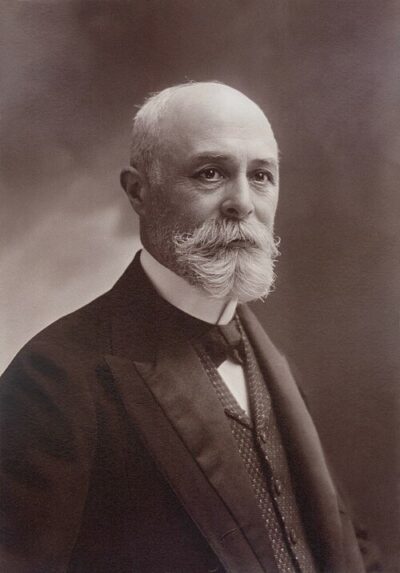 Antoine Henri Becquerel (1905)French physicist (1852–1908)
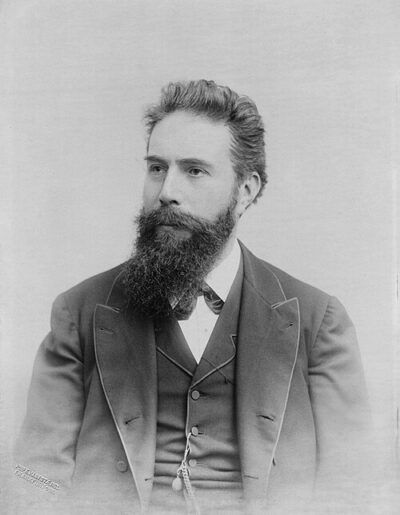 Wilhelm Röntgen (1900)German physicist (1845–1923)
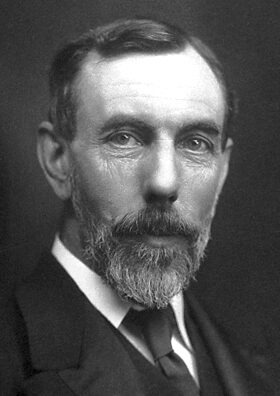 William Ramsay (1895)Scottish chemist (1852–1916)
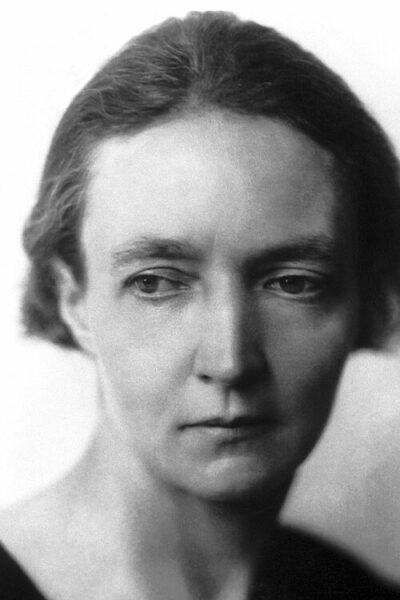 Irène Joliot-CurieFrench chemist and physicist (1897–1956)
