
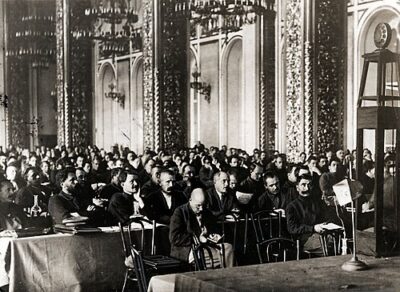
Central Executive Committee of the Soviet Union
The Central Executive Committee of the Soviet Union is a governing body of the USSR, 1922–1938.
- Founded
- 1922
- Country
- Soviet Union
All 6 facts, and where they come from
Facts
6 facts · 0 confirmed by two sources · 0 cited · 6 from one source
Where this comes from
Papalocal keeps its own record. It started from these sources; what each one said is kept here as it was copied, so a change on their side never changes this page by itself. Tap one to read its version.
What Wikidata says · copied November 17, 2026 · revision 2564680362
- Described as
- governing body of the USSR, 1922–1938
- What it is
- collective head of state; governing body
- Founded
- 1922
- Ended
- 1938
- Country
- Soviet Union
- Office of
- Soviet Union
- Wikipedias with a page
- 24
Wikidata item Q2628638 (wikidata.org/wiki/Q2628638), public domain (CC0). Copied 2026-11-17.
What Wikipedia says · copied November 17, 2026 · revision 1385833609
The Central Executive Committee of the USSR (Russian: Центральный исполнительный комитет СССР, IPA: [tsɨnˈtralʲnɨj ɪspɐɫˈnʲitʲɪlʲnɨj kəmʲɪˈtʲet ɛsɛsɛsˈɛr]), which may be abbreviated as the CEC (Russian: ЦИК, IPA: [tsɨk]), was the supreme governing body of the USSR in between sessions of the All-Union Congress of Soviets from 1922 to 1938. The Central Executive Committee elected the Presidium, which, like its parent body, was the delegated governing authority when the other was not in session. Although the Presidium had a group of collective chairmen from each republic, the chairman from the Russian SFSR was often recognized as first among equals and was considered as the ceremonial head of state of the USSR. The Central Executive Committee also elected the Council of People's Commissars which was its executive and administrative organ. The Central Executive Committee of the USSR was established in 1922 by the First All-Union Congress of Soviets, and was replaced by the Presidium of the Supreme Soviet in 1938.
Initially the committee had four co-chairs, after 1925 there were seven. The Kazakh and Kirghiz SSRs were created in 1936 and did not have co-chairs in the committee, as it dissolved just two years later.
From the Wikipedia article “Central Executive Committee of the Soviet Union” (en.wikipedia.org/wiki/Central_Executive_Committee_of_the_Soviet_Union), by its contributors, under CC BY-SA 4.0 (creativecommons.org/licenses/by-sa/4.0/). Copied 2026-11-17; not changed.
Confirmed Two sources agree. Cited One source, and it names where it got it. One source One source, without a reference of its own. Sources disagree The sources disagree. We show the best-supported value and keep theirs below.
Picture: Unknown author, via Wikimedia Commons · Public domain
People connected 28
Members 28
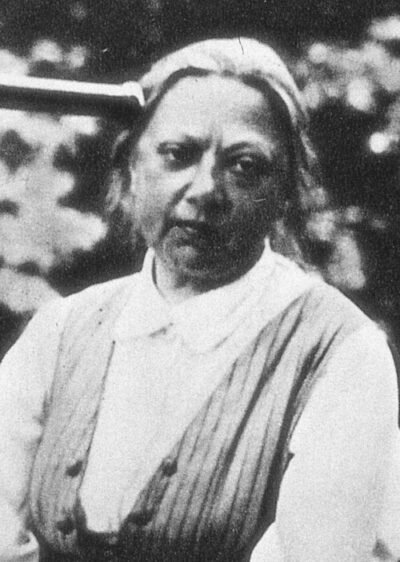 Nadezhda KrupskayaRussian revolutionary and politician (1869–1939)
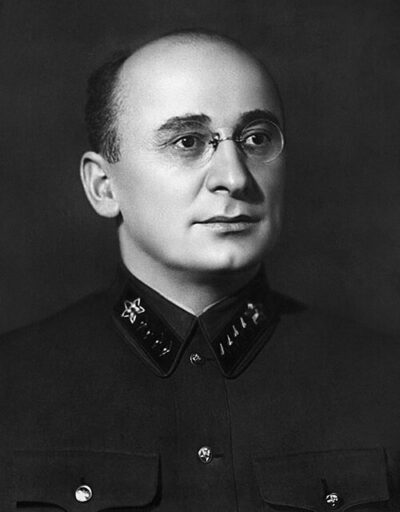 Lavrentiy BeriaSoviet politician and NKVD police chief
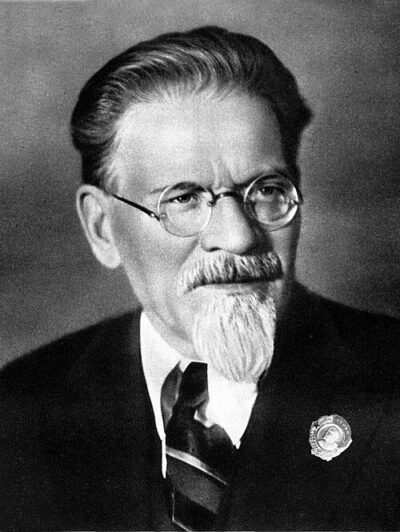 Mikhail Ivanovich KalininSoviet politician (1875–1946)
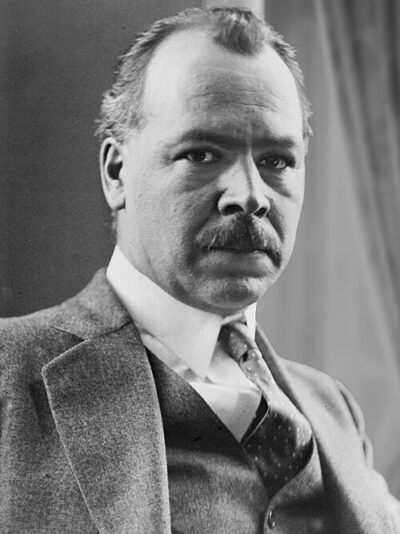 Nikolai VavilovRussian (Soviet) agronomist, botanist and geneticist (1887-1943)
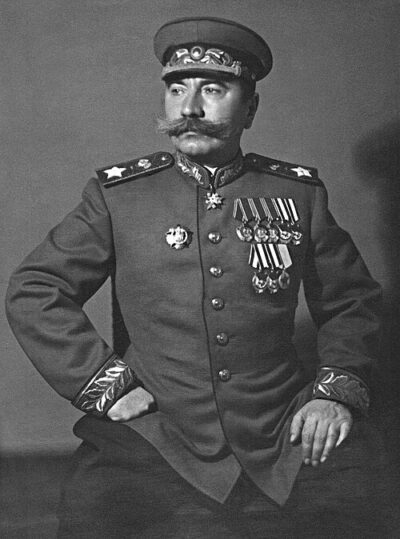 Semyon BudyonnySoviet marshal (1883-1973)
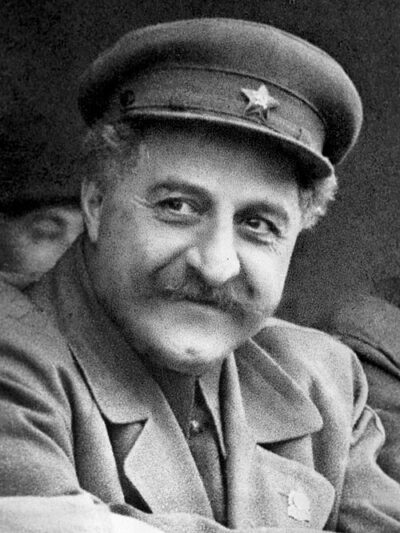 Sergo OrdzhonikidzeSoviet politician (1886-1937)
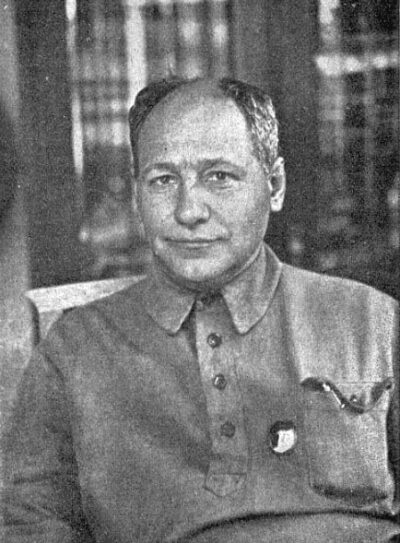 Andrei TupolevRussian and Soviet aerospace engineer (1888-1972)
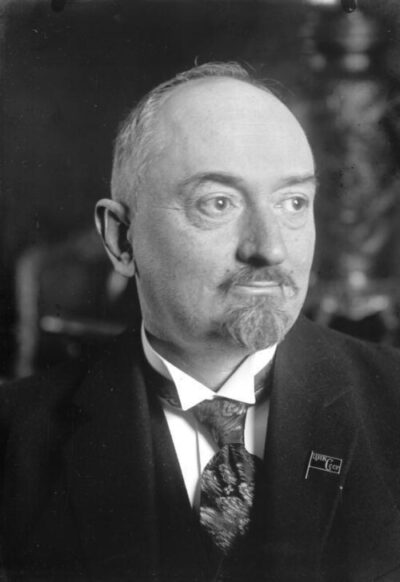 Georgy Vasil'evič ChicherinMarxist revolutionary and Soviet politician
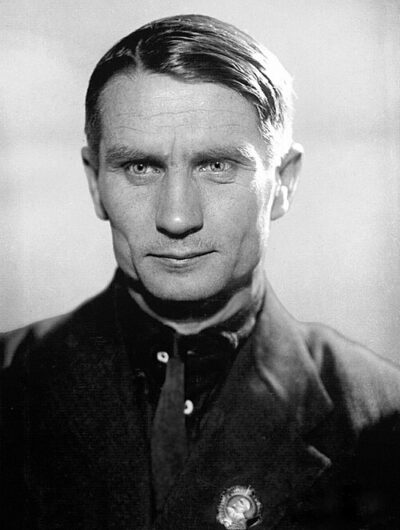 Trofim LysenkoSoviet agronomist and biologist (1898-1976)
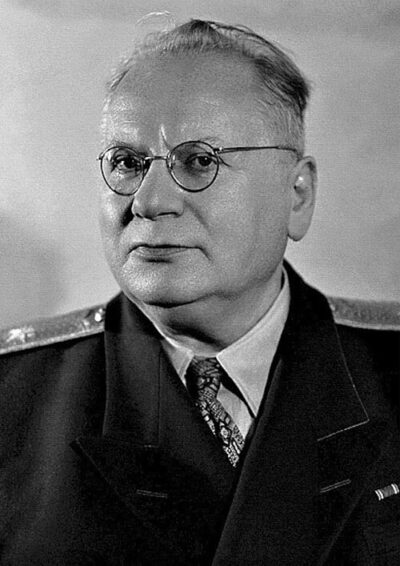 Maxim LitvinovSoviet diplomat and foreign minister (1876–1951)
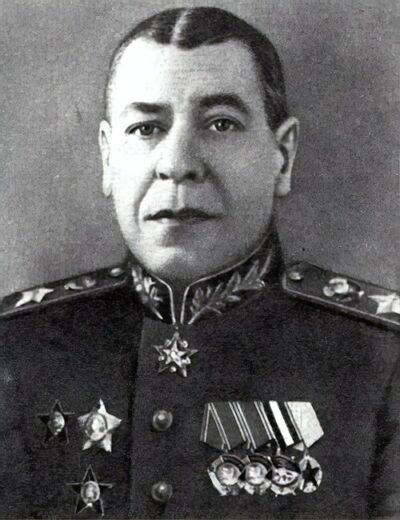 Boris ShaposhnikovMarshal of the Soviet Union (1882-1945)
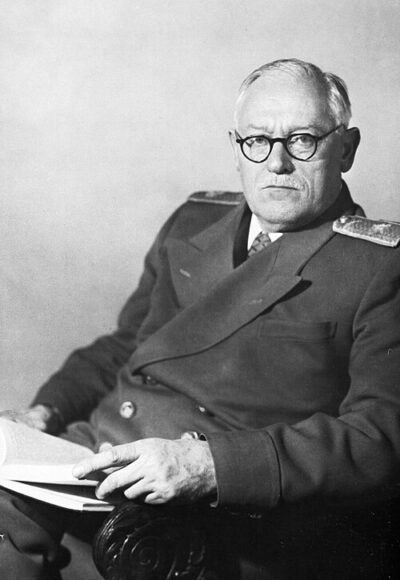 Andrey VyshinskySoviet politician, jurist and diplomat (1883-1954)
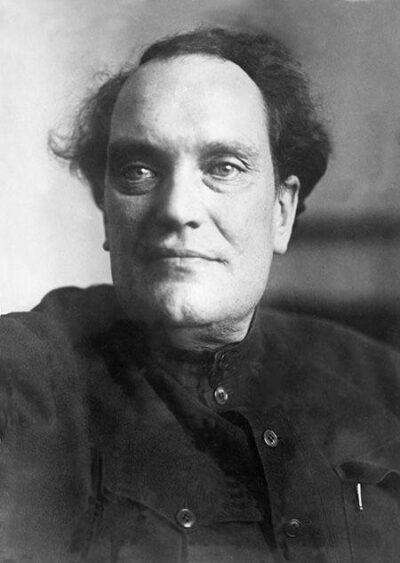 Valerian KuybyshevSoviet politician (1888-1935)
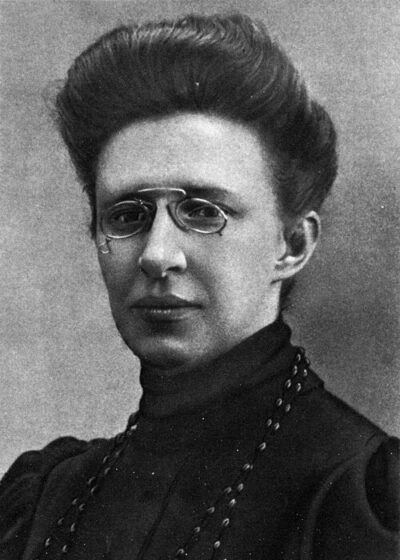 Elena StasovaRussian revolutionary, soviet politician (1873–1966)
 Leonid KrasinRussian revolutionary (1870-1926)
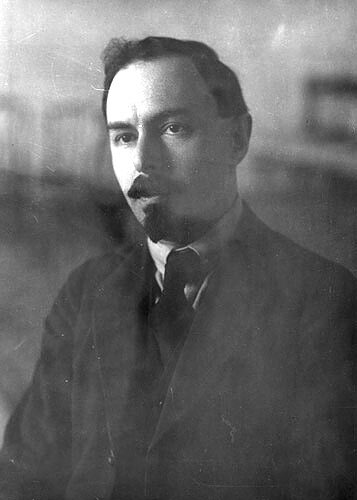 Grigori SokolnikovSoviet diplomat (1888–1939)
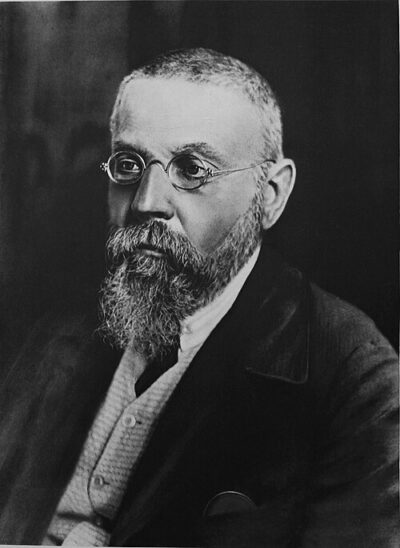 Mikhail PokrovskyRussian historian (1868–1932)
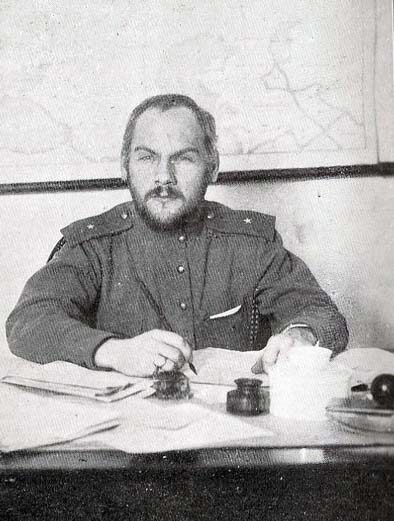 Nikolai KrylenkoRussian revolutionary, politician and chess organiser (1885-1938)
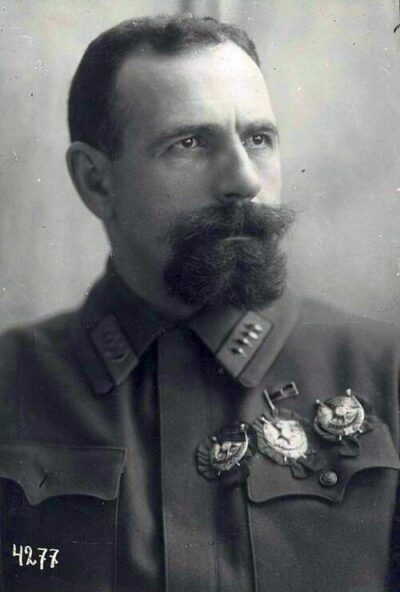 Pavel DybenkoSoviet admiral (1889-1938)
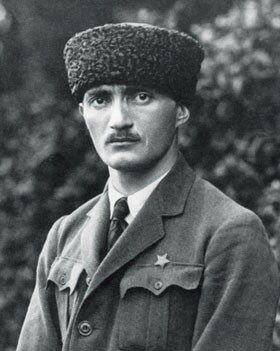 Nestor LakobaAbkhazian politician (1893-1936)
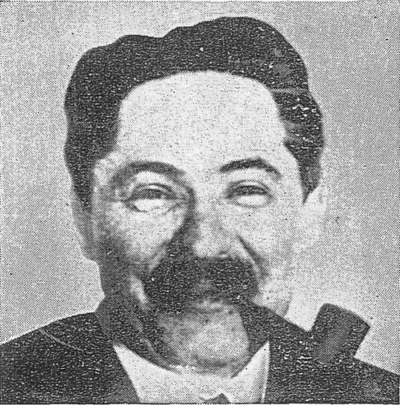 Dmitry ManuilskySoviet politician (1883–1959)
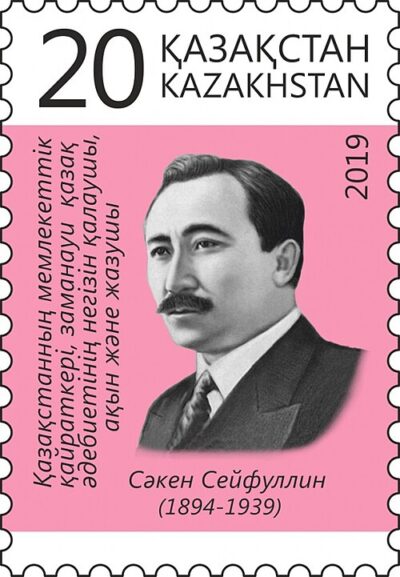 Saken Seyfullinpioneer of modern Kazakh literature (1894-1938)
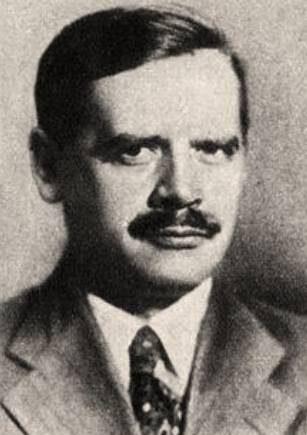 Andrey AndreyevSoviet politician (1895–1971)
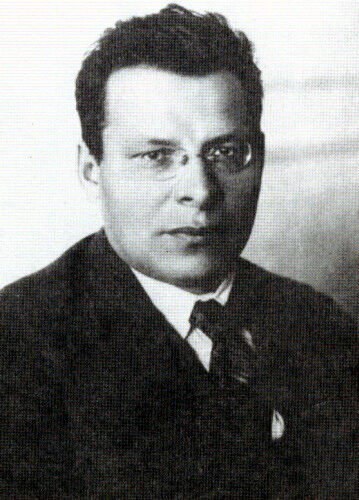 Jānis RudzutaksSoviet politician (1887-1938)
and 4 more
