Christian minister
Christian minister is a function of service in Christianity.
All 1 facts, and where they come from
Facts
1 facts · 0 confirmed by two sources · 0 cited · 1 from one source
Where this comes from
Papalocal keeps its own record. It started from these sources; what each one said is kept here as it was copied, so a change on their side never changes this page by itself. Tap one to read its version.
What Wikidata says · copied November 17, 2026 · revision 2567604672
- Described as
- function of service in Christianity
- Other names
- minister of religion, reverend, minister, religious minister
- What it is
- Christian religious occupation
- Wikipedias with a page
- 28
Wikidata item Q1423891 (wikidata.org/wiki/Q1423891), public domain (CC0). Copied 2026-11-17.
What Wikipedia says · copied November 17, 2026 · revision 1376492336
In Christianity, a minister is a person authorised by a church or other religious organization to perform functions such as teaching beliefs; leading services such as weddings, baptisms or funerals; or otherwise providing spiritual guidance to the community. The term is taken from Latin minister ("servant", "attendant"). It differs from other terms for religious leaders (priest, clergyman) in that it deemphasizes the significance of ordination. The term dates back to the Protestant Reformation with its rejection of mediatorial priesthood in favor of a Priesthood of all Believers. While the term is most prominently associated with Protestantism, it is also used in the Catholic Church as a broad term to describe persons who have been commissioned by the church to perform some act.
Ministers are also described as being men of the cloth. With respect to ecclesiastical address, many ministers are styled as "The Reverend"; however, some use "Pastor" or "Father" as a title.
From the Wikipedia article “Minister (Christianity)” (en.wikipedia.org/wiki/Minister_(Christianity)), by its contributors, under CC BY-SA 4.0 (creativecommons.org/licenses/by-sa/4.0/). Copied 2026-11-17; not changed.
Confirmed Two sources agree. Cited One source, and it names where it got it. One source One source, without a reference of its own. Sources disagree The sources disagree. We show the best-supported value and keep theirs below.
Picture: Wikimedia Commons: Canterbury Cap.jpg · See Commons file page
People connected 51
Occupation 50
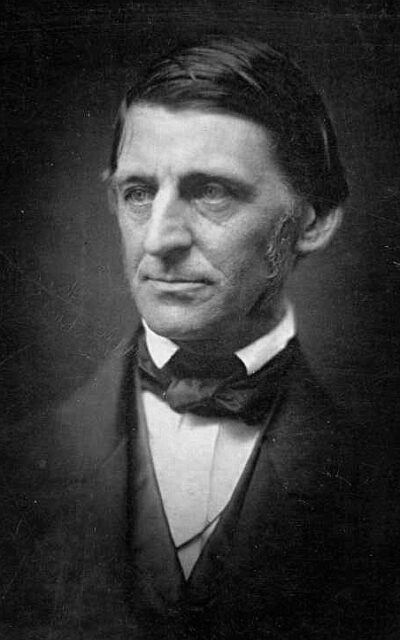 Ralph Waldo EmersonAmerican philosopher (1803–1882)
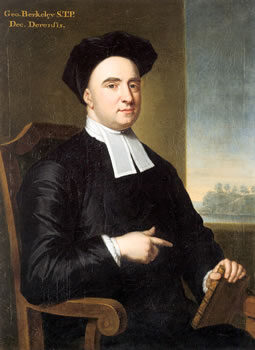 George BerkeleyIrish idealist philosopher and Anglican bishop (1685–1753)
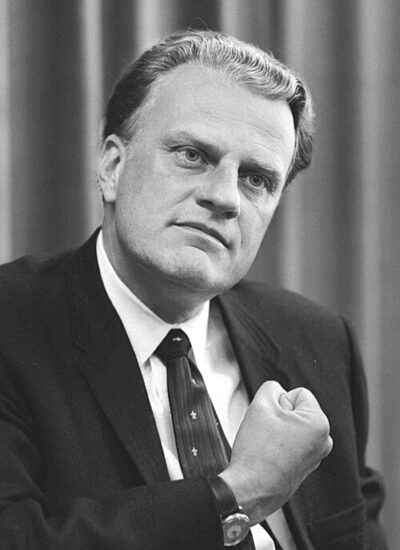 Billy GrahamAmerican Baptist evangelist (1918–2018)
 Fred RogersAmerican television personality (1928–2003)
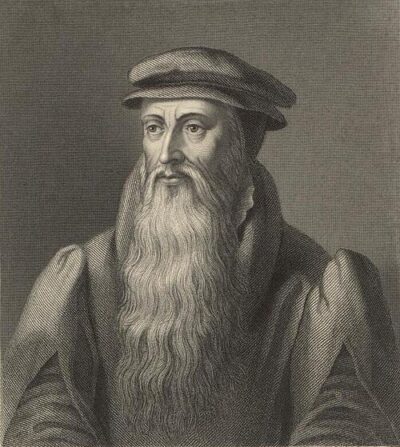 John KnoxScottish clergyman, writer and historian (1514–1572)
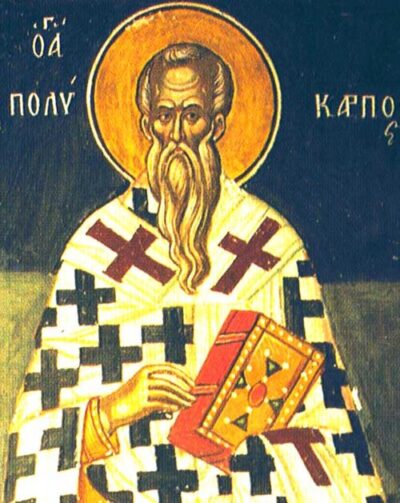 Polycarpbishop of Smyrna and martyr (69–155)
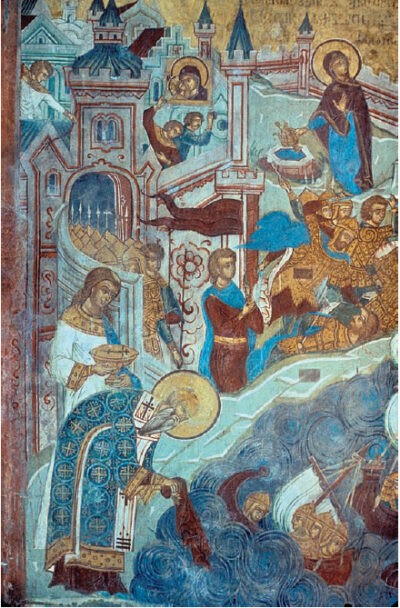 Photios I of Constantinople9th Century Ecumenical Patriarch of Constantinople
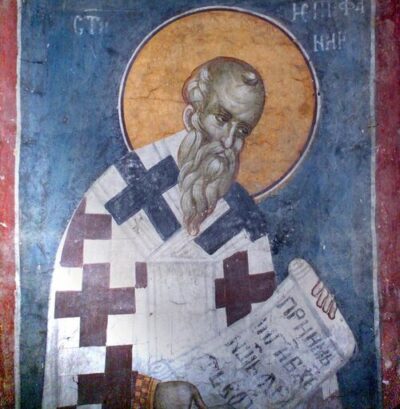 Epiphanius of Salamis4th century Christian bishop and saint
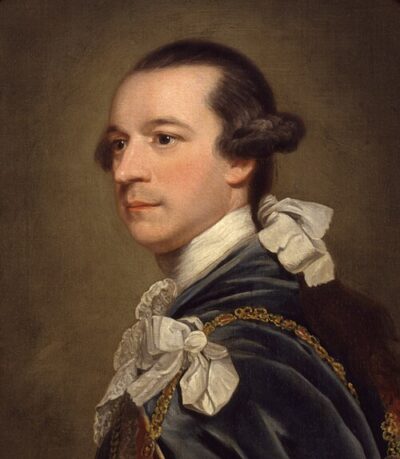 Charles Watson-Wentworth, 2nd Marquess of RockinghamBritish Prime Minister (1730-1782)
 Jonathan EdwardsChristian preacher, philosopher, and theologian (1703-1758)
 William OughtredEnglish mathematician and Anglican minister (1574–1660)
 Efraín Ríos Monttformer de facto President of Guatemala, army general, genocida and former president of Congress (1926-2018)
 Peter CanisiusDutch, Jesuit priest, Doctor of the Church, Roman Catholic saint
 Abraham KuyperPrime Minister of the Netherlands (1837-1920)
 Justin WelbyArchbishop of Canterbury from 2013 to 2025
 Nikephoros I of Constantinoplepatriarch of Constantinople
 Daniel François MalanSouth African Prime Minister (1874-1959)
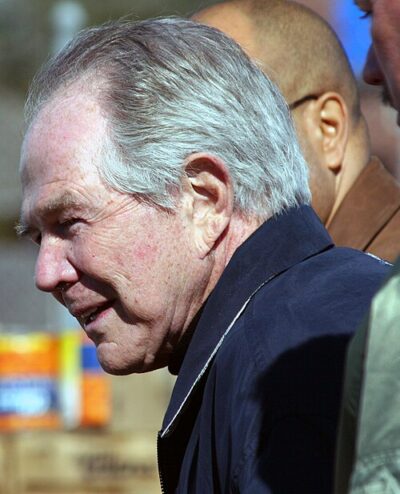 Pat RobertsonAmerican media mogul and minister (1930–2023)
 William LaudArchbishop of Canterbury (1573-1645)
 Mary DyerQuaker martyr
 Roger EtchegarayFrench cardinal (1922–2019)
 Cotton MatherAmerican religious minister and scientific writer (1663–1728)
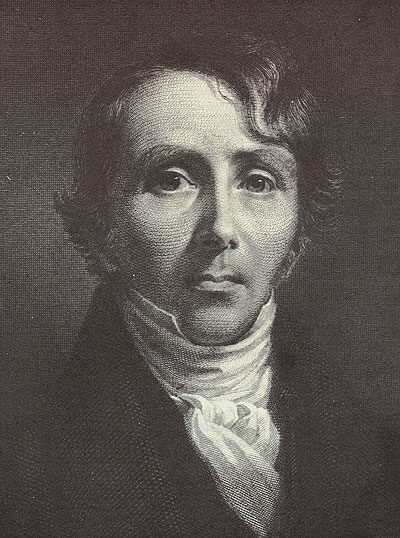 William Ellery ChanningAmerican Unitarian clergyman (1780–1842)
 Patriarch Theophilos III of JerusalemPatriarch of Jerusalem
and 26 more