Electorate of Saxony
Electorate of Saxony is a state of the Holy Roman Empire, established when Emperor Charles IV raised the Ascanian duchy of Saxe-Wittenberg to the status of an Electorate 1356.
- Founded
- 1356
- Country
- Holy Roman Empire
All 8 facts, and where they come from
Facts
8 facts · 0 confirmed by two sources · 0 cited · 8 from one source
Where this comes from
Papalocal keeps its own record. It started from these sources; what each one said is kept here as it was copied, so a change on their side never changes this page by itself. Tap one to read its version.
What Wikidata says · copied November 17, 2026 · revision 2567654439
- Described as
- state of the Holy Roman Empire, established when Emperor Charles IV raised the Ascanian duchy of Saxe-Wittenberg to the status of an Electorate 1356
- Other names
- Upper Saxony, Saxony
- What it is
- electoral principate; state in the Holy Roman Empire; historical country
- Comes after
- Duchy of Saxe-Wittenberg
- Followed by
- Kingdom of Saxony
- Founded
- 1356
- Ended
- December 19, 1806
- Country
- Holy Roman Empire
- Wikipedias with a page
- 49
Wikidata item Q156199 (wikidata.org/wiki/Q156199), public domain (CC0). Copied 2026-11-17.
What Wikipedia says · copied November 17, 2026 · revision 1379921866
The Electorate of Saxony was an Electorate of the Holy Roman Empire. Centred on the Duchy of Saxe-Wittenberg with its capital at Dresden, Saxony was one of the most significant states within the empire. Formally known as the Prince-Elector of Saxony, its rulers came first from the House of Ascania from 1356 to 1422, then the House of Wettin until 1806, when it was replaced by the Kingdom of Saxony.
From the Wikipedia article “Electorate of Saxony” (en.wikipedia.org/wiki/Electorate_of_Saxony), by its contributors, under CC BY-SA 4.0 (creativecommons.org/licenses/by-sa/4.0/). Copied 2026-11-17; not changed.
Confirmed Two sources agree. Cited One source, and it names where it got it. One source One source, without a reference of its own. Sources disagree The sources disagree. We show the best-supported value and keep theirs below.
People connected 38
Citizen of 37
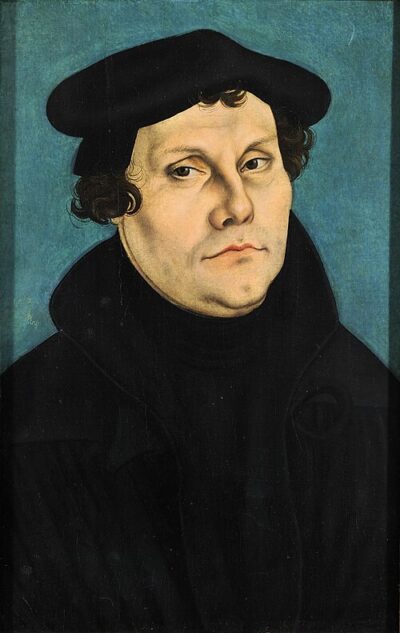 Martin LutherGerman priest and theologian (1483–1546)
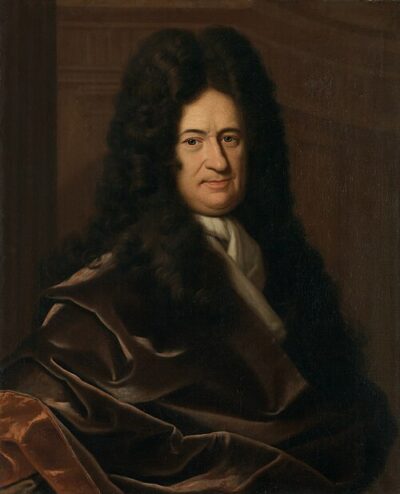 Gottfried Wilhelm LeibnizGerman mathematician and philosopher (1646–1716)
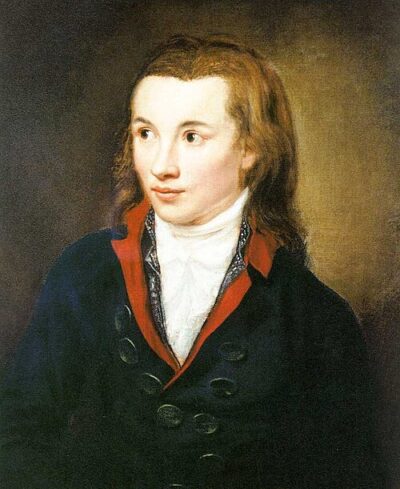 NovalisGerman poet and writer (1772-1801)
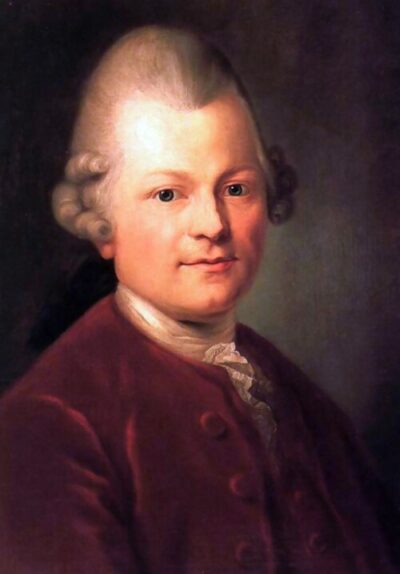 Gotthold Ephraim LessingGerman writer, philosopher, publicist, and art critic (1729-1781)
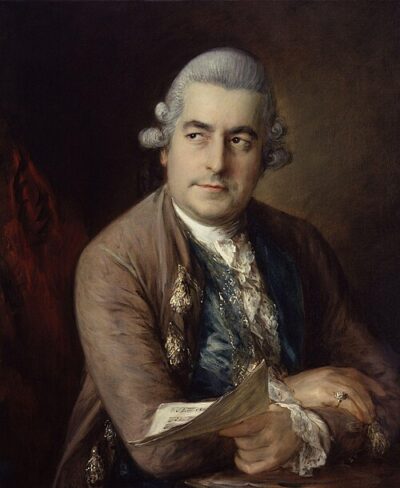 Johann Christian BachGerman composer (1735–1782)
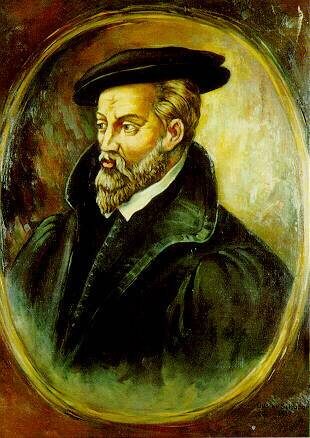 Georgius AgricolaGerman physician and mineralogist (1494-1555)
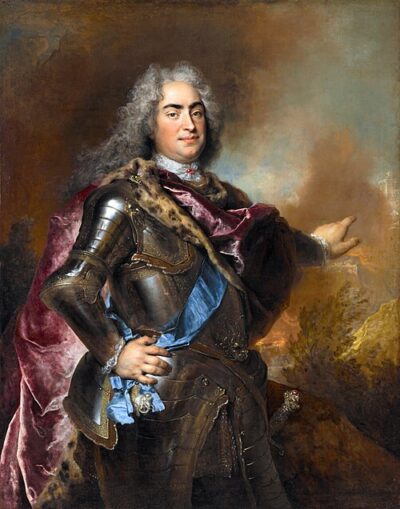 Augustus II the StrongKing of Poland, Grand Duke of Lithuania and Elector of Saxony (1670–1733)
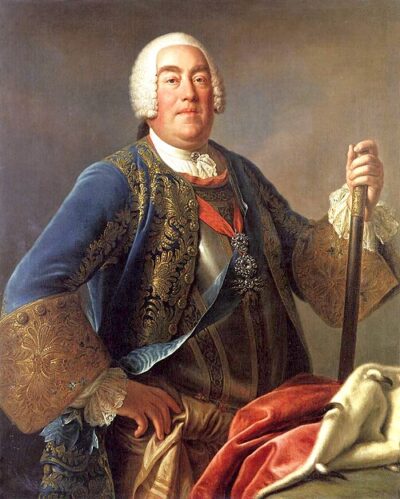 Augustus III of PolandKing of Poland, Elector of Saxony (1696-1763)
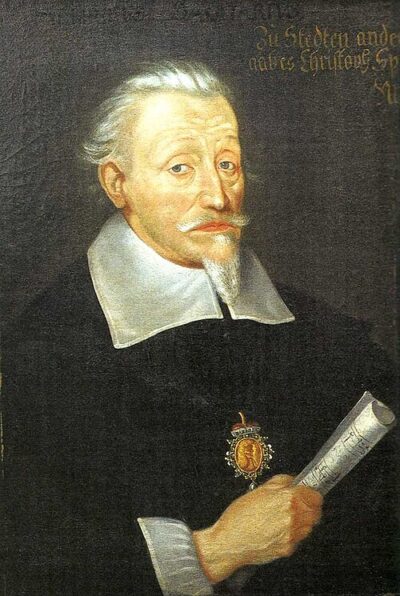 Heinrich SchützGerman composer and organist (1585–1672)
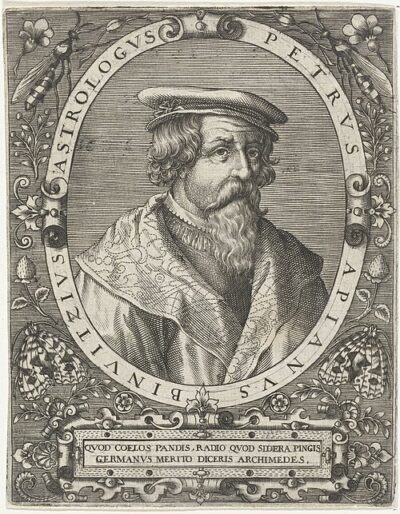 Petrus ApianusGerman astronomer, mathematician and cartographer (1495-1552)
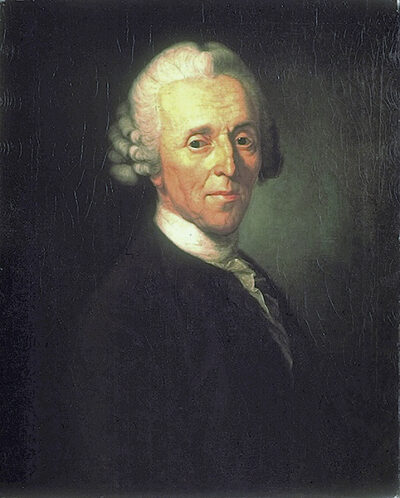 Christian Fürchtegott GellertGerman poet
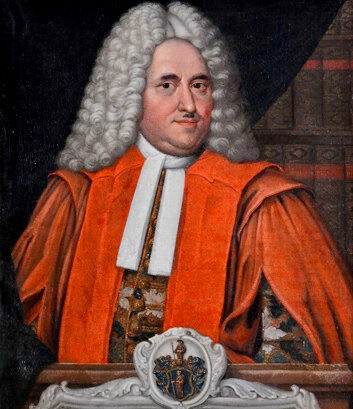 Christian ThomasiusGerman philosopher (1655-1728)
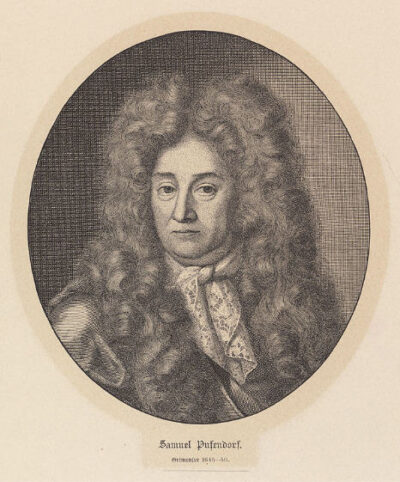 Samuel von PufendorfGerman philosopher (1632–1694)
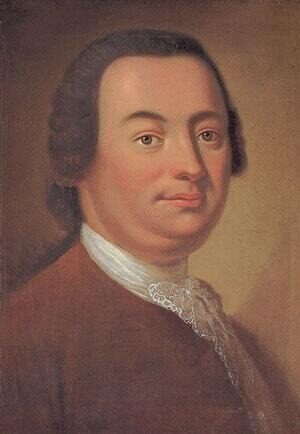 Johann Christoph Friedrich BachGerman musician and composer (1732–1795)
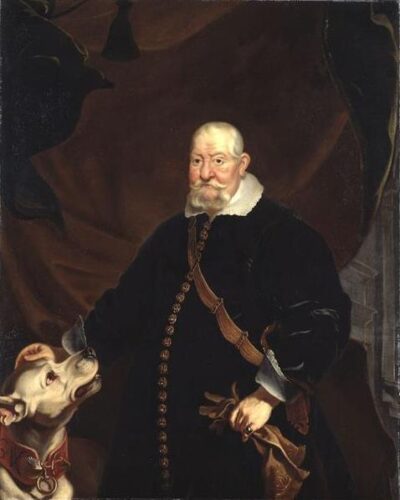 Johann Georg I, Elector of Saxonyelector of Saxony
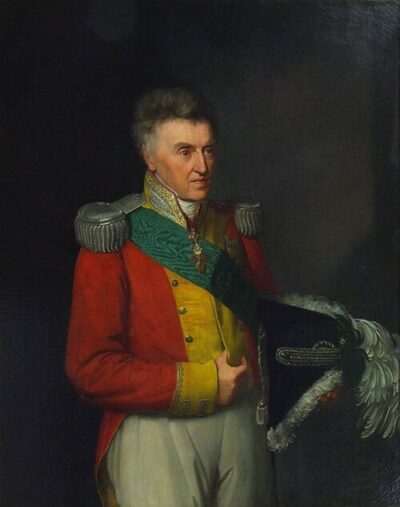 Anton I of SaxonyKing of Saxony (1755-1836)
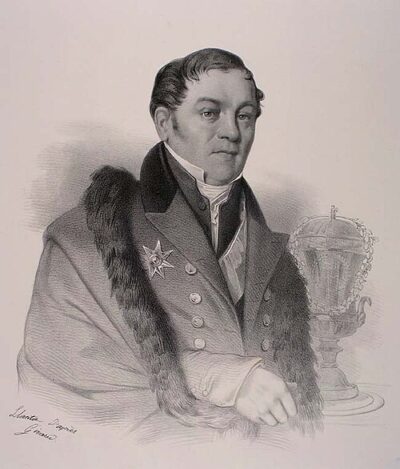 Gotthelf Fischer von WaldheimSaxon anatomist, entomologist and paleontologist
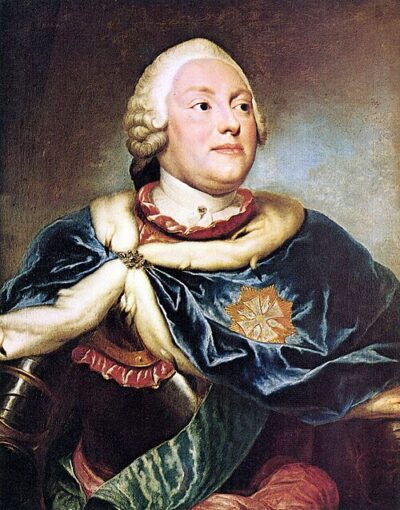 Friedrich Christian I, Elector of SaxonyElector of Saxony (1722-1763)
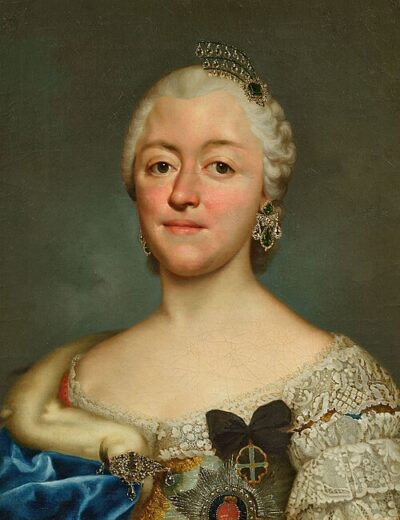 Maria Antonia Walpurgis of BavariaGerman composer, opera singer and librettist (1724-1780)
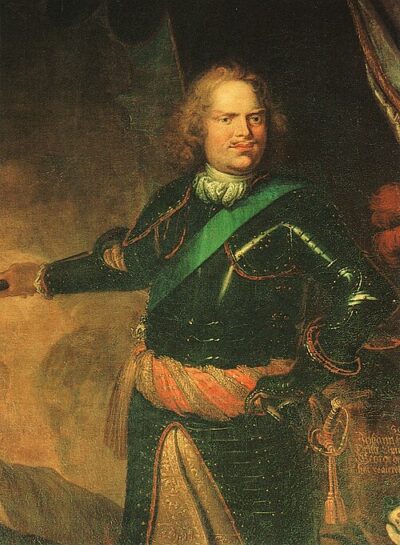 John George III of SaxonyElector of Saxony from 1680 to 1691
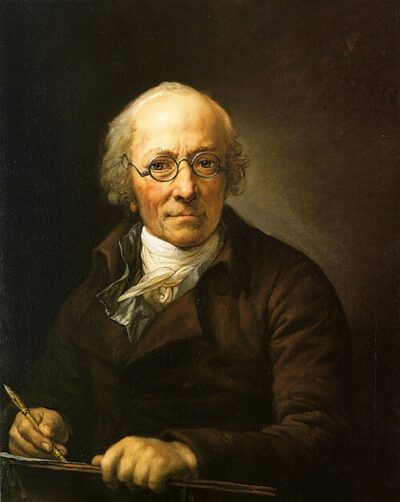 Anton GraffSwiss portrait artist (1736–1813)
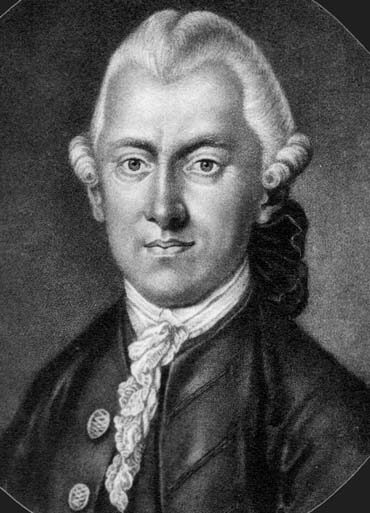 Johann Christian Daniel von SchreberGerman naturalist (1739–1810)
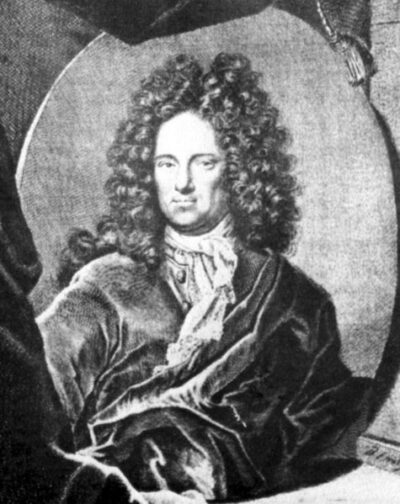 Ehrenfried Walther von TschirnhausGerman mathematician and philosopher (*1651 – †1708)
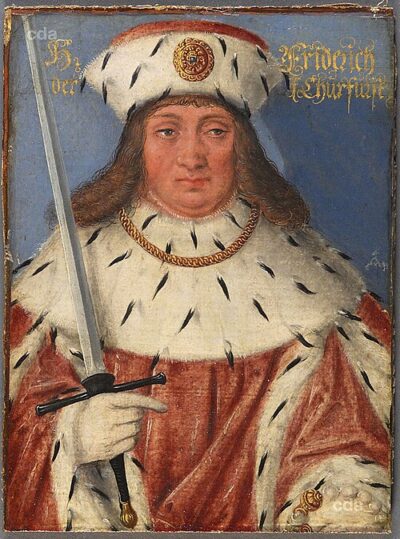 Frederick IElector of Saxony
and 13 more