

King of Kings
The King of Kings is a ruling title used by certain historical monarchs. It is an office of the Achaemenid Empire.
- Office of
- Achaemenid Empire
All 4 facts, and where they come from
Facts
4 facts · 0 confirmed by two sources · 0 cited · 4 from one source
Where this comes from
Papalocal keeps its own record. It started from these sources; what each one said is kept here as it was copied, so a change on their side never changes this page by itself. Tap one to read its version.
What Wikidata says · copied November 17, 2026 · revision 2528427750
- Described as
- ruling title used by certain historical monarchs
- Other names
- King of kings, lord of lords, Shahanshah, King of the Kings
- What it is
- title of honor; position; noble title
- Office of
- Achaemenid Empire
- Wikipedias with a page
- 45
Wikidata item Q938153 (wikidata.org/wiki/Q938153), public domain (CC0). Copied 2026-11-17.
What Wikipedia says · copied November 17, 2026 · revision 1385808335
King of Kings was an imperial title employed primarily by monarchs based in the Middle East and the Indian subcontinent. Commonly associated with Iran (historically known as Persia), especially the Achaemenid and Sasanian Empires, the title was originally introduced during the Middle Assyrian Empire by King Tukulti-Ninurta I (reigned 1233–1197 BC) and was subsequently used in a number of different kingdoms and empires, including the aforementioned Persia, various Hellenic kingdoms, India, Armenia, Georgia, and Ethiopia.
The title is commonly seen as equivalent to that of Emperor, both titles outranking that of king in prestige, stemming from the late antique Roman and Eastern Roman emperors who saw the Shahanshahs of the Sasanian Empire as their equals. The last reigning monarchs to use the title of Shahanshah, those of the Pahlavi dynasty in Iran (1925–1979), also equated the title with "Emperor". The rulers of the Ethiopian Empire used the title of Nəgusä Nägäst (literally "King of Kings"), which was officially translated as "Emperor". Sultan of Sultans is the sultanic equivalent of King of Kings and similarly, Khagan can mean "Khan of Khans". Later, lesser versions Amir al-umara ("Emir of Emirs") and Beylerbey ("Bey of Beys") appeared.
In Judaism, Melech Malchei HaMelachim ("the King of Kings of Kings") came to be used as a name of God. "King of Kings" (Ancient Greek: βασιλεὺς τῶν βασιλευόντων, romanized: basileùs ton basileuónton) is also used in reference to Jesus Christ several times in the Bible, notably in the First Epistle to Timothy and twice in the Book of Revelation.
From the Wikipedia article “King of Kings” (en.wikipedia.org/wiki/King_of_Kings), by its contributors, under CC BY-SA 4.0 (creativecommons.org/licenses/by-sa/4.0/). Copied 2026-11-17; not changed.
Confirmed Two sources agree. Cited One source, and it names where it got it. One source One source, without a reference of its own. Sources disagree The sources disagree. We show the best-supported value and keep theirs below.
Picture: Wikimedia Commons: Darius In Parse.JPG · See Commons file page
People connected 16
Held this office
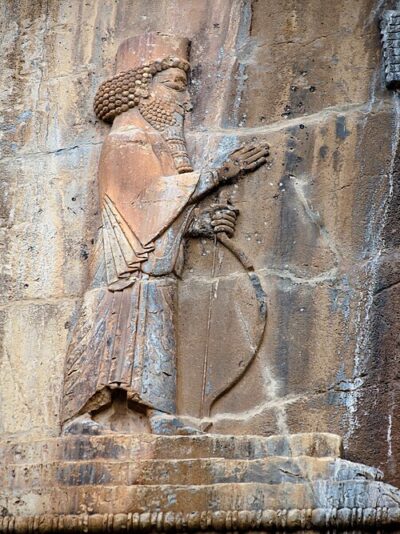 Artaxerxes III (–-338)11th Achaemenid Emperor (358–338 BC)
 Kavad I (488–531)Sasanian King of Kings (488–531)
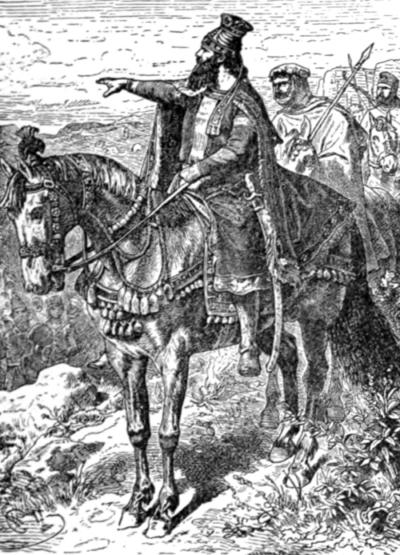 Cyrus the Great (-559–-530)founder of the Achaemenid Empire (559–529 BC)
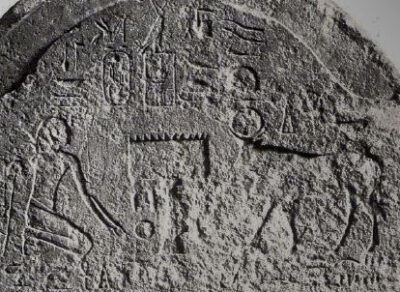 Cambyses II (-530–-522)The second Achaemenid emperor (530–522 BC)
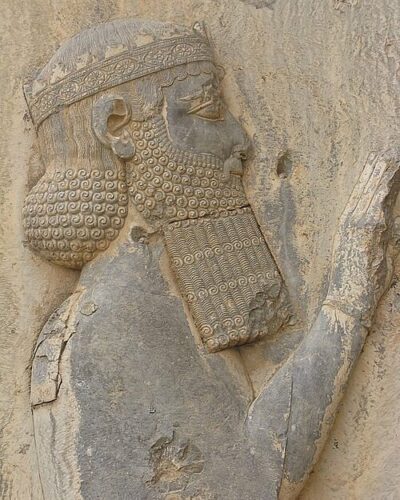 Darius I (-522–-486)The fourth and greatest Achaemenid emperor (522–486 BC)
 Bardiya (-522)Son of Cyrus the Great (died c. 522 BC)
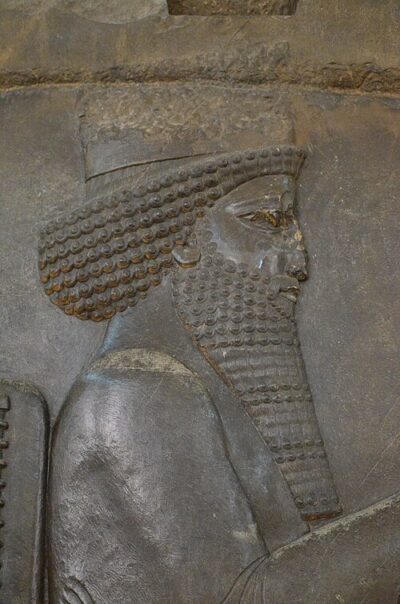 Xerxes I (-486–-465)fifth Achaemenid emperor (486–465 BC)
- SSogdianus (-424–-423)brief ruler of the Achaemenid Empire (423 BC)
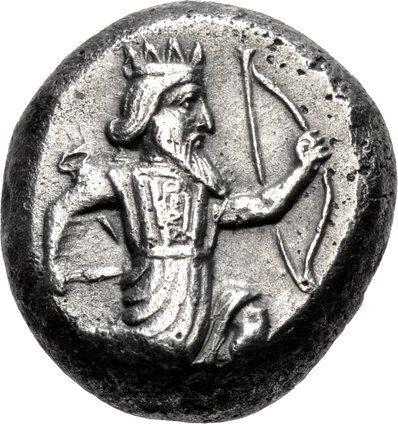 Xerxes II (-424)brief ruler of the Achaemenid Empire (died 424 BC)
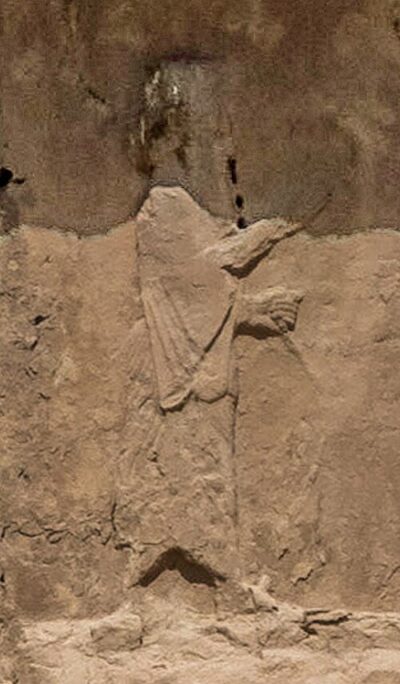 Darius II (-423–)The ninth Achaemenid emperor (423–404 BC)
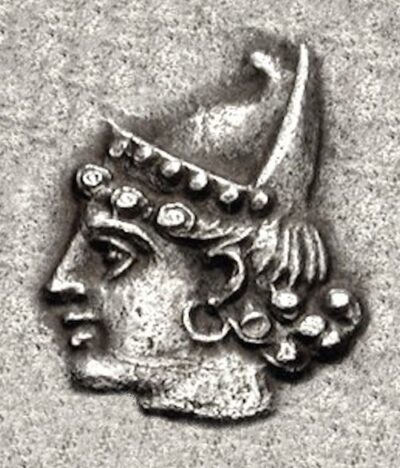 Arses (-338–-336)The 12th Achaemenid Emperor (338–336 BC)
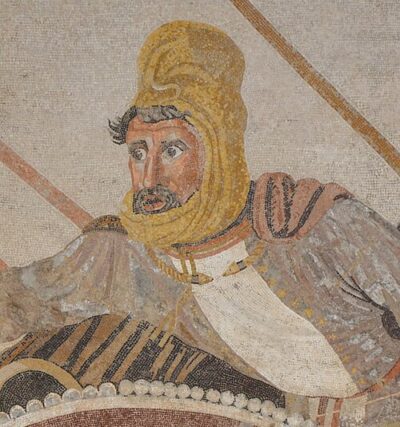 Darius III (-336–-330)last king of the Achaemenid Empire (r. 336–330 BC)
 Musa of Parthia (-2–4)Italian consort of Phraates IV
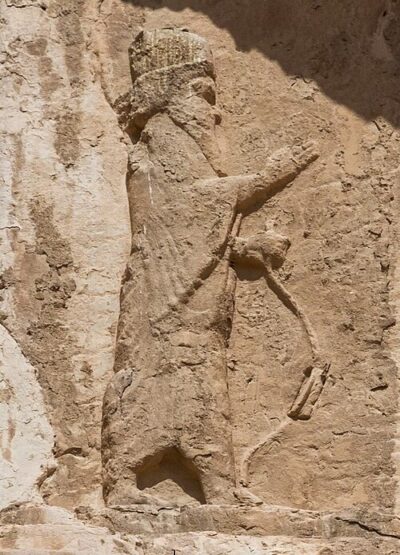 Artaxerxes Isixth Achaemenid emperor (475–424 BC)
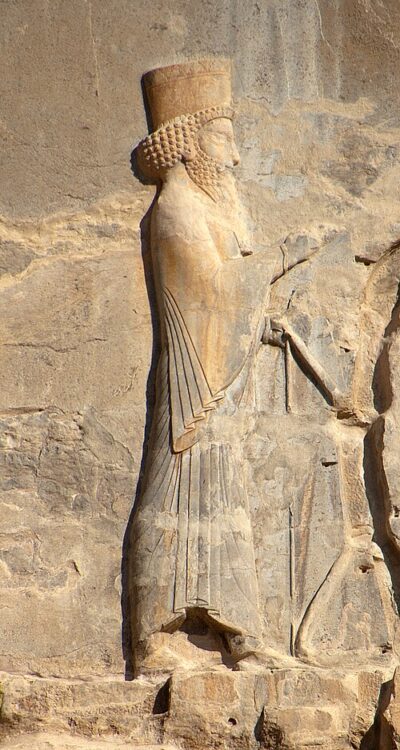 Artaxerxes IIThe 10th Achaemenid Emperor (404–358 BC)
 Bahram ChobinSasanian general and political leader (died 591)
