
Leader of the Labour Party
The Leader of the Labour Party is the most senior politician within the British Labour Party. It was created in 1906.
- Country
- United Kingdom
- Created
- January 17, 1906
All 3 facts, and where they come from
Facts
3 facts · 0 confirmed by two sources · 0 cited · 3 from one source
Where this comes from
Papalocal keeps its own record. It started from these sources; what each one said is kept here as it was copied, so a change on their side never changes this page by itself. Tap one to read its version.
What Wikidata says · copied November 16, 2026 · revision 2569779606
- Described as
- most senior politician within the British Labour Party
- Other names
- British Leader of the Labour Party
- What it is
- position
- Created
- January 17, 1906 · 1 reference
- Country
- United Kingdom
- Wikipedias with a page
- 15
Wikidata item Q3615378 (wikidata.org/wiki/Q3615378), public domain (CC0). Copied 2026-11-16.
What Wikipedia says · copied November 16, 2026 · revision 1375909092
The leader of the Labour Party is the highest political office within the British Labour Party. The current holder of the position is Andy Burnham since 17 July 2026, following his victory in the 2026 Labour Party leadership election.
The position of leader was officially codified in the Labour Party's constitution in 1922. Before this, from when Labour MPs were first elected at the 1906 general election and the 1922 general election (the first election that saw substantial gains for the Labour Party), the position of leader was known as Chairman of the Parliamentary Labour Party (PLP). Following the 1970 general election, the positions of party leader and PLP chair were separated.
In 1921, J. R. Clynes became the first Leader of the Labour Party to have been born in England; all leaders before him had been born in Scotland. Following the 1924 general election, Ramsay MacDonald became the first party leader to become Prime Minister of the United Kingdom, leading a minority government which lasted nine months. Following the 1945 general election, Clement Attlee became the first leader to form a majority government. In 1983, Neil Kinnock became the first party leader to have been born in Wales. The only two party leaders not to have contested general elections (excluding acting leaders) are George Lansbury, who resigned, and John Smith, who died in office.
To date, the only leaders to have led the party to victory in general elections are Ramsay MacDonald, Clement Attlee, Harold Wilson, Tony Blair and Keir Starmer. Out of the five, Wilson won four general elections out of five contested, in 1964, 1966, February 1974 (forming a minority government) and October 1974. Blair won three consecutive electoral victories in 1997, 2001 (both landslide victories), and 2005. Attlee, the first leader to lead Labour to a majority in 1945, also won in 1950. Starmer led Labour to a landslide victory in 2024, although his victory was tempered by a percentage share of the popular vote that was the lowest of any party forming a majority government in British electoral history. Both James Callaghan and Gordon Brown also served as prime minister, but did not win general elections. Three Labour leaders subsequently stood against official Labour Party candidates at general elections, George Barnes, MacDonald and Jeremy Corbyn.
When the Labour Party forms the Government of the United Kingdom, the leader is expected to serve as prime minister, First Lord of the Treasury and Minister for the Civil Service, as well as appointing and chairing the Cabinet. Concordantly, when the party is in Opposition, the leader is expected to act as the Leader of the Opposition and to chair the Shadow Cabinet.
From the Wikipedia article “Leader of the Labour Party (UK)” (en.wikipedia.org/wiki/Leader_of_the_Labour_Party_(UK)), by its contributors, under CC BY-SA 4.0 (creativecommons.org/licenses/by-sa/4.0/). Copied 2026-11-16; not changed.
Confirmed Two sources agree. Cited One source, and it names where it got it. One source One source, without a reference of its own. Sources disagree The sources disagree. We show the best-supported value and keep theirs below.
People connected 17
Held this office
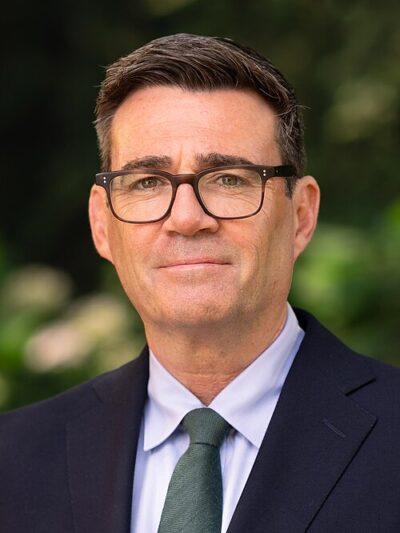 Andy Burnham (2026–)British politician
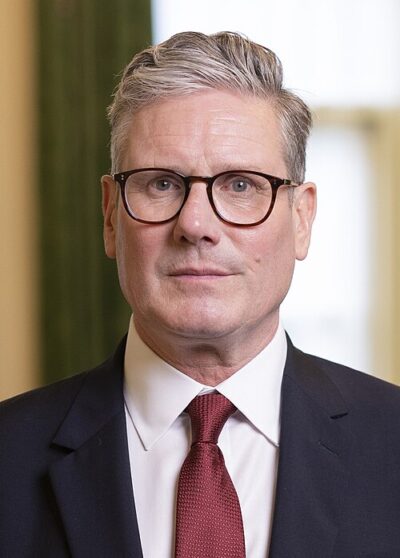 Keir Starmer (2020–2026)Prime Minister of the United Kingdom from 2024 to 2026
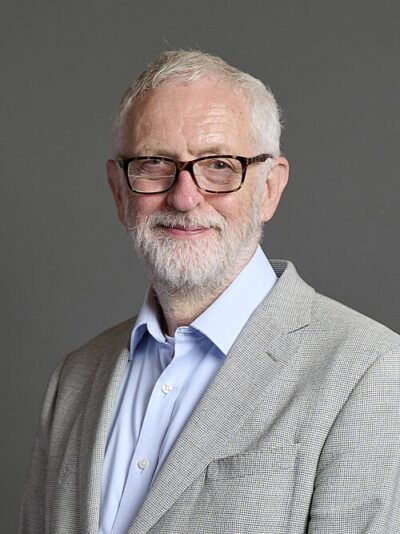 Jeremy Corbyn (2015–2020)British politician, leader of the Labour Party 2015 to 2020
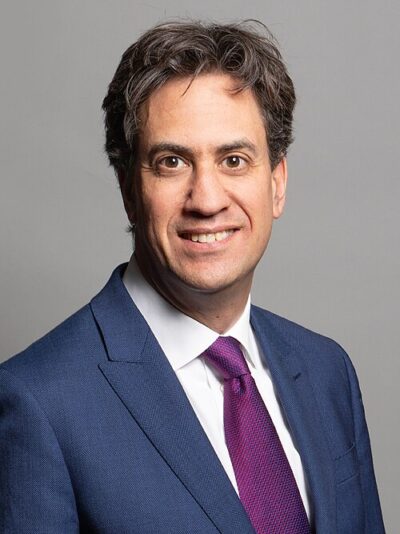 Ed Miliband (2010–2015)British politician (born 1969)
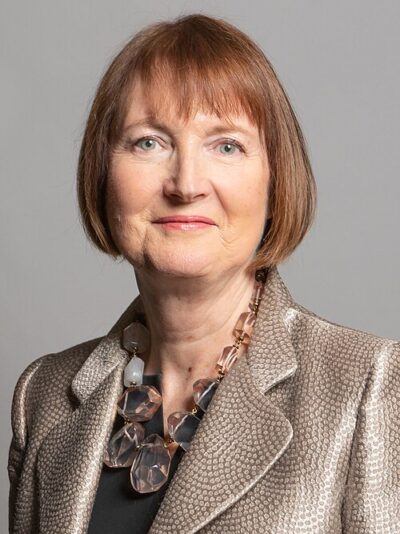 Harriet Harman (2010–2015)British politician (born 1950)
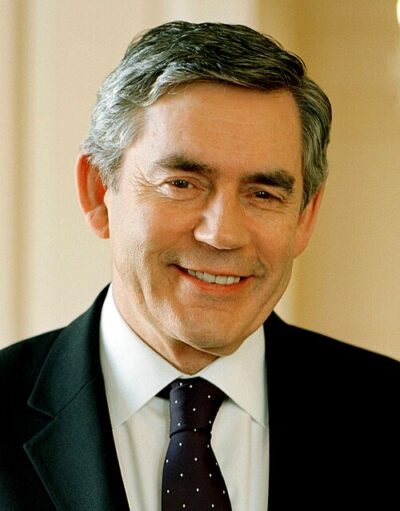 Gordon Brown (2007–2010)Prime Minister of the United Kingdom from 2007 to 2010
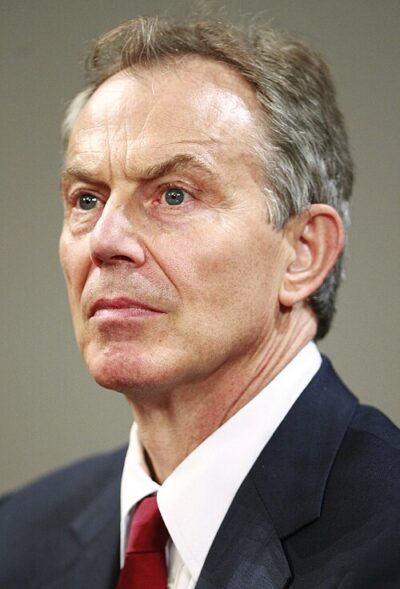 Tony Blair (1994–2007)Prime Minister of the United Kingdom from 1997 to 2007
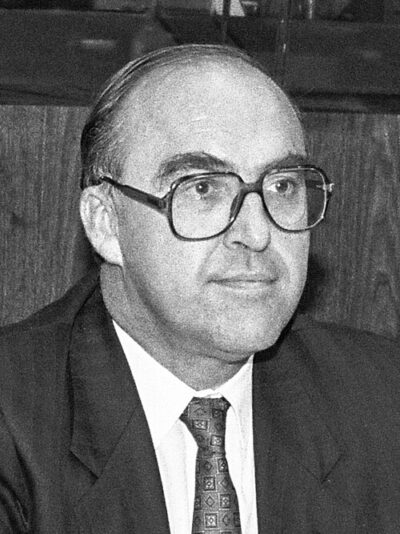 John Smith (1992–1994)Labour Party leader from Scotland (1938-1994)
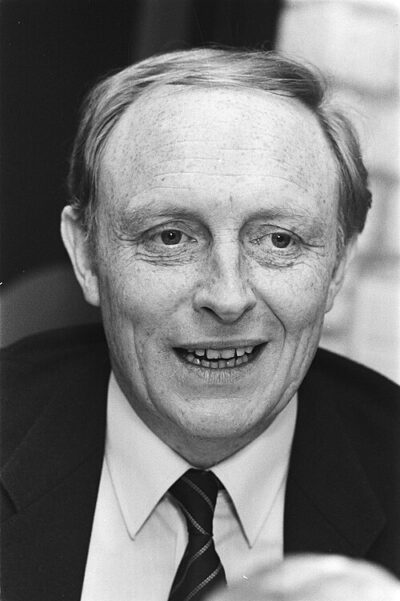 Neil Kinnock (1983–1992)British politician (1942-)
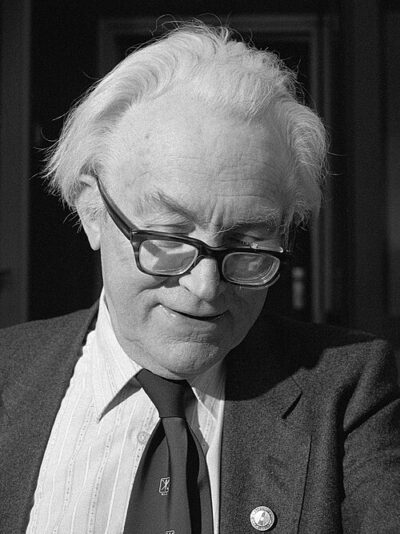 Michael Foot (1980–1983)British politician (1913-2010)
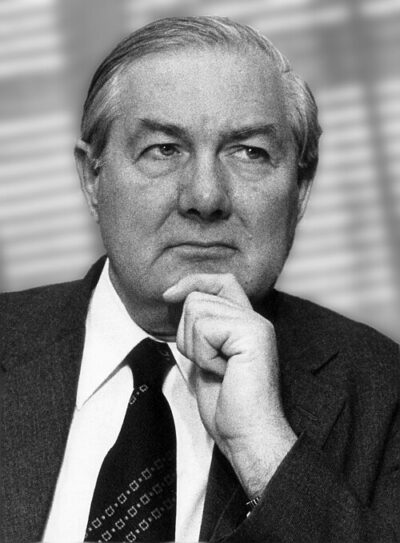 James Callaghan (1976–1980)former prime minister of the United Kingdom (1912–2005)
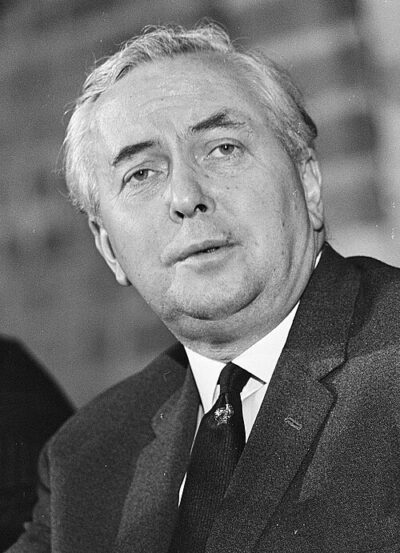 Harold Wilson (1963–1976)Prime Minister of the United Kingdom from 1964-1970 and 1974-1976 (1916–1995)
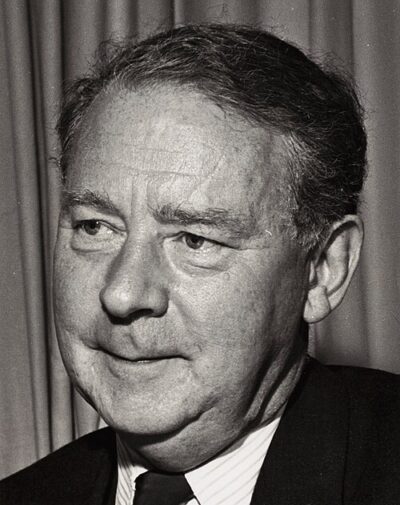 Hugh Gaitskell (1955–1963)British politician (1906-1963)
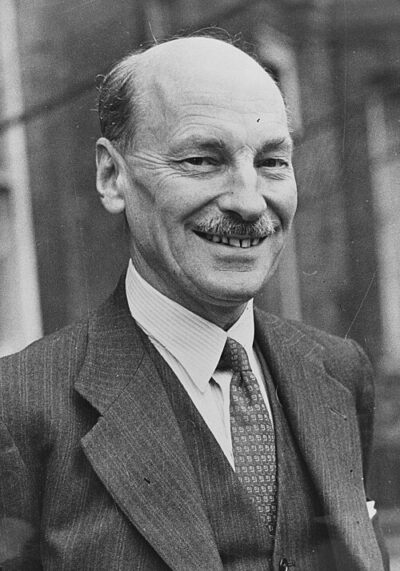 Clement Attlee (1935–1955)Prime Minister of the United Kingdom from 1945 to 1951 (1883–1967)
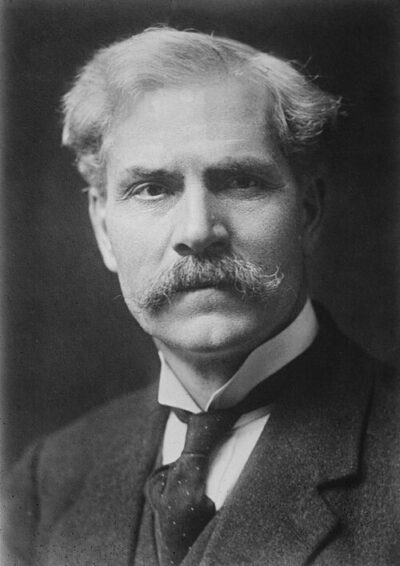 Ramsay MacDonald (1911–1931)British prime minister in 1924 and 1929 to 1935 (1866–1937)
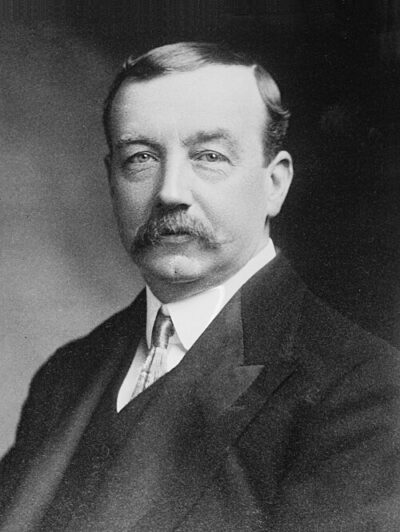 Arthur Henderson (1908–1932)British politician (1863-1935)
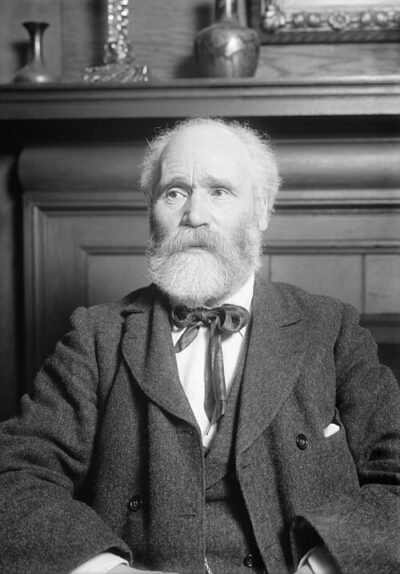 Keir Hardie (1906–1908)Scottish socialist and labour leader (1856–1915)
