
L'Oréal-UNESCO Award For Women in Science
L'Oréal-UNESCO Award For Women in Science is a scientific award. It was created in 1998.
All 7 facts, and where they come from
Facts
7 facts · 0 confirmed by two sources · 2 cited · 5 from one source
Where this comes from
Papalocal keeps its own record. It started from these sources; what each one said is kept here as it was copied, so a change on their side never changes this page by itself. Tap one to read its version.
What Wikidata says · copied November 16, 2026 · revision 2538679639
- Described as
- scientific award
- Other names
- Helena Rubinstein Women in Science Awards
- What it is
- science award
- Created
- 1998
- Country
- France
- Given by
- UNESCO · 1 reference; L'Oréal
- Field
- natural science · 1 reference
- Official website
- https://www.forwomeninscience.com/
- Wikipedias with a page
- 26
Wikidata item Q1786381 (wikidata.org/wiki/Q1786381), public domain (CC0). Copied 2026-11-16.
What Wikipedia says · copied November 16, 2026 · revision 1375526251
The L'Oréal-UNESCO For Women in Science International Awards, created in 1998, aim to improve the position of women in science by recognizing outstanding women researchers who have contributed to scientific progress. The awards are a result of a partnership between the Foundation of the French company L'Oréal and the United Nations Educational, Scientific and Cultural Organization (UNESCO) and carry a grant of $100,000 USD for each laureate. This award is also known as the L'Oréal-UNESCO Women in Science Awards.
Each year an international jury awards five laureates, selecting one from each of the following regions:Africa and the Arab States.
Asia and the Pacific
Europe
Latin America and the Caribbean
North America (since 2000)
Eligibility requirements alternate every other year based on scientific discipline with laureates in life sciences recognized in even years and laureates in physical sciences, mathematics and computer science recognized in odd years (since 2003).
The same partnership awards the UNESCO-L'Oréal International Fellowships, providing up to $40,000 USD in funding over two years to fifteen young women scientists engaged in exemplary and promising research projects. The Fellowship awards began in 2000 with a one-year award of US$20,000 and offered ten awards until 2003. In 2003, the number of awards increased to 15 and then in 2006, the grant period extended to two years and the amount of the award increased to US$40,000. In 2015, the name Rising Talent Grants was implemented.
As of 2023, 7 L'Oréal-UNESCO laureates have won also a Nobel Prize, these are: Christiane Nüsslein-Volhard in Physiology or Medicine (1995 - unlike the others, she had won the Nobel Prize before receiving this International Award), Elizabeth Blackburn in Physiology or Medicine (2009), Ada Yonath in Chemistry (2009), Emmanuelle Charpentier in Chemistry (2020), Jennifer Doudna in Chemistry (2020), Katalin Karikó in Physiology or Medicine (2023) and Anne L'Huillier in Physics (2023).
From the Wikipedia article “L'Oréal-UNESCO For Women in Science Awards” (en.wikipedia.org/wiki/L'Oréal-UNESCO_For_Women_in_Science_Awards), by its contributors, under CC BY-SA 4.0 (creativecommons.org/licenses/by-sa/4.0/). Copied 2026-11-16; not changed.
Confirmed Two sources agree. Cited One source, and it names where it got it. One source One source, without a reference of its own. Sources disagree The sources disagree. We show the best-supported value and keep theirs below.
People connected 20
Won it
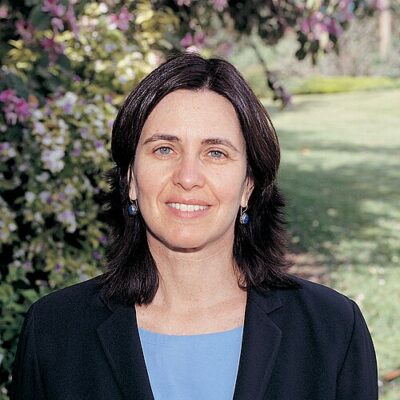 Shafrira Goldwasser (2021)American computer scientist
 Alicia Dickenstein (2021)Argentine mathematician
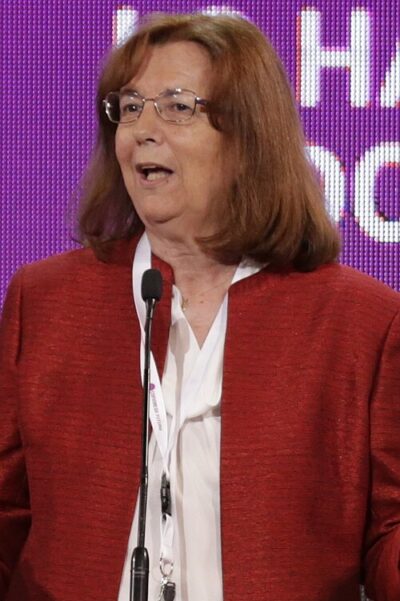 María Teresa Ruiz (2017)Chilean astronomer
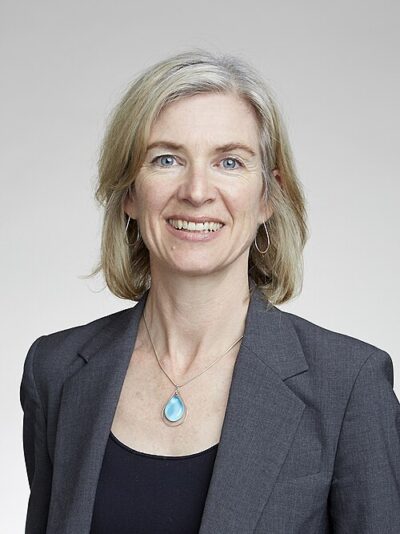 Jennifer Doudna (2016)American biochemist
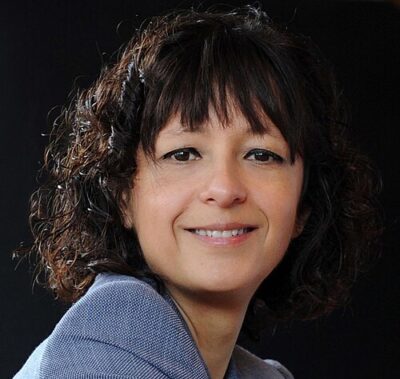 Emmanuelle Charpentier (2016)French microbiologist and biochemist (born 1968)
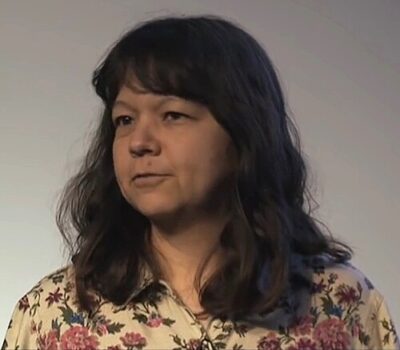 Deborah S. Jin (2013)American physicist (1968–2016)
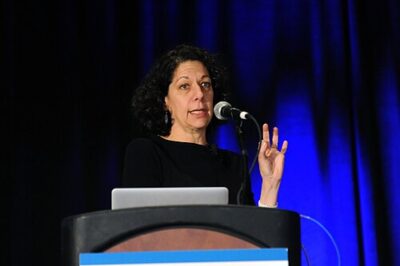 Bonnie L. Bassler (2012)American molecular biologist
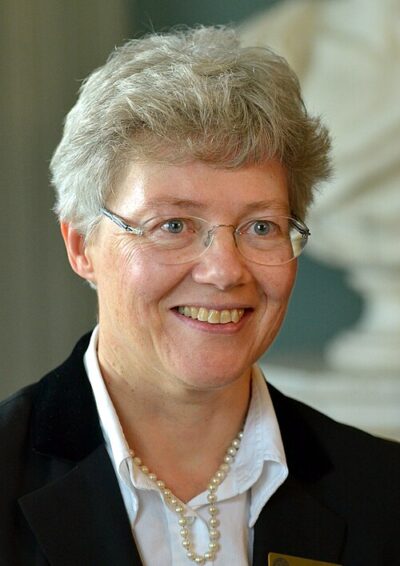 Anne L'Huillier (2011)French physicist
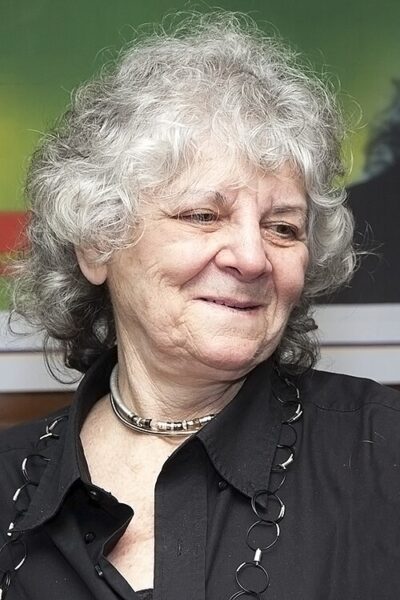 Ada Yonath (2008)Israeli structural biologist and Nobel laureate (1939–2026)
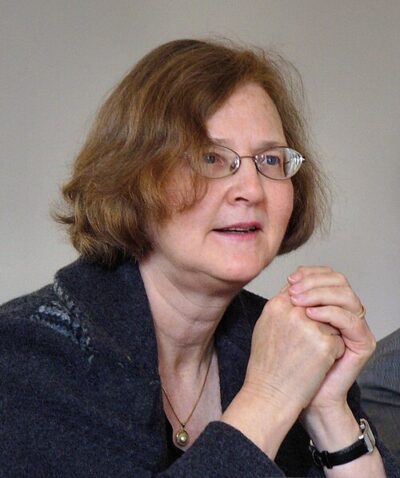 Elizabeth Blackburn (2008)Australian-American biological researcher
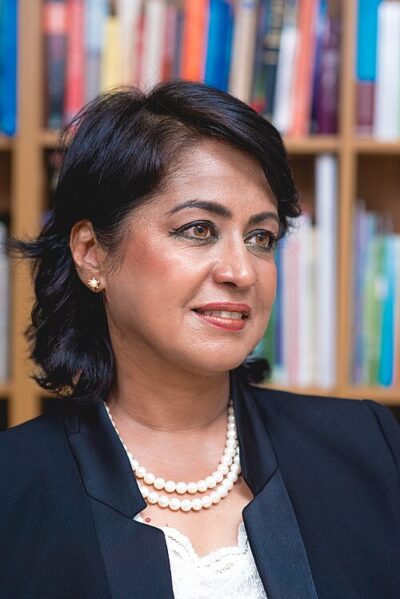 Ameenah Gurib-Fakim (2007)scientist and president of Mauritius
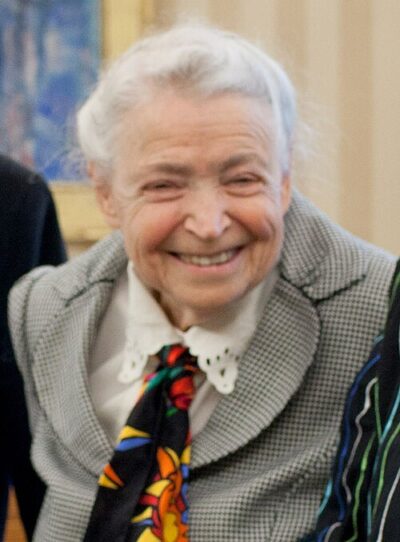 Mildred Dresselhaus (2007)American physicist (1930-2017)
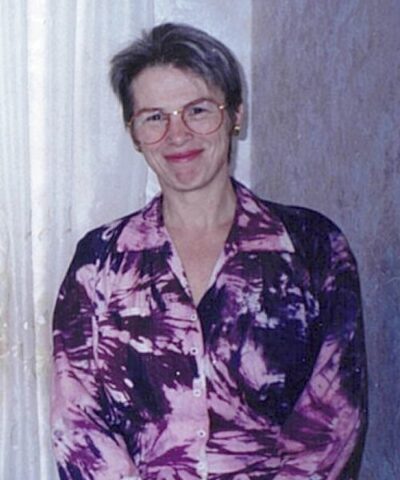 Philippa Marrack (2004)United States-based English biologist and immunologist
- AAyşe Erzan (2003)Turkish physicist (born 1949)
- IIndira Nath (2002)Indian immunologist
- AAnne McLaren (2001)British developmental biologist (1927–2007)
- SSuzanne Cory (2001)Australian molecular biologist
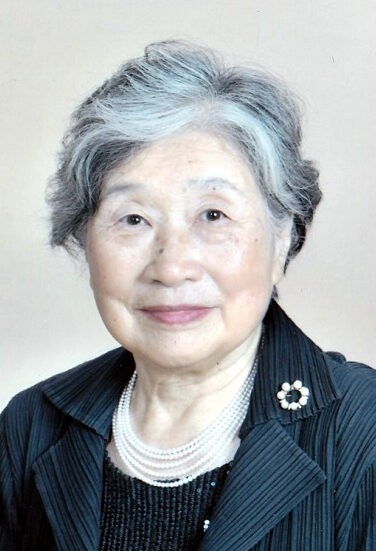 Tsuneko Okazaki (2000)Japanese molecular biologist (1933–2026)
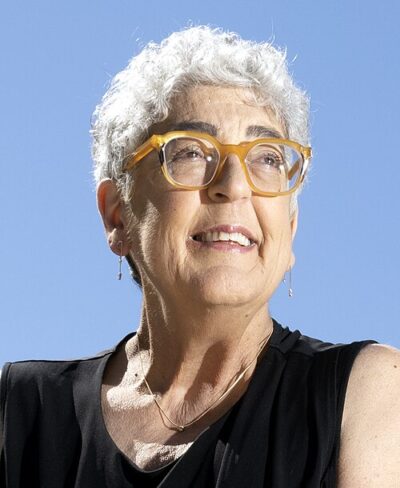 Joanne Chory (2000)American plant biologist and geneticist (1955–2024)
 Grace Oladunni Taylor (1998)Nigerian biochemist
