
Louisa Gross Horwitz Prize
Louisa Gross Horwitz Prize is an annual prize awarded by Columbia University. It was created in 1967.
- Given by
- Columbia University
- Country
- United States
- Created
- 1967
All 5 facts, and where they come from
Facts
5 facts · 0 confirmed by two sources · 0 cited · 5 from one source
Where this comes from
Papalocal keeps its own record. It started from these sources; what each one said is kept here as it was copied, so a change on their side never changes this page by itself. Tap one to read its version.
What Wikidata says · copied November 16, 2026 · revision 2514276994
- Described as
- annual prize awarded by Columbia University
- Other names
- Louisa Gross Horwitz Prize for Biology or Biochemistry, Horwitz Prize
- What it is
- science award
- Created
- 1967
- Country
- United States
- Given by
- Columbia University
- Official website
- http://www.cumc.columbia.edu/horwitz/
- Wikipedias with a page
- 21
Wikidata item Q899039 (wikidata.org/wiki/Q899039), public domain (CC0). Copied 2026-11-16.
What Wikipedia says · copied November 16, 2026 · revision 1385606436
The Louisa Gross Horwitz Prize for Biology or Biochemistry is an annual prize awarded by Columbia University to a researcher or group of researchers who have made an outstanding contribution in basic research in the fields of biology or biochemistry.
The prize was established at the bequest of S. Gross Horwitz and is named to honor his mother, Louisa Gross Horwitz, the daughter of trauma surgeon Samuel D. Gross. The prize was first awarded in 1967.
As of October 2026, 57 (47%) of the 121 prize recipients have subsequently been awarded the Nobel Prize in Physiology or Medicine (46) or Chemistry (11). It is concidered one of the key precursors to future Nobel accolades
.
From the Wikipedia article “Louisa Gross Horwitz Prize” (en.wikipedia.org/wiki/Louisa_Gross_Horwitz_Prize), by its contributors, under CC BY-SA 4.0 (creativecommons.org/licenses/by-sa/4.0/). Copied 2026-11-16; not changed.
Confirmed Two sources agree. Cited One source, and it names where it got it. One source One source, without a reference of its own. Sources disagree The sources disagree. We show the best-supported value and keep theirs below.
People connected 59
Won it 59
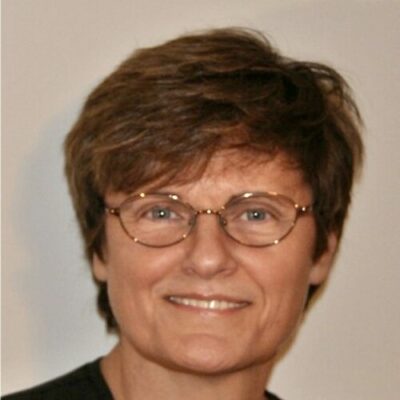 Katalin Karikó (2021)Hungarian biochemist
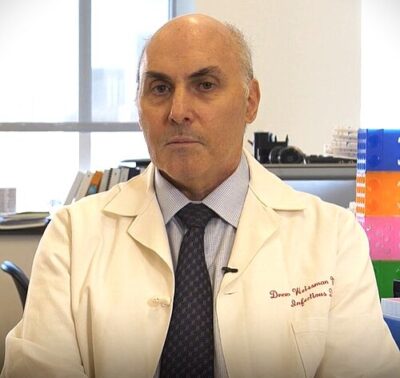 Drew Weissman (2021)American physician-scientist (born 1959)
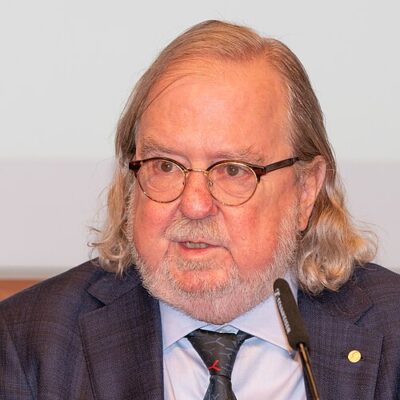 James P. Allison (2014)American immunologist and Nobel laureate (born 1948)
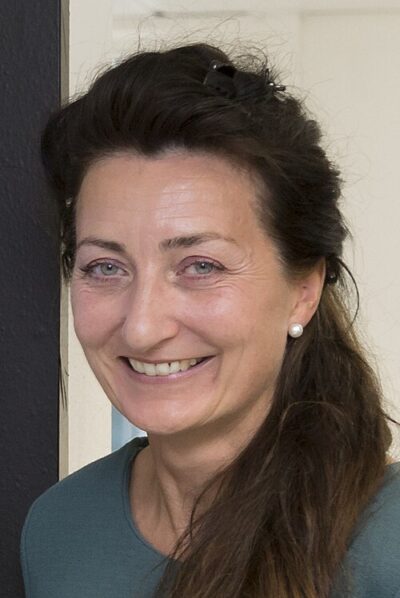 May-Britt Moser (2013)Norwegian psychologist and neuroscientist
 Edvard Moser (2013)Norwegian psychologist and neuroscientist
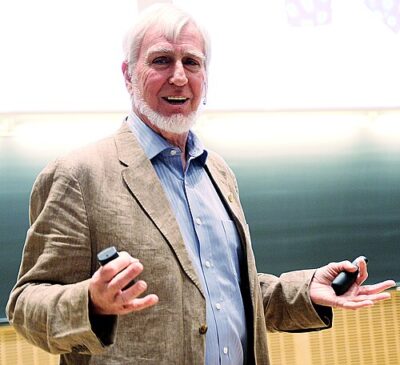 John O'Keefe (2013)American British neuroscientist, 2014 Nobel laureate in Physiology or Medicine
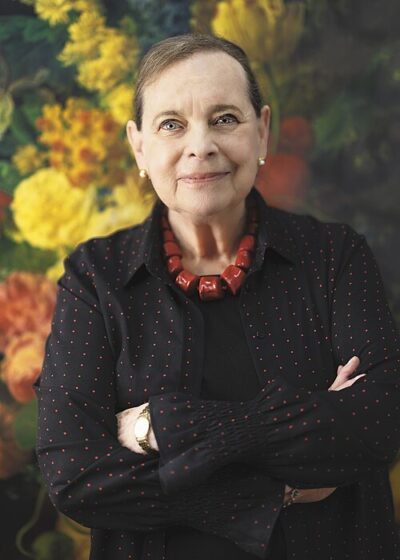 Lucy Shapiro (2012)American developmental biologist
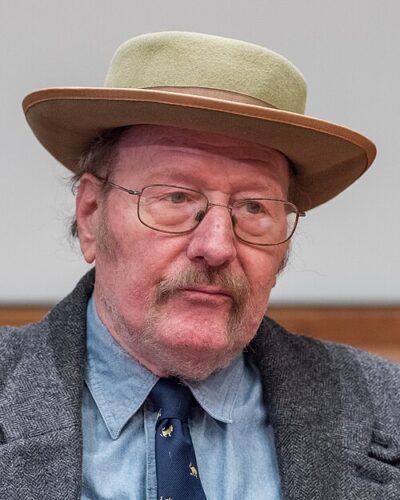 Jeffrey C. Hall (2011)American geneticist and chronobiologist
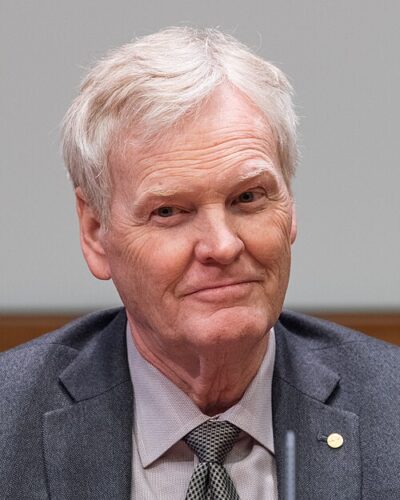 Michael W. Young (2011)American geneticist, chronobiologist
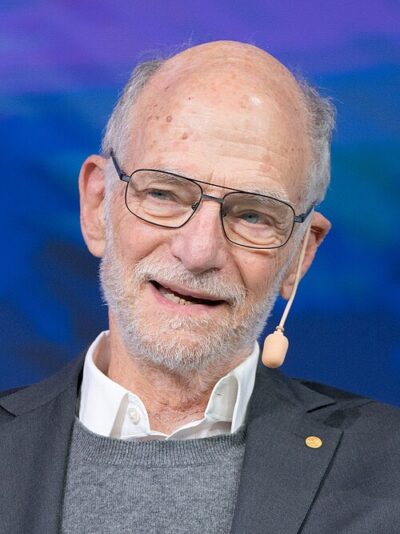 Michael Rosbash (2011)American geneticist and chronobiologist
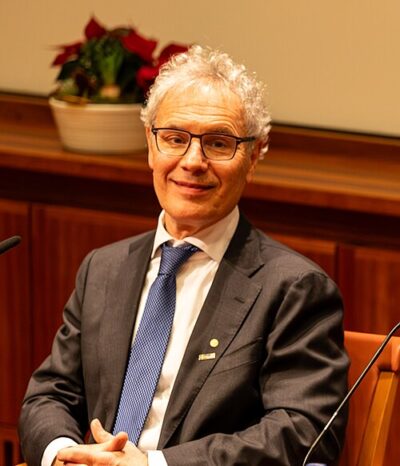 Victor Ambros (2009)American developmental biologist
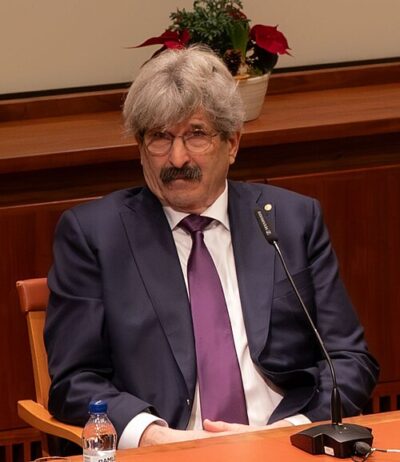 Gary Ruvkun (2009)American geneticist
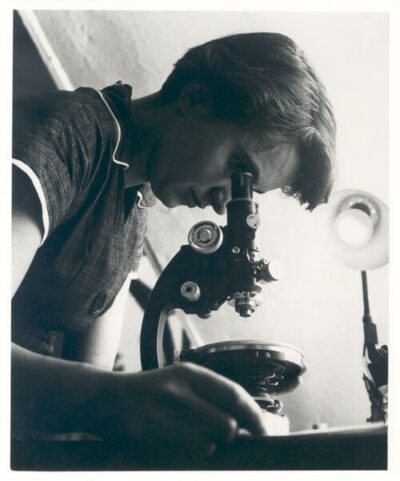 Rosalind Franklin (2008)British chemist, biophysicist, and X-ray crystallographer (1920–1958)
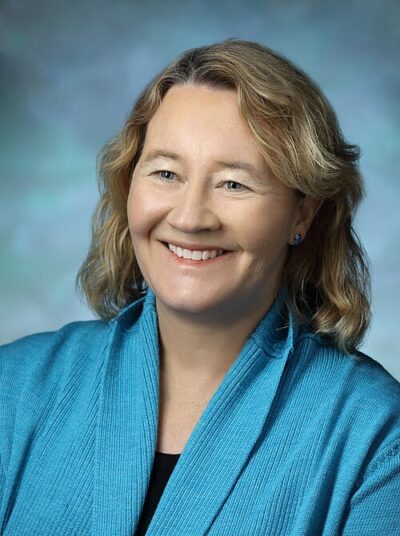 Carol Greider (2007)American molecular biologist
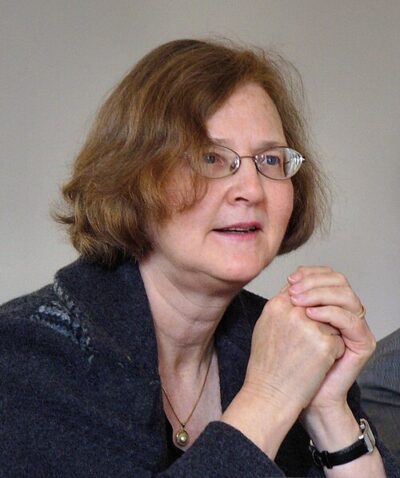 Elizabeth Blackburn (2007)Australian-American biological researcher
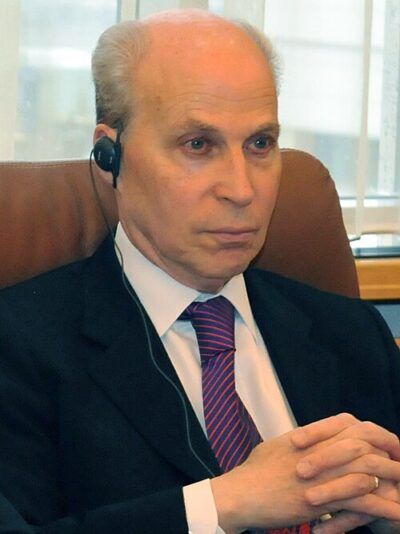 Roger D. Kornberg (2006)American biochemist
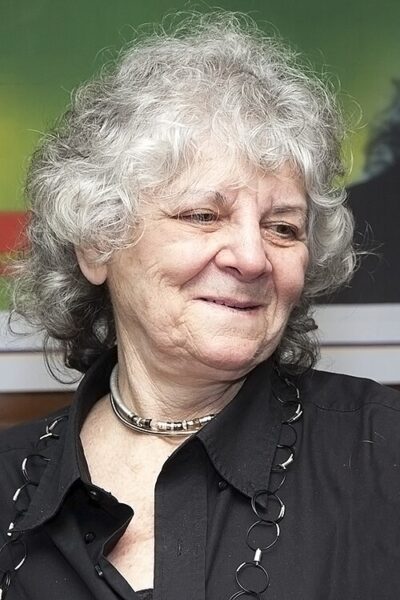 Ada Yonath (2005)Israeli structural biologist and Nobel laureate (1939–2026)
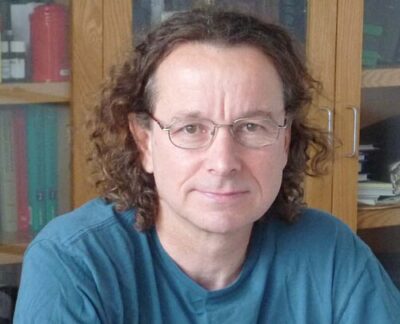 Roderick MacKinnon (2003)American neuroscientist
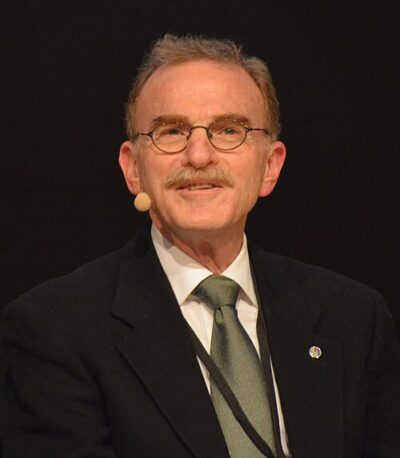 Randy Schekman (2002)Nobel prize winning American cell biologist
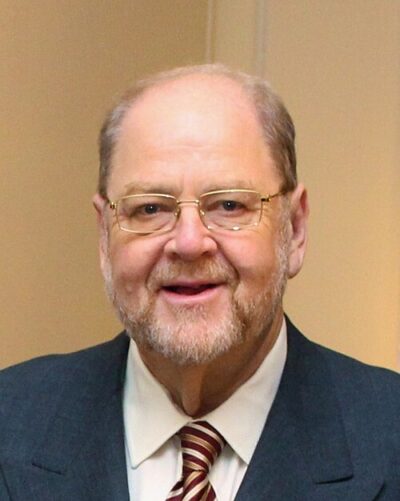 James Rothman (2002)American biologist and Nobel laureate
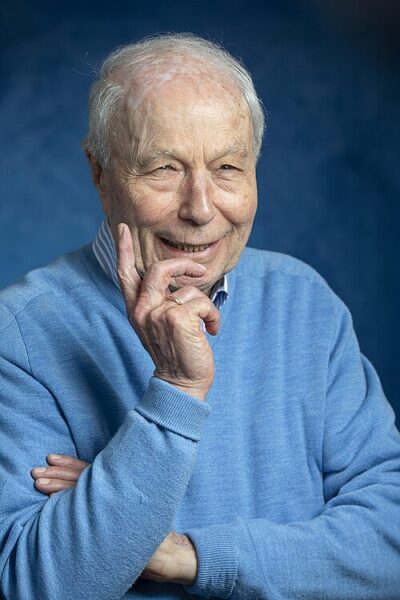 Avram Hershko (2001)Israeli biochemist
- HH. Robert Horvitz (2000)American biologist
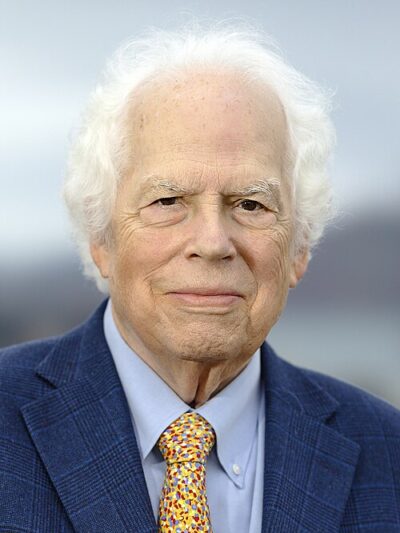 Stanley B. Prusiner (1997)American neurologist and biochemist
- LLee Hartwell (1995)American biologist
and 35 more
