
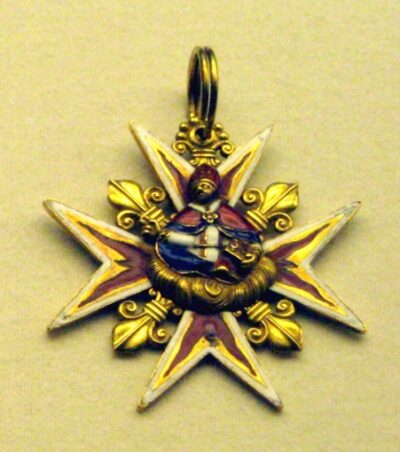
Order of Saint Januarius
Order of Saint Januarius is a Roman Catholic order of knighthood. It was created in 1738 by Charles III of Spain.
- Country
- Kingdom of Naples
- Created
- July 3, 1738
All 6 facts, and where they come from
Facts
6 facts · 0 confirmed by two sources · 1 cited · 5 from one source
Where this comes from
Papalocal keeps its own record. It started from these sources; what each one said is kept here as it was copied, so a change on their side never changes this page by itself. Tap one to read its version.
What Wikidata says · copied November 16, 2026 · revision 2563070029
- Described as
- Roman Catholic order of knighthood
- What it is
- dynastic order of knighthood · 1 reference
- Created
- July 3, 1738 · 1 reference
- Founded by
- Charles III of Spain · 1 reference
- Country
- Kingdom of Naples · 1 reference; Kingdom of the Two Sicilies
- Named after
- Januarius
- Wikipedias with a page
- 13
Wikidata item Q1683024 (wikidata.org/wiki/Q1683024), public domain (CC0). Copied 2026-11-16.
What Wikipedia says · copied November 16, 2026 · revision 1353786605
The Illustrious Royal Order of Saint Januarius (Italian: Insigne Reale Ordine di San Gennaro) is a Roman Catholic order of knighthood founded in 1738 by Charles of Bourbon, king of Naples and Sicily (as Charles VII and III, respectively) from 1735 until 1759, and later king of Spain (1759–1788).
Named after saint Januarius, patron of Naples, it was the last great dynastic order to be constituted as a chivalric fraternity, with a limitation to Roman Catholics and a direct attachment to the dynasty rather than the state.
Since 1960, the grand magistery of the order is disputed among claimants to the headship of the formerly reigning House of Bourbon-Two Sicilies.
From the Wikipedia article “Order of Saint Januarius” (en.wikipedia.org/wiki/Order_of_Saint_Januarius), by its contributors, under CC BY-SA 4.0 (creativecommons.org/licenses/by-sa/4.0/). Copied 2026-11-16; not changed.
Confirmed Two sources agree. Cited One source, and it names where it got it. One source One source, without a reference of its own. Sources disagree The sources disagree. We show the best-supported value and keep theirs below.
Picture: user:shakko, via Wikimedia Commons · CC BY-SA 3.0
People connected 19
Won it
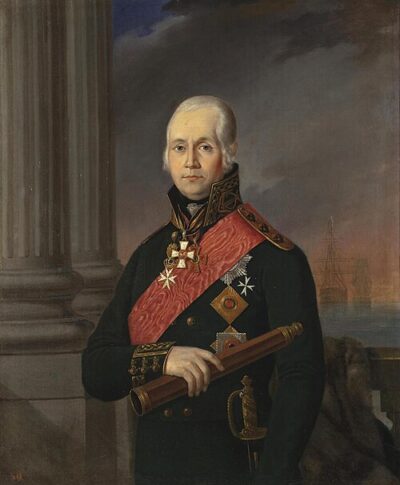 Fyodor Ushakov (1799)Russian Saint and Admiral (1745-1817)
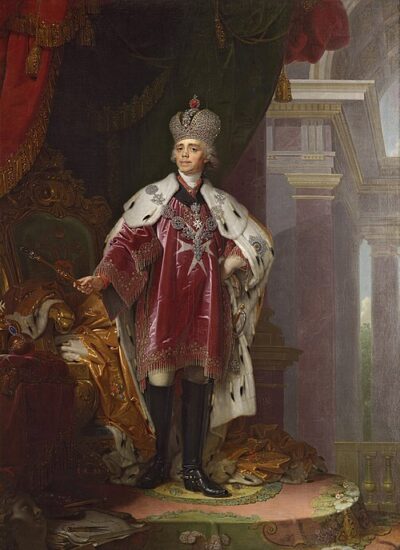 Paul I of RussiaThe ninth Emperor of Russia from 1796 to 1801 (1754-1801)
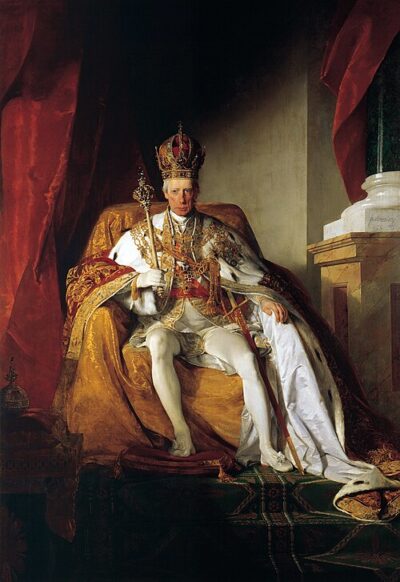 Francis II, Holy Roman Emperoralso known as Francis I, Emperor of Austria (1768-1835)
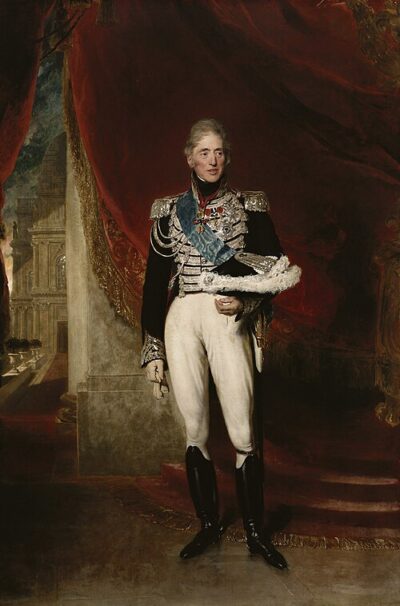 Charles X of FranceKing of France and Navarre from 1824 to 1830 (1757–1836)
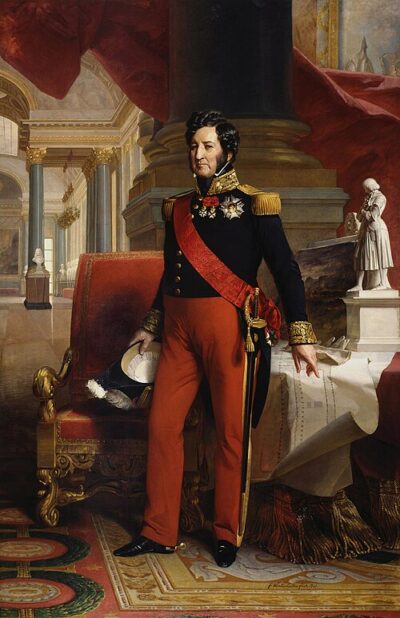 Louis-Philippe IKing of the French from 1830 to 1848 (1773-1850)
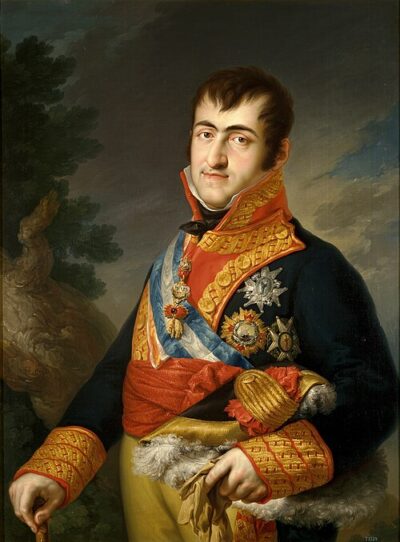 Ferdinand VII of SpainKing of Spain (1784–1833) (r. 1808; 1813–1833)
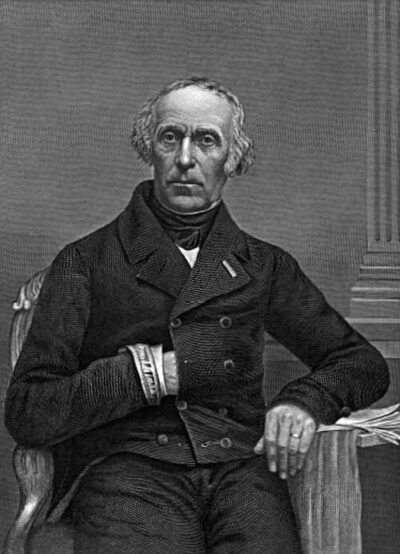 François GuizotFrench historian, orator and statesman (1787–1874)
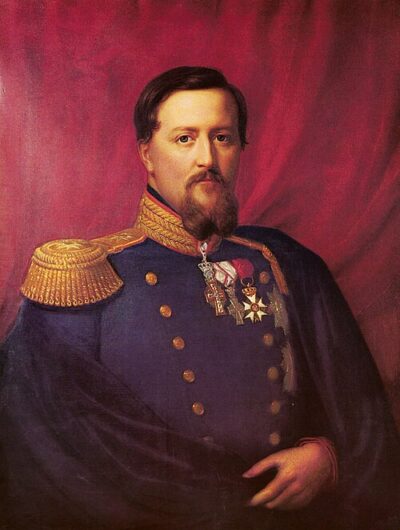 Frederick VII of DenmarkKing of Denmark from 1848 to 1863
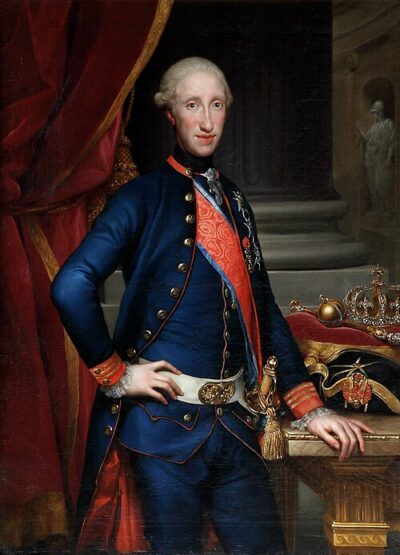 Ferdinand I of the Two SiciliesKing of Naples (1759-1806, 1815-1816), Sicily (1759-1816), and the Two Sicilies (1816-1825)
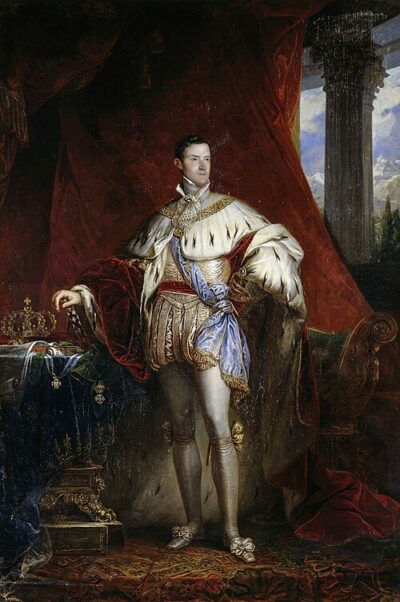 Carlo Alberto I of SardiniaKing of Sardinia from 1831 to 1849
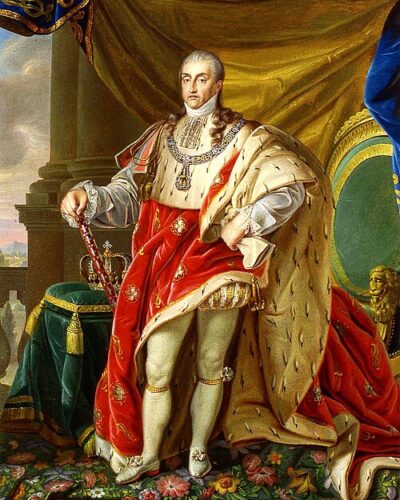 Carlo Felice I of SardiniaKing of Sardinia (1765-1831)
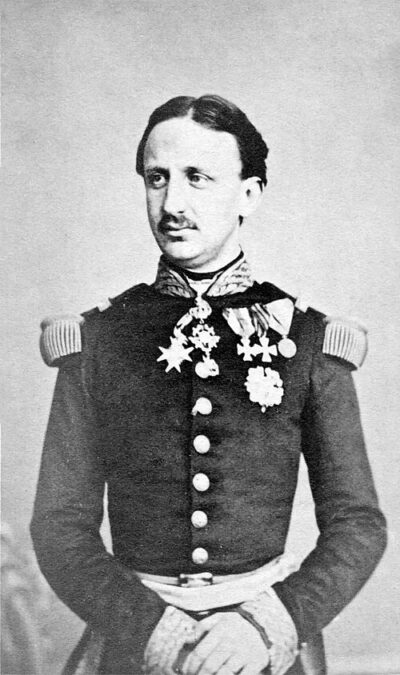 Francis II of the Two SiciliesKing of the Two Sicilies (1836-1894) and Servant of God
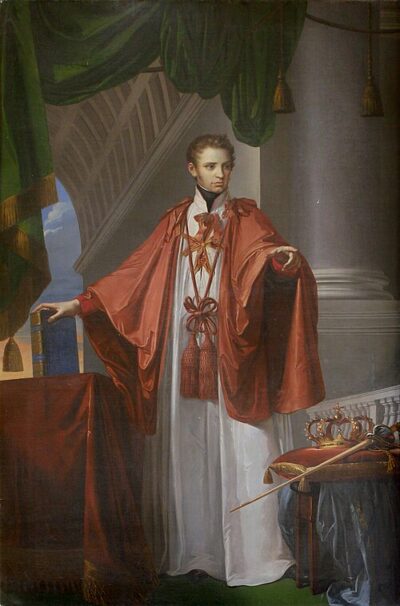 Leopold II, Grand Duke of TuscanyGrand Duke of Tuscany
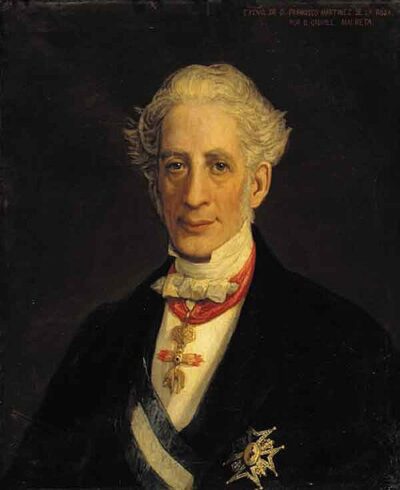 Francisco de Paula Martínez de la Rosa y BerdejoSpanish dramatist and politician (1787-1862)
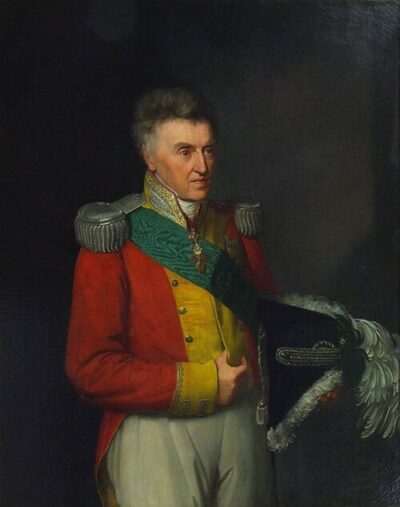 Anton I of SaxonyKing of Saxony (1755-1836)
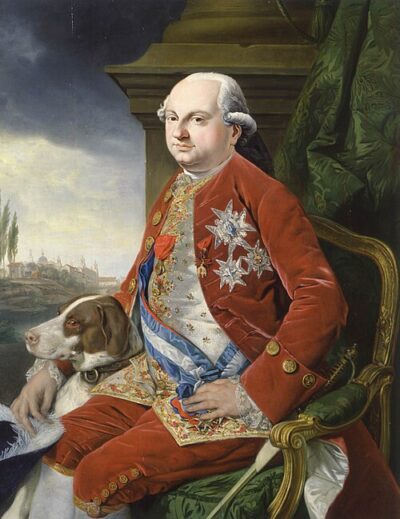 Ferdinando I, Duke of ParmaDuke of Parma (1751-1802)
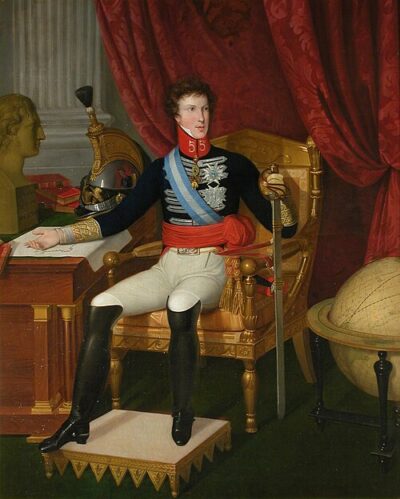 Charles II, Duke of ParmaKing of Etruria (1803-1807)
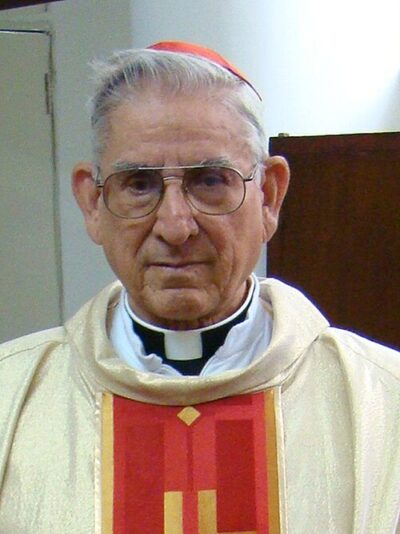 Darío Castrillón HoyosCatholic cardinal (1929–2018)
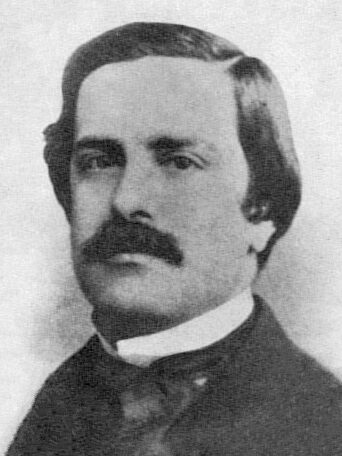 Juan ValeraSpanish writer and diplomat (1824–1905)
