
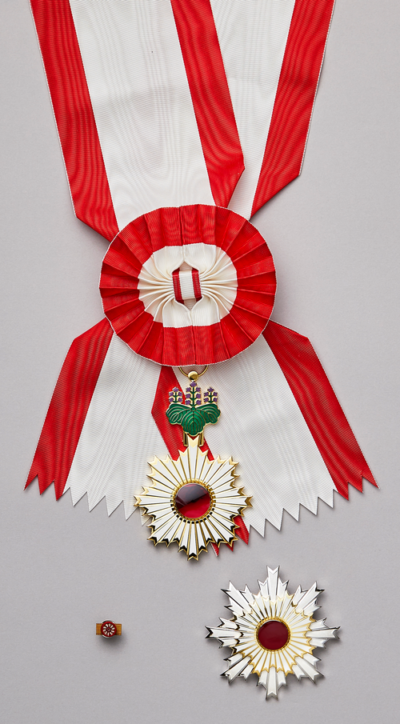
Order of the Rising Sun
Order of the Rising Sun is a Japanese order. It was created in 1875 by Emperor Meiji. It is given by the Emperor of Japan.
- Given by
- Emperor of Japan
- Country
- Japan
- Created
- April 10, 1875
All 6 facts, and where they come from
Facts
6 facts · 0 confirmed by two sources · 0 cited · 6 from one source
Where this comes from
Papalocal keeps its own record. It started from these sources; what each one said is kept here as it was copied, so a change on their side never changes this page by itself. Tap one to read its version.
What Wikidata says · copied November 16, 2026 · revision 2569644832
- Described as
- Japanese order
- What it is
- order
- Created
- April 10, 1875
- Founded by
- Emperor Meiji · 1 reference
- Country
- Japan
- Given by
- Emperor of Japan
- Named after
- sunrise
- Wikipedias with a page
- 43
Wikidata item Q818600 (wikidata.org/wiki/Q818600), public domain (CC0). Copied 2026-11-16.
What Wikipedia says · copied November 16, 2026 · revision 1384509218
The Order of the Rising Sun (旭日章, Kyokujitsu-shō) is a Japanese order established in 1875 by Emperor Meiji. It was the first national decoration instituted by the Japanese government and is awarded to individuals who have made distinguished contributions to the state or the public. It may be conferred on both Japanese and foreign nationals. The insignia depicts a central sun disc surrounded by rays, with paulownia flowers and leaves on its suspension.
The order has six classes. Under reforms introduced in 2003, its seventh and eighth classes were abolished, numerical class designations were replaced by distinctive titles, and eligibility was extended to women. Its former highest decoration, the Order of the Rising Sun with Paulownia Flowers, became the separate Order of the Paulownia Flowers. Under the current system, the Order of the Rising Sun recognises distinguished achievements, while the Order of the Sacred Treasure principally recognises long and meritorious service in public or public-related roles.
From the Wikipedia article “Order of the Rising Sun” (en.wikipedia.org/wiki/Order_of_the_Rising_Sun), by its contributors, under CC BY-SA 4.0 (creativecommons.org/licenses/by-sa/4.0/). Copied 2026-11-16; not changed.
Confirmed Two sources agree. Cited One source, and it names where it got it. One source One source, without a reference of its own. Sources disagree The sources disagree. We show the best-supported value and keep theirs below.
Picture: 内閣府, via Wikimedia Commons · CC BY 4.0
People connected 38
Won it 38
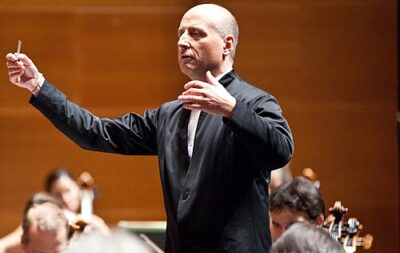 Paavo Järvi (2026)Estonian conductor (born 1962)
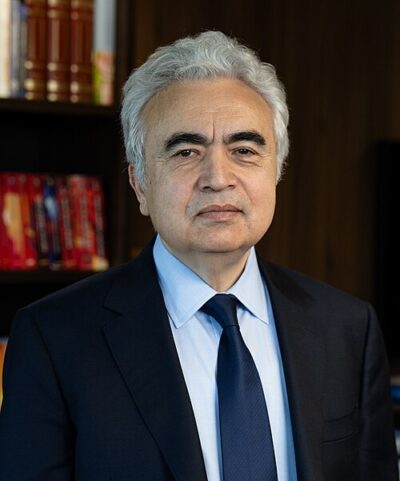 Fatih Birol (2014)Turkish economist and energy expert
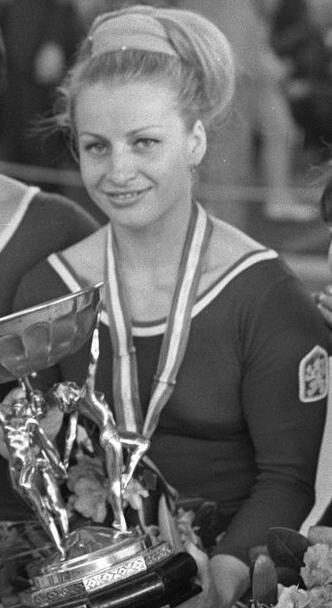 Věra Čáslavská (2010)Czechoslovak sports official, artistic gymnast and coach (1942–2016)
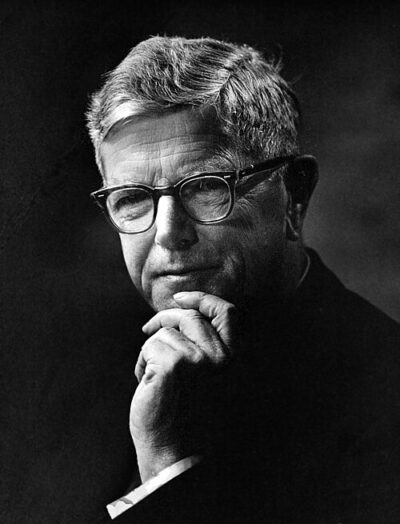 Frank Macfarlane Burnet (1961)Australian virologist (1899-1985)
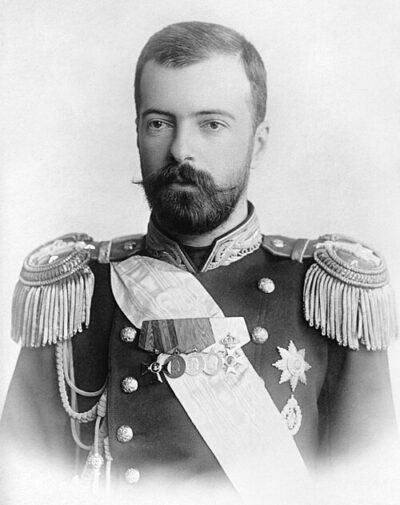 Grand Duke Alexander Mikhailovich of Russia (1889)Russian grand duke and naval officer (1866-1933); fifth son of Grand Duke Michael Nikolaevich of Russia and Princess Cecilie of Baden; brother-in-law of Tsar Nicholas II
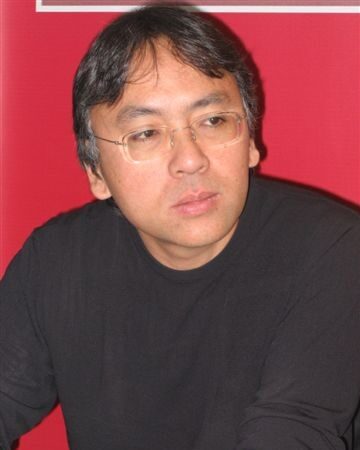 Kazuo IshiguroBritish novelist (born 1954)
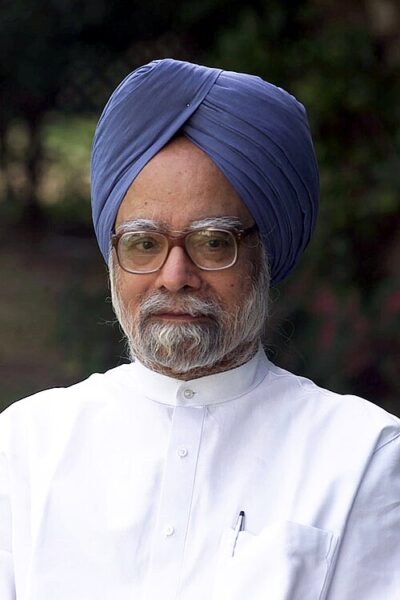 Manmohan SinghIndian economist, bureaucrat, academician and politician
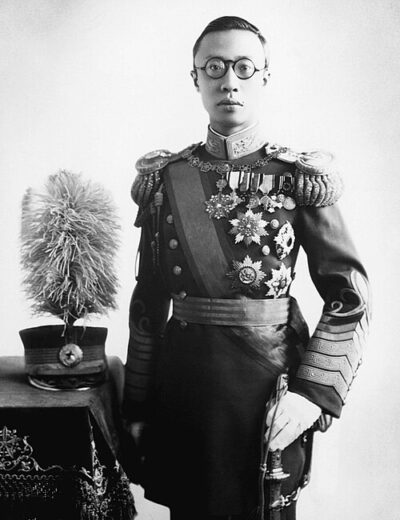 PuyiLast Emperor of Qing dynasty and Manchukuo (1906–1967)
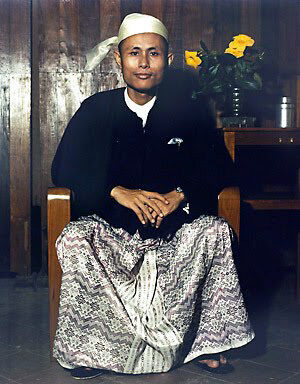 Aung SanBurmese revolutionary leader (1915-1947)
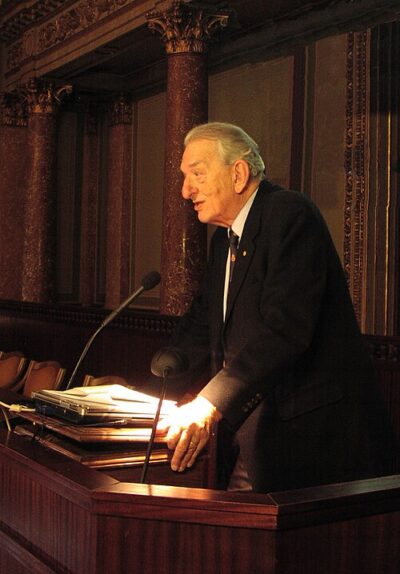 George Andrew OlahHungarian chemist (1927-2017)
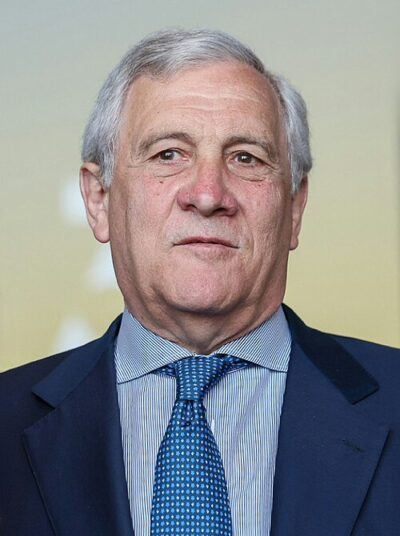 Antonio TajaniItalian politician (born 1953)
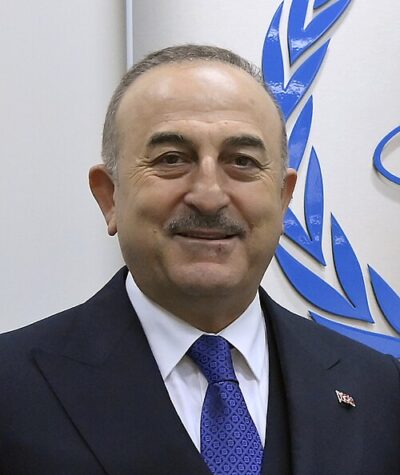 Mevlüt ÇavuşoğluTurkish statesman (born 1968)
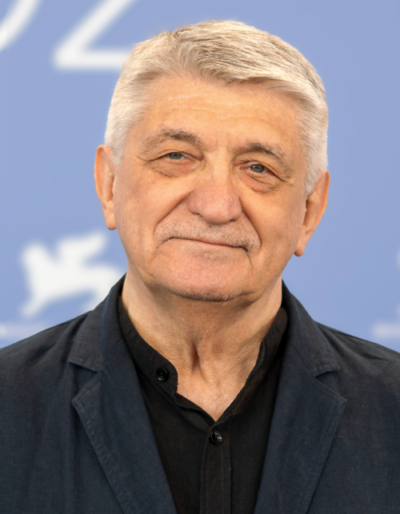 Alexander SokurovRussian film director (born 1951)
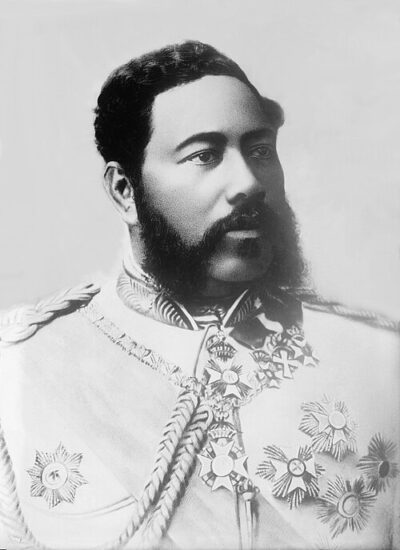 Kalākaualast reigning king of the Kingdom of Hawaii (1836–1891)
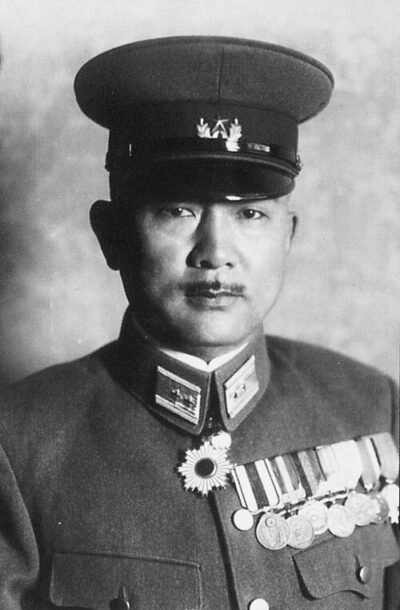 Tadamichi KuribayashiJapanese general (1891-1945)
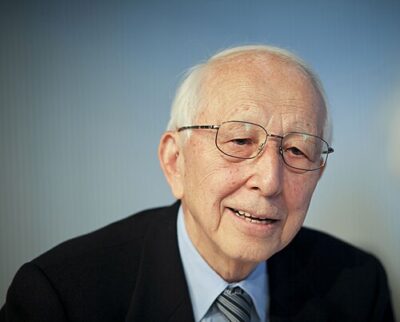 Fumihiko MakiJapanese architect (1928–2024)
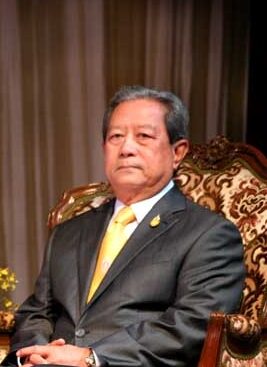 Surayud ChulanontPresident of the Privy Council of Thailand
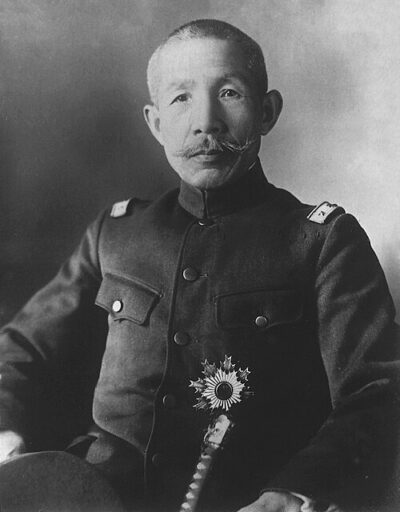 Sadao ArakiJapanese officer and general (1877–1966)
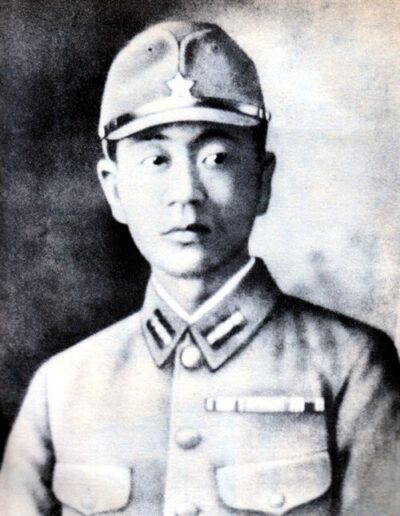 Shoichi YokoiJapanese World War II Soldier (1915−1997)
 Yuri NorsteinSoviet film director (born 1941)
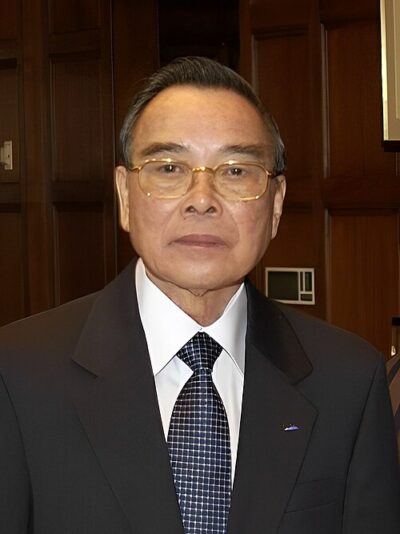 Phan Văn KhảiVietnamese politician (1933-2018)
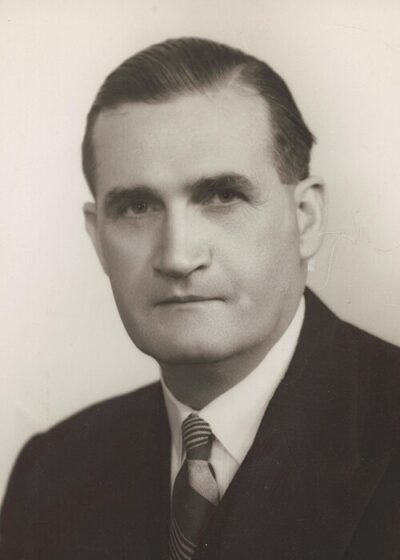 John McEwenAustralian politician, 18th Prime Minister of Australia (1900-1980)
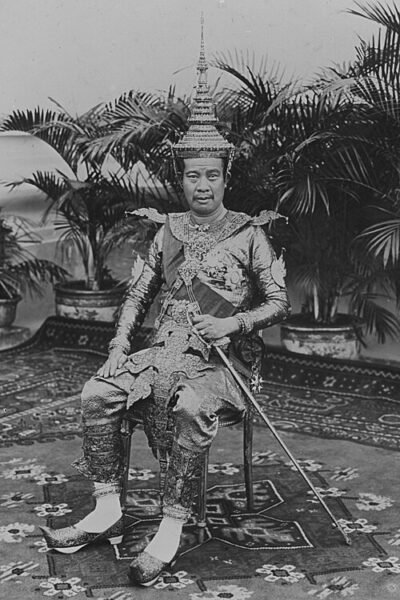 Sisowath MonivongCambodian king (1875–1941)
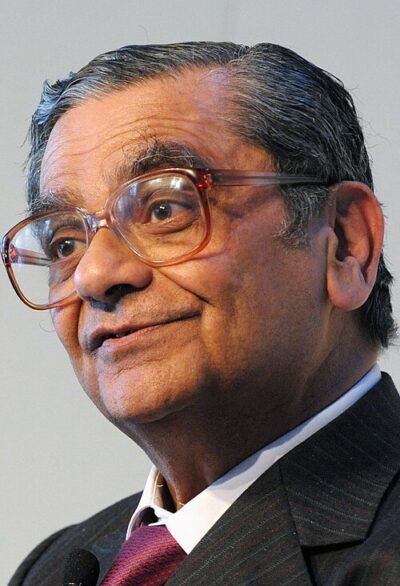 Jagdish Bhagwatieconomist
and 14 more
