
Priestley Medal
Priestley Medal is an American award in chemistry. It was created in 1922. It is given by the American Chemical Society.
- Given by
- American Chemical Society
- Country
- United States
- Created
- 1922
All 6 facts, and where they come from
Facts
6 facts · 0 confirmed by two sources · 0 cited · 6 from one source
Where this comes from
Papalocal keeps its own record. It started from these sources; what each one said is kept here as it was copied, so a change on their side never changes this page by itself. Tap one to read its version.
What Wikidata says · copied November 16, 2026 · revision 2424738498
- Described as
- American award in chemistry
- What it is
- science award; medal
- Created
- 1922
- Country
- United States
- Given by
- American Chemical Society
- Named after
- Joseph Priestley
- Wikipedias with a page
- 26
Wikidata item Q826100 (wikidata.org/wiki/Q826100), public domain (CC0). Copied 2026-11-16.
What Wikipedia says · copied November 16, 2026 · revision 1365846905
The Priestley Medal is the highest honor conferred by the American Chemical Society (ACS) and is awarded for distinguished service in the field of chemistry. Established in 1922, the award is named after Joseph Priestley, one of the discoverers of oxygen, who immigrated to the United States of America in 1794. The ACS formed in 1876, spearheaded by a group of chemists who had met two years previously in Priestley's home.
The Priestley Medal is among the most distinguished awards in the chemical sciences, behind the Wolf Prize in Chemistry and the Nobel Prize in Chemistry. Consequently, it is commonly awarded to scientists who are advanced in their fields, as it is intended to commemorate lifetime achievement. When the ACS started presenting the Priestley Medal in 1923, they intended to award it every three years. This continued until 1944, when it became an annual award.
From the Wikipedia article “Priestley Medal” (en.wikipedia.org/wiki/Priestley_Medal), by its contributors, under CC BY-SA 4.0 (creativecommons.org/licenses/by-sa/4.0/). Copied 2026-11-16; not changed.
Confirmed Two sources agree. Cited One source, and it names where it got it. One source One source, without a reference of its own. Sources disagree The sources disagree. We show the best-supported value and keep theirs below.
People connected 25
Won it 25
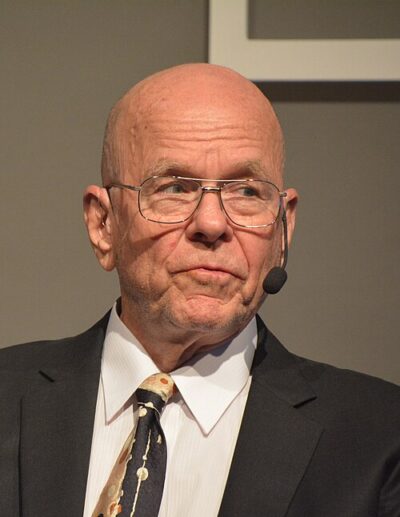 Karl Barry Sharpless (2019)American chemist and Nobel Laureate (born 1941)
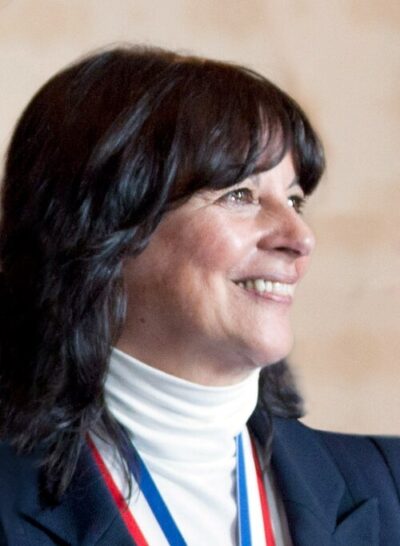 Jaqueline Barton (2015)American chemist
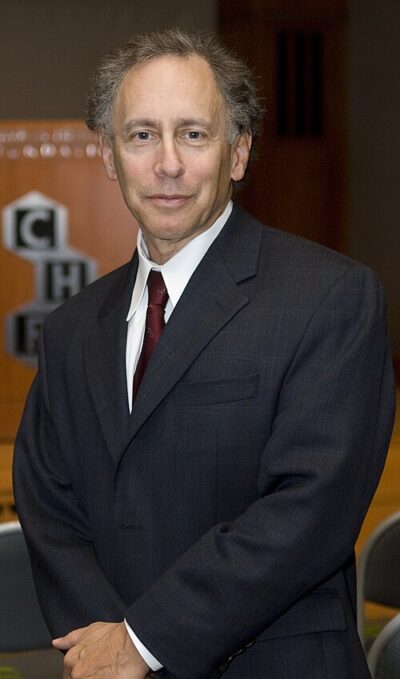 Robert S. Langer, Jr. (2012)American biomedical engineer
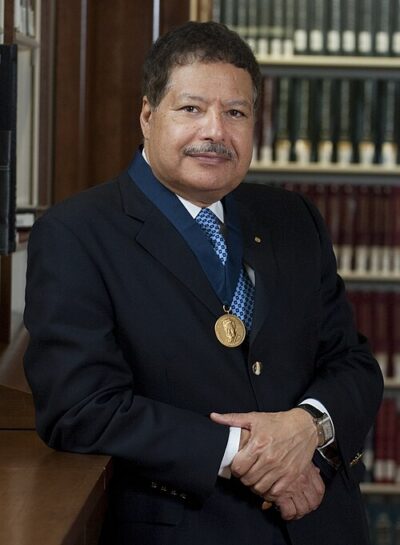 Ahmed Zewail (2009)Egyptian chemist
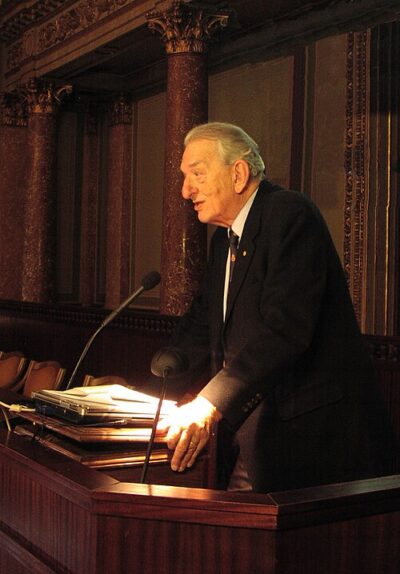 George Andrew Olah (2005)Hungarian chemist (1927-2017)
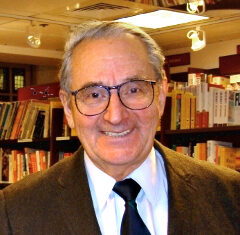 Elias James Corey (2004)American chemist
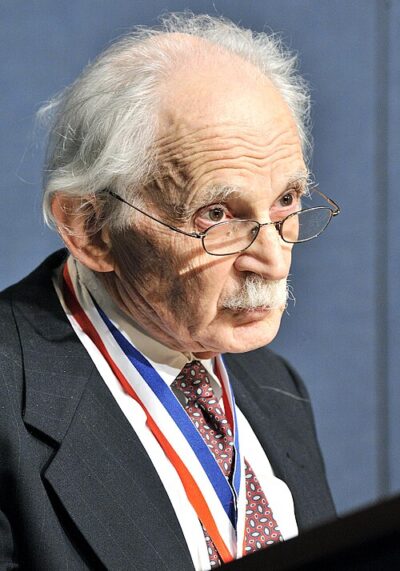 Allen J. Bard (2002)American electrochemist (1933–2024)
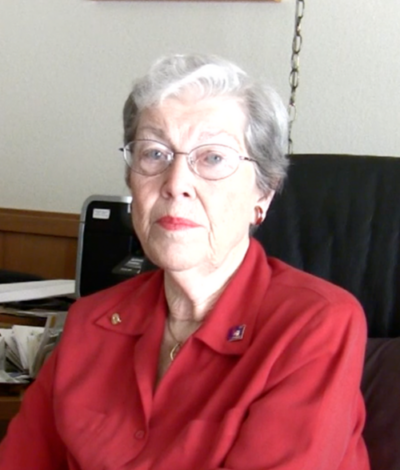 Darleane C. Hoffman (2000)American nuclear chemist
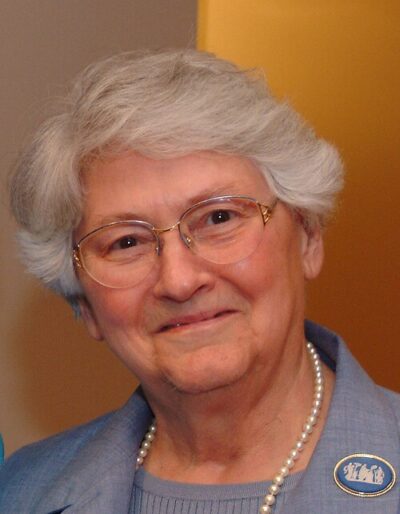 Mary L. Good (1997)American chemist (1931–2019)
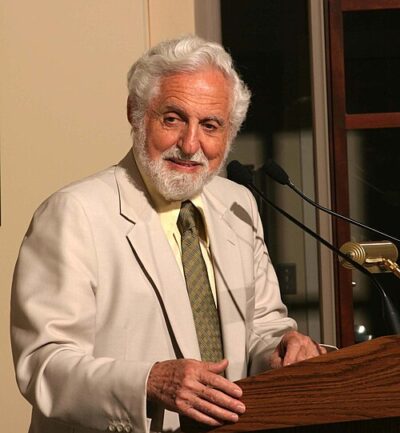 Carl Djerassi (1992)American chemistry professor, inventor, author, playwright (1923–2015)
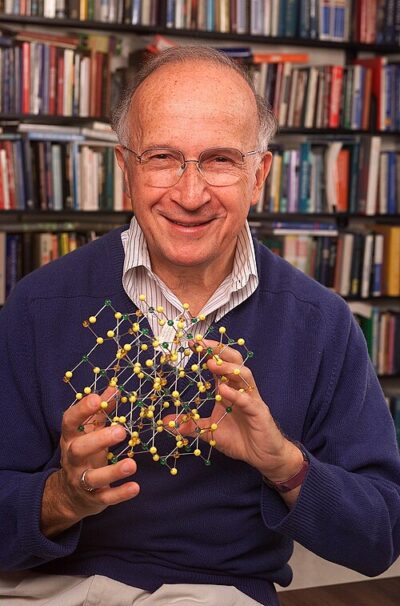 Roald Hoffmann (1990)Polish-American Nobel laureate chemist and playwright
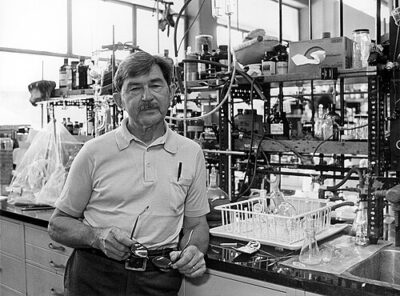 Henry Taube (1985)Canadian-born American chemist (1915–2005)
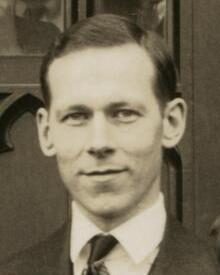 Robert S. Mulliken (1983)American physicist, chemist and botanical collector (1896 - 1986)
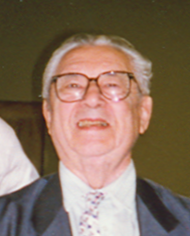 Herbert C. Brown (1981)American chemist (1912–2004)
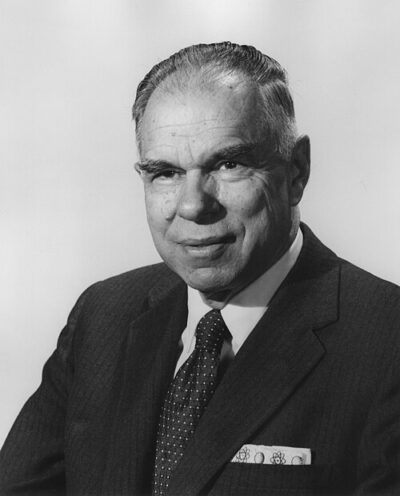 Glenn Theodore Seaborg (1979)American chemist (1912–1999)
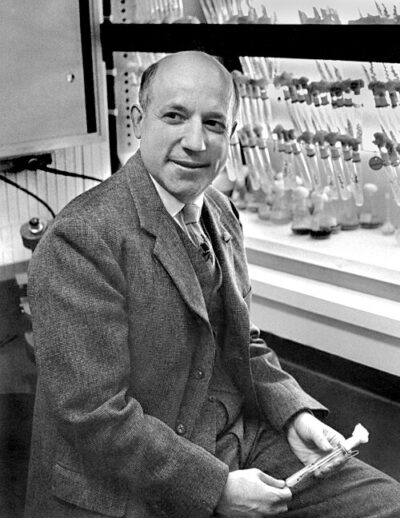 Melvin Calvin (1978)American biochemist (1911–1997)
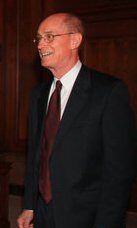 Henry Eyring (1975)Mexican-born American theoretical chemist (1901-1981)
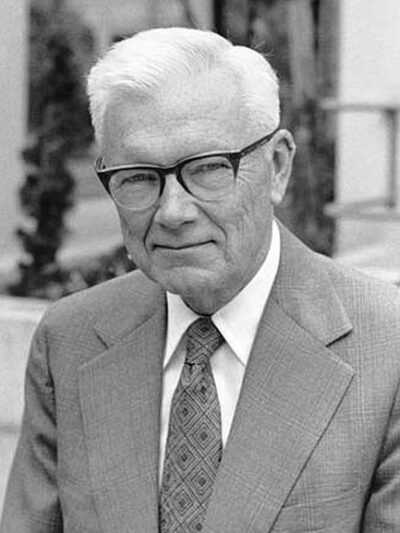 Paul Flory (1974)American chemist (1910-1985)
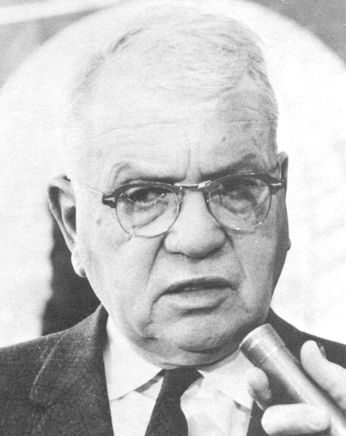 Harold Urey (1973)American physical chemist (1893-1981)
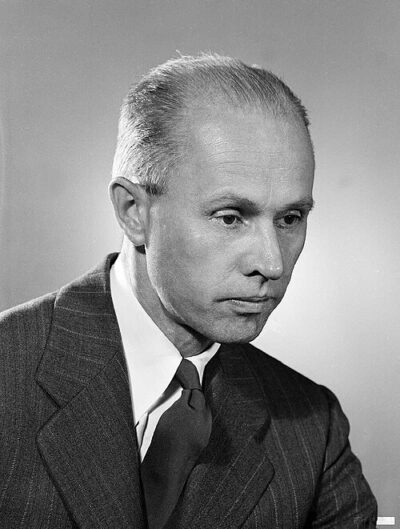 George Kistiakowsky (1972)Ukrainian-American physical chemistry professor
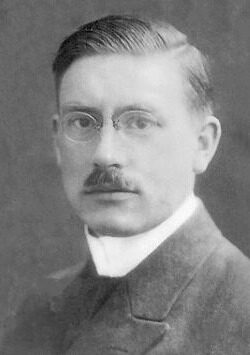 Peter Debye (1963)Dutch-American physicist and physical chemist (1884–1966)
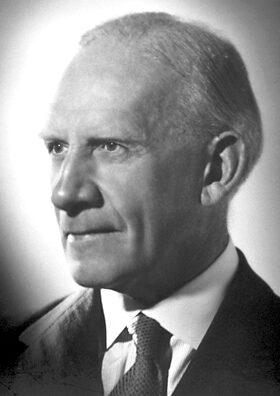 Robert Robinson (1953)English chemist (1886-1975)
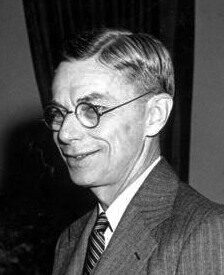 James Bryant Conant (1944)American chemist (1893–1978)
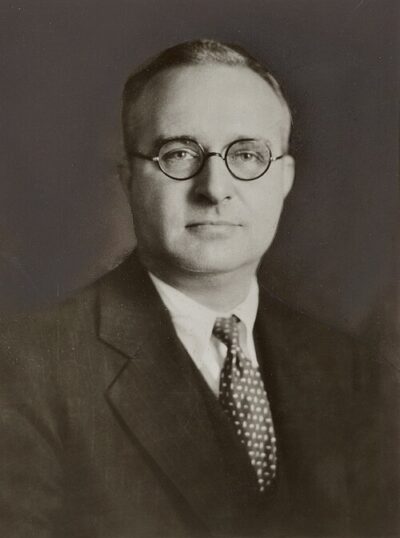 Thomas Midgley (1941)American chemist and engineer (1889–1944)
and 1 more
