
Prime Minister of India
Prime Minister of India is a Head of the Government of India. It was created in 1947.
All 6 facts, and where they come from
Facts
6 facts · 0 confirmed by two sources · 0 cited · 6 from one source
Where this comes from
Papalocal keeps its own record. It started from these sources; what each one said is kept here as it was copied, so a change on their side never changes this page by itself. Tap one to read its version.
What Wikidata says · copied November 17, 2026 · revision 2563829237
- Described as
- Head of the Government of India
- What it is
- public office; prime minister
- Created
- August 15, 1947
- Country
- India
- Office of
- India · 1 reference
- Official website
- http://pmindia.gov.in/
- Wikipedias with a page
- 62
Wikidata item Q192711 (wikidata.org/wiki/Q192711), public domain (CC0). Copied 2026-11-17.
What Wikipedia says · copied November 17, 2026 · revision 1380624940
The prime minister of India (ISO: Bhāratīya Gaṇarājyasya Pradhānamantrī) is the head of government of the Republic of India. Executive authority is vested in the prime minister and the Union Council of Ministers, despite the President of India being the nominal head of state. The prime minister has to be a member of one of the houses of bicameral Parliament of India, alongside heading the respective house. The prime minister and the cabinet are at all times responsible to the Lok Sabha, the lower house of the Parliament.
The sitting prime minister ranks third in the Order of Precedence of India and is appointed by the president of India; however, the prime minister has to enjoy the confidence of the majority of Lok Sabha members, who are directly elected every five years, lest the prime minister shall resign. The prime minister can be a member of the Lok Sabha or the Rajya Sabha, the upper house of the parliament. The prime minister controls the selection and dismissal of members of the Union Council of Ministers and allocation of posts to members within the government.
The longest-serving prime minister was the first prime minister, Jawaharlal Nehru, whose tenure lasted 16 years and 286 days. His premiership was followed by Lal Bahadur Shastri's short tenure and Indira Gandhi's 11- and 4-year-long tenures, with both politicians belonging to the Indian National Congress. After Indira Gandhi's assassination, her son Rajiv Gandhi took charge until 1989, when a decade with five unstable governments began. This was followed by the full terms of P. V. Narasimha Rao, Atal Bihari Vajpayee, Manmohan Singh, and Narendra Modi, who is the current prime minister of India, serving since 26 May 2014. He is the first non-Congress leader to become PM after consecutive general elections and secure a third successive term (2014, 2019, 2024). The first prime minister to do so was Jawaharlal Nehru, who secured successive terms following the victory in the general elections of 1946, 1952, 1957, and 1962.
From the Wikipedia article “Prime Minister of India” (en.wikipedia.org/wiki/Prime_Minister_of_India), by its contributors, under CC BY-SA 4.0 (creativecommons.org/licenses/by-sa/4.0/). Copied 2026-11-17; not changed.
Confirmed Two sources agree. Cited One source, and it names where it got it. One source One source, without a reference of its own. Sources disagree The sources disagree. We show the best-supported value and keep theirs below.
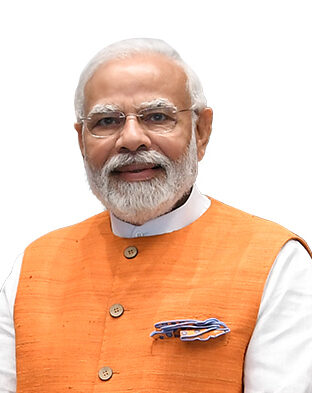
Picture: Government of India, via Wikimedia Commons · GODL-India
People connected 15
Held this office
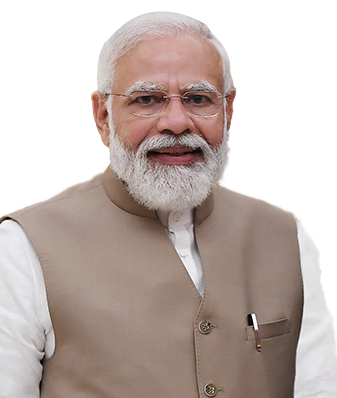 Narendra Modi (2014–)Prime Minister of India since 2014
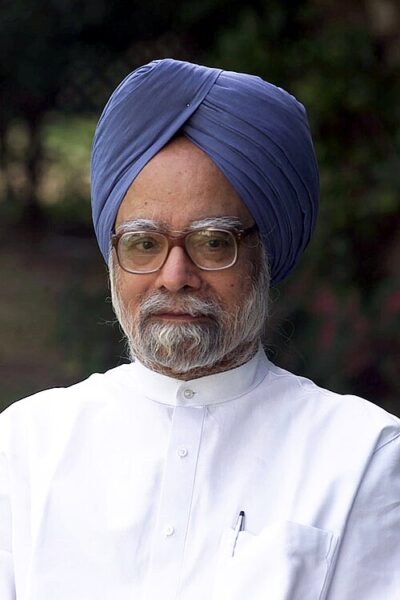 Manmohan Singh (2004–2014)Indian economist, bureaucrat, academician and politician
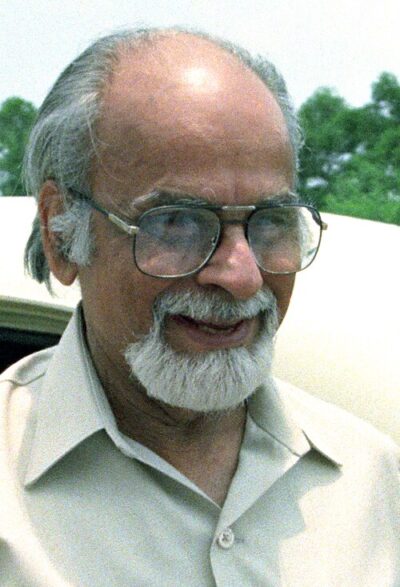 Inder Kumar Gujral (1997–1998)Prime Minister of India (1997-1998)
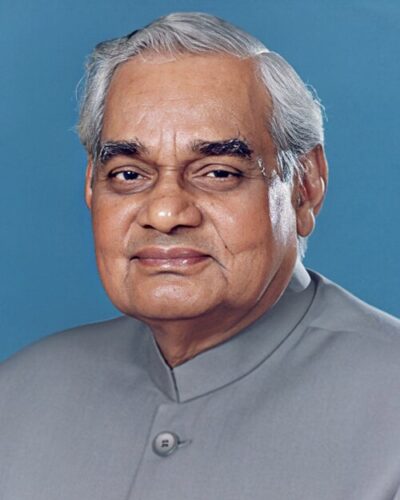 Atal Bihari Vajpayee (1996–2004)Prime Minister of India in 1996 and from 1998 to 2004
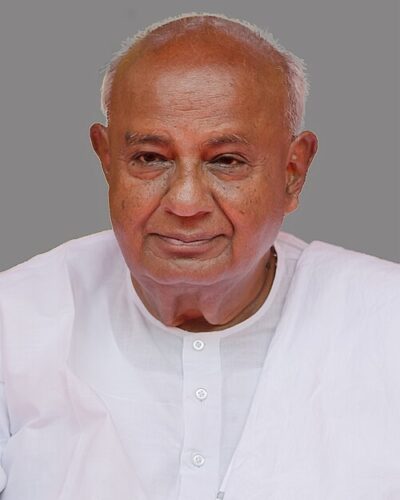 H. D. Deve Gowda (1996–1997)Prime Minister of India from 1996 to 1997
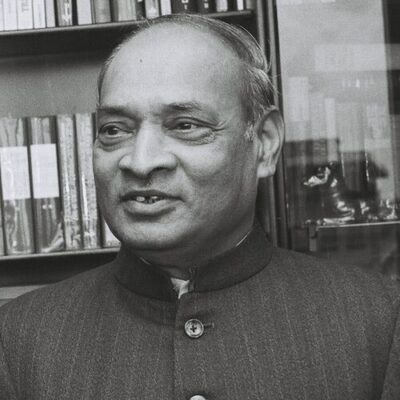 P. V. Narasimha Rao (1991–1996)Prime Minister of India (1991-1996)
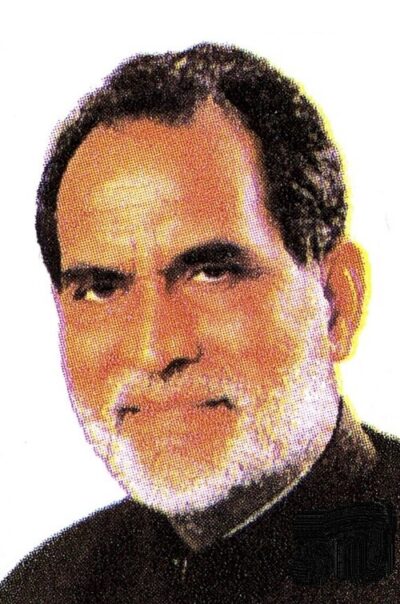 Chandra Shekhar (1990–1991)Prime Minister of India (1990-1991)
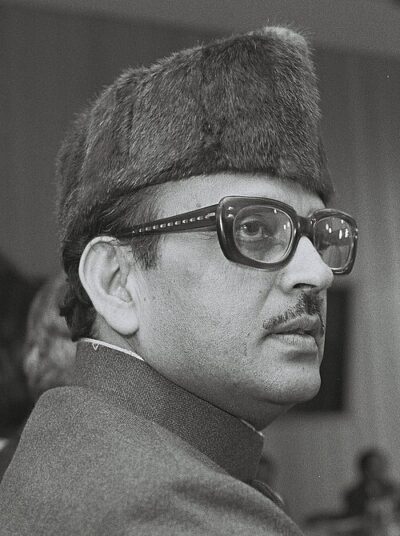 V. P. Singh (1989–1990)Prime Minister of India (1989-1990)
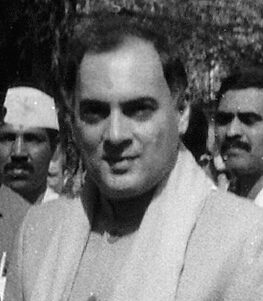 Rajiv Gandhi (1984–1989)Prime Minister of India (1984-1989)
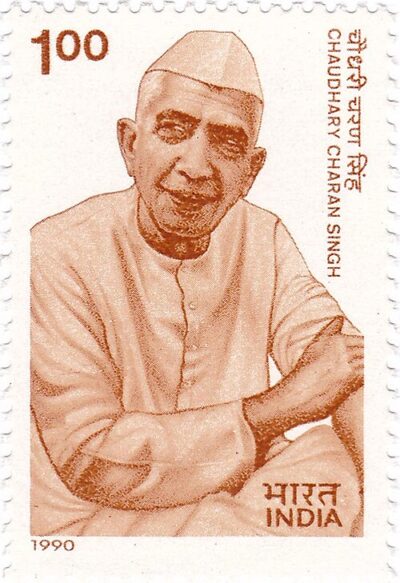 Charan Singh (1979–1980)Prime Minister of India (1979-1980)
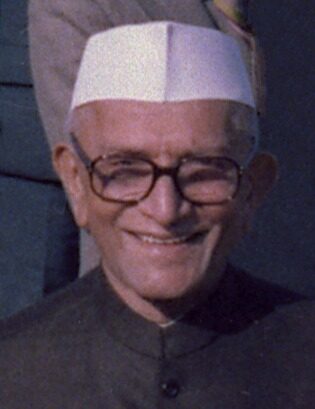 Morarji Desai (1977–1979)Prime Minister of India (1977-1979)
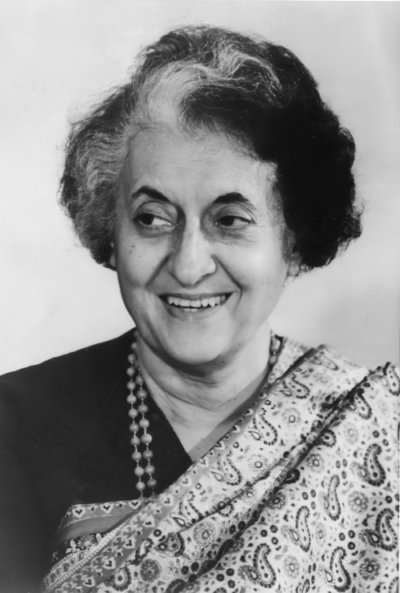 Indira Gandhi (1966–1984)Prime Minister of India (1966-1977; 1980-1984)
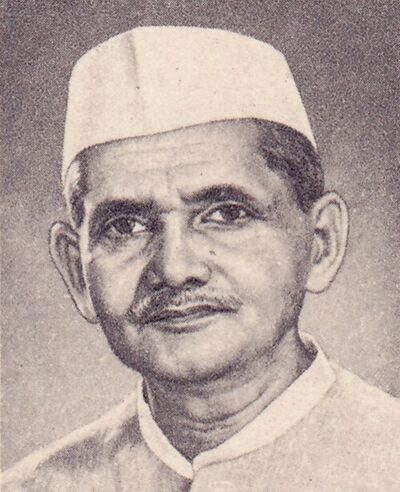 Lal Bahadur Shastri (1964–1966)Prime Minister of India from 1964 to 1966
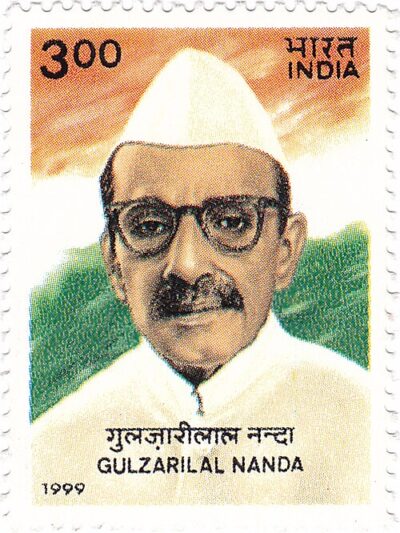 Gulzarilal Nanda (1964–1966)Indian politician (1898-1998)
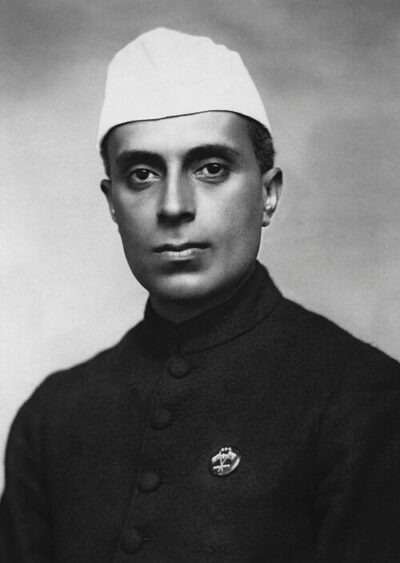 Jawaharlal Nehru (1947–1964)Prime Minister of India from 1947 to 1964
