
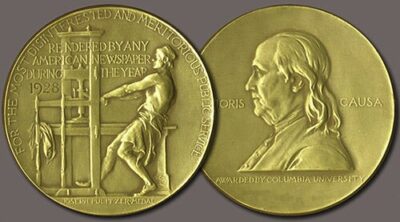
Pulitzer Prize Special Citations and Awards
Pulitzer Prize Special Citations and Awards is a special category of Pulitzer Prize. It was created in 1930. It is given by Joseph Pulitzer.
- Given by
- Joseph Pulitzer
- Country
- United States
- Created
- 1930
All 7 facts, and where they come from
Facts
7 facts · 0 confirmed by two sources · 4 cited · 3 from one source
Where this comes from
Papalocal keeps its own record. It started from these sources; what each one said is kept here as it was copied, so a change on their side never changes this page by itself. Tap one to read its version.
What Wikidata says · copied November 16, 2026 · revision 2460268197
- Described as
- special category of Pulitzer Prize
- Other names
- Pulitzer Prize for Special Citation
- What it is
- class of award · 1 reference; special award · 1 reference; Pulitzer Prize
- Created
- 1930 · 2 references
- Country
- United States · 2 references
- Given by
- Joseph Pulitzer · 1 reference
- Official website
- http://www.pulitzer.org · 1 reference
- Wikipedias with a page
- 4
Wikidata item Q7259350 (wikidata.org/wiki/Q7259350), public domain (CC0). Copied 2026-11-16.
What Wikipedia says · copied November 16, 2026 · revision 1378321617
The Pulitzer Prize jury has the option of awarding special citations and awards where they consider necessary.
Prizes for the award vary. The Pulitzer Prize Board has stated that the Special Citations given to George Gershwin, Thelonious Monk, John Coltrane and Duke Ellington were in response to criticism for the failure of the Board to cite the four.
On May 4, 2020, Ida B. Wells was announced as the recipient of a Pulitzer Special Citation "[f]or her outstanding and courageous reporting on the horrific and vicious violence against African Americans during the era of lynching." The Pulitzer Prize board announced that it would donate at least $50,000 in support of Wells' mission to recipients who would be announced at a later date. No specific category was announced for this citation.
On June 11, 2021, Darnella Frazier was announced as the recipient of a Pulitzer Special Citation.
From the Wikipedia article “Pulitzer Prize Special Citations and Awards” (en.wikipedia.org/wiki/Pulitzer_Prize_Special_Citations_and_Awards), by its contributors, under CC BY-SA 4.0 (creativecommons.org/licenses/by-sa/4.0/). Copied 2026-11-16; not changed.
Confirmed Two sources agree. Cited One source, and it names where it got it. One source One source, without a reference of its own. Sources disagree The sources disagree. We show the best-supported value and keep theirs below.
Picture: Daniel Chester French (1850-1931), via Wikimedia Commons · Public domain
People connected 17
Won it
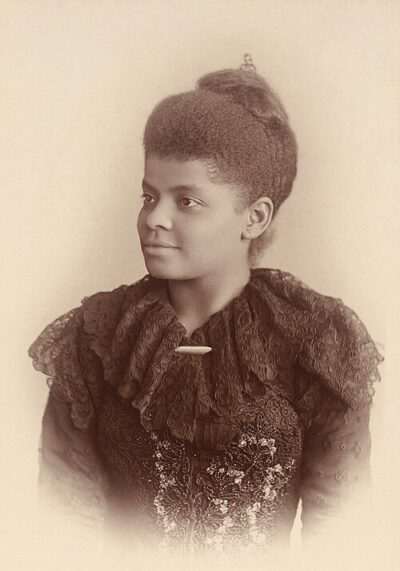 Ida B. Wells (2020)American journalist and civil rights activist (1862–1931)
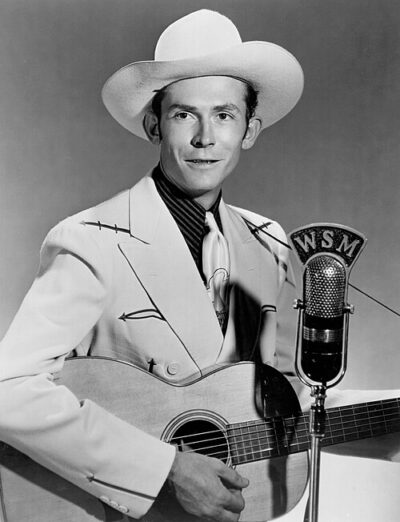 Hank Williams (2010)American singer-songwriter (1923–1953)
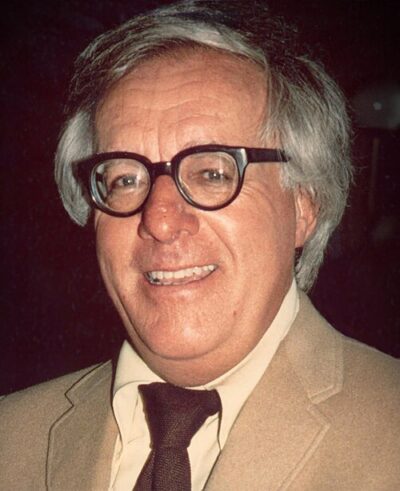 Ray Bradbury (2007)American author and screenwriter (1920–2012)
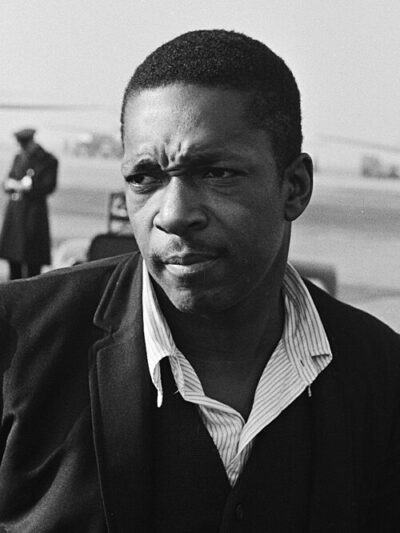 John Coltrane (2007)American jazz saxophonist (1926–1967)
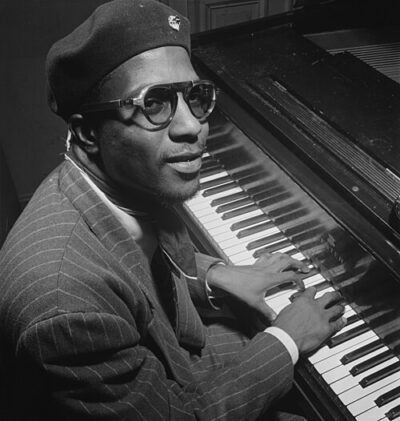 Thelonious Monk (2006)American jazz pianist and composer (1917–1982)
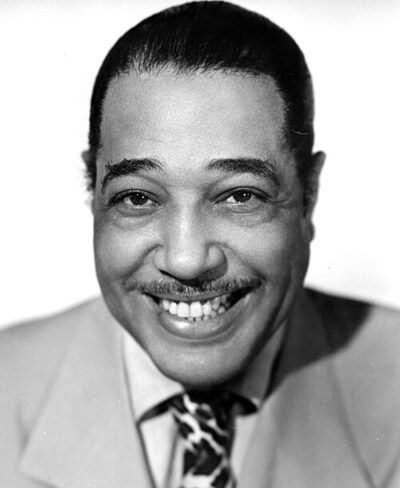 Duke Ellington (1999)American jazz pianist and composer (1899–1974)
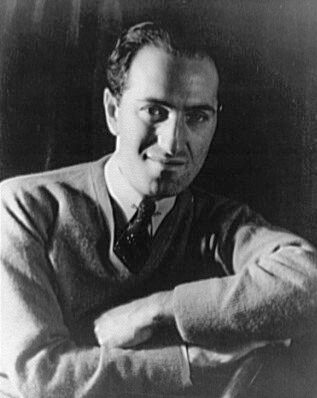 George Gershwin (1998)American composer and pianist (1898–1937)
 Art Spiegelman (1992)American cartoonist and writer (born 1948)
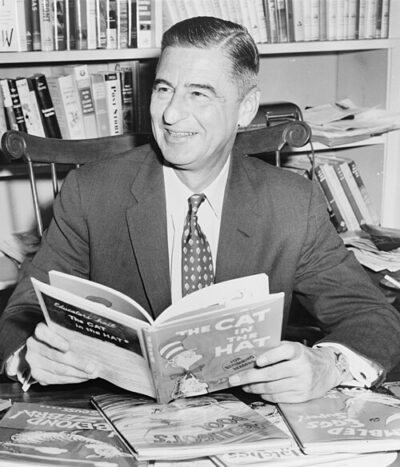 Dr. Seuss (1984)American children's author and cartoonist (1904–1991)
- MMilton Babbitt (1982)American composer (1916–2011)
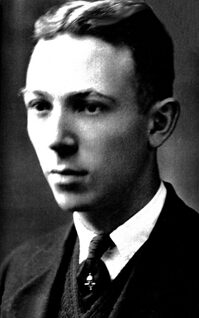 E. B. White (1978)American author (1899–1985)
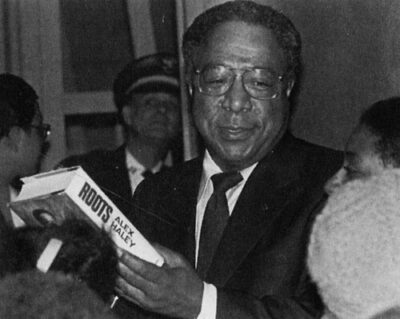 Alex Haley (1977)American biographer, screenwriter, and novelist (1921–1992)
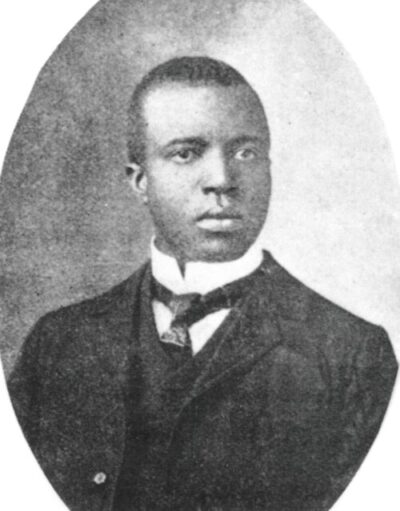 Scott Joplin (1976)American composer, musician, pianist (1867/68-1917)
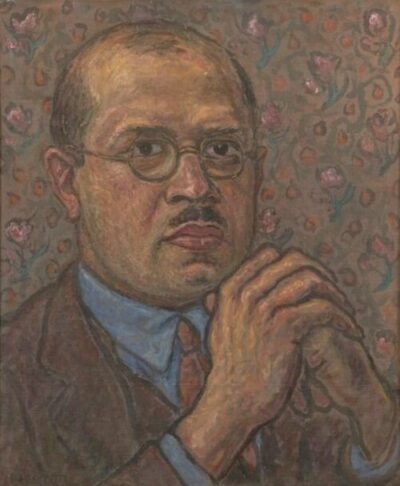 Roger Sessions (1974)American composer, critic, and teacher of music (1896-1985)
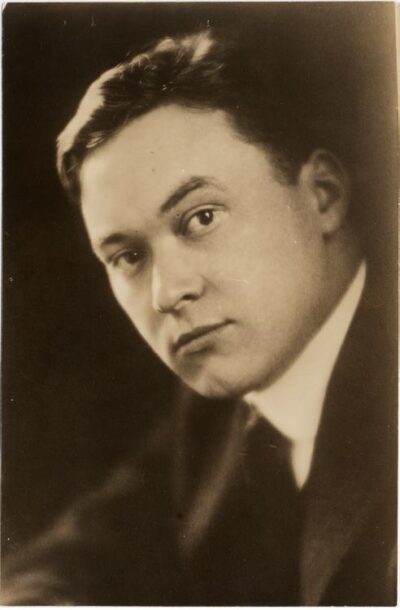 Walter Lippmann (1958)American journalist and political commentator (1889–1974)
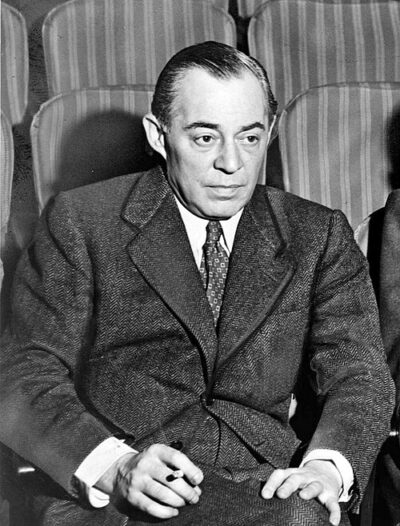 Richard Rodgers (1944)American composer of songs and Broadway musicals (1902–1979)
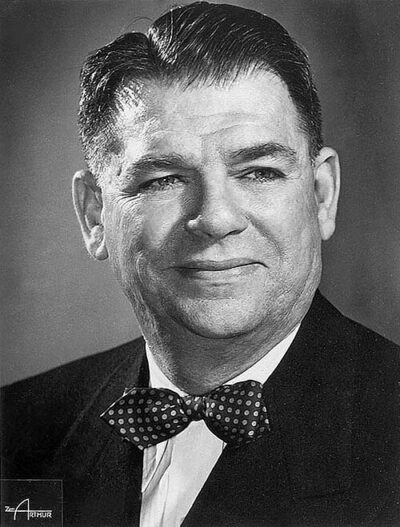 Oscar Hammerstein II (1944)American librettist, lyricist, theatrical producer, and director of musicals (1895–1960)
