

Royal Swedish Academy of Engineering Sciences
The Royal Swedish Academy of Engineering Sciences is a Swedish learned society. It was founded in 1919 by Gustaf V of Sweden. Its headquarters are in Stockholm.
- Founded
- October 24, 1919
- Founded by
- Gustaf V of Sweden
- Headquarters
- Stockholm
- Country
- Sweden
All 10 facts, and where they come from
Facts
10 facts · 0 confirmed by two sources · 0 cited · 10 from one source
Where this comes from
Papalocal keeps its own record. It started from these sources; what each one said is kept here as it was copied, so a change on their side never changes this page by itself. Tap one to read its version.
What Wikidata says · copied November 16, 2026 · revision 2484578662
- Described as
- Swedish learned society
- Other names
- Kungl. Ingenjörsvetenskapsakademien
- What it is
- Swedish Royal Academies; national academy
- Founded
- October 24, 1919
- Founded by
- Gustaf V of Sweden
- Headquarters
- Stockholm
- Located in
- Stockholm Municipality
- Country
- Sweden · 1 reference
- Chair
- Håkan Buskhe
- Field
- technical sciences
- Official website
- https://www.iva.se/
- Wikipedias with a page
- 12
Wikidata item Q3394637 (wikidata.org/wiki/Q3394637), public domain (CC0). Copied 2026-11-16.
What Wikipedia says · copied November 16, 2026 · revision 1384340190
The Royal Swedish Academy of Engineering Sciences (Swedish: Kungliga Ingenjörsvetenskapsakademien, IVA), founded on 24 October 1919 by King Gustaf V, is one of the royal academies in Sweden. The academy is an independent organisation, which promotes contact and exchange between business, research, and government, in Sweden and internationally. It is the world's oldest academy of engineering sciences.(OECD Reviews of Innovation Policy: Sweden 2012).
From the Wikipedia article “Royal Swedish Academy of Engineering Sciences” (en.wikipedia.org/wiki/Royal_Swedish_Academy_of_Engineering_Sciences), by its contributors, under CC BY-SA 4.0 (creativecommons.org/licenses/by-sa/4.0/). Copied 2026-11-16; not changed.
Confirmed Two sources agree. Cited One source, and it names where it got it. One source One source, without a reference of its own. Sources disagree The sources disagree. We show the best-supported value and keep theirs below.
Picture: Wikimedia Commons: Riddaren 10 -2.JPG · See Commons file page
People connected 29
Members 29
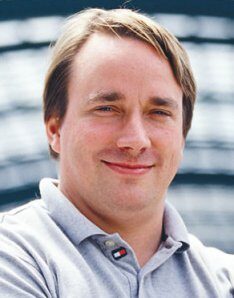 Linus TorvaldsFinnish software engineer (born 1969)
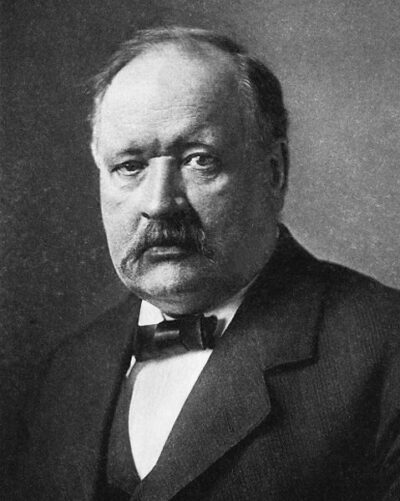 Svante August ArrheniusSwedish astronomer, chemist and physicist (1859–1927)
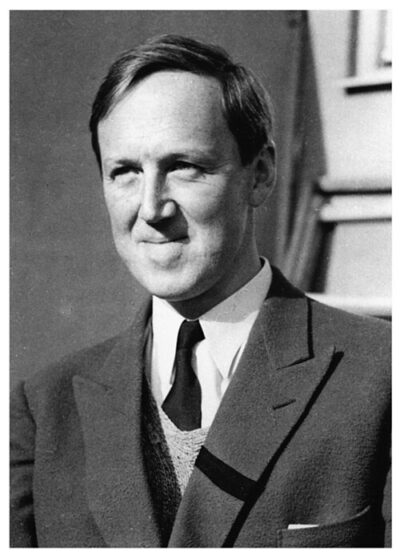 Hannes Alfvén (1947–1980)Swedish electrical engineer, plasma physicist and science fiction author (1908–1995), winner of the 1970 Nobel Prize for Physics
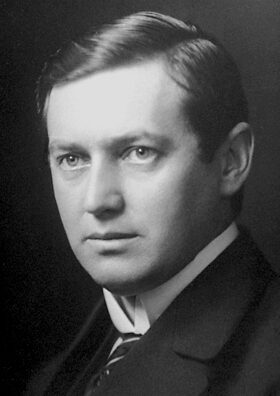 Manne SiegbahnSwedish physicist (1886-1978)
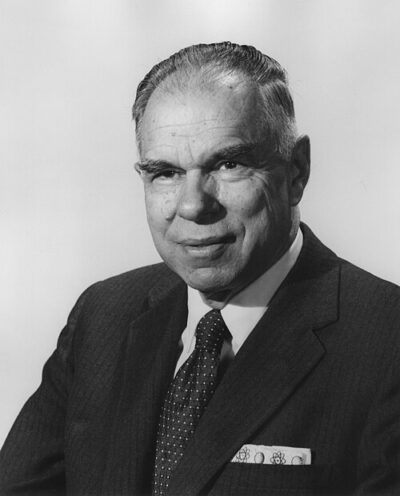 Glenn Theodore SeaborgAmerican chemist (1912–1999)
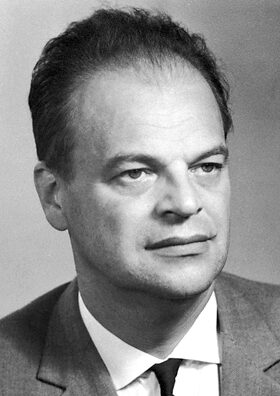 Nikolay BasovSoviet physicist (1922-2001)
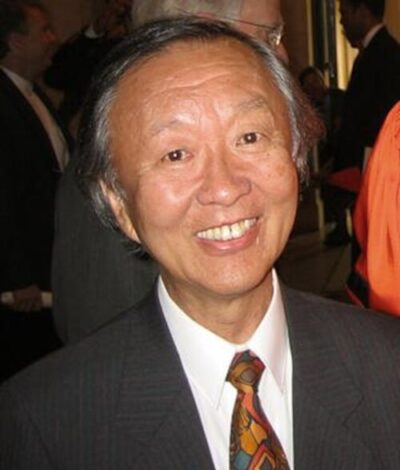 Charles K. KaoHong Kong-British-American physicist
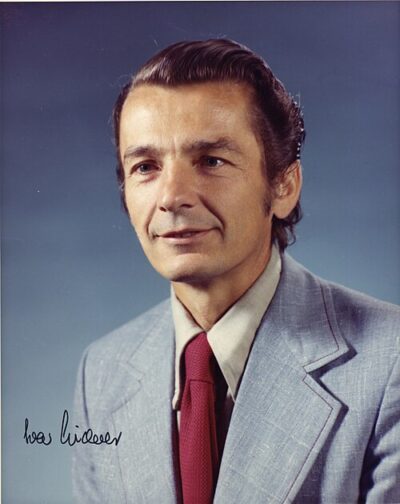 Ivar GiæverNorwegian-American physicist
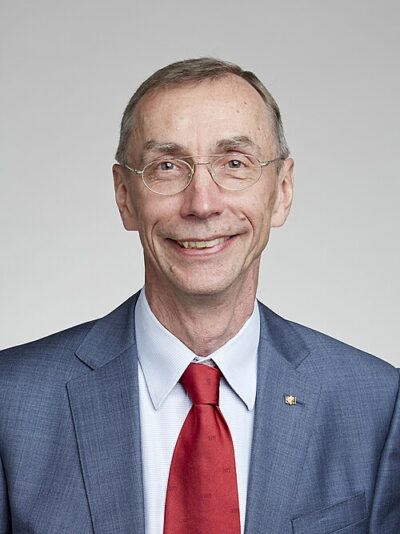 Svante PääboSwedish geneticist (born 1955)
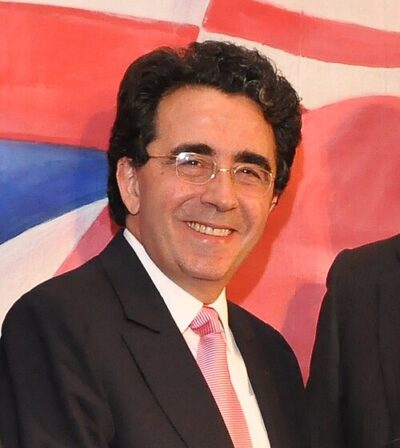 Santiago CalatravaSpanish-Swiss engineer, architect, and artist (born 1951)
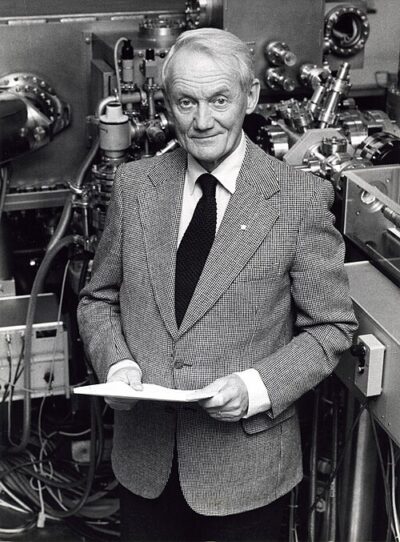 Kai SiegbahnSwedish physicist (1918–2007)
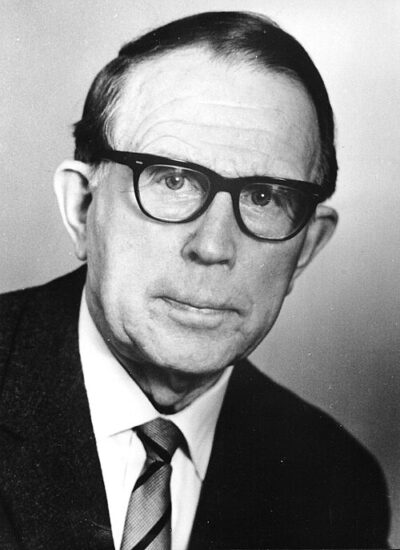 Artturi Ilmari VirtanenFinnish chemist and professor (1895–1973)
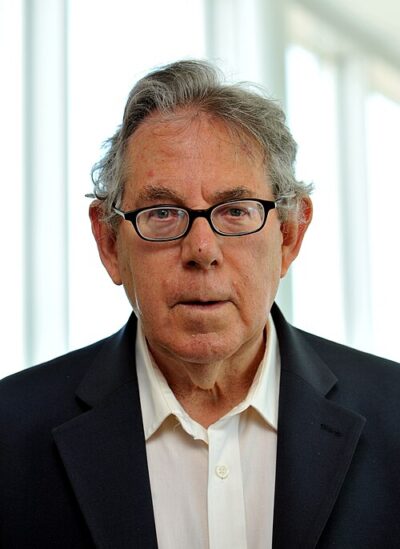 Paul J. CrutzenDutch climatologist (1933–2021)
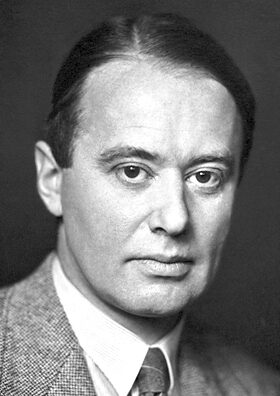 Arne TiseliusSwedish biochemist and Nobel Prize laureate in Chemistry
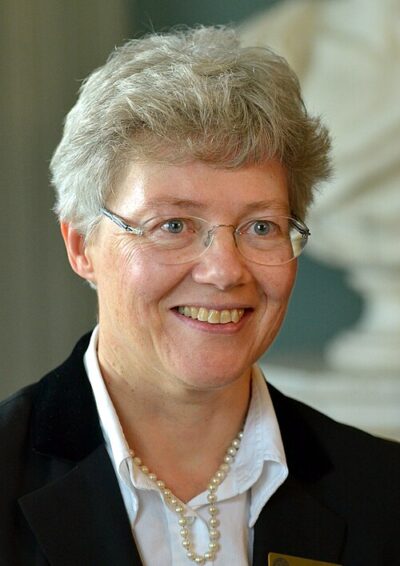 Anne L'HuillierFrench physicist
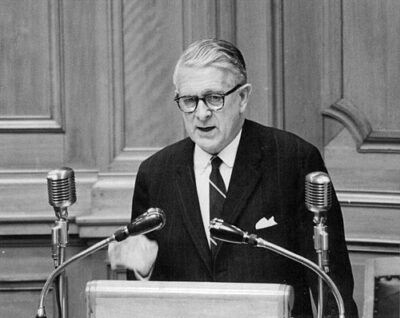 Bertil Ohlin (1946–)Swedish economist and politician (1899-1979)
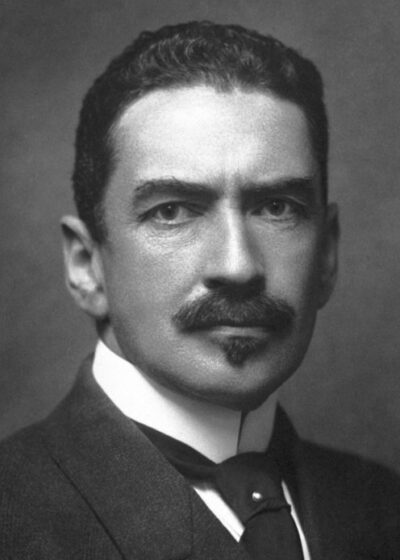 Hans von Euler-ChelpinSwedish scientist (1873-1964)
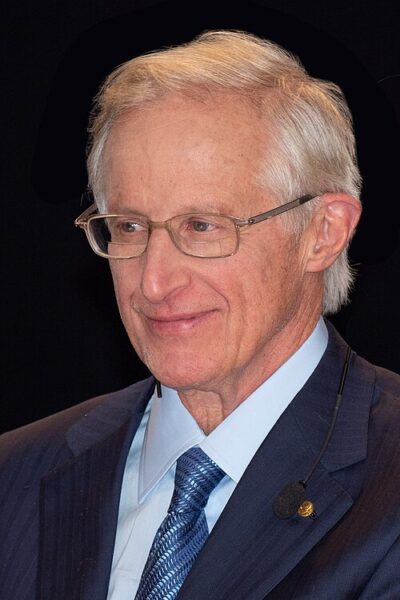 William NordhausAmerican economist and Nobel laureate (1941–2026)
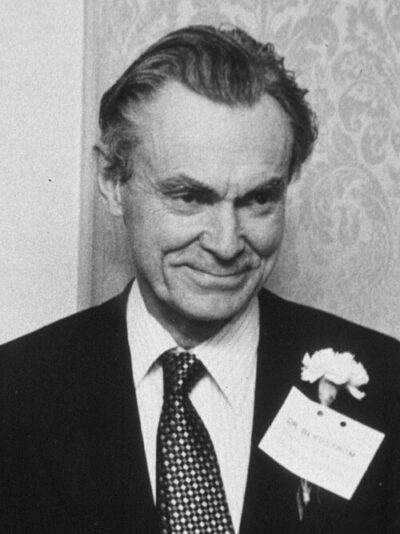 Sune BergströmSwedish biochemist (1916–2004)
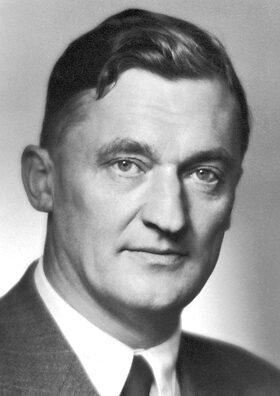 Hugo Theorellbiochemist (1903-1982)
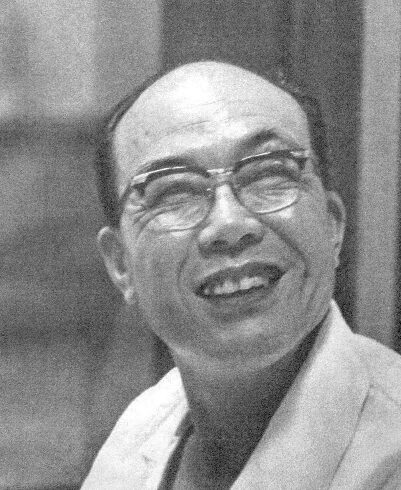 Sōichirō HondaJapanese engineer and industrialist
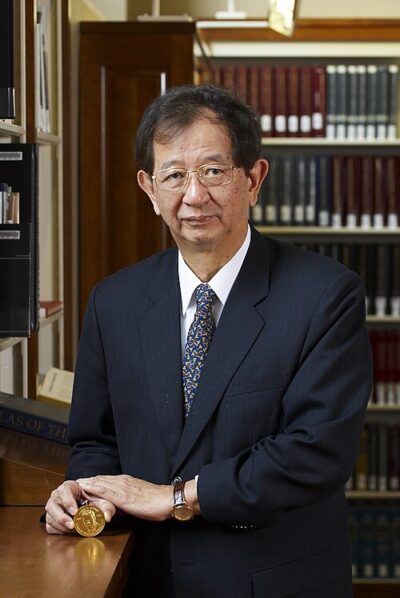 Yuan T. LeeTaiwanese chemist
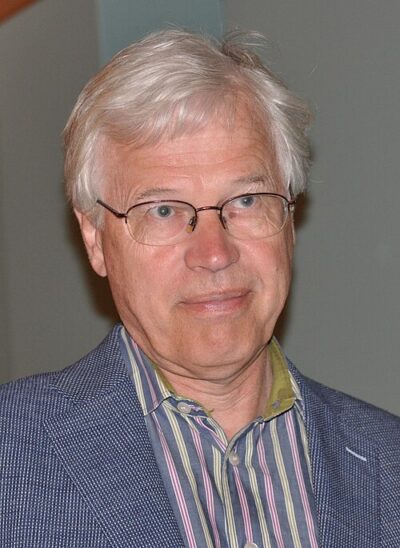 Bengt HolmströmFinnish economist and Nobel laureate
- MMerton MillerAmerican economist (1923–2000)
and 5 more
