
Secretary of State for the Colonies
Secretary of State for the Colonies is a British Cabinet minister in charge of managing the United Kingdom's various colonial dependencies. It was created in 1768. It is an office of the Kingdom of Great Britain.
- Office of
- Kingdom of Great Britain
- Country
- Kingdom of Great Britain
- Created
- February 27, 1768
All 5 facts, and where they come from
Facts
5 facts · 0 confirmed by two sources · 0 cited · 5 from one source
Where this comes from
Papalocal keeps its own record. It started from these sources; what each one said is kept here as it was copied, so a change on their side never changes this page by itself. Tap one to read its version.
What Wikidata says · copied November 17, 2026 · revision 2569638025
- Described as
- British Cabinet minister in charge of managing the United Kingdom's various colonial dependencies
- Other names
- Colonial Secretary
- What it is
- position
- Created
- February 27, 1768 · 1 reference
- Country
- Kingdom of Great Britain; United Kingdom of Great Britain and Ireland
- Office of
- Kingdom of Great Britain
- Wikipedias with a page
- 16
Wikidata item Q2519998 (wikidata.org/wiki/Q2519998), public domain (CC0). Copied 2026-11-17.
What Wikipedia says · copied November 17, 2026 · revision 1373766203
The secretary of state for the colonies or colonial secretary was the Cabinet of the United Kingdom's minister in charge of managing certain parts of the British Empire.
The colonial secretary never had responsibility for the provinces and princely states of India, which had its own secretary of state.
From 1768 until 1966, the secretary of state was supported by an under-secretary of state for the colonies (at times an under-secretary of state for war and the colonies), and latterly by a minister of state.
From the Wikipedia article “Secretary of State for the Colonies” (en.wikipedia.org/wiki/Secretary_of_State_for_the_Colonies), by its contributors, under CC BY-SA 4.0 (creativecommons.org/licenses/by-sa/4.0/). Copied 2026-11-17; not changed.
Confirmed Two sources agree. Cited One source, and it names where it got it. One source One source, without a reference of its own. Sources disagree The sources disagree. We show the best-supported value and keep theirs below.
People connected 11
Held this office
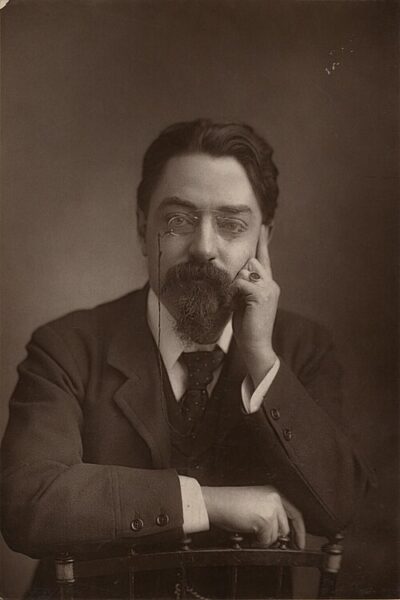 Sidney Webb (1929–1931)English socialist economist, 1859–1947 (1859–1947)
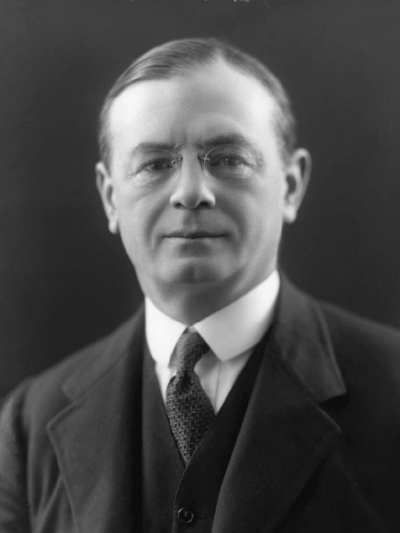 Leo Amery (1924–1929)British politician and journalist (1873-1955)
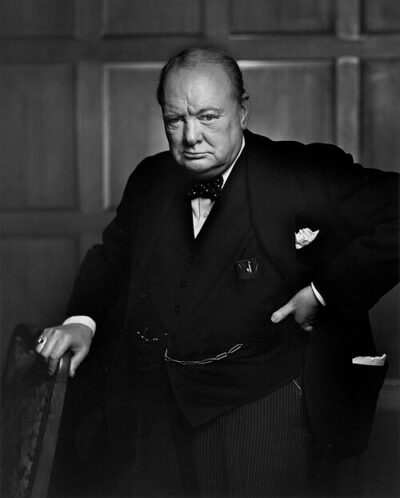 Winston Churchill (1921–1922)British statesman, soldier and writer (1874–1965)
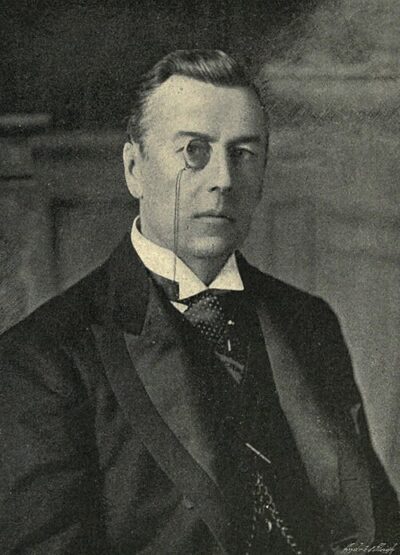 Joseph Chamberlain (1895–1903)British politician (1836-1914)
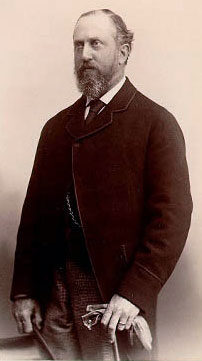 Frederick Stanley, 16th Earl of Derby (1885–1886)British politician and Governor General of Canada (1841–1908)
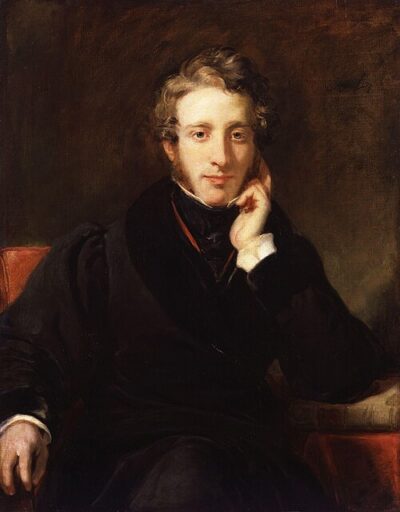 Edward Bulwer-Lytton (1858–1859)British statesman and author (1803–1873)
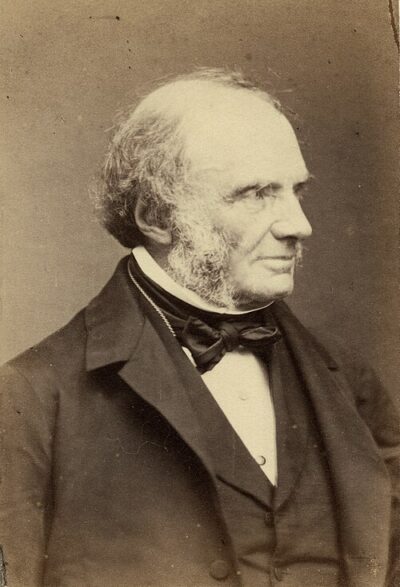 John Russell, 1st Earl Russell (1855)Prime Minister of the United Kingdom, 1846–1852 and 1865–1866 (1792–1878)
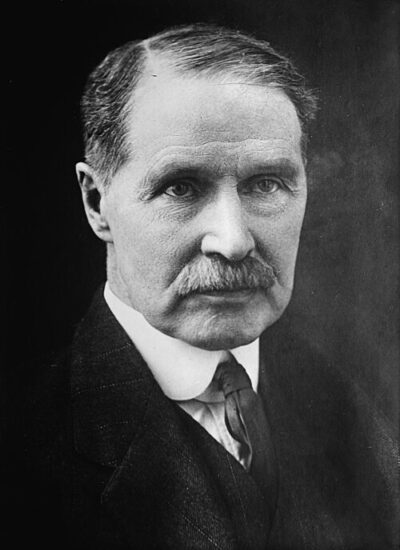 Bonar LawPrime Minister of the United Kingdom from 1922 to 1923
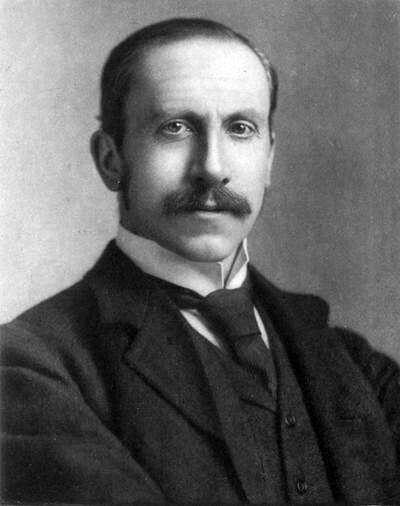 Alfred Milner, 1st Viscount MilnerBritish statesman and colonial administrator (1854-1925)
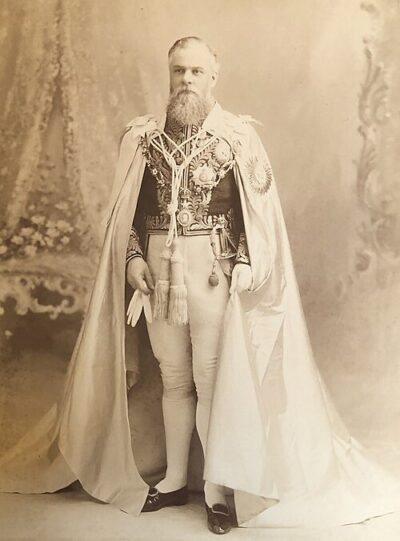 Victor Bruce, 9th Earl of ElginBritish nobleman and politician (1849–1917)
 Henry Herbert, 4th Earl of CarnarvonBritish politician and leading member of the Conservative Party (1831-1890)
