

Sudetenland Medal
Sudetenland Medal is a decoration of Nazi Germany awarded in the interwar period (1938–?).
- Country
- German Reich
- Created
- October 18, 1938
All 6 facts, and where they come from
Facts
6 facts · 0 confirmed by two sources · 0 cited · 6 from one source
Where this comes from
Papalocal keeps its own record. It started from these sources; what each one said is kept here as it was copied, so a change on their side never changes this page by itself. Tap one to read its version.
What Wikidata says · copied November 17, 2026 · revision 2511649832
- Described as
- decoration of Nazi Germany awarded in the interwar period (1938–?)
- What it is
- campaign medal; commemorative medal; order, decoration, or medal of Nazi Germany
- Created by
- Richard Klein · 1 reference
- Created
- October 18, 1938
- Country
- German Reich
- Wikipedias with a page
- 21
Wikidata item Q688857 (wikidata.org/wiki/Q688857), public domain (CC0). Copied 2026-11-17.
What Wikipedia says · copied November 17, 2026 · revision 1386191264
The 1 October 1938 Commemorative Medal (German: Die Medaille zur Erinnerung an den 1. Oktober 1938) was commonly known as the Sudetenland Medal. It was a decoration of Nazi Germany awarded during the interwar period, and the second in a series of Occupation Medals.
From the Wikipedia article “Sudetenland Medal” (en.wikipedia.org/wiki/Sudetenland_Medal), by its contributors, under CC BY-SA 4.0 (creativecommons.org/licenses/by-sa/4.0/). Copied 2026-11-17; not changed.
Confirmed Two sources agree. Cited One source, and it names where it got it. One source One source, without a reference of its own. Sources disagree The sources disagree. We show the best-supported value and keep theirs below.
Picture: Wikimedia Commons: Sudetenland Medal.PNG · See Commons file page
People connected 34
Won it 34
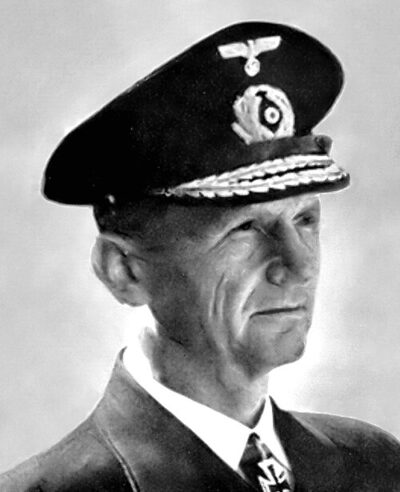 Karl Dönitz (1939)German admiral and former president of Nazi Germany in 1945 (born 1891-1980)
 Theodor Eicke (1939)German SS general, commander of concentration camp Dachau and inspector of the concentration camps (1892–1943)
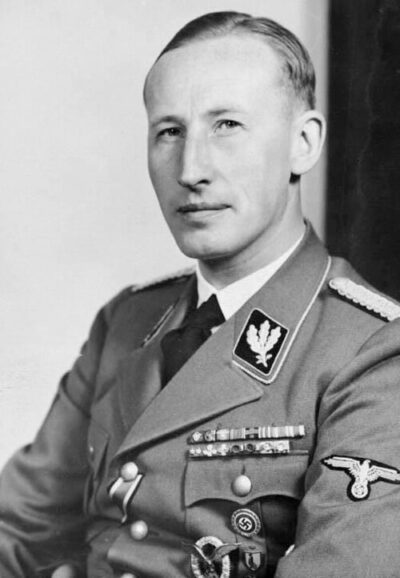 Reinhard Heydrich (1938)German Nazi SS and Gestapo police official and main architect of the Holocaust Genocide (1904-1942)
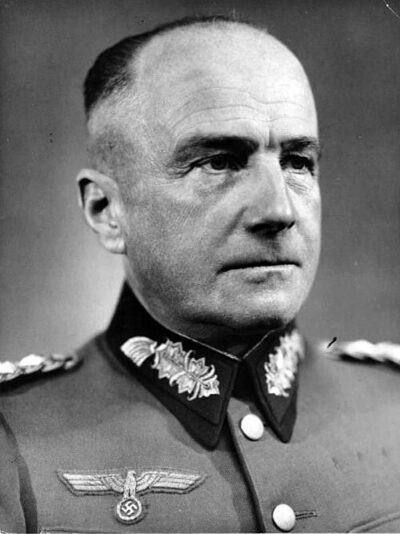 Walther von Brauchitsch (1938)German field marshal (1881-1948)
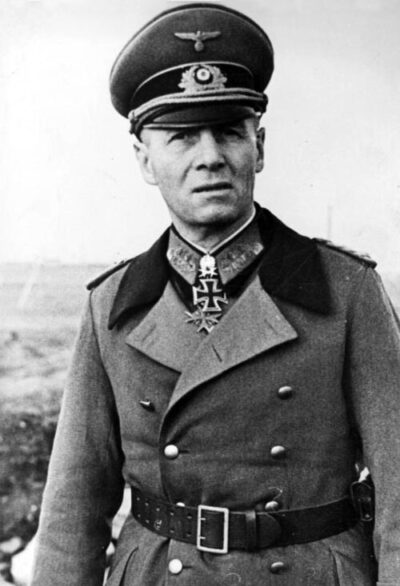 Erwin RommelGerman field marshal (1891–1944)
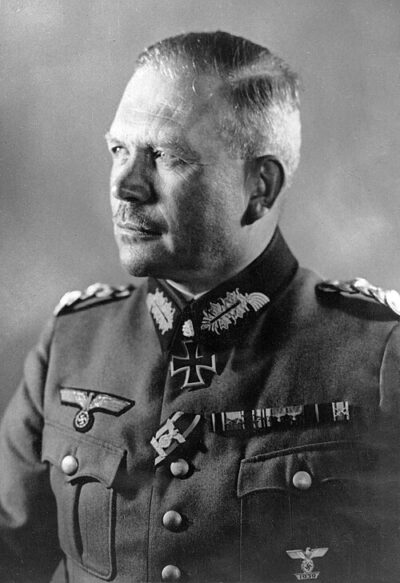 Heinz GuderianGerman general (1888–1954)
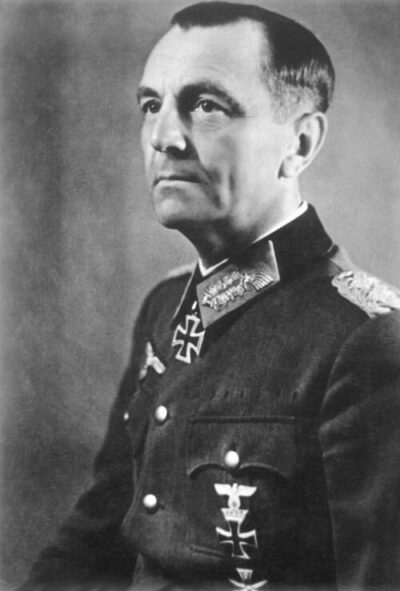 Friedrich PaulusGerman general (1890–1957)
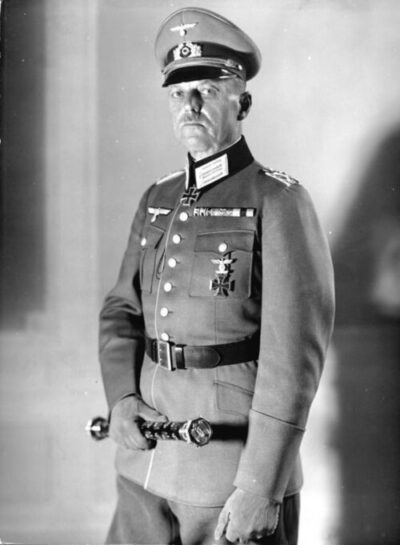 Gerd von RundstedtGerman Field Marshal during World War II (1875-1953)
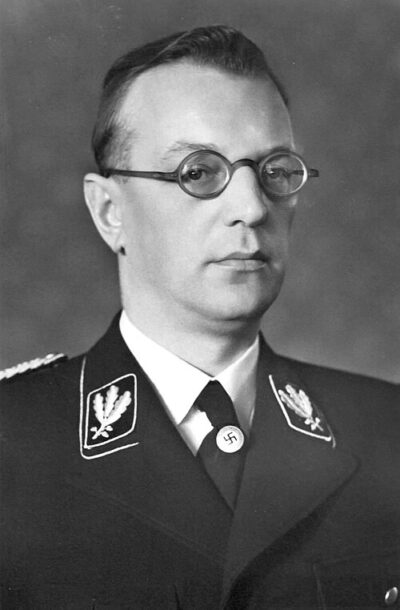 Arthur Seyss-InquartAustrian Nazi politician, and Nazi ruler of occupied Netherlands, convicted of crimes against humanity and sentenced to death (1892–1946)
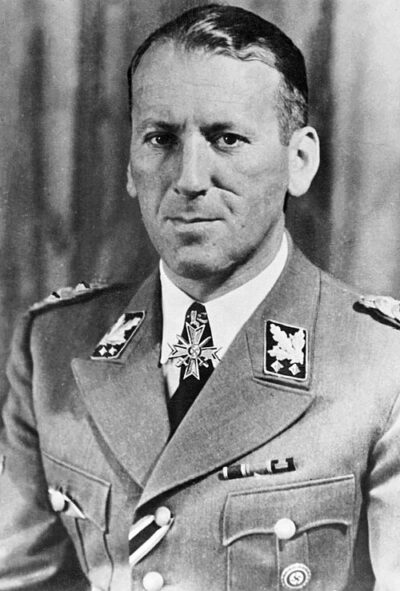 Ernst KaltenbrunnerAustrian SS official, a major perpetrator of the Holocaust and convicted war criminal (1903-1946)
 Baldur von SchirachGerman Nazi politician and convicted war criminal (1907–1974)
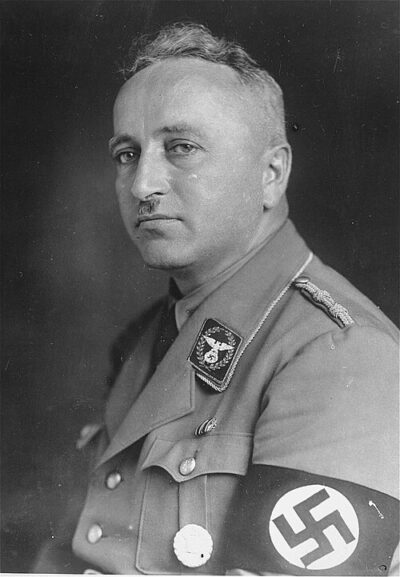 Robert LeyGerman Nazi politician; indicted by the International Military Tribunal for war crimes (1890-1945)
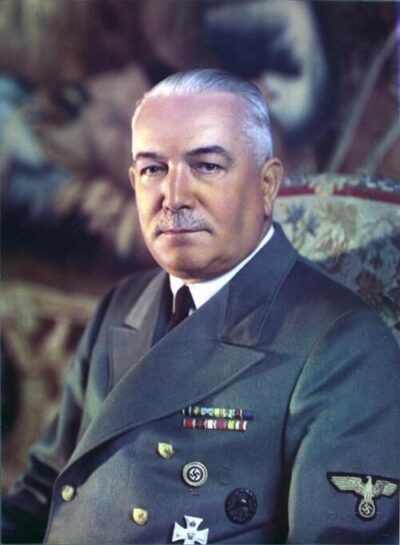 Konstantin von NeurathGerman Foreign Minister, Ambassador and Reich Protector in Bohemia and Moravia, general and Nazi war criminal (1873-1956)
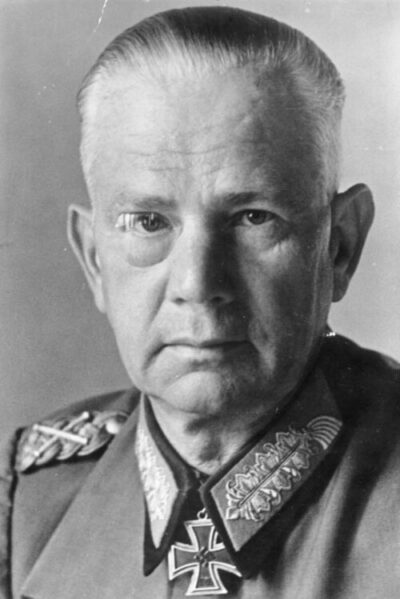 Walter von ReichenauGerman field marshal (1884–1942)
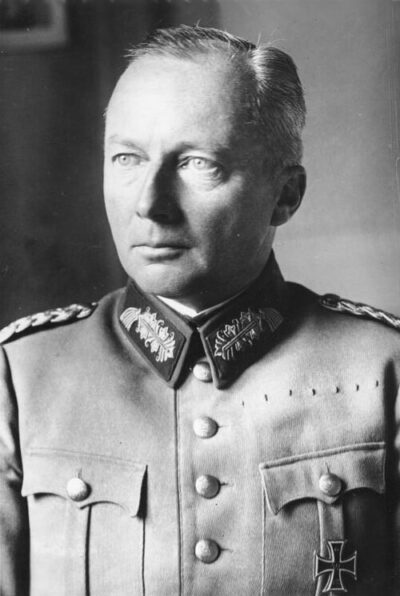 Günther von KlugeGerman general (1882-1944)
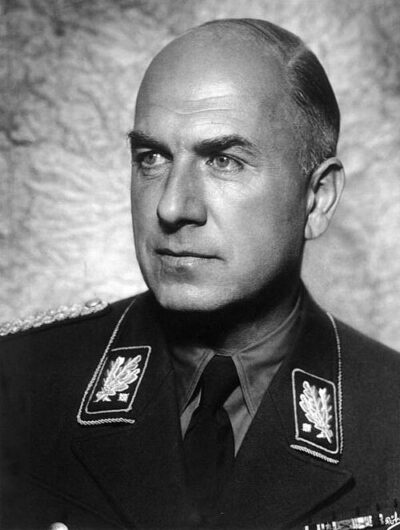 Fritz TodtGerman engineer, Holocaust perpetrator, and senior Nazi figure (1891–1942)
 Karl BrandtGerman Nazi SS officer and physician, executed for war crimes and crimes against humanity (1904–1948)
 Heinrich MüllerGerman SS police official SS-General and head of the Gestapo from 1939-1945 (1900–1945)
 Erhard MilchGerman officer, NSDAP, most recently field marshal in the Third Reich, war criminal (1892–1972)
 Ferdinand SchörnerGerman field marshal (1892–1973)
 Erwin von WitzlebenGerman field marshal (1881–1944)
 Johannes BlaskowitzGerman general (1883–1948)
 Ernst BuschGerman field marshal (1885-1945)
 Hermann FegeleinGerman lieutenant general in the Waffen-SS (1906–1945)
and 10 more
