
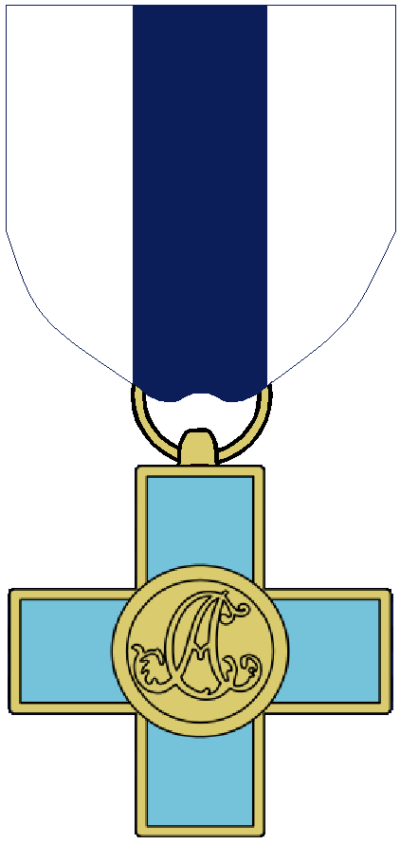
Civil Order of Savoy
Civil Order of Savoy is a Military order. It was created in 1831.
- Given by
- the
- Country
- Kingdom of Sardinia
- Created
- 1831
All 5 facts, and where they come from
Facts
5 facts · 0 confirmed by two sources · 0 cited · 5 from one source
Where this comes from
Papalocal keeps its own record. It started from these sources; what each one said is kept here as it was copied, so a change on their side never changes this page by itself. Tap one to read its version.
What Wikidata says · copied November 16, 2026 · revision 2568962562
- Described as
- Military order
- What it is
- order
- Created
- 1831
- Country
- Kingdom of Sardinia; Kingdom of Italy
- Given by
- the · 1 reference
- Wikipedias with a page
- 14
Wikidata item Q206967 (wikidata.org/wiki/Q206967), public domain (CC0). Copied 2026-11-16.
What Wikipedia says · copied November 16, 2026 · revision 1368310348
The Civil Order of Savoy was founded as an order of knighthood in 1831 by the King of Sardinia, Charles Albert, Duke of Savoy. It is now replaced by the Order of Merit of Savoy. The intention was to reward those virtues not belonging to the existing Military Order of Savoy, founded by Vittorio Emanuele I in 1815. The order has one degree, that of Knight (Cavalieri dell'Ordine civile di Savoia), and is limited to 70 members. Admission is in the personal gift of the head of the House of Savoy.
The insignia bears the inscription Al Merito Civile—1831; the letters C.A. on the reverse substituted for V.E. after the death of Charles Albert in 1849.
The civil order was continued on the unification of Italy in 1861, but has been suppressed by law since the foundation of the Republic in 1946. Umberto II did not abdicate his position as fons honorum however, and the now dynastic order remains under the Grand Mastership of the head of the former Royal house. While the continued use of those decorations awarded prior to 1951 is permitted in Italy, they no longer confer any right of precedence in official ceremonies.
From the Wikipedia article “Civil Order of Savoy” (en.wikipedia.org/wiki/Civil_Order_of_Savoy), by its contributors, under CC BY-SA 4.0 (creativecommons.org/licenses/by-sa/4.0/). Copied 2026-11-16; not changed.
Confirmed Two sources agree. Cited One source, and it names where it got it. One source One source, without a reference of its own. Sources disagree The sources disagree. We show the best-supported value and keep theirs below.
Picture: Skjoldbro, via Wikimedia Commons · CC BY-SA 4.0
People connected 24
Won it
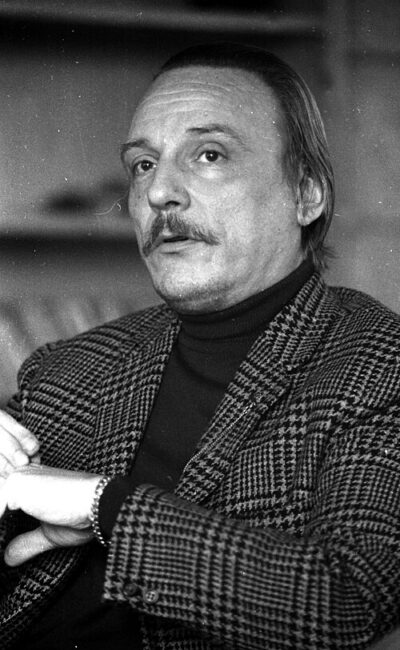 Arturo Benedetti Michelangeli (1974)Italian pianist
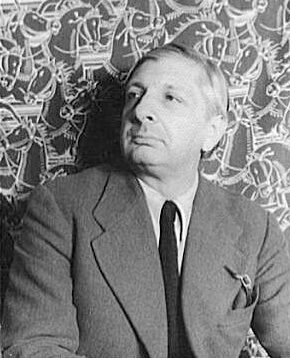 Giorgio de Chirico (1961)Italian artist (1888–1978)
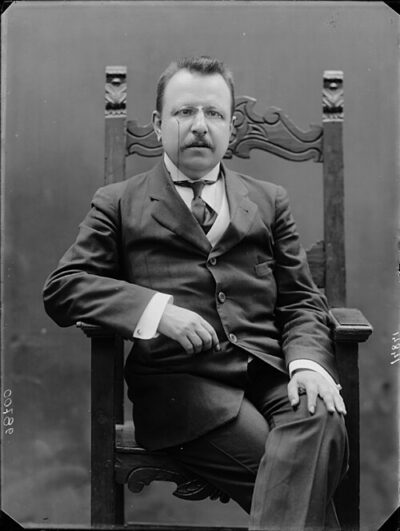 Benedetto Croce (1924)Italian philosopher (1866-1952)
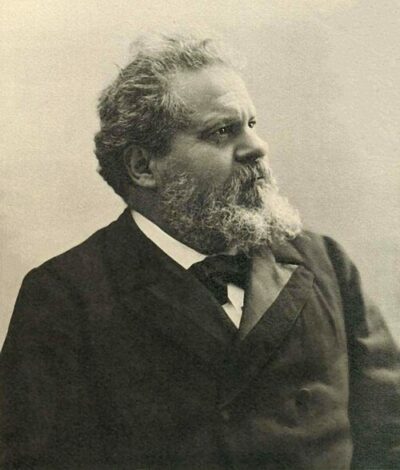 Giosuè Carducci (1905)Italian poet and literary critic (1835–1907)
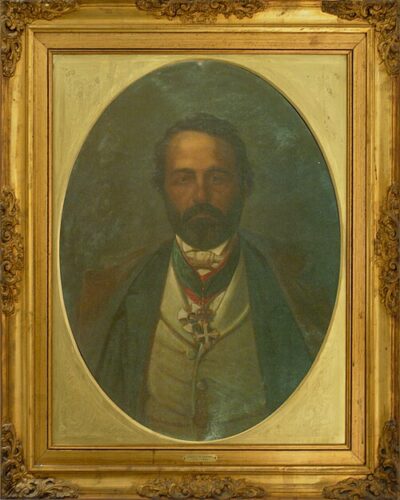 Annibale de Gasparis (1872)Italian astronomer (1819–1892)
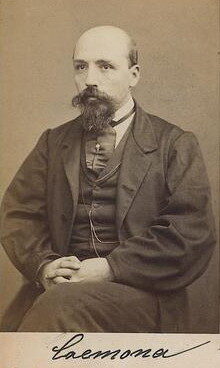 Luigi Cremona (1869)Italian mathematician (1830-1903)
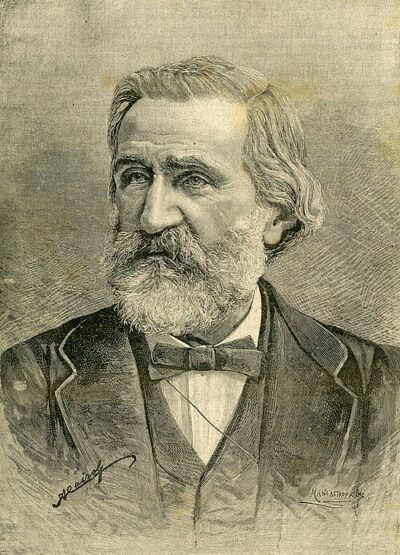 Giuseppe VerdiItalian opera composer (1813–1901)
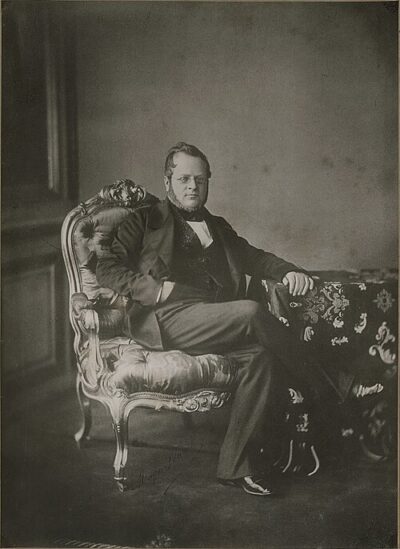 Camillo Benso di Cavourfirst Prime Minister of the Kingdom of Italy from March to June in 1861
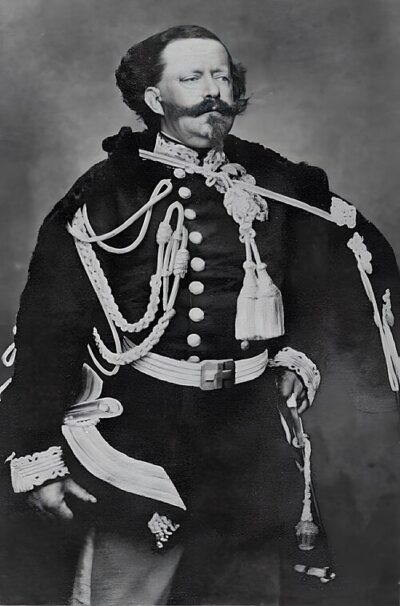 Victor Emmanuel II of ItalyKing of Sardinia (1849–1861) and King of Italy (1861–1878)
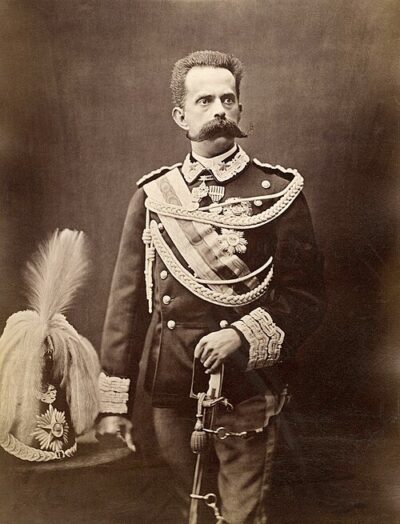 Umberto I of Italyking of Italy (1844-1900)
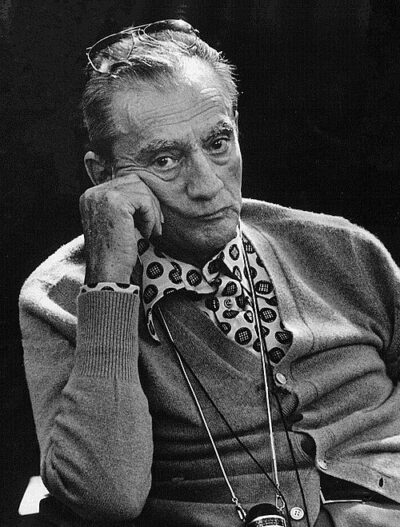 Luchino ViscontiItalian director (1906–1976)
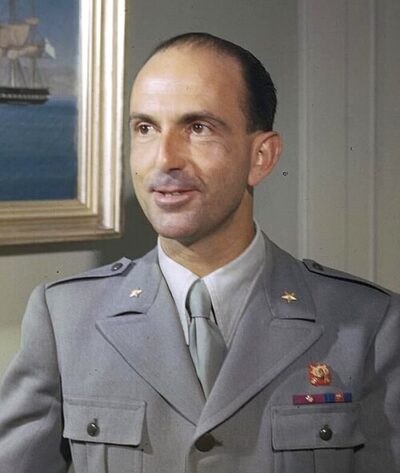 Umberto II of Italylieutenant of the Kingdom of Italy and last king of Italy
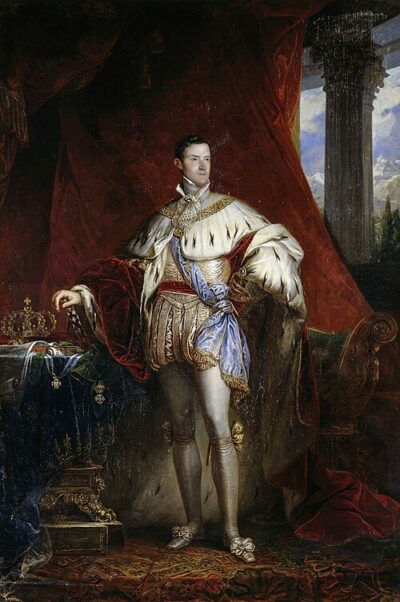 Carlo Alberto I of SardiniaKing of Sardinia from 1831 to 1849
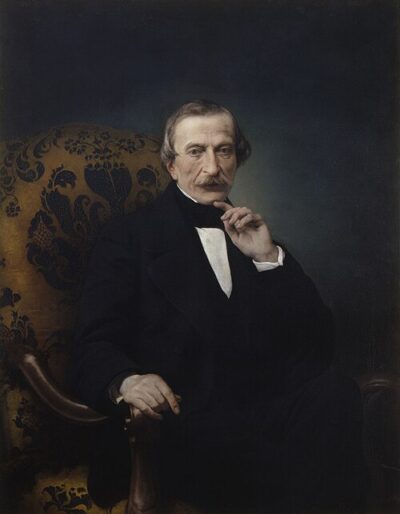 Massimo d'AzeglioItalian statesman, novelist and painter (1798–1866)
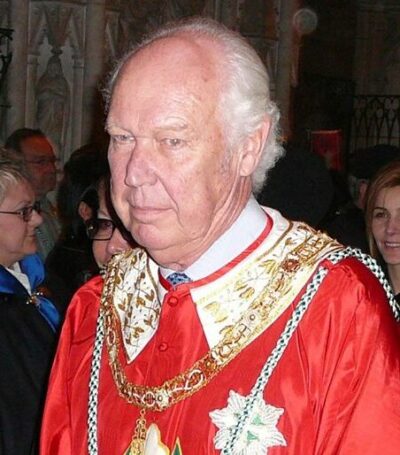 Vittorio Emanuele, Prince of Naplesdisputed Head of the House of Savoy from 1983 to 2024
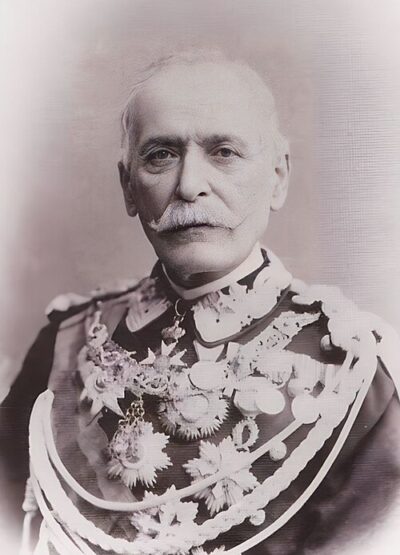 Luigi Federico MenabreaItalian politician, scientist, and general (1809–1896)
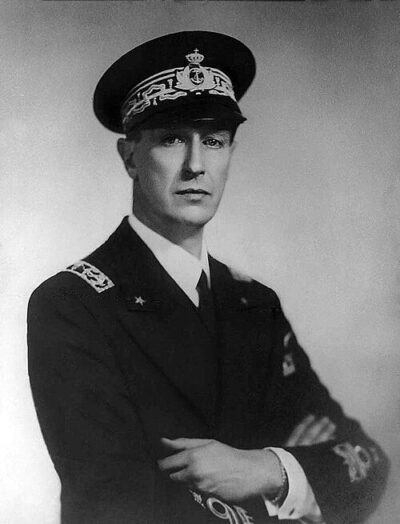 Prince Aimone, 4th Duke of AostaItalian prince and navy officer (1900-1948)
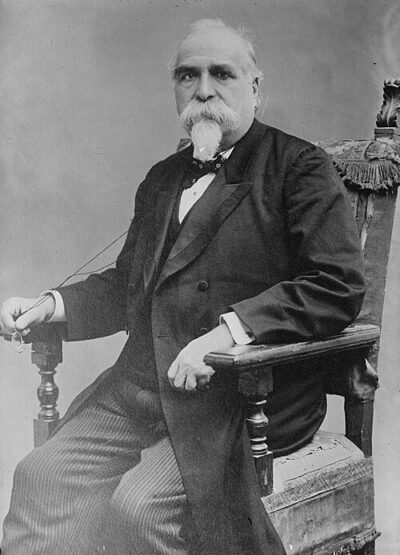 Luigi LuzzattiItalian statesman and economist (1841-1927)
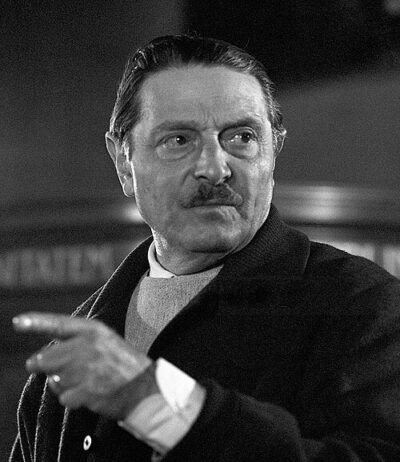 Alessandro BlasettiItalian film director, screenwriter and film editor (1900–1987)
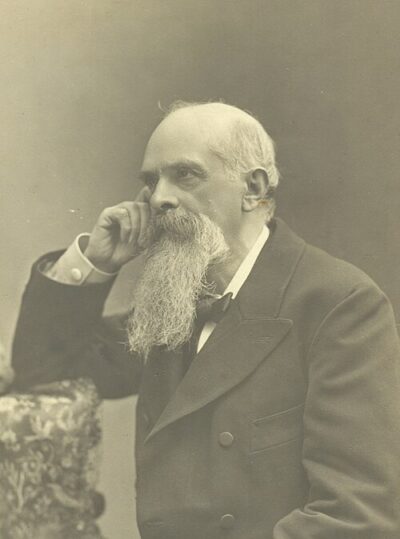 Graziadio Isaia AscoliItalian linguist (1829–1907)
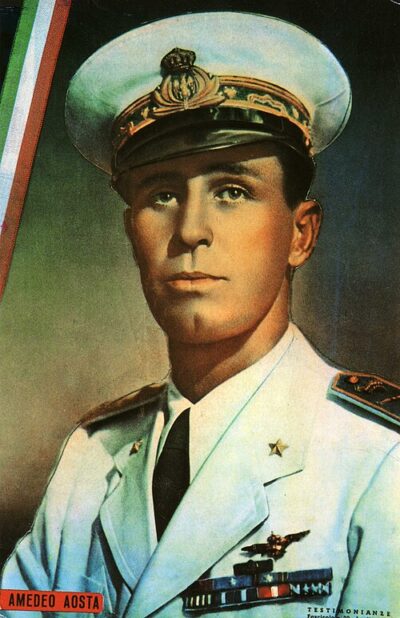 Prince Amedeo, 3rd Duke of AostaDuke of Aosta, Commander in Italian East Africa (1898–1942)
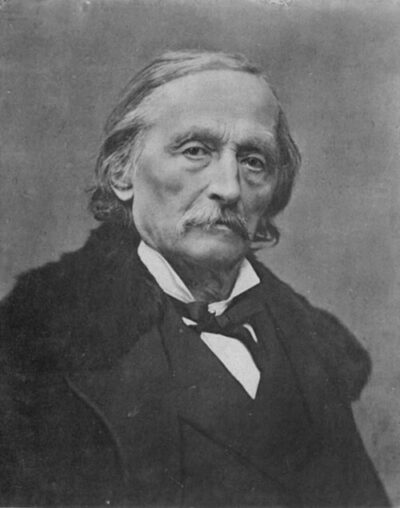 Cesare CantùItalian historian (1804-1895)
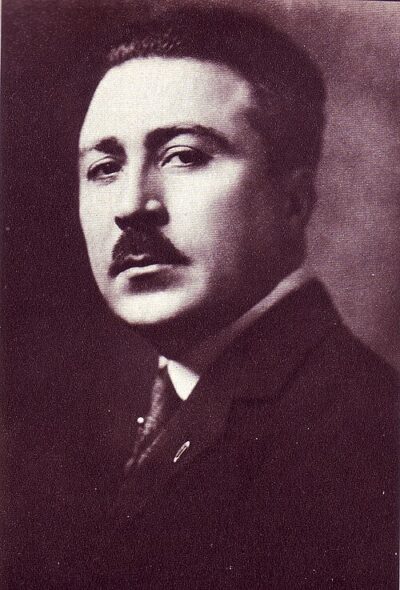 Roberto FarinacciItalian politician (1892-1945)
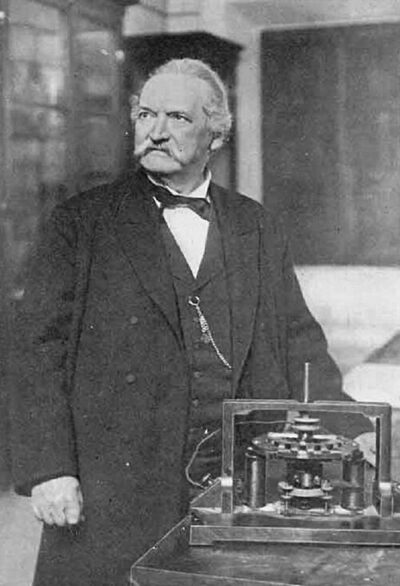 Antonio PacinottiItalian physicist (1841-1912)
