
Democratic Party
The Democratic Party is an American political party. It was founded in 1828 by Andrew Jackson and Martin Van Buren. Its headquarters are in Washington, D.C. It stands for modern liberalism in the United States and social liberalism.
- Country
- United States
- Founded
- January 8, 1828
- Ideology
- modern liberalism in the United States
- Chair
- Ken Martin (2025–)
All 12 facts, and where they come from
Facts
12 facts · 0 confirmed by two sources · 2 cited · 10 from one source
Where this comes from
Papalocal keeps its own record. It started from these sources; what each one said is kept here as it was copied, so a change on their side never changes this page by itself. Tap one to read its version.
What Wikidata says · copied November 16, 2026 · revision 2569225111
- Described as
- American political party
- Other names
- Democrats, Democrat, Democratic Party (United States), Dems, American Democratic Party, Democratic Party of the United States, United States Democratic Party, US Democratic Party, U.S. Democratic Party, The Democrats
- What it is
- political party
- Comes after
- Democratic-Republican Party
- Founded
- January 8, 1828
- Founded by
- Andrew Jackson; Martin Van Buren
- Headquarters
- Washington, D.C.
- Country
- United States
- Chair
- Jaime Harrison (2021–2025) · 1 reference; Ken Martin (2025–)
- Ideology
- modern liberalism in the United States; social liberalism
- Official website
- https://democrats.org · 1 reference
- Wikipedias with a page
- 141
Wikidata item Q29552 (wikidata.org/wiki/Q29552), public domain (CC0). Copied 2026-11-16.
What Wikipedia says · copied November 16, 2026 · revision 1385275128
The Democratic Party is a liberal political party in the United States, sitting on the center to center-left of the political spectrum. Founded in 1828, it is the world's oldest active political party. Its main rival is the Republican Party, and since the 1850s, both have dominated American politics.
The Democratic Party initially supported Jacksonian democracy, agrarianism, and geographical expansionism, while opposing a national bank and high tariffs. Democrats won six of the eight presidential elections from 1828 to 1856, losing twice to the Whigs. In 1860, the party split into Northern and Southern factions over slavery. The party remained dominated by agrarian interests, contrasting with Republican support for the big business of the Gilded Age. A Democratic candidate won the presidency only twice between 1860 and 1908, although Democratic candidates won the popular vote two more times in that period. During the Progressive Era, some factions of the party supported progressive reforms, with Woodrow Wilson being elected president in 1912 and 1916.
In 1932, Franklin D. Roosevelt was elected president after campaigning on a strong response to the Great Depression. His New Deal programs created a broad Democratic coalition that united white Southerners, Northern workers, labor unions, African Americans, Catholic and Jewish communities, progressives, and liberals. From the late 1930s, a conservative minority in the party's Southern wing joined with Republicans as a reaction to progressive domestic reforms. After the civil rights movement and Great Society era of progressive legislation under Lyndon B. Johnson, who was often able to overcome the conservative coalition in the 1960s, many white Southerners switched to the Republican Party as the Northeastern states became more reliably Democratic. The party's labor union element has weakened since the 1970s amid deindustrialization, and during the 1980s it lost many white working-class voters to the Republicans under Ronald Reagan. The election of Bill Clinton in 1992 marked a shift for the party toward centrism and the Third Way, shifting its economic stance toward market-based policies. Barack Obama oversaw passage of the Affordable Care Act in 2010, which passed along party lines.
On economic issues, the party favors healthcare reform, paid sick leave, paid family leave and supporting unions. On social issues, it advocates for abortion rights, gun control, LGBTQ rights, action on climate change, the legalization of marijuana, and a pathway to citizenship for undocumented immigrants. Since 2016, the party has seen a significant growth in support for progressivism. In foreign policy, the party supports liberal internationalism and aid to Ukraine, as well as tough stances against Russia.
From the Wikipedia article “Democratic Party (United States)” (en.wikipedia.org/wiki/Democratic_Party_(United_States)), by its contributors, under CC BY-SA 4.0 (creativecommons.org/licenses/by-sa/4.0/). Copied 2026-11-16; not changed.
Confirmed Two sources agree. Cited One source, and it names where it got it. One source One source, without a reference of its own. Sources disagree The sources disagree. We show the best-supported value and keep theirs below.
People connected 600
Party members 600
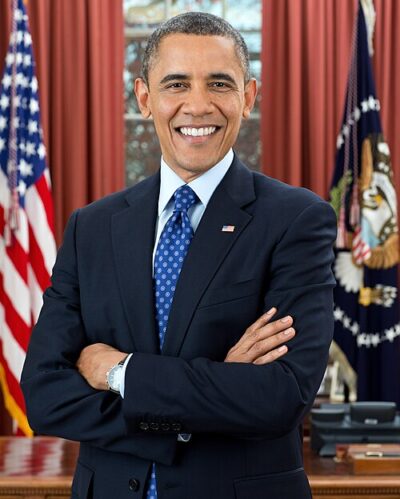 Barack Obama44th President of the United States (2009–2017)
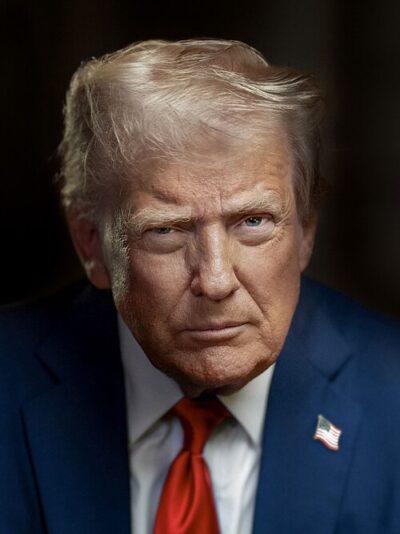 Donald Trump (2001–2009)President of the United States (2017–2021; since 2025)
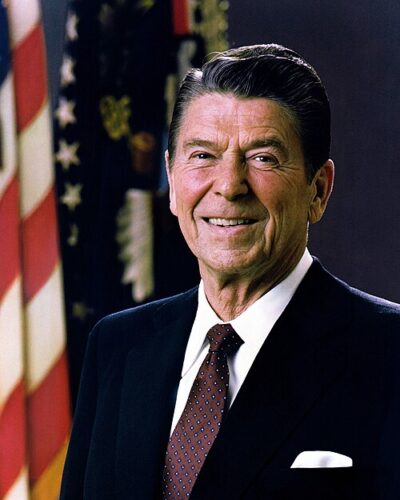 Ronald Reagan (–1962)president of the United States from 1981 to 1989 and actor (1911–2004)
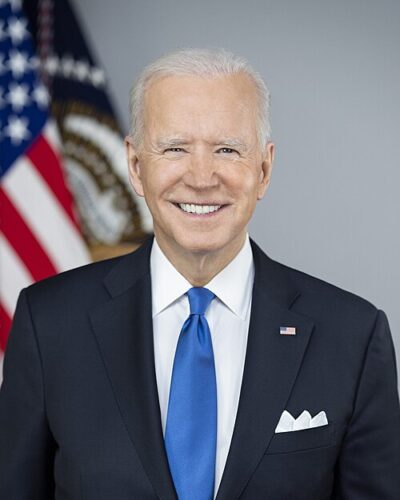 Joe Biden46th President of the United States (2021–2025)
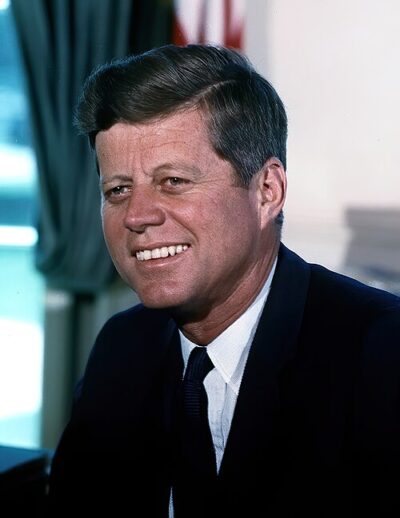 John F. Kennedypresident of the United States from 1961 to 1963 (1917–1963)
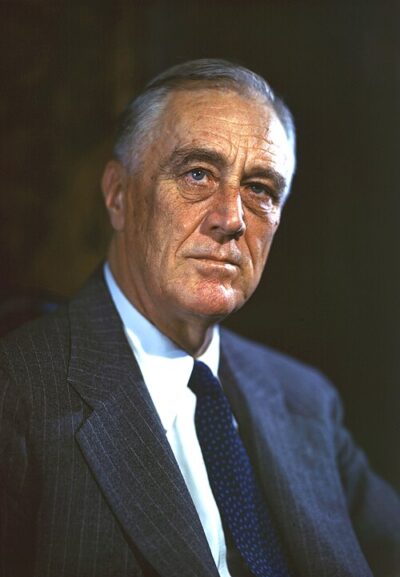 Franklin Delano Rooseveltpresident of the United States from 1933 to 1945 (1882–1945)
 Steve JobsAmerican entrepreneur; co-founder of Apple Inc. (1955–2011)
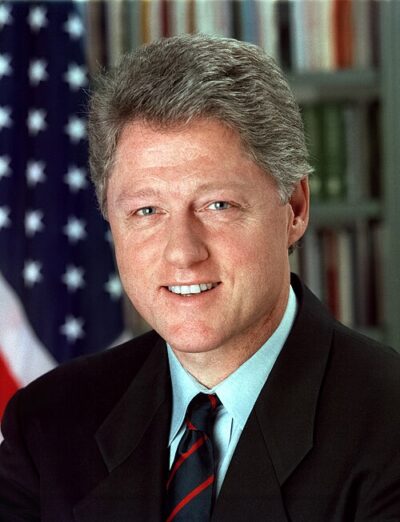 Bill Clinton42nd President of the United States (1993–2001)
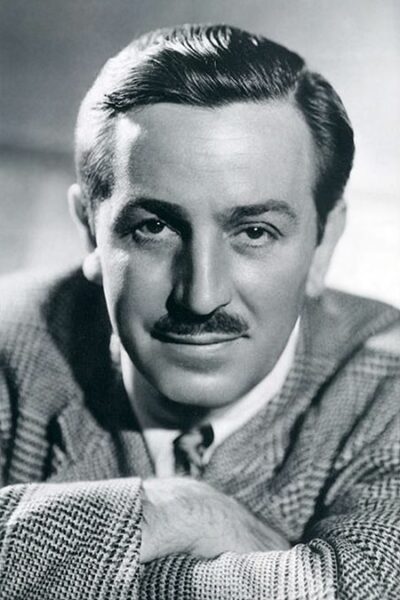 Walt Disney (–1940)American animator, producer, director, screenwriter, voice actor and entrepreneur, founder of The Walt Disney Company (1901–1966)
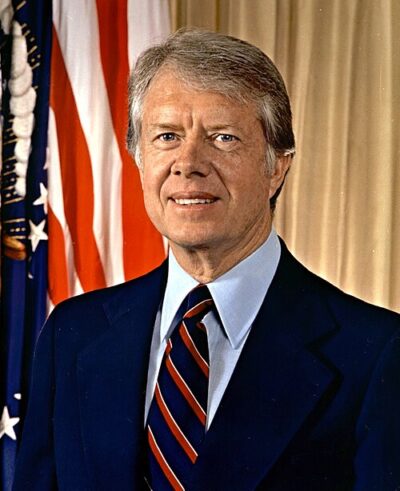 Jimmy Carterpresident of the United States from 1977 to 1981 (1924–2024)
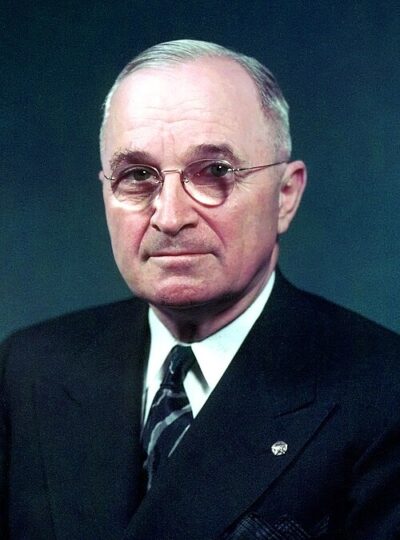 Harry S. Trumanpresident of the United States from 1945 to 1953; politician (1884–1972)
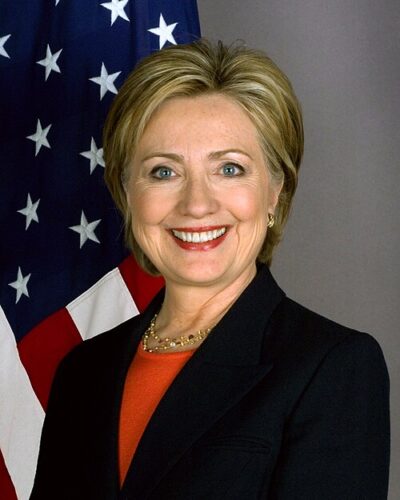 Hillary Clinton (1968–)American politician and diplomat (born 1947)
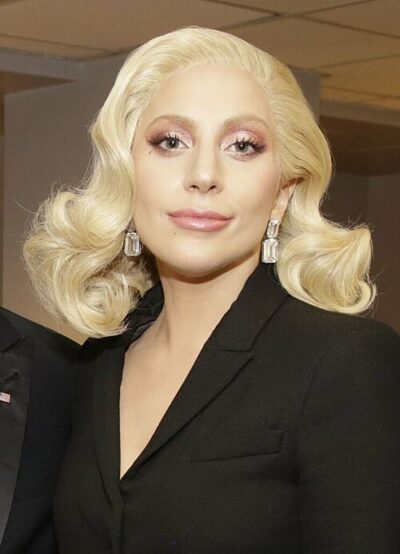 Lady GagaAmerican singer-songwriter and actress (born 1986)
 MadonnaAmerican singer, songwriter, and actress (born 1958)
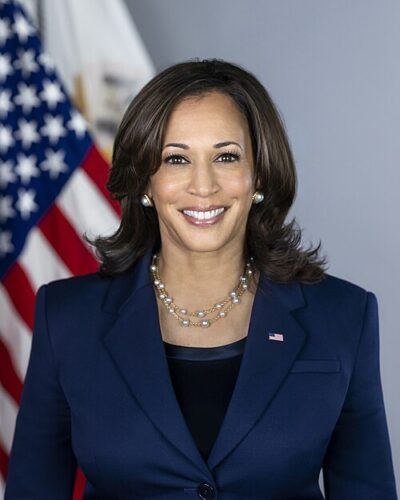 Kamala HarrisVice President of the United States from 2021 to 2025
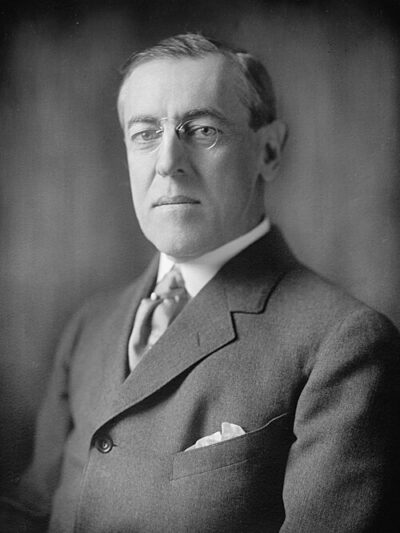 Woodrow Wilson28th President of the United States (1913–1921)
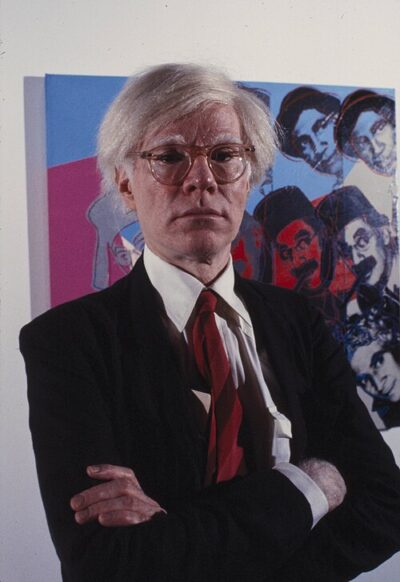 Andy WarholAmerican artist, film director, and producer (1928–1987)
 BeyoncéAmerican singer-songwriter (born 1981)
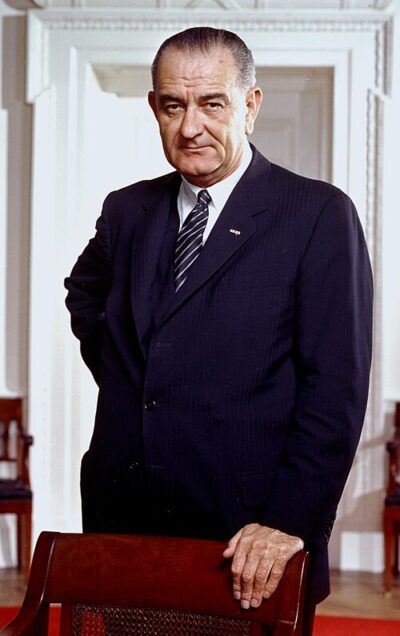 Lyndon B. Johnsonpresident of the United States from 1963 to 1969 (1908–1973)
 Steven SpielbergAmerican filmmaker (born 1946)
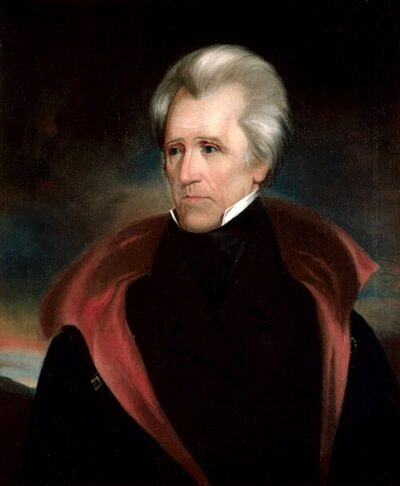 Andrew Jacksonpresident of the United States from 1829 to 1837
 Isaac AsimovAmerican writer and biochemist (1920–1992)
 Scarlett JohanssonAmerican actress (born 1984)
 Judy GarlandAmerican actress, singer, dancer and vaudevillian (1922–1969)
and 576 more
