
Democratic-Republican Party
The Democratic-Republican Party is an American political party (1792–1834). It was founded in 1791. Its headquarters are in Washington, D.C. It stands for republicanism in the United States, agrarianism and anti-federalism.
- Country
- United States
- Founded
- 1791
- Ideology
- republicanism in the United States
- Chair
- Thomas Jefferson
All 13 facts, and where they come from
Facts
13 facts · 0 confirmed by two sources · 0 cited · 13 from one source
Where this comes from
Papalocal keeps its own record. It started from these sources; what each one said is kept here as it was copied, so a change on their side never changes this page by itself. Tap one to read its version.
What Wikidata says · copied November 16, 2026 · revision 2557605942
- Described as
- American political party (1792–1834)
- Other names
- Republican Party, Democratic Party, Jeffersonian Republican Party, Jeffersonian Republicans
- What it is
- political party
- Comes after
- Anti-Administration Party
- Followed by
- Democratic Party
- Founded
- 1791
- Ended
- 1825
- Headquarters
- Washington, D.C.
- Country
- United States
- Chair
- Thomas Jefferson; James Madison
- Ideology
- republicanism in the United States; agrarianism; anti-federalism; republicanism
- Wikipedias with a page
- 46
Wikidata item Q42186 (wikidata.org/wiki/Q42186), public domain (CC0). Copied 2026-11-16.
What Wikipedia says · copied November 16, 2026 · revision 1385233551
The Democratic-Republican Party, known at the time as the Republican Party (also referred to by historians as the Jeffersonian Republican Party), was an American political party founded by Thomas Jefferson and James Madison in the early 1790s. It championed liberalism, republicanism, individual liberty, equal rights (for White men, as common at the time), separation of church and state, freedom of religion, anti-clericalism, emancipation of religious minorities, decentralization, free markets, free trade, and agrarianism. In foreign policy, it was hostile to Great Britain and sympathetic to the French Revolution and Napoleonic Wars. The party became increasingly dominant after the 1800 elections as the opposing Federalist Party collapsed.
Increasing dominance over American politics also led to increasing factional splits within the party. Old Republicans, led by John Taylor of Caroline and John Randolph of Roanoke, believed that the administrations of Jefferson, Madison, and Monroe—and the Congresses led by Henry Clay—had in some ways betrayed the republican "Principles of '98" by expanding the size and scope of the national government. The Republicans splintered during the 1824 presidential election. Those calling for a return to the older founding principles of the party were often referred to as "Democratic Republicans" (later Democrats) while those embracing the newer nationalist principles of "The American System" were often referred to as National Republicans (later Whigs).
The Republican Party originated in Congress to oppose the nationalist and economically interventionist policies of Alexander Hamilton, who served as Secretary of the Treasury under President George Washington. The Republicans and the opposing Federalist Party each became more cohesive during Washington's second term, partly as a result of the debate over the Jay Treaty. Though he was defeated by Federalist John Adams in the 1796 presidential election, Jefferson and his Republican allies came into power following the 1800 elections. As president, Jefferson presided over a reduction in the national debt and government spending, and completed the Louisiana Purchase with France.
Madison succeeded Jefferson as president in 1809 and led the country during the largely inconclusive War of 1812 with Britain. After the war, Madison and his congressional allies established the Second Bank of the United States and implemented protective tariffs, marking a move away from the party's earlier emphasis on states' rights and a strict construction of the United States Constitution. The Federalists collapsed after 1815, beginning a period known as the Era of Good Feelings. Lacking an effective opposition, the Democratic-Republicans split into rival groups after the 1824 presidential election: one faction supported President John Quincy Adams and became known as the National Republican Party, which later merged into the Whig Party, while another faction, one that believed in Jeffersonian democracy, backed General and future President Andrew Jackson and became the modern Democratic Party.
Republicans were deeply committed to the principles of republicanism, which they feared were threatened by the aristocratic tendencies of the Federalists. During the 1790s, the party strongly opposed Federalist programs, including the national bank. After the War of 1812, Madison and many other party leaders came to accept the need for a national bank and federally funded infrastructure projects. In foreign affairs, the party advocated western expansion and tended to favor France over Britain, though the party's pro-French stance faded after Napoleon took power. The Democratic-Republicans were strongest in the South and the western frontier, and weakest in New England.
From the Wikipedia article “Democratic-Republican Party” (en.wikipedia.org/wiki/Democratic-Republican_Party), by its contributors, under CC BY-SA 4.0 (creativecommons.org/licenses/by-sa/4.0/). Copied 2026-11-16; not changed.
Confirmed Two sources agree. Cited One source, and it names where it got it. One source One source, without a reference of its own. Sources disagree The sources disagree. We show the best-supported value and keep theirs below.
People connected 37
Party members 37
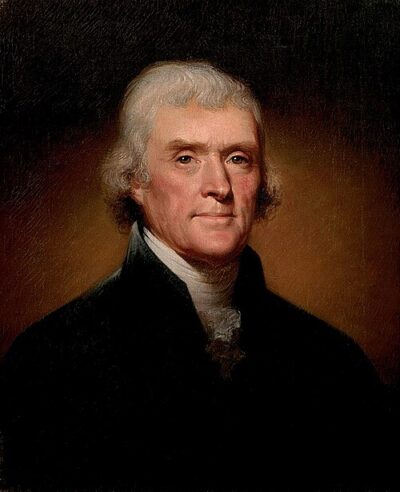 Thomas JeffersonFounding Father, U.S. president from 1801 to 1809 (1743–1826)
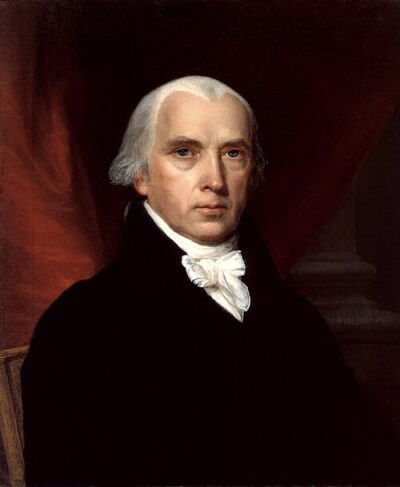 James MadisonPresident of the United States from 1809 to 1817 (1751–1836)
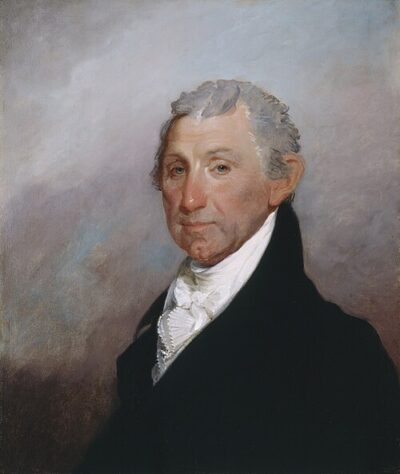 James Monroepresident of the United States from 1817 to 1825 (1758–1831)
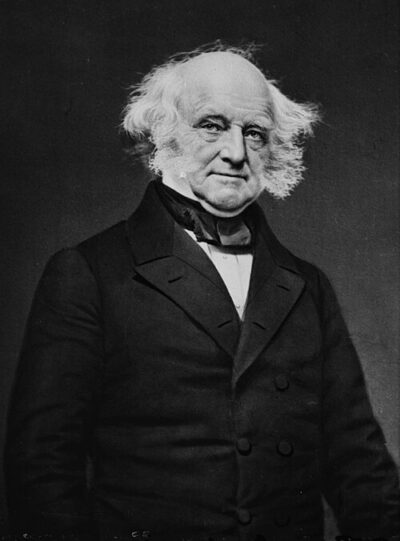 Martin Van Burenpresident of the United States from 1837 to 1841
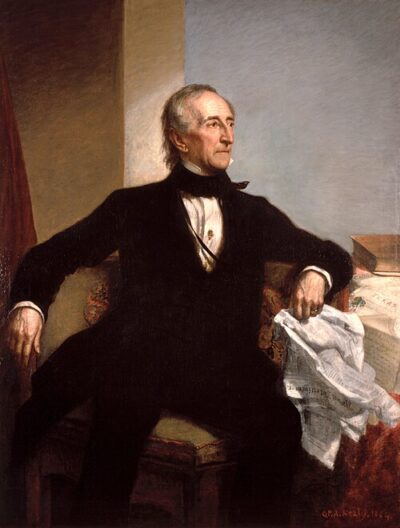 John Tyler (1811–1828)president of the United States from 1841 to 1845
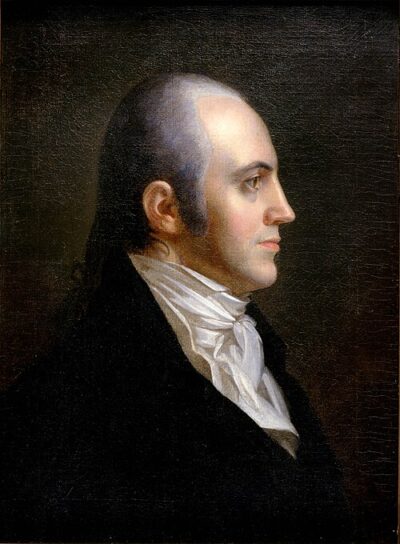 Aaron Burrvice president of the United States from 1801 to 1805, lived (1756–1836)
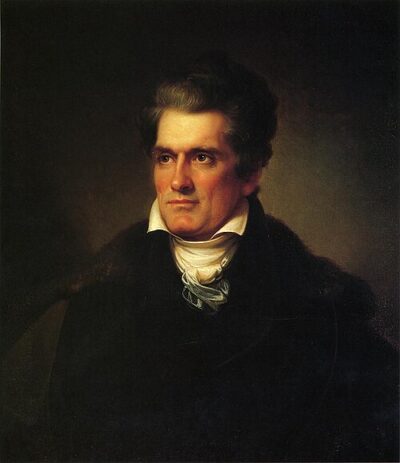 John C. Calhounvice president of the United States from 1825 to 1832 (1782–1850)
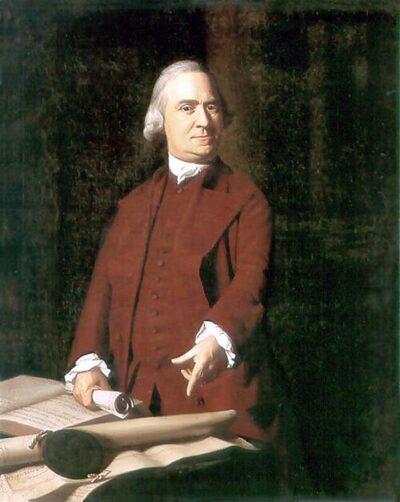 Samuel AdamsAmerican statesman, political philosopher, governor of Massachusetts and Founding Father of the United States (1722-1803)
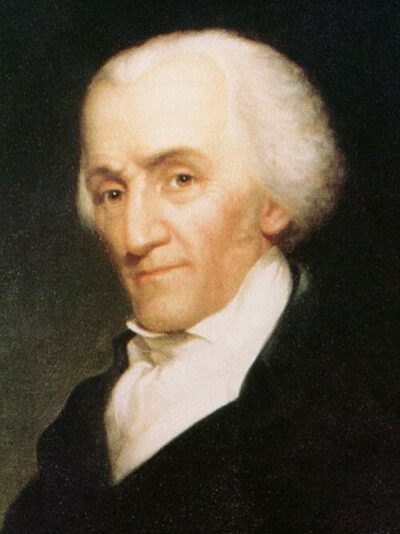 Elbridge Gerryvice president of the United States from 1813 to 1814
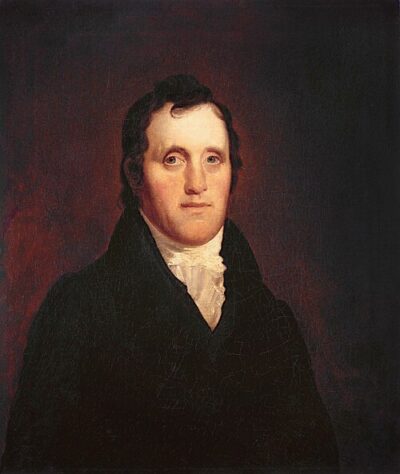 Daniel D. TompkinsAmerican politician; sixth vice president of the United States (1774–1825)
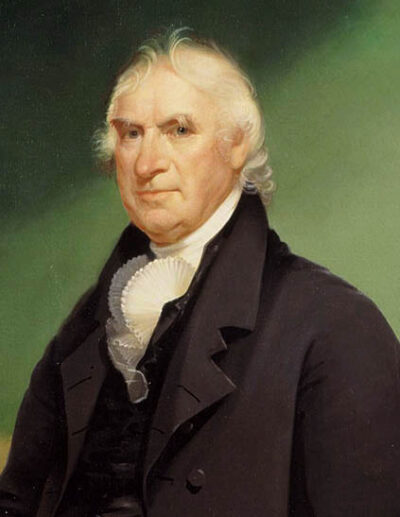 George Clintonvice president of the United States of America from 1805 to 1812 (1739–1812)
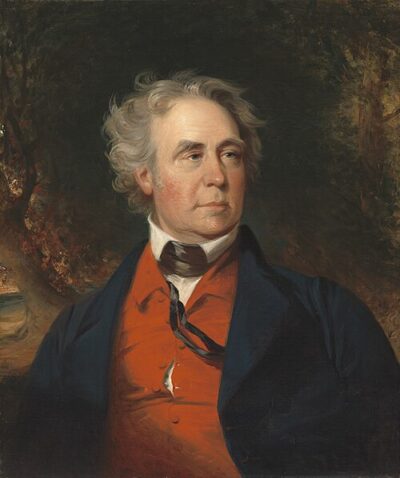 Richard Mentor Johnsonvice president of the United States from 1837 to 1841
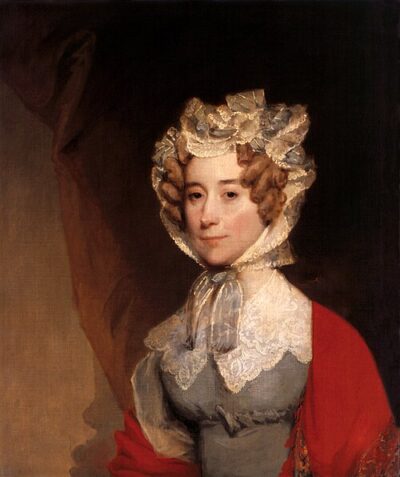 Louisa AdamsFirst Lady of the United States from 1825 to 1829
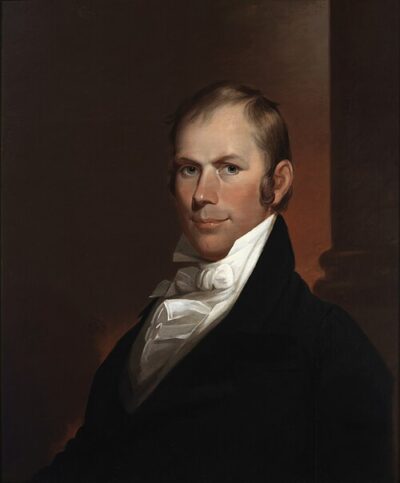 Henry ClayAmerican politician from Kentucky (1777-1852)
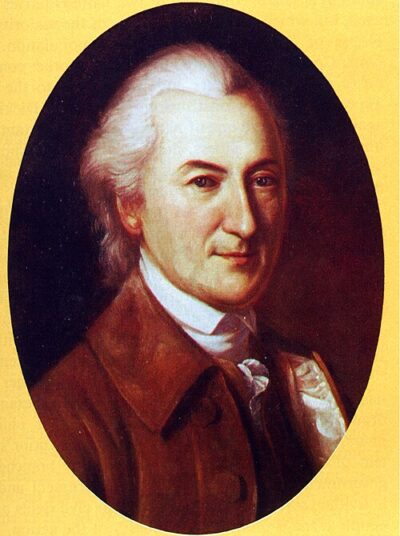 John DickinsonAmerican politician (1732-1808)
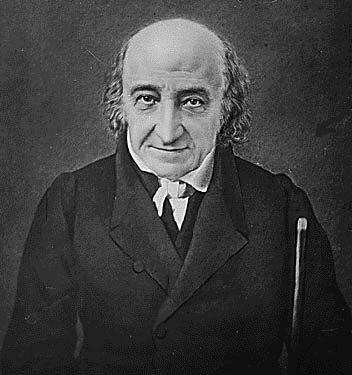 Albert GallatinSwiss and American politician, diplomat and scholar (1761-1849)
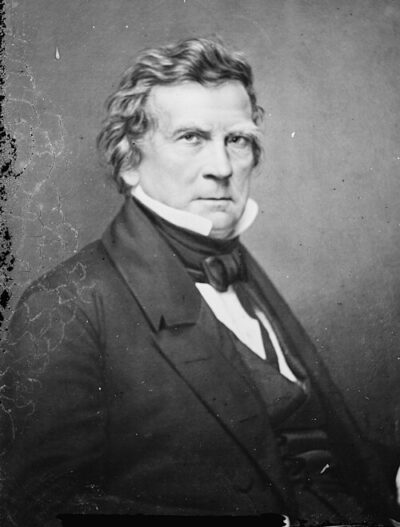 William L. MarcyAmerican politician (1786-1857)
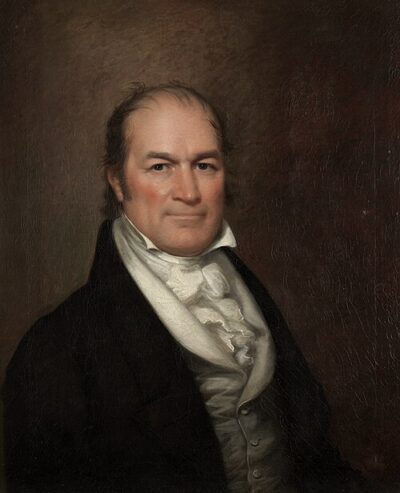 William H. CrawfordAmerican politician and judge (1772-1834)
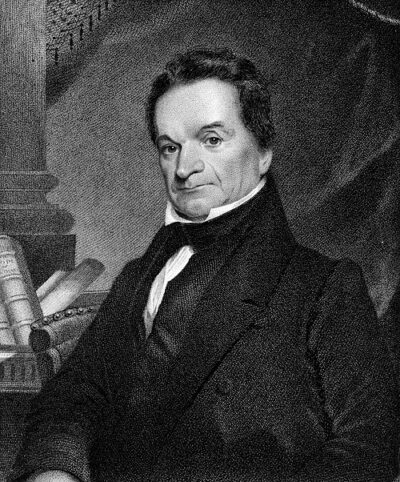 Edward LivingstonAmerican jurist and statesman (1764-1836)
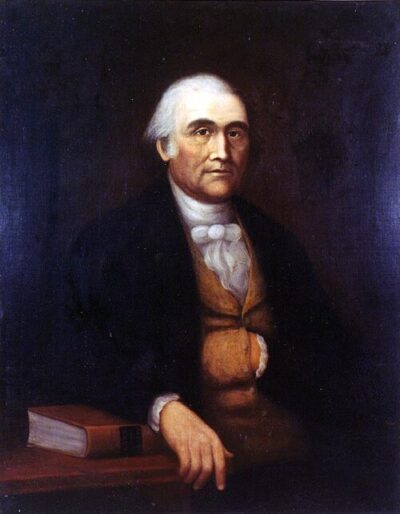 Robert SmithUnited States Secretary of the Navy (1757–1842)
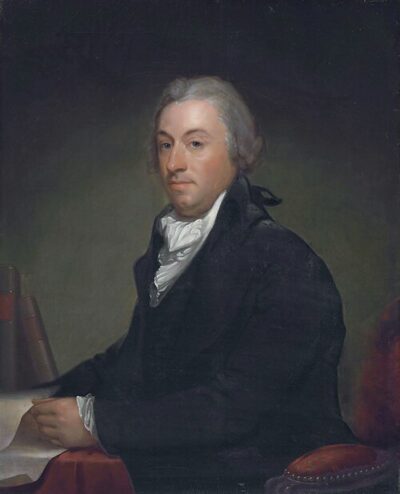 Robert R. Livingston(1746-1813) American lawyer, politician, diplomat and founding father
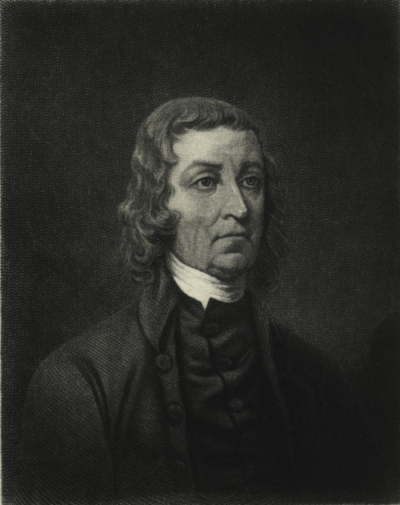 Josiah BartlettAmerican physician and judge, signatory of the Declaration of Independence (1729–1795)
 William Wyatt Bibbfirst Governor of the U.S. state of Alabama (1781-1820)
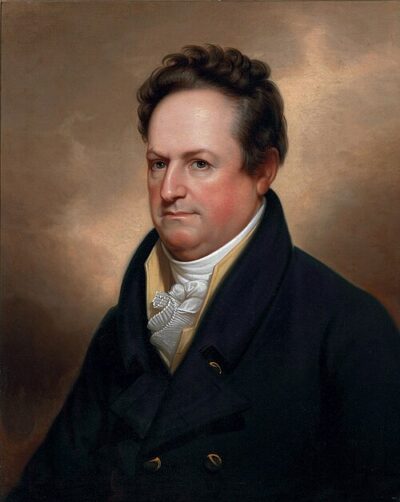 DeWitt ClintonAmerican politician (1769–1828)
and 13 more
