

Erasmus Prize
Erasmus Prize is an annual award for an exceptional contribution to the humanities or the arts awarded by the Praemium Erasmianum Foundation. It was created in 1958 by Prince Bernhard of Lippe-Biesterfeld.
- Given by
- Praemium Erasmianum Foundation
- Country
- Netherlands
- Created
- 1958
All 7 facts, and where they come from
Facts
7 facts · 0 confirmed by two sources · 1 cited · 6 from one source
Where this comes from
Papalocal keeps its own record. It started from these sources; what each one said is kept here as it was copied, so a change on their side never changes this page by itself. Tap one to read its version.
What Wikidata says · copied November 16, 2026 · revision 2497949970
- Described as
- annual award for an exceptional contribution to the humanities or the arts awarded by the Praemium Erasmianum Foundation
- Other names
- Praemium Erasmianum
- What it is
- science award
- Created
- 1958
- Founded by
- Prince Bernhard of Lippe-Biesterfeld
- Country
- Netherlands · 1 reference
- Given by
- Praemium Erasmianum Foundation
- Named after
- Erasmus
- Official website
- http://www.erasmusprijs.org/
- Wikipedias with a page
- 46
Wikidata item Q974780 (wikidata.org/wiki/Q974780), public domain (CC0). Copied 2026-11-16.
What Wikipedia says · copied November 16, 2026 · revision 1380776208
The Erasmus Prize is an annual prize awarded by the board of the Praemium Erasmianum Foundation to individuals or institutions that have made exceptional contributions to culture, society, or social science in Europe and the rest of the world. It is one of Europe's most distinguished recognitions. The prize is named after Desiderius Erasmus, the Dutch Renaissance humanist.
From the Wikipedia article “Erasmus Prize” (en.wikipedia.org/wiki/Erasmus_Prize), by its contributors, under CC BY-SA 4.0 (creativecommons.org/licenses/by-sa/4.0/). Copied 2026-11-16; not changed.
Confirmed Two sources agree. Cited One source, and it names where it got it. One source One source, without a reference of its own. Sources disagree The sources disagree. We show the best-supported value and keep theirs below.
Picture: Wikimedia Commons: Logo Erasmusprijs (cropped).jpg · See Commons file page
People connected 37
Won it 37
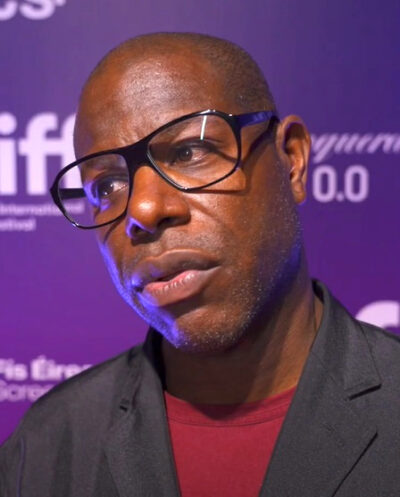 Steve McQueen (2026)British film director and video artist (born 1969)
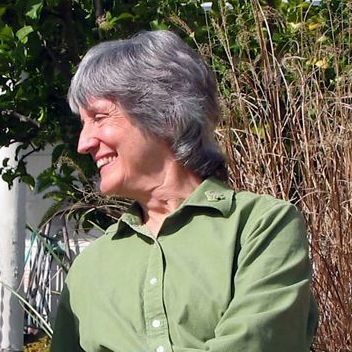 Donna Haraway (2025)American philosopher, scholar in the field of science and technology studies (born 1944)
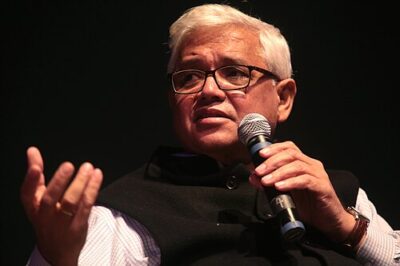 Amitav Ghosh (2024)Indian writer
 Trevor Noah (2023)South African comedian and television host
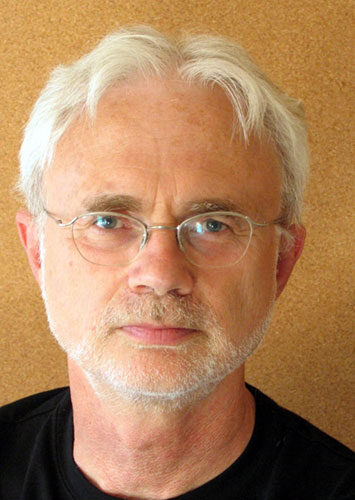 John Adams (2019)American composer (born 1947)
 Barbara Ehrenreich (2018)American writer and journalist (1941–2022)
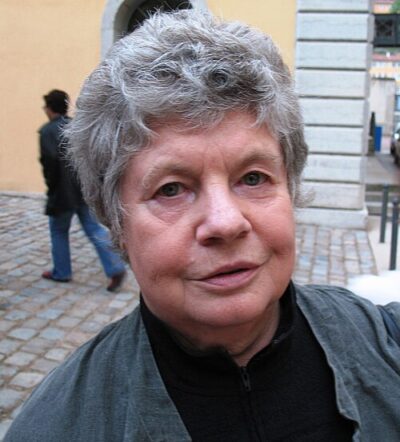 A. S. Byatt (2016)British writer (1936–2023)
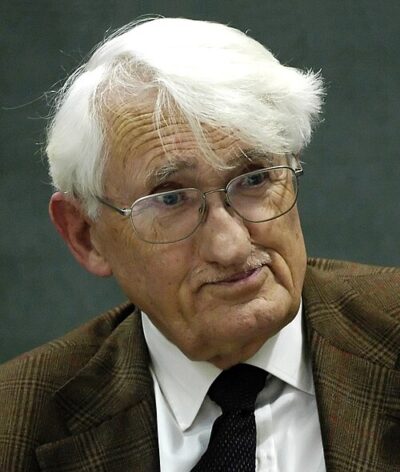 Jürgen Habermas (2013)German sociologist and philosopher (1929–2026)
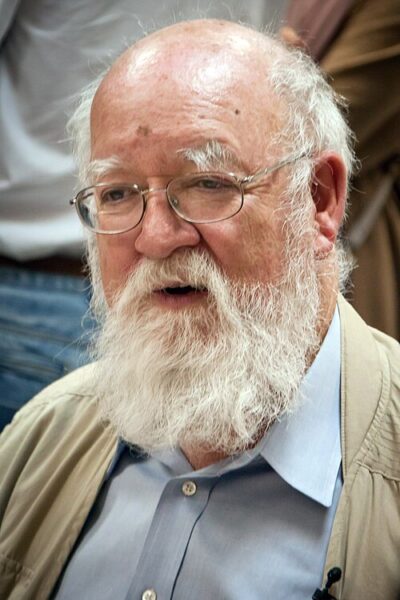 Daniel Dennett (2012)American philosopher (1942–2024)
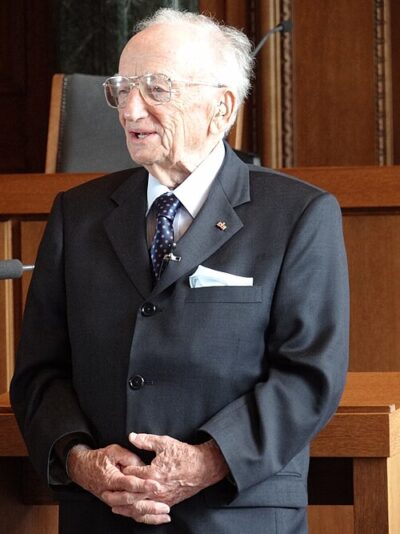 Ben Ferencz (2009)American lawyer and pacifist
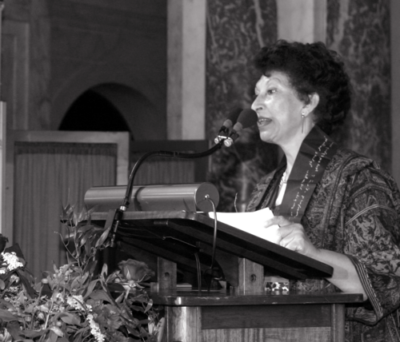 Fatema Mernissi (2004)1940-2015, Moroccan sociologist, writer and feminist
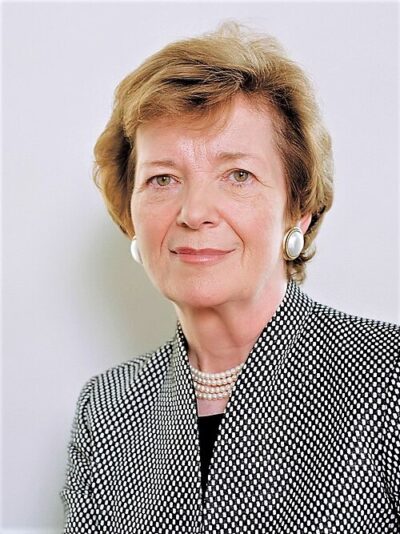 Mary Robinson (1999)former President of Ireland and former United Nations High Commissioner for Human Rights
 Peter Sellars (1998)American theatre director (born 1957)
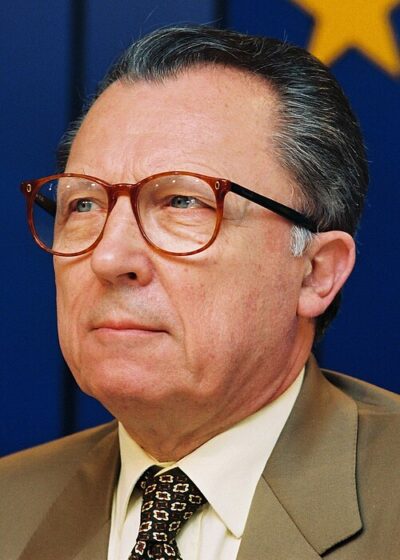 Jacques Delors (1997)French economist and politician (1925–2023)
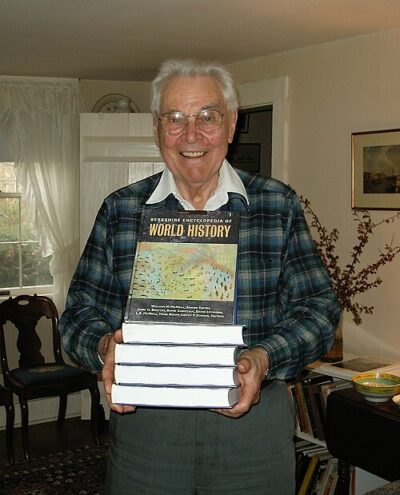 William Hardy McNeill (1996)Canadian historian and writer (1917–2016)
 Renzo Piano (1995)Italian architect (1937-)
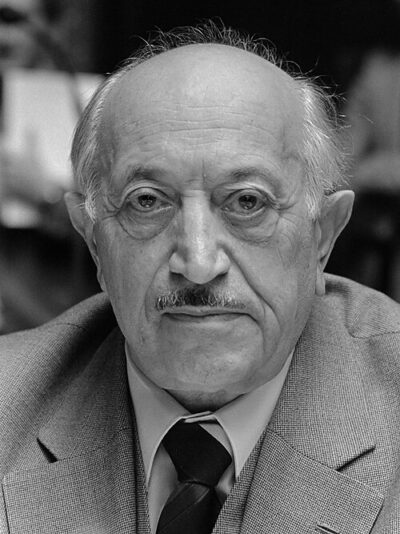 Simon Wiesenthal (1992)Jewish Austrian Holocaust survivor and Nazi hunter (1908–2005)
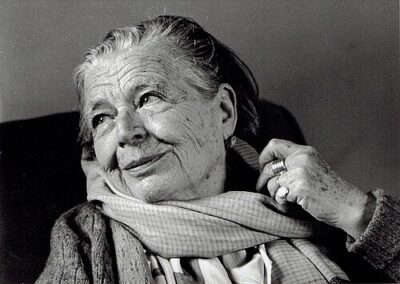 Marguerite Yourcenar (1983)French novelist and essayist (1903-1987)
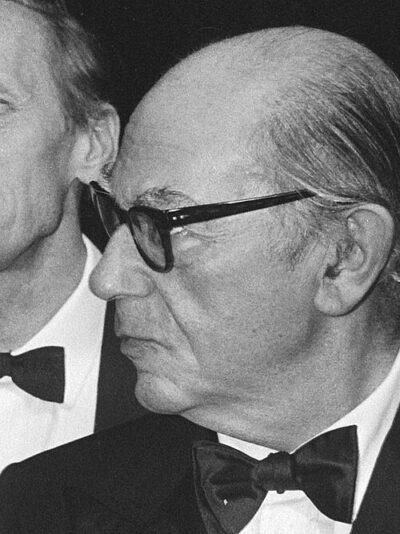 Isaiah Berlin (1983)Russo-British-Latvian Jewish social and political theorist, philosopher and historian of ideas (1909–1997)
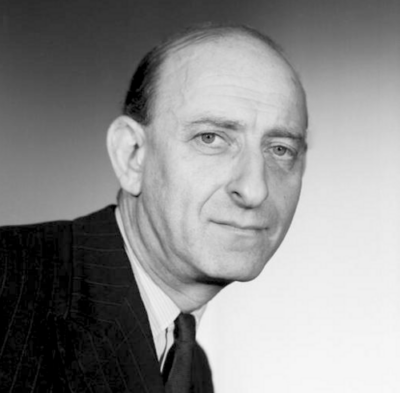 Raymond Aron (1983)French philosopher, sociologist, journalist, and political scientist (1905–1983)
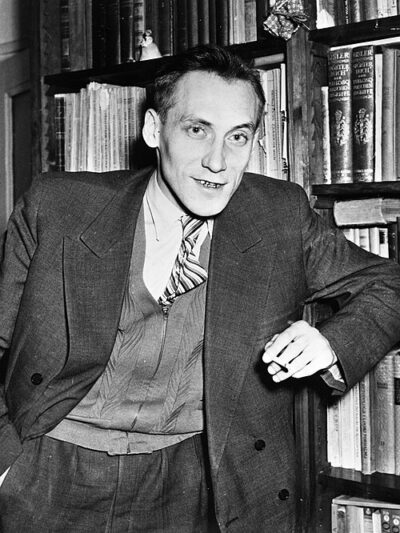 Leszek Kołakowski (1983)Philosopher, historian of ideas (1927–2009)
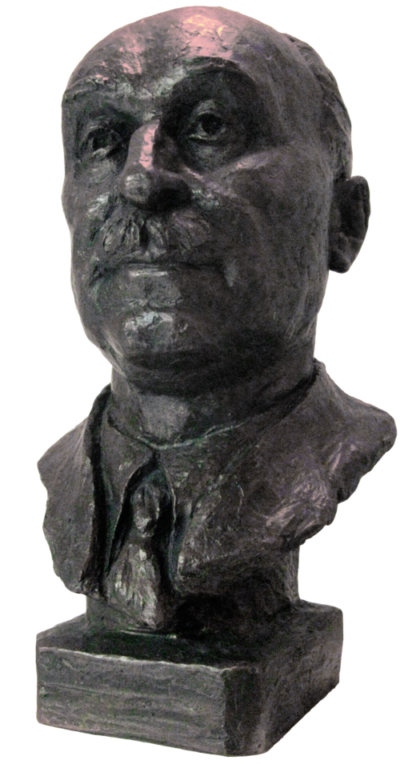 Jean Monnet (1977)French political economist regarded by as a chief architect of European unity (1888-1979)
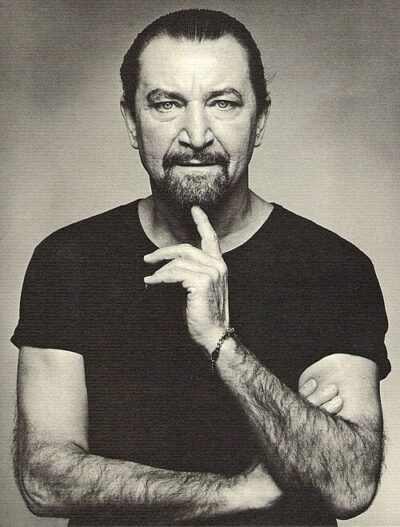 Maurice Béjart (1974)French-born Swiss ballet dancer and choreographer (1927–2007)
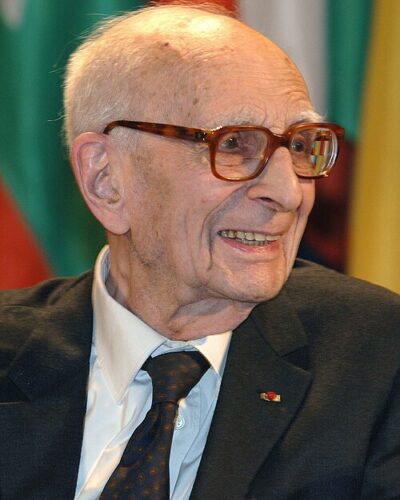 Claude Lévi-Strauss (1973)French anthropologist and ethnologist (1908–2009)
and 13 more
