
Geheimrat
Geheimrat is an officials at the courts of the Holy Roman Empire.
All 3 facts, and where they come from
Facts
3 facts · 0 confirmed by two sources · 0 cited · 3 from one source
Where this comes from
Papalocal keeps its own record. It started from these sources; what each one said is kept here as it was copied, so a change on their side never changes this page by itself. Tap one to read its version.
What Wikidata says · copied November 16, 2026 · revision 2526811771
- Described as
- officials at the courts of the Holy Roman Empire
- What it is
- position; title of honor; non-academic title
- Wikipedias with a page
- 21
Wikidata item Q11165895 (wikidata.org/wiki/Q11165895), public domain (CC0). Copied 2026-11-16.
What Wikipedia says · copied November 16, 2026 · revision 1378265280
Geheimrat was the title of the highest advising officials at the imperial, royal, or princely courts of the Holy Roman Empire, who jointly formed the Geheimer Rat reporting to the ruler. The term remained in use during subsequent monarchic reigns in German-speaking areas of Europe until the end of the First World War. At its origin the literal meaning of the word in German was 'trusted advisor'; the word geheim (secret) implies that such an advisor could be trusted with the Monarch's secrets (similar to "secretary" in English being linguistically related to "secret"). The English-language equivalent is Privy Councillor.
The office contributing to the state's politics and legislation had its roots in the age of absolutism from the 17th century onward, when a governmental administration by a dependent bureaucracy was established similar to the French Conseil du Roi. A precursor was the Aulic Council (Reichshofrat, lit. 'imperial court council'), a judicial body established by Emperor Maximilian I of Habsburg. In Austria, the professional title of Hofrat (also Hofrath, Court Councillor) has remained in use as an official title for deserved civil servants up to today.With the Empire's dissolution and the rise of Constitutionalism in the aftermath of the French Revolution, the office of a Geheimrat became an honorific title conferred by the German states upon high officials, accompanied by the address Exzellenz. During that period related titles no longer affiliated with an office arose, like Geheimer Kommerzienrat, an award for outstanding contributions in the field of commerce and industry, or Geheimer Medizinalrat, an award for outstanding contributions to medicine. The term is also used in combination with the word Ecke 'corners' – Geheimratsecke, colloquially describing male pattern baldness at the 'edges' of the forehead (i.e. the upper 'corners' of the face).
In Austria–Hungary, by 1914, ordinarily, an applicant would need sixteen nobly born antecedents i.e., all great-great grandparents. Though some exceptions were made.
From the Wikipedia article “Geheimrat” (en.wikipedia.org/wiki/Geheimrat), by its contributors, under CC BY-SA 4.0 (creativecommons.org/licenses/by-sa/4.0/). Copied 2026-11-16; not changed.
Confirmed Two sources agree. Cited One source, and it names where it got it. One source One source, without a reference of its own. Sources disagree The sources disagree. We show the best-supported value and keep theirs below.
People connected 10
Held this office
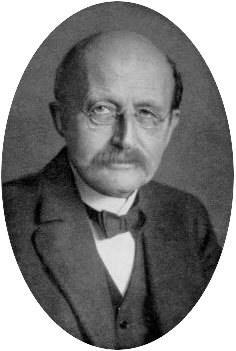 Max Planck (1908–)German theoretical physicist (1858–1947)
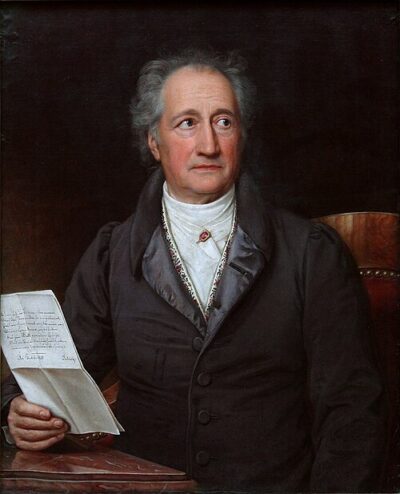 Johann Wolfgang von GoetheGerman writer, artist, natural scientist and politician (1749–1832)
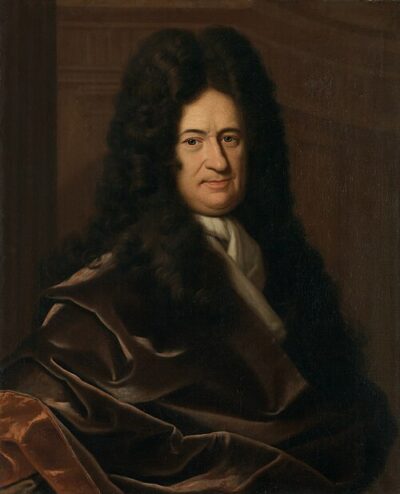 Gottfried Wilhelm LeibnizGerman mathematician and philosopher (1646–1716)
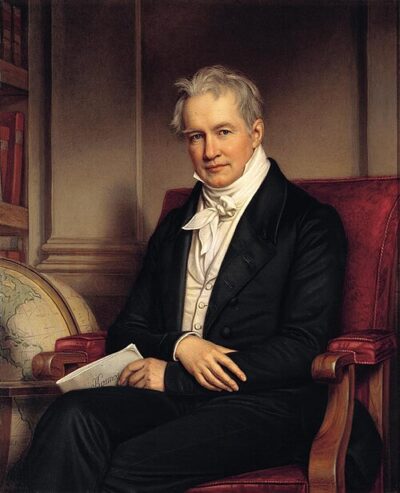 Alexander von HumboldtPrussian geographer, naturalist and explorer (1769–1859)
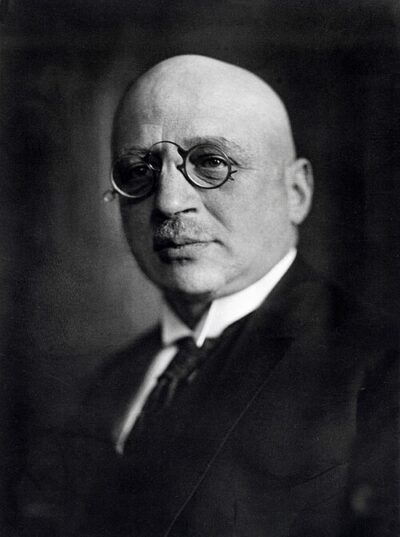 Fritz HaberGerman chemist and receiver of the Nobel prize (1868–1934)
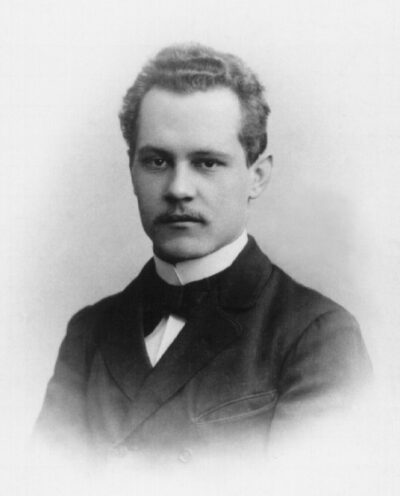 Arnold SommerfeldGerman physicist (1868-1951)
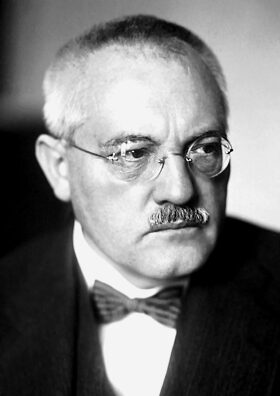 Carl BoschGerman chemical engineer (1874–1940)
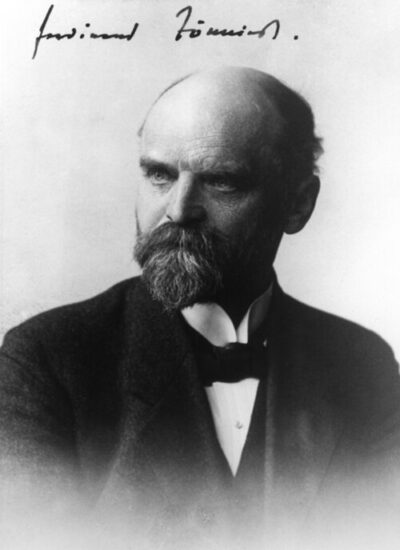 Ferdinand TönniesGerman sociologist, economist and philosopher (1855–1936)
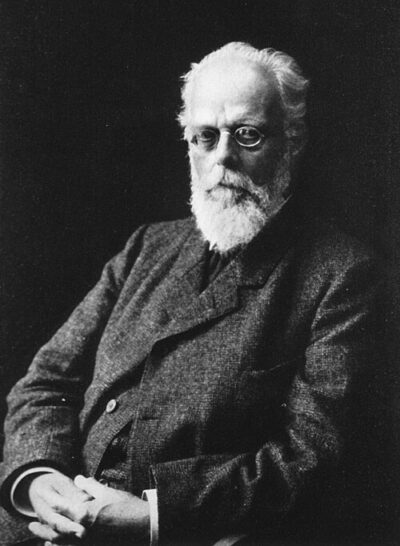 August WeismannGerman evolutionary biologist (1834-1914)
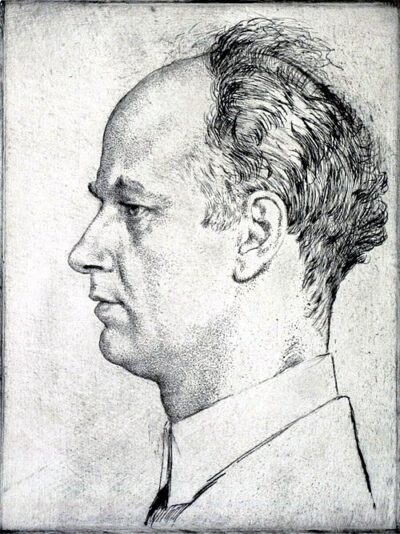 Wilhelm FurtwänglerGerman conductor and composer (1886–1954)
