

Goethe Medal
Goethe Medal is a German award conferred by the Goethe-Institut (1955-).
- Given by
- Goethe-Institut
- Country
- Germany
- Created
- 1955
All 8 facts, and where they come from
Facts
8 facts · 0 confirmed by two sources · 1 cited · 7 from one source
Where this comes from
Papalocal keeps its own record. It started from these sources; what each one said is kept here as it was copied, so a change on their side never changes this page by itself. Tap one to read its version.
What Wikidata says · copied November 16, 2026 · revision 2569342854
- Described as
- German award conferred by the Goethe-Institut (1955-)
- Other names
- Goethe-Medaille
- What it is
- cultural prize; medal; award
- Created
- 1955 · 1 reference
- Country
- Germany
- Given by
- Goethe-Institut · 1 reference
- Named after
- Johann Wolfgang von Goethe
- Official website
- https://www.goethe.de/de/uun/ver/gme.html
- Wikipedias with a page
- 19
Wikidata item Q675309 (wikidata.org/wiki/Q675309), public domain (CC0). Copied 2026-11-16.
What Wikipedia says · copied November 16, 2026 · revision 1382134291
The Goethe Medal, also known as the Goethe-Medaille, is a yearly prize given by the Goethe-Institut honoring non-Germans "who have performed outstanding service for the German language and for international cultural relations". It is an official decoration of the Federal Republic of Germany. The prize used to be given on 22 March, the anniversary of Goethe's death. Since 2009, it has been given on 28 August, the anniversary of Goethe's birth. The first awards were made in 1955. In the intervening years, through 2018, a total of 348 women and men from 65 countries have been so honored. It is not to be confused with Goethe-Medaille für Kunst und Wissenschaft (1932–1944), Goethe Prize and Goetheplakette der Stadt Frankfurt am Main.
From the Wikipedia article “Goethe Medal” (en.wikipedia.org/wiki/Goethe_Medal), by its contributors, under CC BY-SA 4.0 (creativecommons.org/licenses/by-sa/4.0/). Copied 2026-11-16; not changed.
Confirmed Two sources agree. Cited One source, and it names where it got it. One source One source, without a reference of its own. Sources disagree The sources disagree. We show the best-supported value and keep theirs below.
Picture: Wikimedia Commons: Bundesarchiv B 145 Bild-F051367-0012, Orden Bundespräsident Walter Scheel.jpg · See Commons file page
People connected 19
Won it
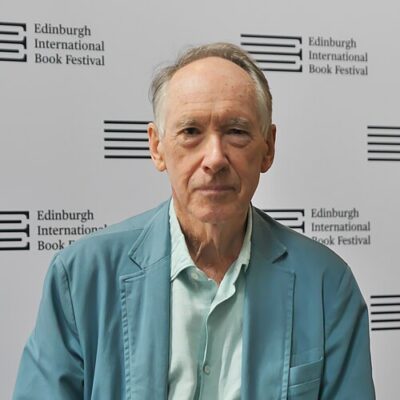 Ian McEwan (2020)British author (born 1948)
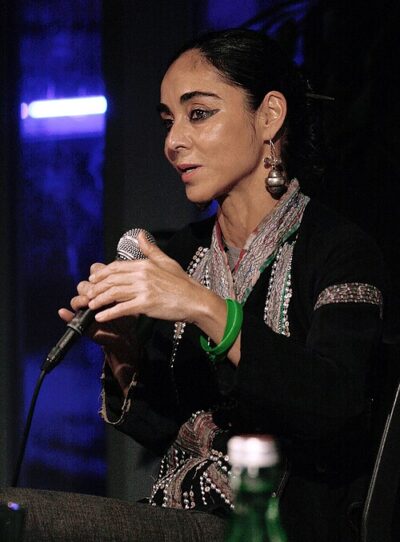 Shirin Neshat (2019)Iranian artist, film director, and photographer (born 1957)
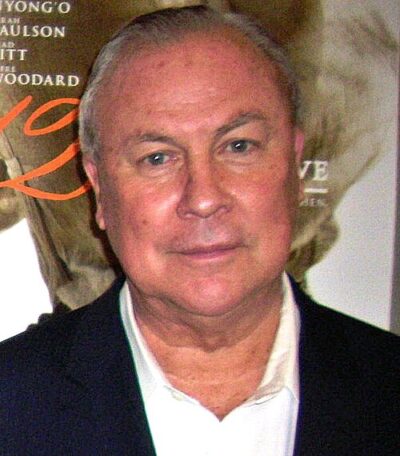 Robert Wilson (2014)American stage director and playwright (1941–2025)
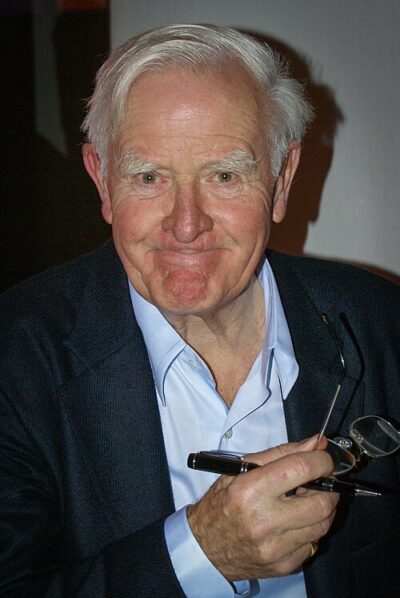 John le Carré (2011)British novelist and spy (1931–2020)
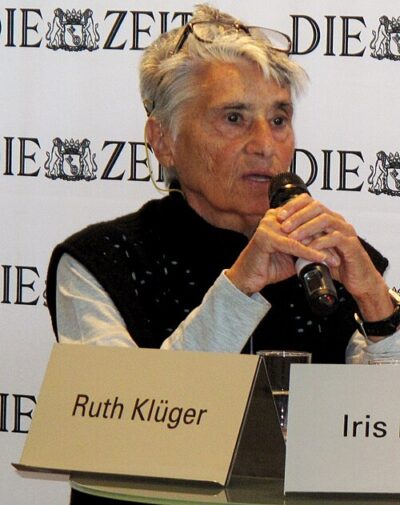 Ruth Klüger (2005)Austrian-born American writer, literature scholar and Holocaust survivor (1931-2020)
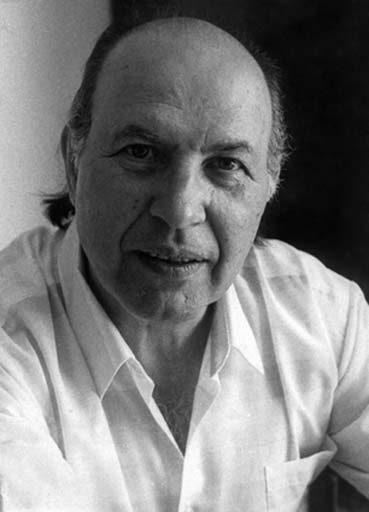 Imre Kertész (2004)Hungarian author (1929–2016)
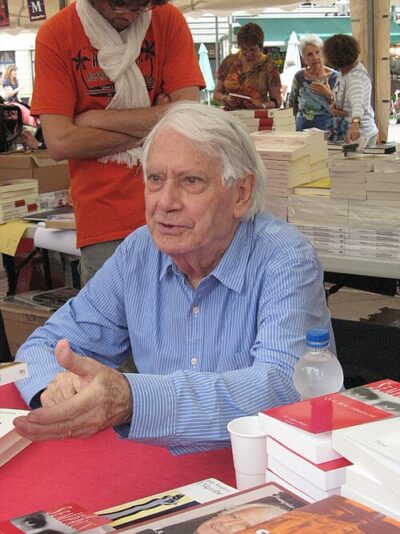 Jorge Semprún (2003)Spanish-French writer (1923-2011)
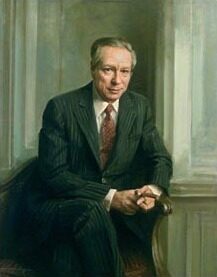 W. Michael Blumenthal (2002)former U.S. Secretary of the Treasury
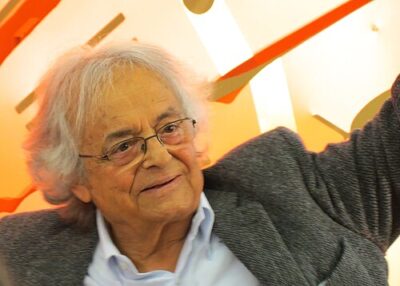 Adunis (2001)Syrian poet, writer and translator (born 1930)
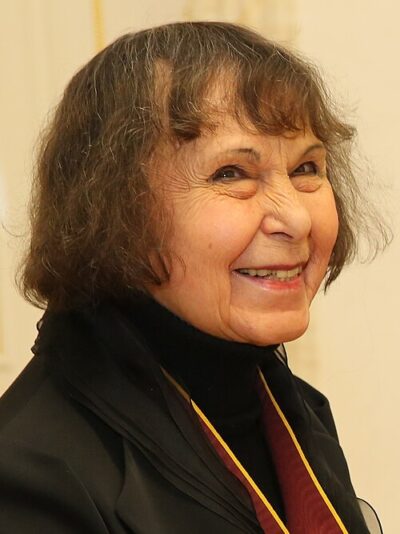 Sofia Gubaidulina (2001)Soviet and Russian composer (1931–2025)
 Daniel Libeskind (2000)Polish-American architect (1946)
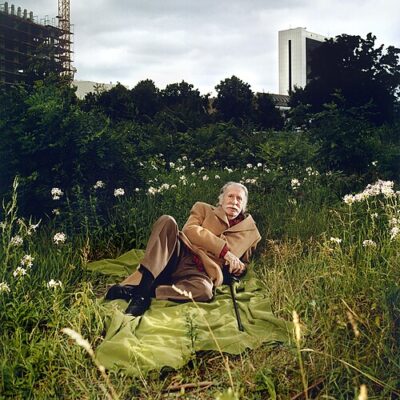 George Tabori (2000)Hungarian writer and theatre director (1914–2007)
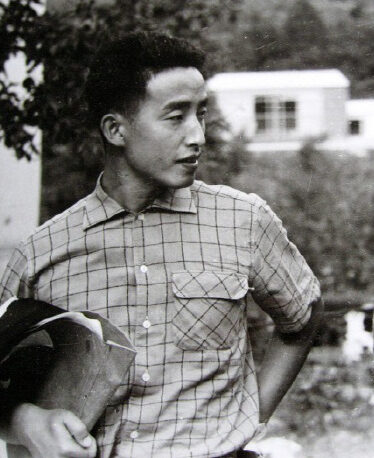 Nam June Paik (1997)American video art pioneer (1932–2006)
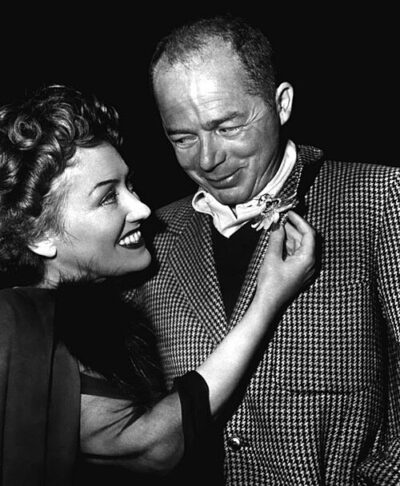 Billy Wilder (1994)Austrian and American filmmaker (1906–2002)
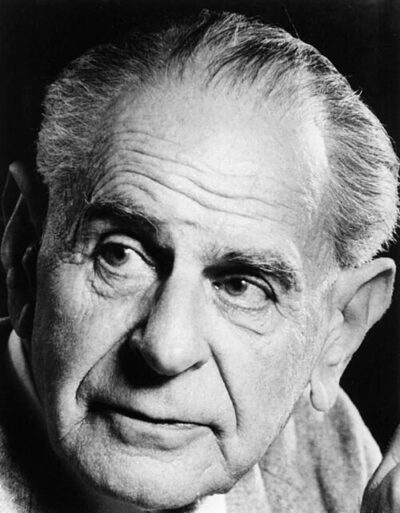 Karl Popper (1992)Austrian-British philosopher of science and social and política e falsificationism and for criticism of Plato, Hegel and Marx as totalitarian opponents of open society (1902-1994)
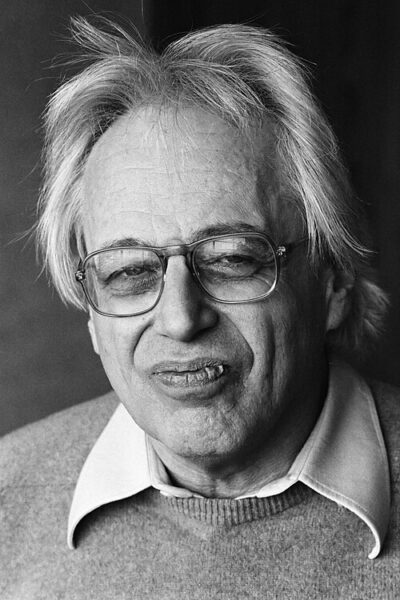 György Ligeti (1990)Hungarian composer (1923-2006)
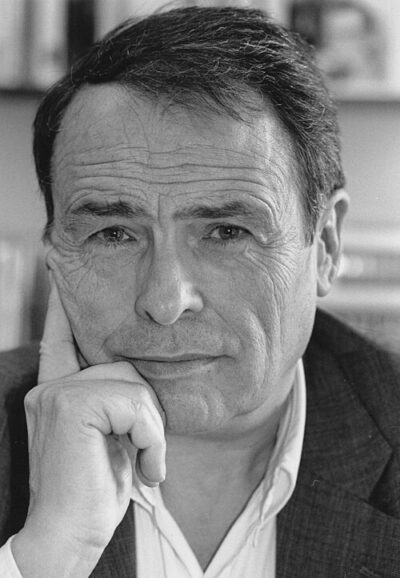 Pierre Bourdieu (1988)French sociologist, anthropologist, and philosopher (1930–2002)
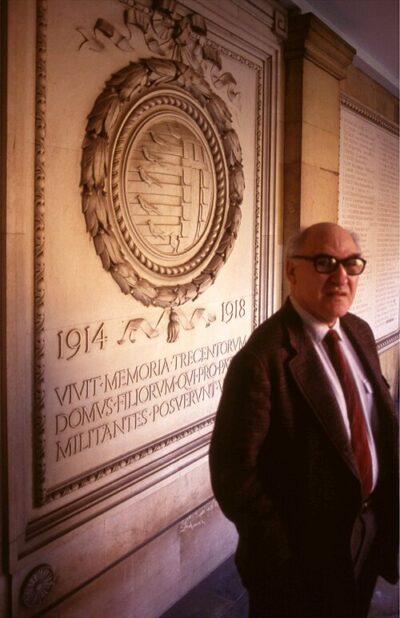 George Mosse (1988)American historian
- BBruno Bettelheim (1983)Austrian-American child psychologist and writer (1903–1990)
