Gonville and Caius College
Gonville and Caius College is a college of the University of Cambridge. It was founded in 1348 by Edmund Gonville and John Caius.
- Located in
- Cambridge
- Country
- United Kingdom
- Founded
- 1348
- What it is
- college of the University of Cambridge
All 9 facts, and where they come from
Facts
9 facts · 0 confirmed by two sources · 0 cited · 9 from one source
Where this comes from
Papalocal keeps its own record. It started from these sources; what each one said is kept here as it was copied, so a change on their side never changes this page by itself. Tap one to read its version.
What Wikidata says · copied November 16, 2026 · revision 2539099028
- Described as
- college of the University of Cambridge
- Other names
- Caius College, Gonville Hall, Caius
- What it is
- college of the University of Cambridge; university building
- Founded
- 1348
- Founded by
- Edmund Gonville; John Caius
- Located in
- Cambridge
- Country
- United Kingdom
- Part of
- University of Cambridge · 1 reference
- Official website
- https://www.cai.cam.ac.uk/
- Wikipedias with a page
- 23
Wikidata item Q863940 (wikidata.org/wiki/Q863940), public domain (CC0). Copied 2026-11-16.
What Wikipedia says · copied November 16, 2026 · revision 1383207369
Gonville and Caius College, commonly known as Caius ( KEEZ), is a constituent college of the University of Cambridge in Cambridge, England. Founded in 1348 by Edmund Gonville, it is the fourth-oldest of the University of Cambridge's 31 colleges and one of the wealthiest. In 1557, it was refounded by John Caius, an alumnus and English physician.
The college has been attended by many students who have gone on to significant accomplishment, including fifteen Nobel Prize winners, the second-largest number of any Oxbridge college.
Several streets in the city, including Harvey Road, Glisson Road, and Gresham Road, are named after Gonville and Caius alumni. The college and its masters have been influential in the development of the university, including in the founding of other colleges, including Trinity Hall and Darwin College and providing land on Sidgwick Site on which the Faculty of Law was built.
From the Wikipedia article “Gonville and Caius College, Cambridge” (en.wikipedia.org/wiki/Gonville_and_Caius_College,_Cambridge), by its contributors, under CC BY-SA 4.0 (creativecommons.org/licenses/by-sa/4.0/). Copied 2026-11-16; not changed.
Confirmed Two sources agree. Cited One source, and it names where it got it. One source One source, without a reference of its own. Sources disagree The sources disagree. We show the best-supported value and keep theirs below.
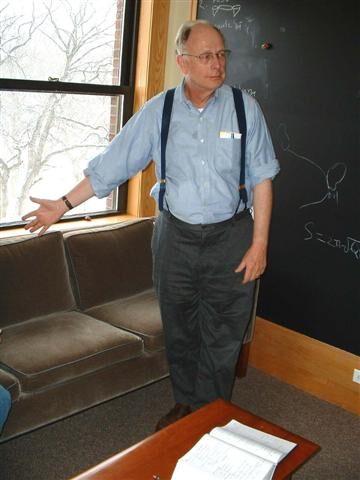
Picture: Wikimedia Commons: Cambridge Gonville and Caius College.jpg · See Commons file page
People connected 17
Studied here
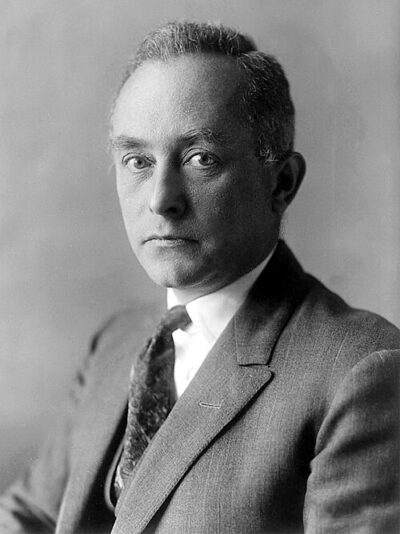 Max BornGerman-Jewish physicist and mathematician (1882–1970)
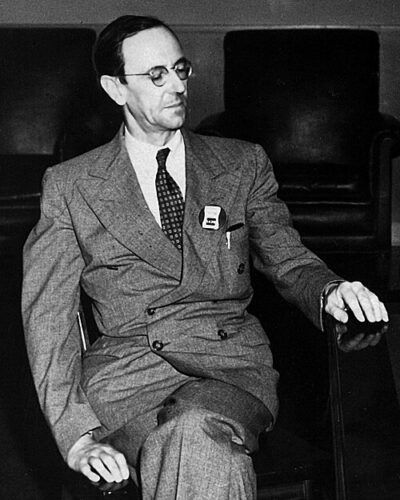 James ChadwickEnglish physicist (1891-1974), who discovered the neutron in 1932
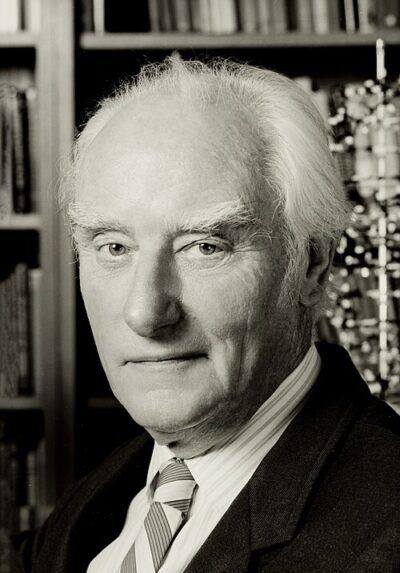 Francis CrickBritish molecular biologist, biophysicist, neuroscientist; co-discoverer of the structure of DNA (1916–2004)
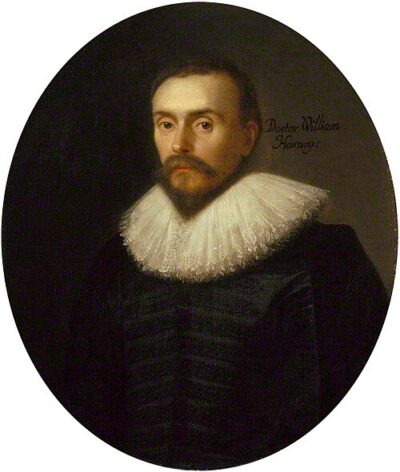 William Harvey (1593–1597)English physician (1578-1657)
 Antony HewishEnglish physicist and radio astronomer (1924–2021)
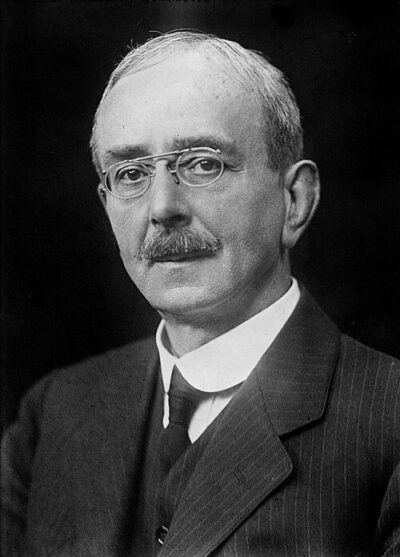 Charles Scott SherringtonEnglish footballer, neurophysiologist and Nobel Prize recipient (1857–1952)
 J. Michael KosterlitzBritish-American physicist
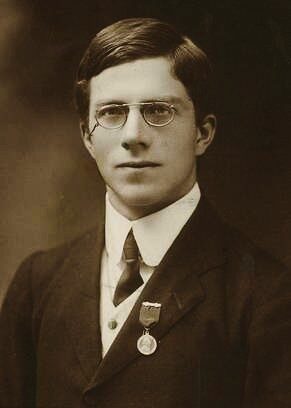 Ronald FisherBritish statistician, evolutionary biologist and geneticist (1890–1962)
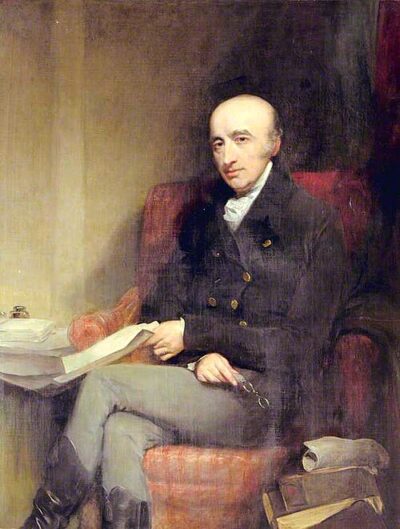 William Hyde WollastonEnglish chemist and physicist (1766–1828)
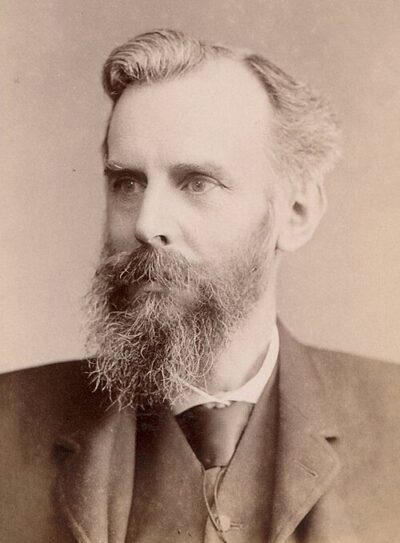 John Venn (1853–1857)British logician and philosopher (1834-1923)
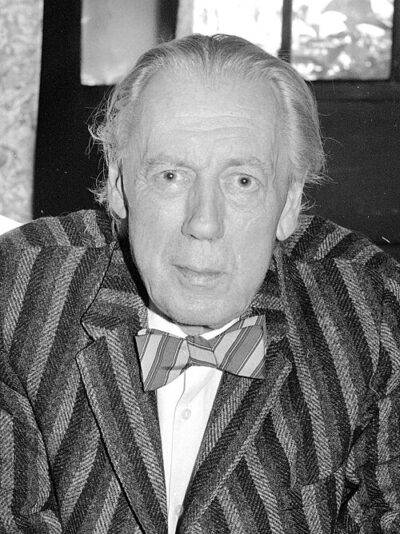 Richard StoneBritish economist, Nobel Memorial Prize winner (1913-1991)
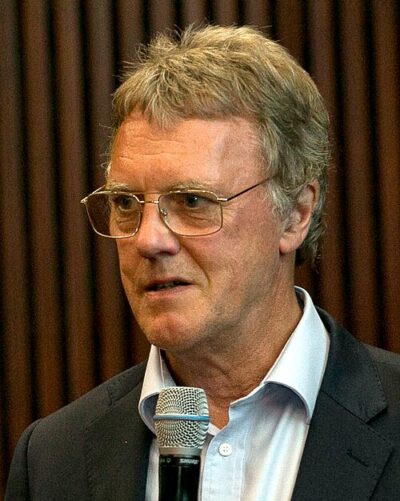 Peter J. Ratcliffe (1972–1978)British biologist & Nobel laureate in medicine
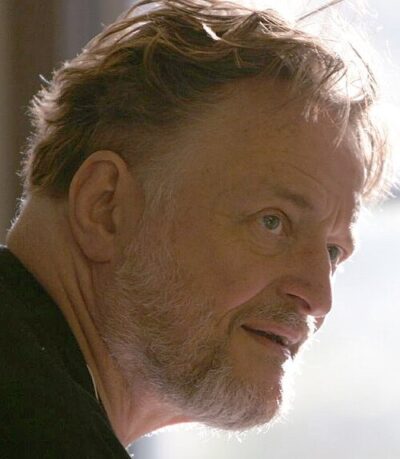 John Horton ConwayEnglish mathematician (1937–2020)
 Harish-Chandra (1945–1947)Indian American mathematician and physicist (1923–1983)