

Holy Roman Emperor
Holy Roman Emperor is an emperor of the Holy Roman Empire. It was created in 962.
- Office of
- Holy Roman Empire
- Country
- Holy Roman Empire
- Created
- 962
All 7 facts, and where they come from
Facts
7 facts · 0 confirmed by two sources · 0 cited · 7 from one source
Where this comes from
Papalocal keeps its own record. It started from these sources; what each one said is kept here as it was copied, so a change on their side never changes this page by itself. Tap one to read its version.
What Wikidata says · copied November 16, 2026 · revision 2555379050
- Described as
- emperor of the Holy Roman Empire
- Other names
- Imperator Romanus Sacer, Kaiser
- What it is
- historical position; noble title; head of state
- Created
- 962
- Ended
- August 6, 1806
- Country
- Holy Roman Empire
- Office of
- Holy Roman Empire
- Wikipedias with a page
- 62
Wikidata item Q181765 (wikidata.org/wiki/Q181765), public domain (CC0). Copied 2026-11-16.
What Wikipedia says · copied November 16, 2026 · revision 1372638823
The Holy Roman Emperor, originally and officially the Emperor of the Romans (Latin: Imperator Romanorum; German: Kaiser der Römer) during the Middle Ages, and also known as the Roman-German Emperor since the early modern period (Latin: Imperator Germanorum; German: Römisch-deutscher Kaiser), was the ruler and head of state of the Holy Roman Empire. The title was held in conjunction with the title of King of Italy (Rex Italiae) from the 8th to the 16th century, and, almost without interruption, with the title of King of Germany (Rex Teutonicorum, lit. 'King of the Teutons') throughout the 12th to 18th centuries.
The Holy Roman Emperor title provided the highest prestige among medieval Catholic monarchs, because the empire was considered by the Catholic Church to be the only successor of the Roman Empire during the Middle Ages and the early modern period. Thus, in theory and diplomacy, the emperors were considered primus inter pares—first among equals—among other Catholic monarchs across Europe.
From an autocracy in Carolingian times (AD 800–924), the title by the 13th century evolved into an elective monarchy, with the emperor chosen by the prince-electors. Various royal houses of Europe, at different times, became de facto hereditary holders of the title, notably the Ottonians (962–1024), the Salians (1027–1125) and the Hohenstaufen (1138–1254). Following the late medieval crisis of government, the Habsburgs kept possession of the title (with only one interruption) from 1452 to 1806. The final emperors were from the House of Habsburg-Lorraine, from 1765 to 1806. The Holy Roman Empire was dissolved by Francis II, after a devastating defeat by Napoleon at the Battle of Austerlitz.
The emperor was widely perceived to rule by divine right, though he often contradicted or rivaled the Pope, most notably during the Investiture controversy. The Holy Roman Empire never had an empress regnant, though women such as Theophanu and Maria Theresa exerted strong influence. Throughout its history, the position was viewed as a defender of the Catholic faith. Until Maximilian I in 1508, the Emperor-elect (Imperator electus) was required to be crowned by the pope before assuming the imperial title. Charles V was the last to be crowned by the Pope in 1530. There were short periods in history when the electoral college was dominated by Protestants, and the electors usually voted in their own political interest. However, even after the Reformation, the elected emperor was always a Catholic.
From the Wikipedia article “Holy Roman Emperor” (en.wikipedia.org/wiki/Holy_Roman_Emperor), by its contributors, under CC BY-SA 4.0 (creativecommons.org/licenses/by-sa/4.0/). Copied 2026-11-16; not changed.
Confirmed Two sources agree. Cited One source, and it names where it got it. One source One source, without a reference of its own. Sources disagree The sources disagree. We show the best-supported value and keep theirs below.
Picture: Wikimedia Commons: Francis II, Holy Roman Emperor by Friedrich von Amerling 003.jpg · See Commons file page
People connected 38
Held this office 38
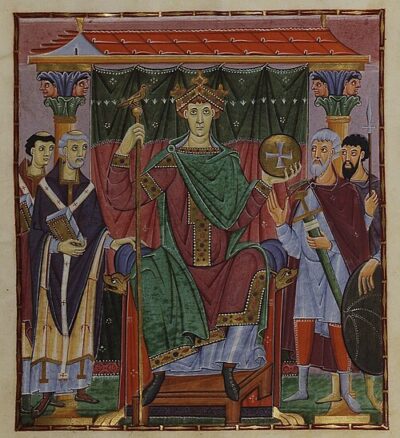 Otto III (996–1002)Holy Roman Emperor from 996 to 1002
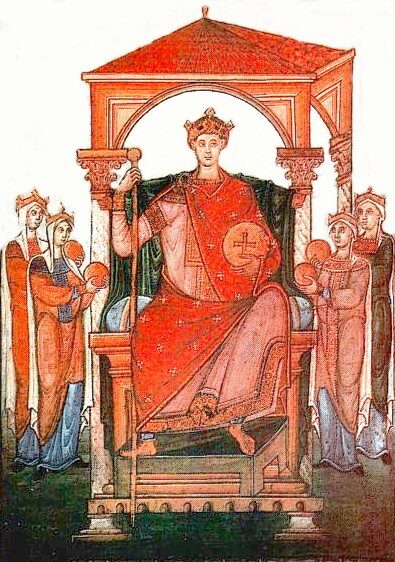 Otto II (973–983)Holy Roman Emperor from 973 to 983 and King of Italy from 980 to 983
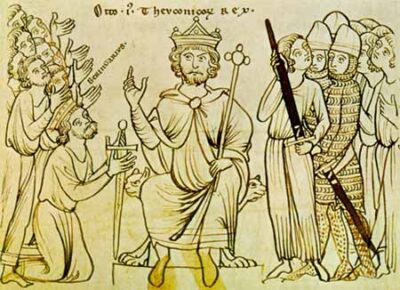 Otto I the Great (962–973)Holy Roman Emperor from 962 to 973
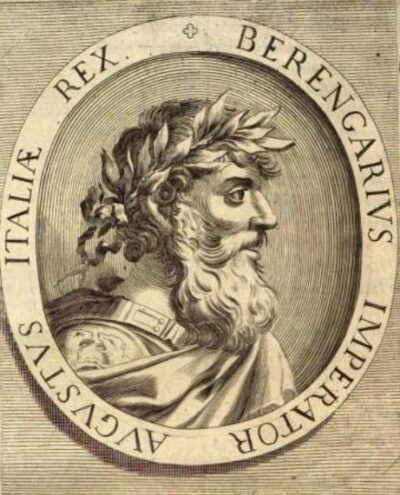 Berengar I of Italy (915–924)Holy Roman Emperor from 915 to 924
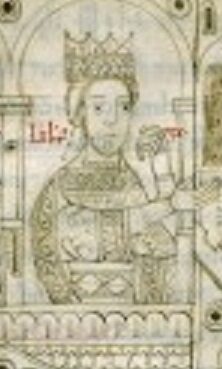 Lambert II of Spoleto (894–898)king of Italy, Holy Roman Emperor, and Duke of Spoleto and Camerino (880-898)
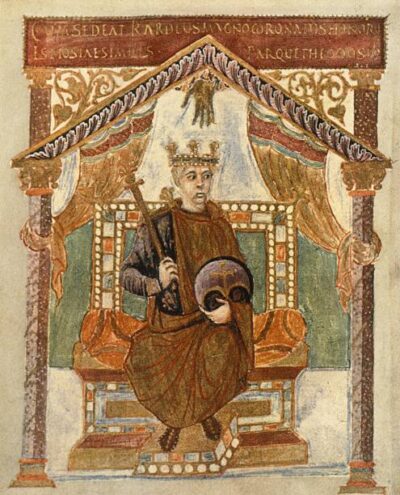 Charles the Bald (875–877)King of West Francia from 843 to 877 and Carolingian Emperor from 875 to 877
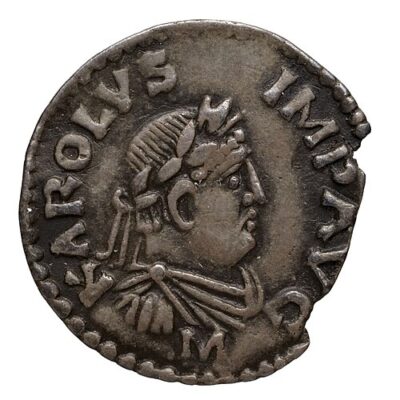 Charlemagne (800–814)king of Franks, regarded as the first Holy Roman Emperor (747–814) (742-814)
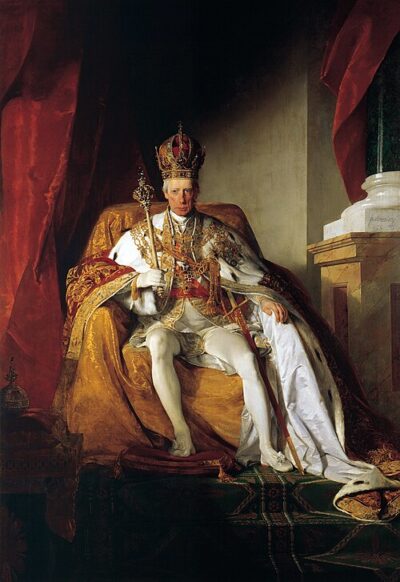 Francis II, Holy Roman Emperor (1792–1806)also known as Francis I, Emperor of Austria (1768-1835)
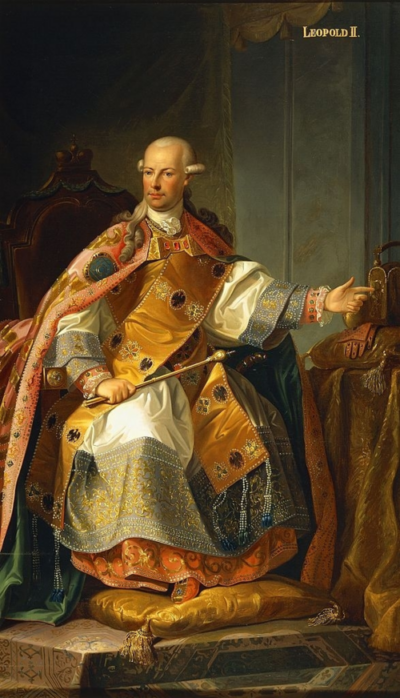 Leopold II, Holy Roman Emperor (1790–1792)Holy Roman Emperor from 1790 to 1792
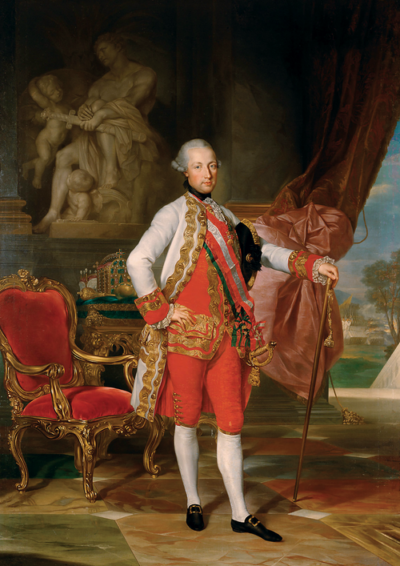 Joseph II, Holy Roman Emperor (1765–1790)Holy Roman Emperor from 1765 to 1790, (1741-1790).
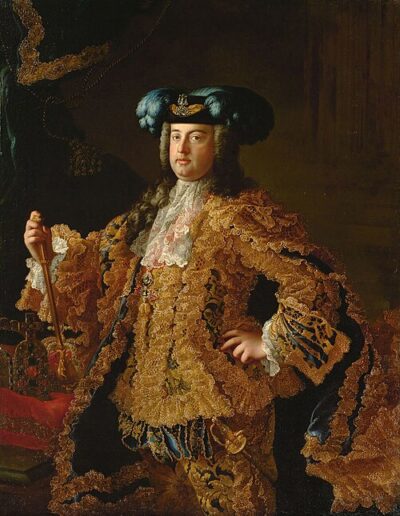 Francis I, Holy Roman Emperor (1745–1765)Holy Roman Emperor and Grand Duke of Tuscany (1708-1765).
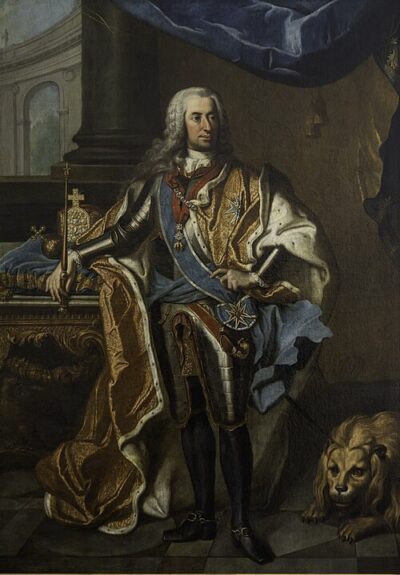 Charles VII, Holy Roman Emperor (1742–1745)Holy Roman Emperor
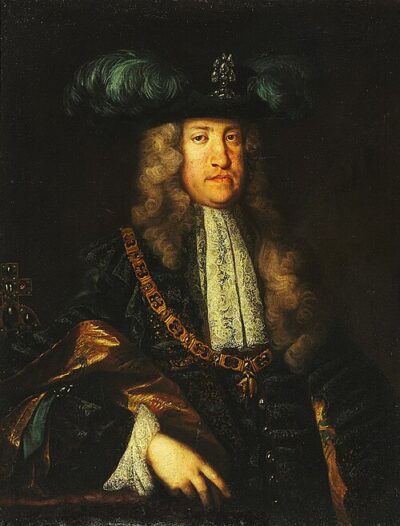 Charles VI, Holy Roman Emperor (1711–1740)18th century Habsburg Holy Roman Emperor
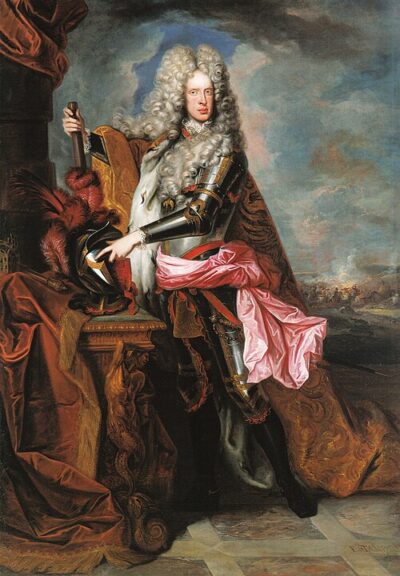 Joseph I, Holy Roman Emperor (1705–1711)Emperor from 1705 till his death in 1711
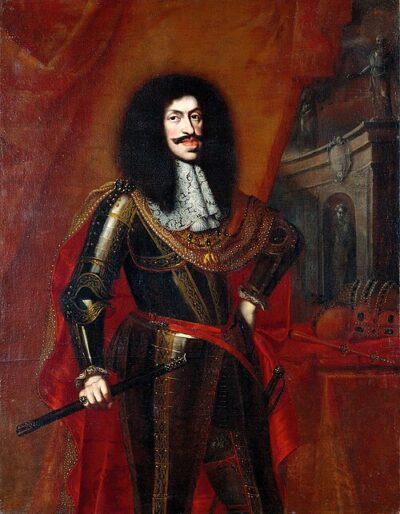 Leopold I, Holy Roman Emperor (1658–1705)Holy Roman Emperor (1658-1705), King of Hungary and Croatia and King of Bohemia (lived 1640-1705)
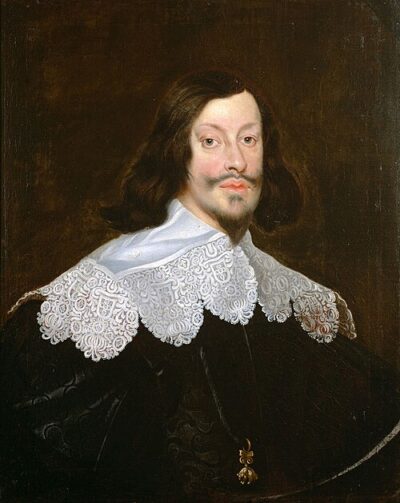 Ferdinand III, Holy Roman Emperor (1637–1657)Emperor of the Holy Roman Empire (1608-1657)
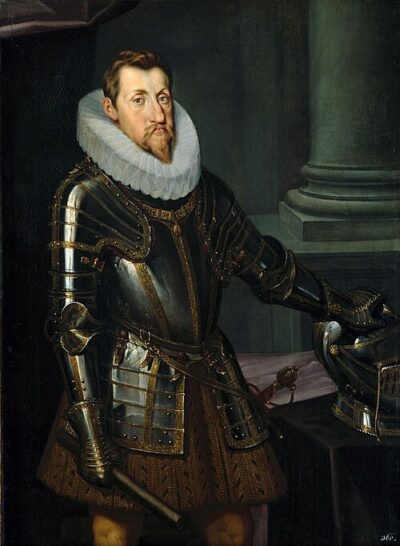 Ferdinand II, Holy Roman Emperor (1619–1637)Holy Roman Emperor
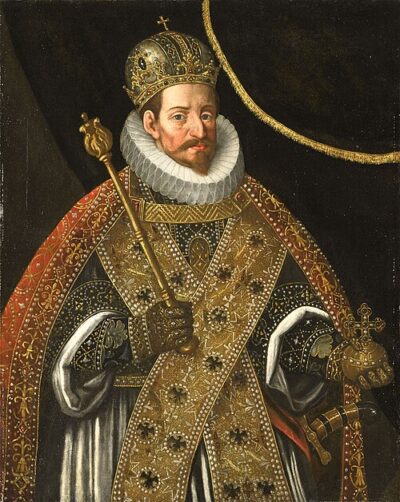 Matthias, Holy Roman Emperor (1612–1619)Holy Roman Emperor (1557-1619)
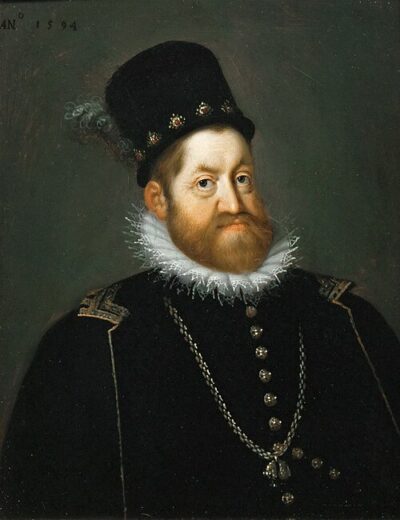 Emperor Rudolf II (1576–1612)Holy Roman Emperor, King of Hungary and Croatia, King of Bohemia and Archduke of Austria (1552-1612)
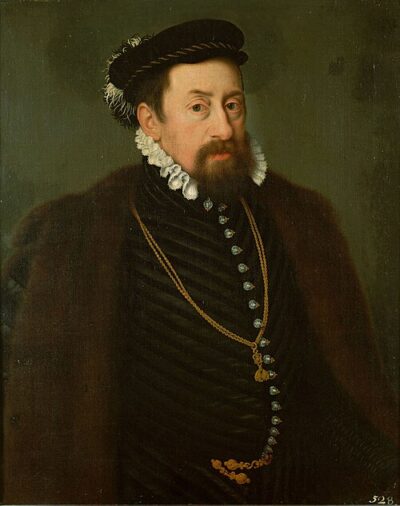 Maximilian II, Holy Roman Emperor (1564–1576)King of the Romans, King of Hungary, Croatia and Bohemia (1527-1576)
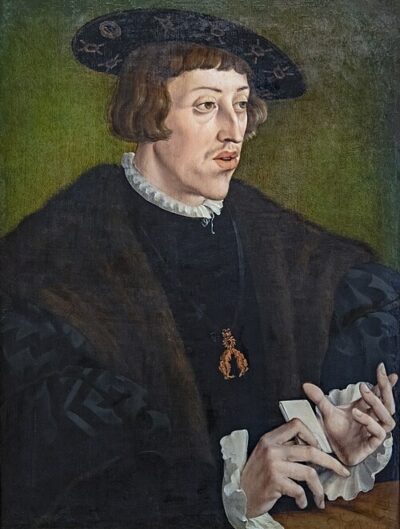 Ferdinand I, Holy Roman Emperor (1556–1564)Holy Roman Emperor from 1556 to 1564 (1503-1564)
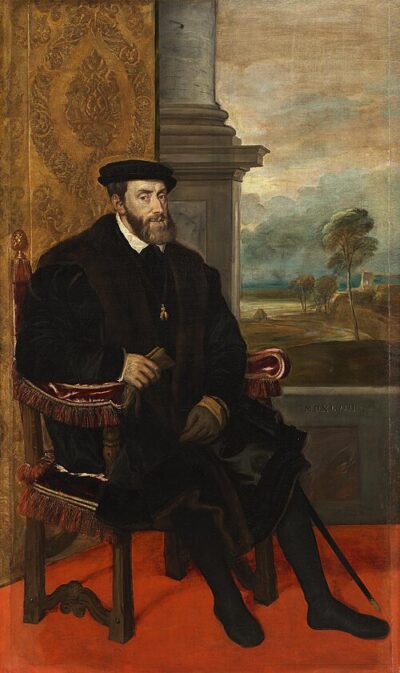 Charles V, Holy Roman Emperor (1519–1556)Holy Roman Emperor from 1519 to 1556 (1500–1558)
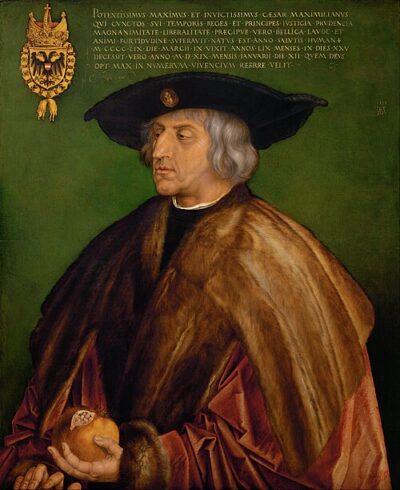 Maximilian I (1508–1519)Holy Roman Emperor (1459-1519)
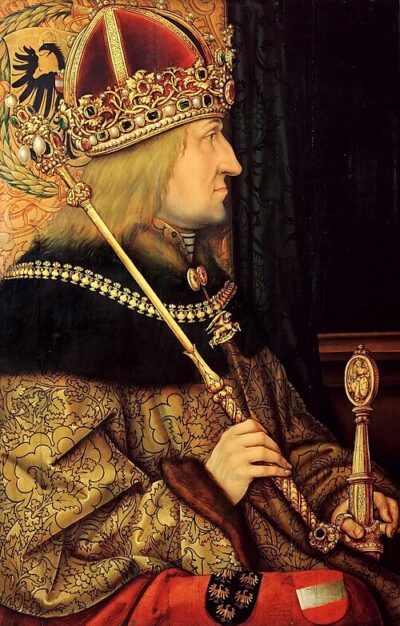 Frederick III, Holy Roman Emperor (1452–1493)Holy Roman Emperor and Austrian archduke and duke (1452–1493)
and 14 more
