
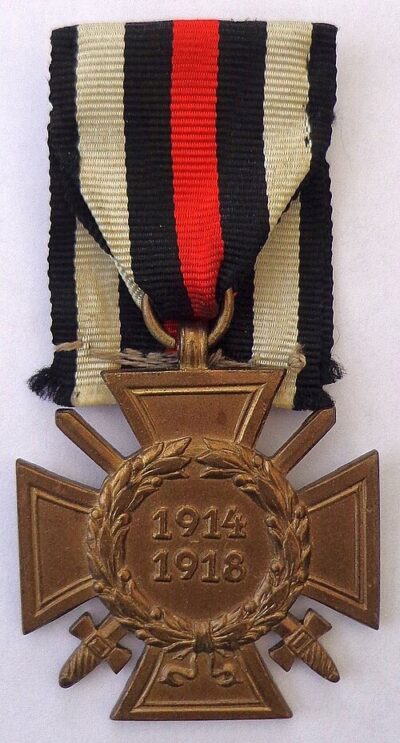
Honour Cross of the World War 1914/1918
Honour Cross of the World War 1914/1918 is an award for participants and surviving dependants of participants in the First World War in Nazi Germany in three versions: with swords for front-line fighters and two forms without swords (1934-1945).
- Country
- German Reich
- Created
- July 13, 1934
All 5 facts, and where they come from
Facts
5 facts · 0 confirmed by two sources · 0 cited · 5 from one source
Where this comes from
Papalocal keeps its own record. It started from these sources; what each one said is kept here as it was copied, so a change on their side never changes this page by itself. Tap one to read its version.
What Wikidata says · copied November 16, 2026 · revision 2528319976
- Described as
- award for participants and surviving dependants of participants in the First World War in Nazi Germany in three versions: with swords for front-line fighters and two forms without swords (1934-1945)
- Other names
- Hindenburg Cross
- What it is
- cross; campaign medal; order, decoration, or medal of Nazi Germany · 1 reference
- Created
- July 13, 1934
- Country
- German Reich
- Wikipedias with a page
- 25
Wikidata item Q120758 (wikidata.org/wiki/Q120758), public domain (CC0). Copied 2026-11-16.
What Wikipedia says · copied November 16, 2026 · revision 1363325262
The Honour Cross of the World War 1914/1918 (German: Ehrenkreuz des Weltkrieges 1914/1918), commonly referred to as the Hindenburg Cross or the German WWI Service Cross, was established by Field Marshal Paul von Hindenburg, President of the German Weimar Republic, by an order dated 13 July 1934, to commemorate service of the German people during the First World War. This was Germany's first official service medal for soldiers of Imperial Germany who had taken part in the war, and where they had since died it was also awarded to their surviving next-of-kin. Shortly after its issuance, the government of Nazi Germany declared the award as the only official service decoration of the First World War and further forbade the continued wearing of most German Free Corps awards on any military or paramilitary uniform of a state or Nazi Party organization.
The Honour Cross was awarded in three forms:- for front-line veterans, with swords
- for non-combatant veterans, without swords
- for surviving widows and parents of fallen participants in the war, without swords.
The Honour Cross was modelled on the reverse side of the War Commemorative Medal of 1870/71 (Preußen Kriegsdenkmünze 1870-1871), and it was designed by Eugene Godet. The medal awarded to combatants (called the Frontkämpferkreuz) displayed a laurel wreath encircling a medallion with the dates "1914 1918", along with crossed swords between the arms. The reverse side was plain, except for the manufacturer's logo. The Honour Cross for non-combatants had a wreath of oak leaves, and no swords. Both crosses were in bronze. The Honour Cross for next-of-kin (commonly known as the Widows Cross) was finished in black.
The Honour Cross was worn suspended from a ribbon with black edge stripes, two white stripes, two black stripes and a red stripe in the middle between them. The ribbon of the Honour Cross for next-of-kin had these colours in a different order, having white edge stripes, with two black stripes, white stripes on either side of a red stripe in the middle. They were frequently worn with the ribbon fashioned into a bow, with a pin on the back, which the mother or widow in question attached to her clothing. The application for this award had a time limit, which expired at the end of 1942. Each award came with an Urkunde, or certificate, which indicated which form the award took. The certificates for the next-of-kin crosses came in two types – those for widows were titled Ehrenkreuz für Witwen (Honour Cross for Widows), while those for parents were called Ehrenkreuz für Eltern (Honour Cross for Parents). The award was ranked above other service and occupation medals, but below other awarded combat medals.
The number of awards given was:for combatants 6,202,883
for non-combatants 1,120,449
for widows 345,132
for parents 372,950
total 8,041,414
By a decree dated 30 November 1938, the State Minister of the Interior introduced these awards into the Ostmark (the name of Austria after it was annexed by Nazi Germany). By 1940, it had also been approved for persons of German heritage from seized lands of the Sudetenland, Czechoslovakia, Danzig, Saar and Memel. Awarding of the cross to war participants of German heritage continued after the deadline for applications had closed within the previous boundaries of Germany. Such Honour Crosses were still being awarded as late as 1944. For all attached military personnel outside these regions, the Führer, through the ordinance of 30 June 1942, had already ordered approval of these awards.
From the Wikipedia article “Honour Cross of the World War 1914/1918” (en.wikipedia.org/wiki/Honour_Cross_of_the_World_War_1914/1918), by its contributors, under CC BY-SA 4.0 (creativecommons.org/licenses/by-sa/4.0/). Copied 2026-11-16; not changed.
Confirmed Two sources agree. Cited One source, and it names where it got it. One source One source, without a reference of its own. Sources disagree The sources disagree. We show the best-supported value and keep theirs below.
Picture: PicturePrince, via Wikimedia Commons · CC BY-SA 4.0
People connected 86
Won it 86
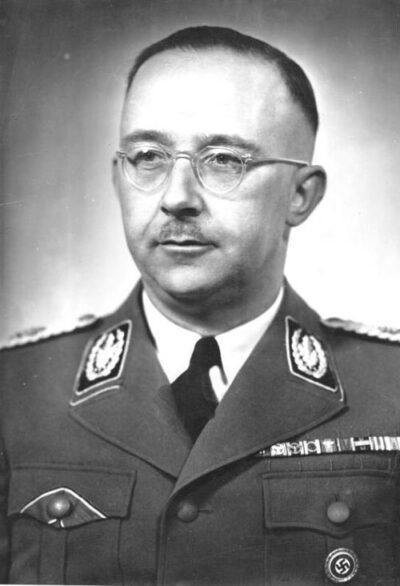 Heinrich Himmler (1934)German Nazi politician; leader of the German SS & main architect of the Holocaust (1900-1945)
- WWalter Model (1934)German field marshal (1891-1945)
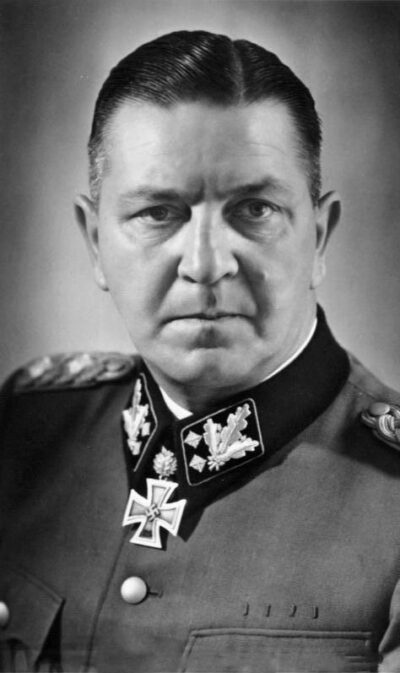 Theodor Eicke (1934)German SS general, commander of concentration camp Dachau and inspector of the concentration camps (1892–1943)
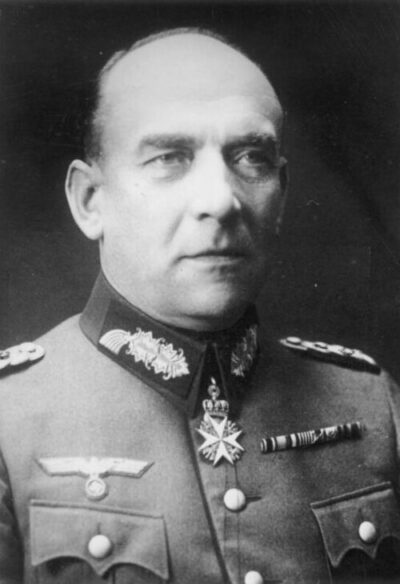 Nikolaus von Falkenhorst (1934)German general (1885-1968)
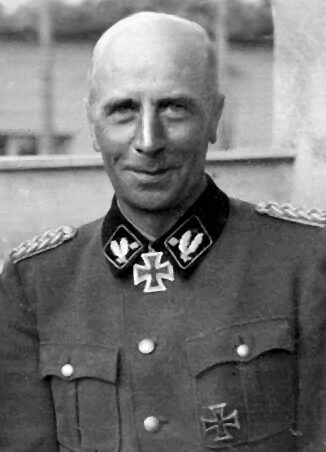 Wilhelm Bittrich (1934)German general (1894-1979
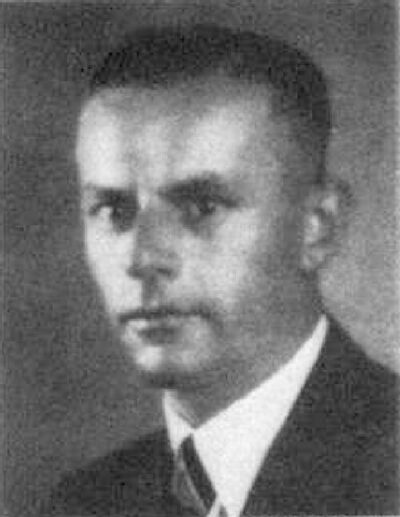 Friedrich-Wilhelm Krüger (1934)German general (1894-1945)
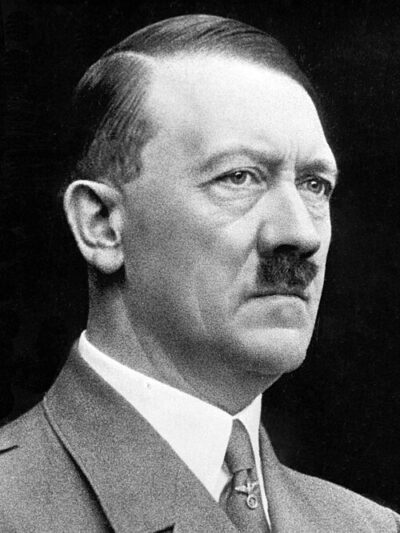 Adolf HitlerDictator of Germany from 1933 to 1945 (1889–1945)
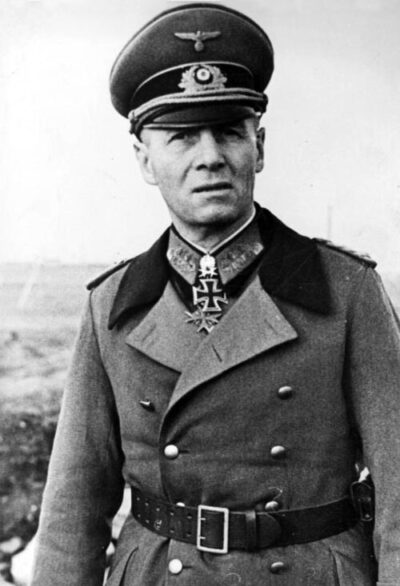 Erwin RommelGerman field marshal (1891–1944)
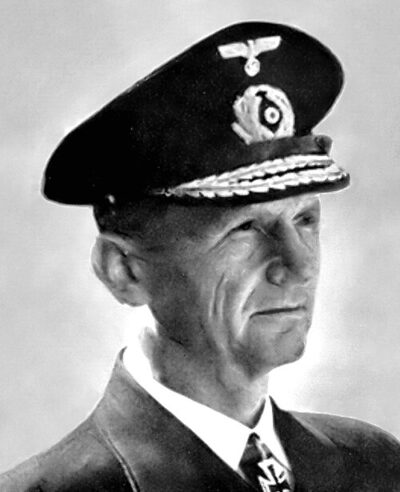 Karl DönitzGerman admiral and former president of Nazi Germany in 1945 (born 1891-1980)
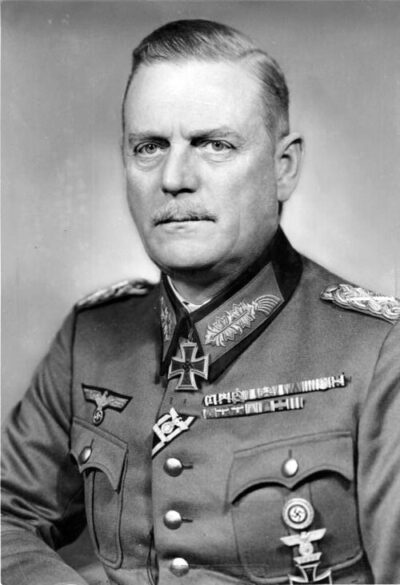 Wilhelm KeitelGerman field marshal (1882–1946)
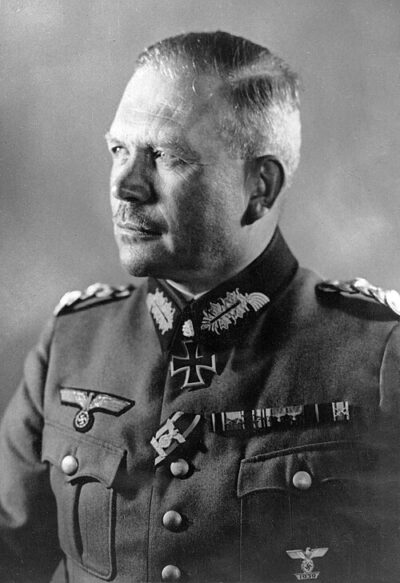 Heinz GuderianGerman general (1888–1954)
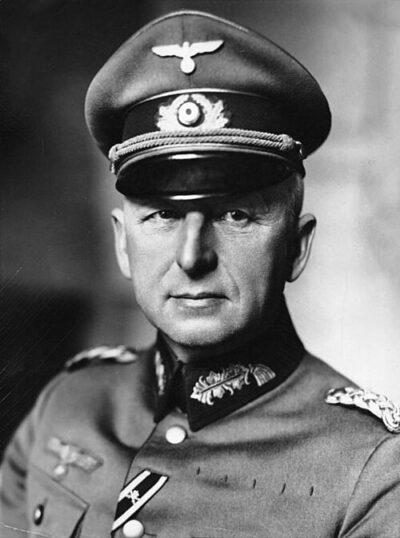 Erich von MansteinGerman field marshal (1887-1973)
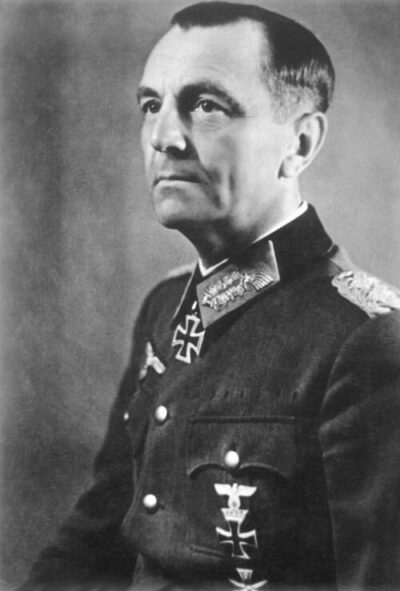 Friedrich PaulusGerman general (1890–1957)
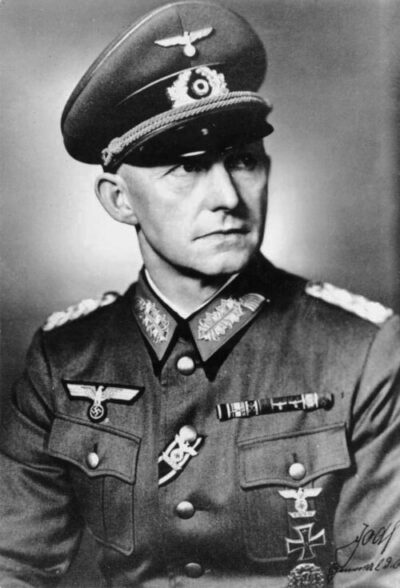 Alfred JodlGerman general and convicted war criminal (1890–1946)
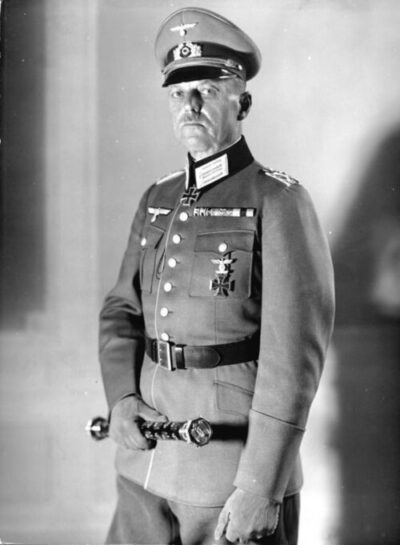 Gerd von RundstedtGerman Field Marshal during World War II (1875-1953)
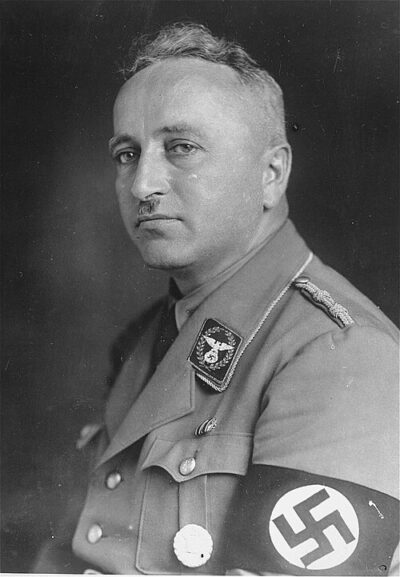 Robert LeyGerman Nazi politician; indicted by the International Military Tribunal for war crimes (1890-1945)
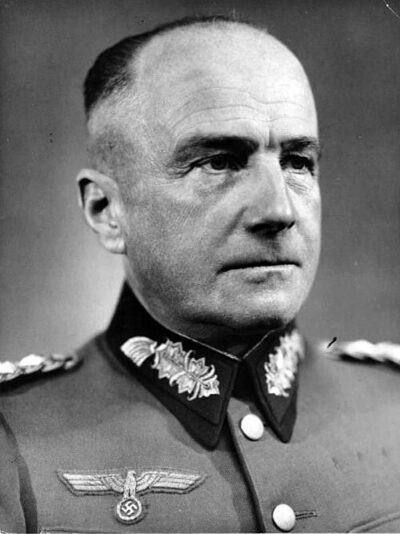 Walther von BrauchitschGerman field marshal (1881-1948)
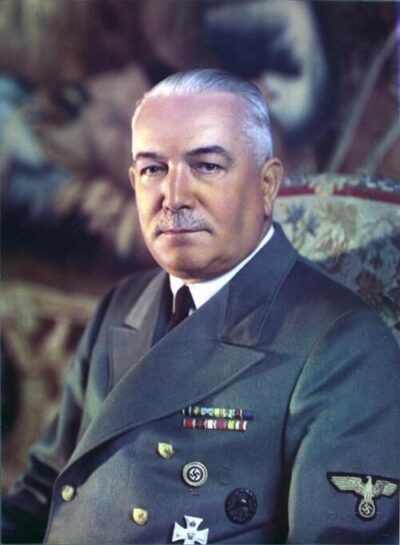 Konstantin von NeurathGerman Foreign Minister, Ambassador and Reich Protector in Bohemia and Moravia, general and Nazi war criminal (1873-1956)
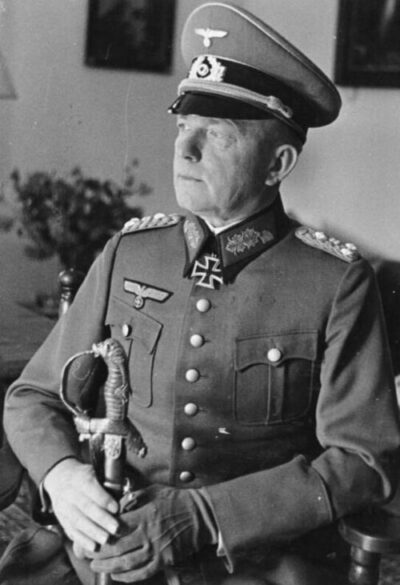 Paul Ludwig Ewald von KleistGerman field marshal (1881–1954)
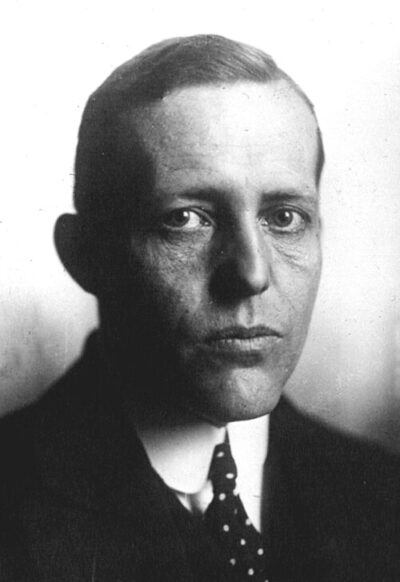 Lutz Graf Schwerin von KrosigkGerman nobleman, jurist, and senior Nazi government official (1887–1977)
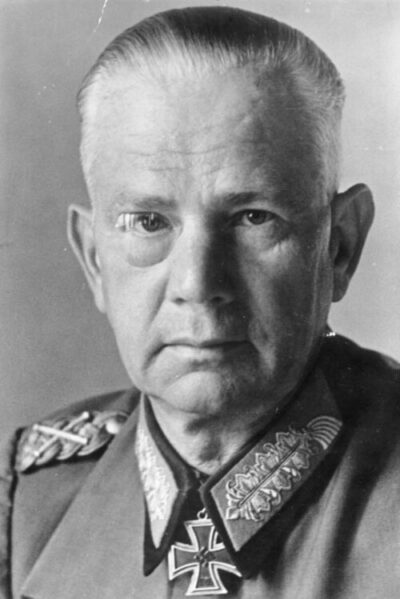 Walter von ReichenauGerman field marshal (1884–1942)
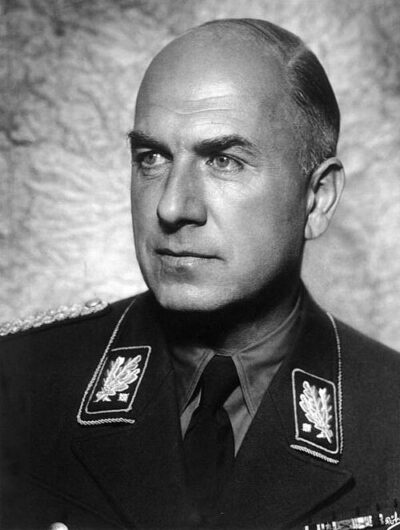 Fritz TodtGerman engineer, Holocaust perpetrator, and senior Nazi figure (1891–1942)
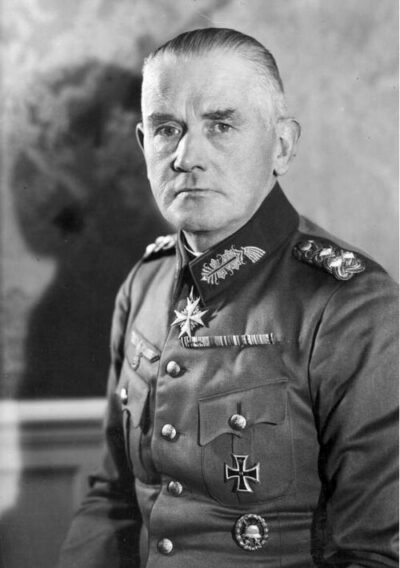 Werner von BlombergGerman Army field marshal and Military Chief of the Wehrmacht Military Forces (Heer,Luftwaffe,Kriegsmarine) (1878-1946)
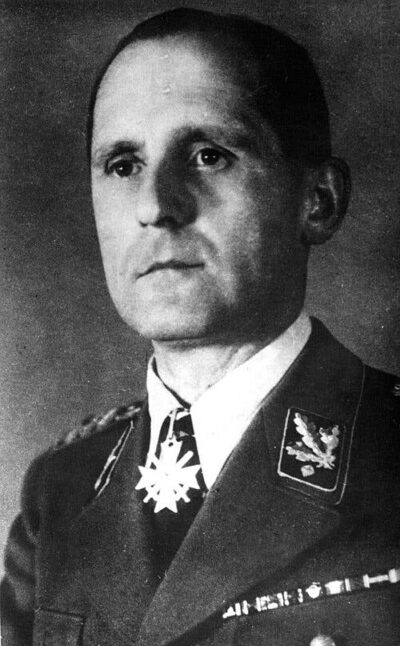 Heinrich MüllerGerman SS police official SS-General and head of the Gestapo from 1939-1945 (1900–1945)
and 62 more
