
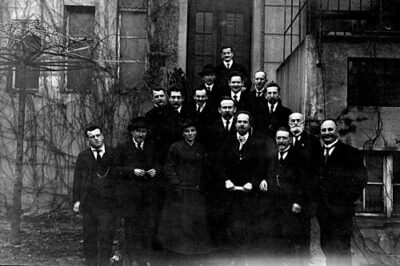
Independent Social Democratic Party of Germany
Independent Social Democratic Party of Germany is a political party. It was founded in 1917. It stands for Centrist Marxism, democratic socialism and pacifism.
- Country
- German Reich
- Founded
- 1917
- Ideology
- Centrist Marxism
- Chair
- Theodor Liebknecht (1919–1931)
All 11 facts, and where they come from
Facts
11 facts · 0 confirmed by two sources · 0 cited · 11 from one source
Where this comes from
Papalocal keeps its own record. It started from these sources; what each one said is kept here as it was copied, so a change on their side never changes this page by itself. Tap one to read its version.
What Wikidata says · copied November 16, 2026 · revision 2567680396
- Described as
- political party
- Other names
- USPD
- What it is
- political party
- Comes after
- Social Democratic Party of Germany
- Followed by
- Socialist Workers' Party of Germany
- Founded
- 1917
- Ended
- 1920
- Country
- German Reich
- Chair
- Hugo Haase (1917–1919); Georg Ledebour (1917–1919)
- Ideology
- Centrist Marxism; democratic socialism; pacifism
- Wikipedias with a page
- 33
Wikidata item Q310296 (wikidata.org/wiki/Q310296), public domain (CC0). Copied 2026-11-16.
What Wikipedia says · copied November 16, 2026 · revision 1383624052
The Independent Social Democratic Party of Germany (German: Unabhängige Sozialdemokratische Partei Deutschlands, USPD) was a short-lived, left-wing political party in Germany during the late German Empire and early Weimar Republic. It was established in 1917 by members of the Social Democratic Party of Germany (SPD) who opposed Germany's involvement in World War I. After much of the USPD's membership joined the Communist Party of Germany (KPD) in 1920, the remainder returned to the SPD in 1922, with the exception of an insignificant faction that lasted until 1931.
The Social Democratic Party officially supported Germany's entry into World War I in 1914, but a small number of members centering around Karl Liebknecht repeatedly voted against government requests for war bonds. The leadership of the SPD began expelling the opponents of the war in 1916, and in April 1917 a group of those who had been ousted formed the USPD. The new party, which included the far-left Spartacus League, agitated actively against the war, supported anti-war strikes and welcomed the Russian Revolution.
When the German revolution broke out in 1918, the SPD quickly took control of the revolutionary movement. They invited an equal number of USPD members to join them on the ruling Council of the People's Deputies, but friction between the two parties led the USPD members to resign after less than two months. The primary point of contention was that the USPD favoured a council republic controlled by workers' and soldiers' councils, whereas the SPD wanted a socialist-led parliamentary republic. The USPD participated in the Weimar National Assembly, which wrote the constitution for the Weimar Republic, although it voted against accepting the final document.
After the radical Spartacus League split from the USPD in January 1919 to form the Communist Party of Germany, tensions remained within the party over the extent to which it wanted to continue to push for a council republic. In 1920, a little over half of the USPD membership joined the KPD. Two years later, almost all of the remaining USPD rejoined the SPD. A greatly shrunken USPD continued until 1931.
From the Wikipedia article “Independent Social Democratic Party of Germany” (en.wikipedia.org/wiki/Independent_Social_Democratic_Party_of_Germany), by its contributors, under CC BY-SA 4.0 (creativecommons.org/licenses/by-sa/4.0/). Copied 2026-11-16; not changed.
Confirmed Two sources agree. Cited One source, and it names where it got it. One source One source, without a reference of its own. Sources disagree The sources disagree. We show the best-supported value and keep theirs below.
Picture: Unknown author, via Wikimedia Commons · Public domain
People connected 31
Party members 31
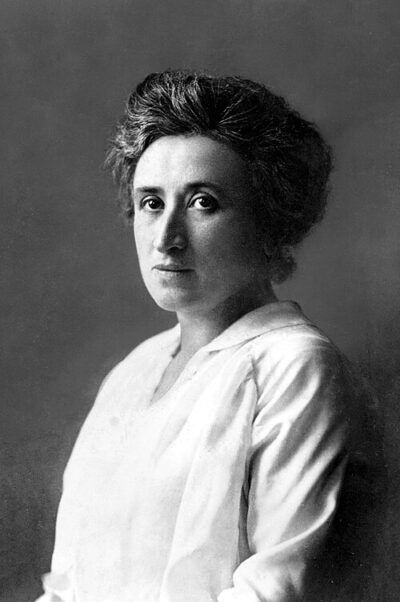 Rosa Luxemburg (1917–1918)Polish-German Marxist revolutionary (1871–1919)
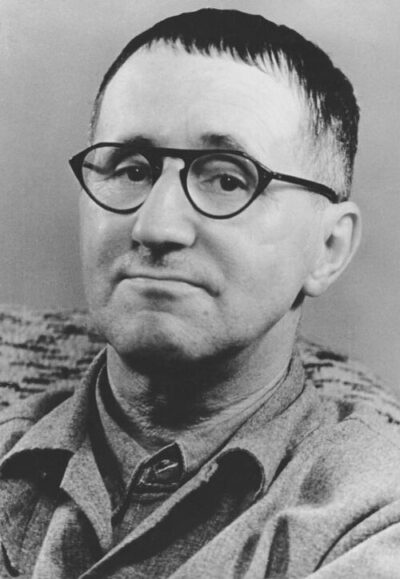 Bertolt BrechtGerman poet, playwright, and theatre director (1898–1956)
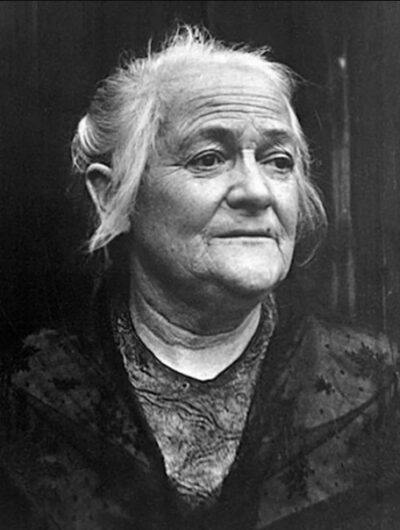 Clara ZetkinCommunist activist, and advocate for women's rights (1857–1933)
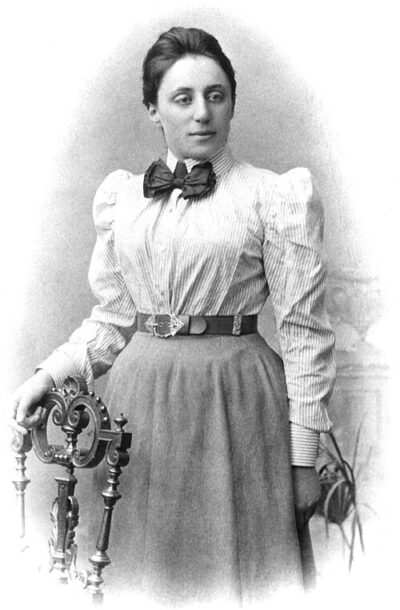 Emmy Noether (1919–1922)German Jewish mathematician (1882–1935)
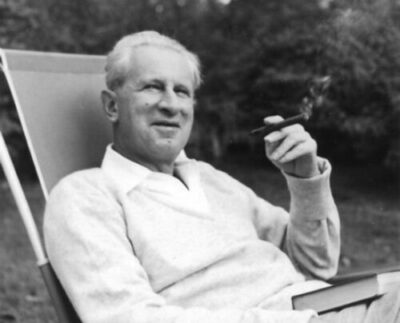 Herbert MarcuseGerman philosopher, sociologist, and political theorist (1898–1979)
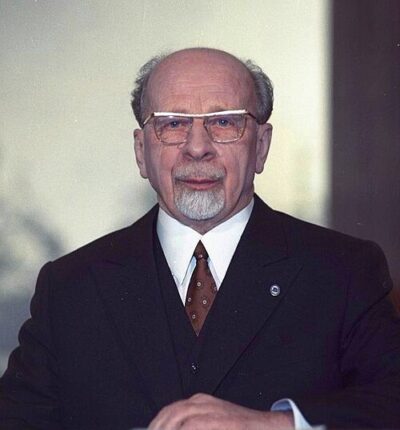 Walter Ulbricht (1917–1920)German communist politician and dictator (1893–1973)
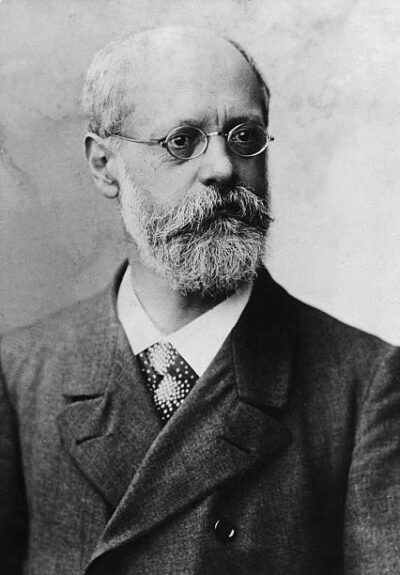 Karl KautskyCzech-Austrian Marxist theorist (1854–1938)
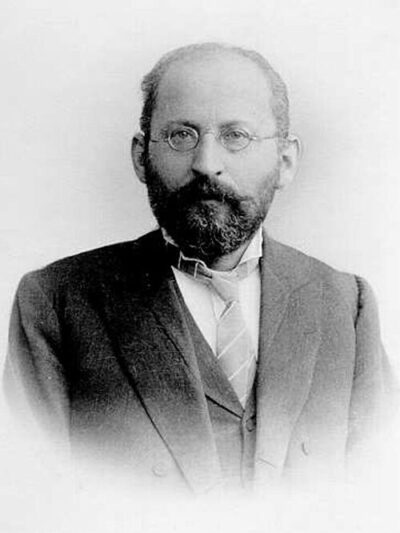 Eduard Bernstein (1917–1919)German politician and theorist (1850–1932)
 Ernst ThälmannGerman communist politician, leader of Communist Party of Germany (1886–1944)
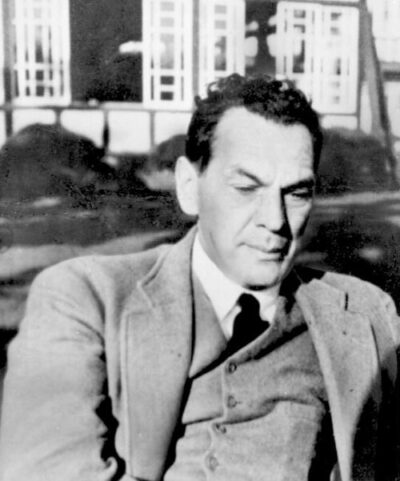 Richard Sorge (1916–1919)Soviet spy in Germany and Japan (1895-1944)
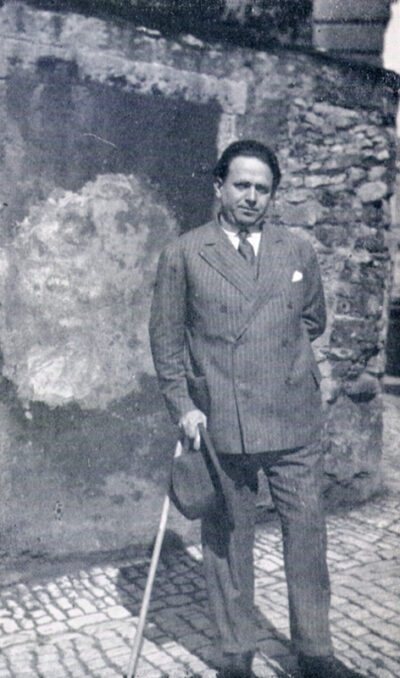 Kurt TucholskyJewish-German journalist, satirist and writer (1890–1935)
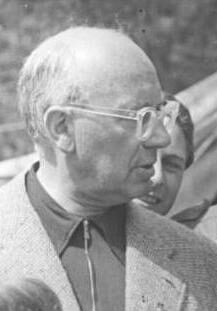 Johannes R. BecherGerman politician, novelist and poet (1891–1958)
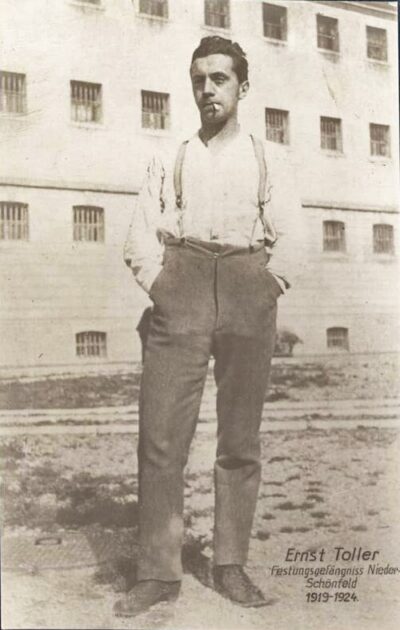 Ernst TollerGerman writer, politician and leader of the Munich Soviet Republic (1893-1939)
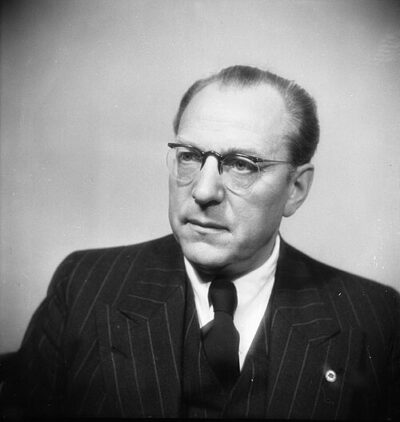 Otto GrotewohlGerman politician (1894–1964)
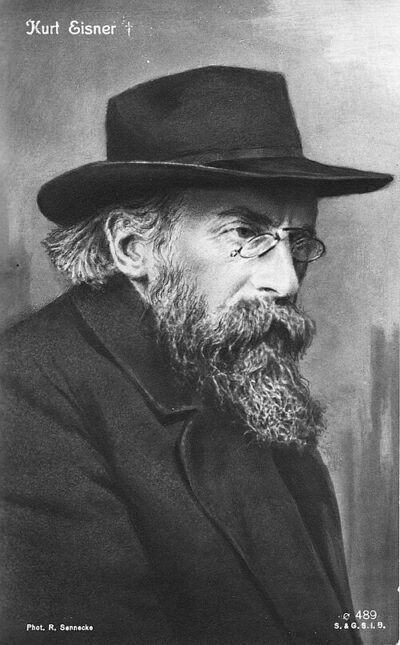 Kurt Eisner (1917–1919)German politician and journalist (1867-1919)
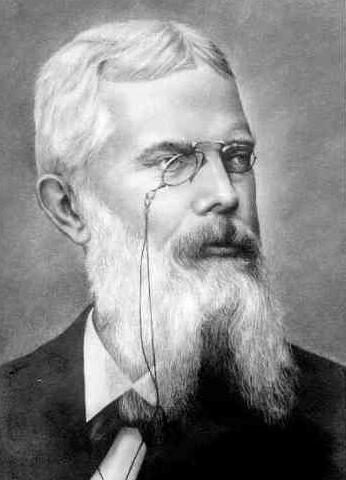 Franz MehringGerman communist historian, philosopher, and politician (1846–1919)
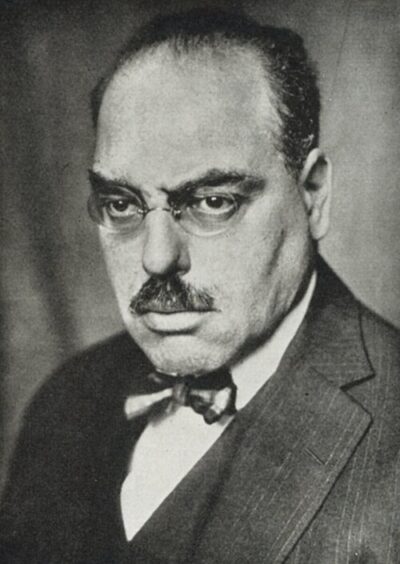 Rudolf HilferdingGerman politician (1877-1941)
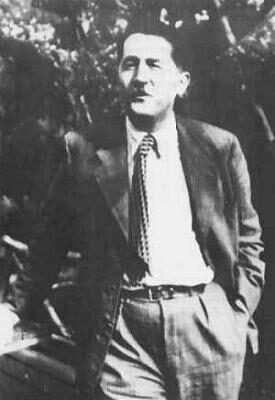 Karl KorschGerman politician (1886-1961)
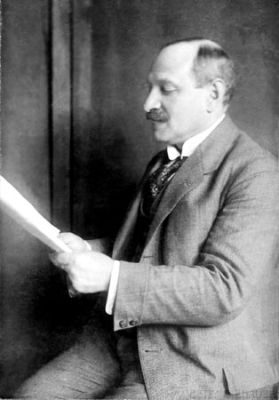 Hugo HaaseGerman jurist, politician (SPD), and pacifist (1863-1919)
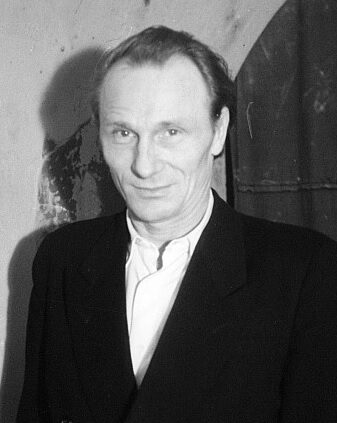 Ernst Busch (1917–)German actor (1900-1980)
- WWalter ChristallerGerman geographer (1893–1969)
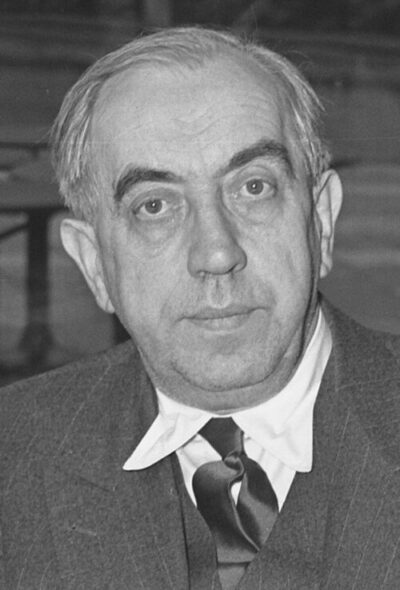 Ernst ReuterGerman mayor of West Berlin (1889–1953)
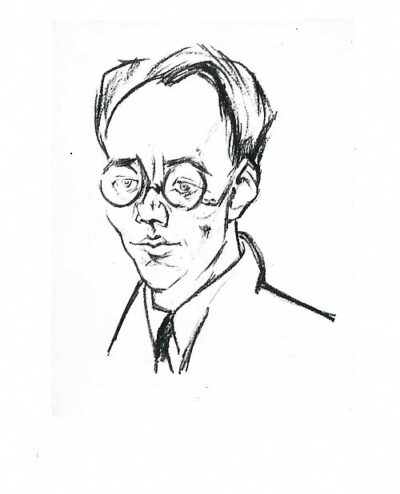 Karl August Wittfogel (1918–1920)German-American academic (1896–1988)
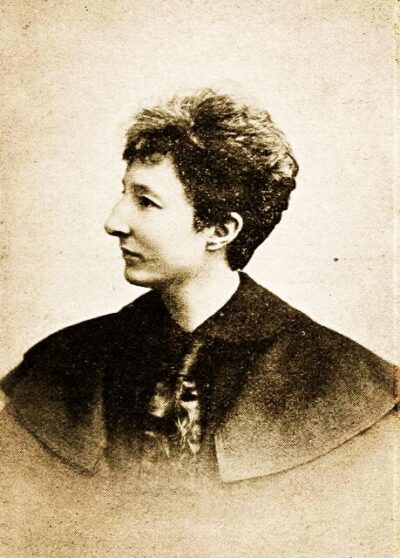 Anita AugspurgGerman jurist, actress, writer, editor, and activist (1857–1943)
and 7 more
