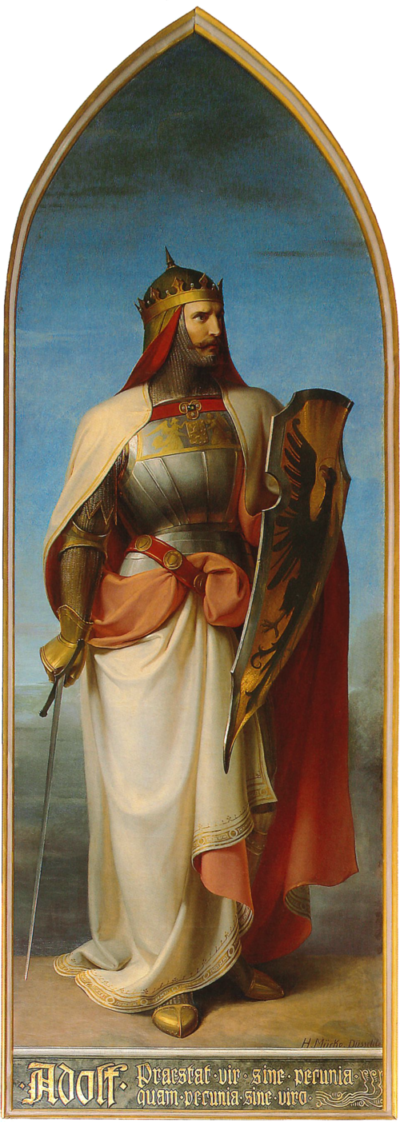
King of the Romans
The King of the Romans is a title used by medieval German monarchs. It is an office of the Holy Roman Empire.
- Office of
- Holy Roman Empire
All 4 facts, and where they come from
Facts
4 facts · 0 confirmed by two sources · 0 cited · 4 from one source
Where this comes from
Papalocal keeps its own record. It started from these sources; what each one said is kept here as it was copied, so a change on their side never changes this page by itself. Tap one to read its version.
What Wikidata says · copied November 17, 2026 · revision 2569376549
- Described as
- title used by medieval German monarchs
- Other names
- king of Germany, elected monarch of the Holy Roman Empire
- What it is
- position; noble title; profession
- Office of
- Holy Roman Empire
- Wikipedias with a page
- 46
Wikidata item Q782985 (wikidata.org/wiki/Q782985), public domain (CC0). Copied 2026-11-17.
What Wikipedia says · copied November 17, 2026 · revision 1362214046
King of the Romans (Latin: Rex Romanorum; German: König der Römer) was a royal title used by the king of East Francia following his election by the princes from the reign of Henry II (1002–1024) onward.
The title originally referred to any German king between his election and coronation as Holy Roman Emperor by the Pope. The title was also used to designate the successor to the throne elected during the lifetime of a sitting Emperor. From the 16th century onwards, as German kings adopted the title of Emperor-elect and ceased to be crowned by the Pope, the title continued to be used solely for an elected successor to the throne during his predecessor's lifetime.
The actual title varied over time. During the Ottonian period, it was King of the Franks (German: König der Franken, Latin: Rex Francorum), from the late Salian period it was King of the Romans (German: König der Römer, Lat.: Rex Romanorum). In the Modern Period, the title King in Germania (German: König in Germanien, Lat.: Germaniae Rex) came into use. Finally, modern German historiography established the term Roman-German King (Römisch-deutscher König) to differentiate it from the classical Roman Emperor as well as from the Roman-German Emperor and from the modern German Emperor.
From the Wikipedia article “King of the Romans” (en.wikipedia.org/wiki/King_of_the_Romans), by its contributors, under CC BY-SA 4.0 (creativecommons.org/licenses/by-sa/4.0/). Copied 2026-11-17; not changed.
Confirmed Two sources agree. Cited One source, and it names where it got it. One source One source, without a reference of its own. Sources disagree The sources disagree. We show the best-supported value and keep theirs below.
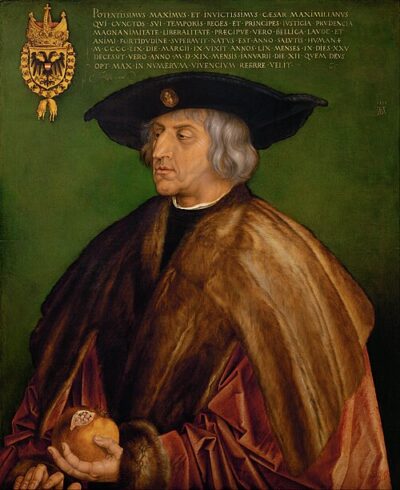
Picture: Albrecht Dürer, via Wikimedia Commons · Public domain
People connected 25
Held this office
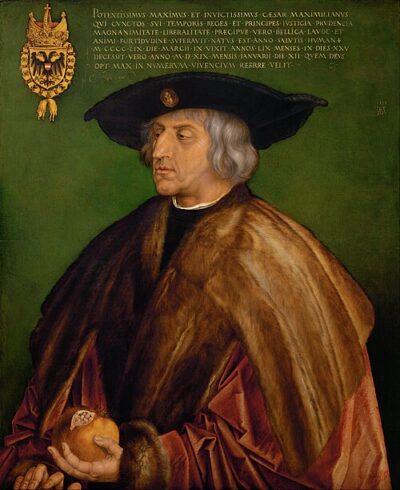 Maximilian I (1486–1519)Holy Roman Emperor (1459-1519)
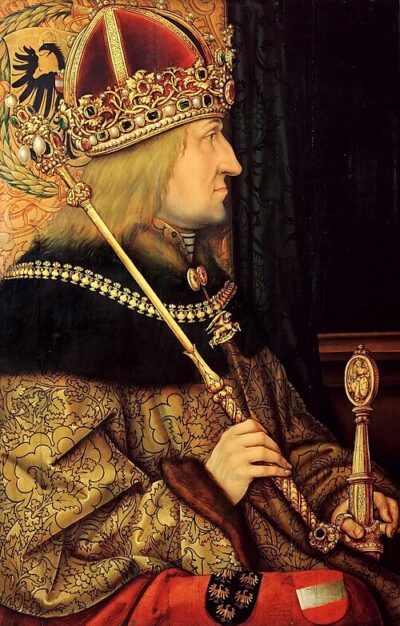 Frederick III, Holy Roman Emperor (1440–1493)Holy Roman Emperor and Austrian archduke and duke (1452–1493)
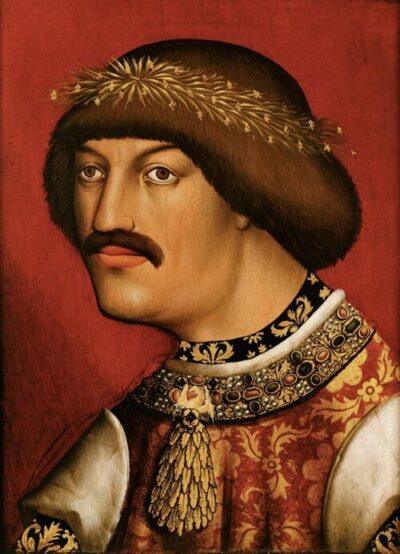 Albert II of Germany (1438–1439)King of Germany, Hungary and Bohemia
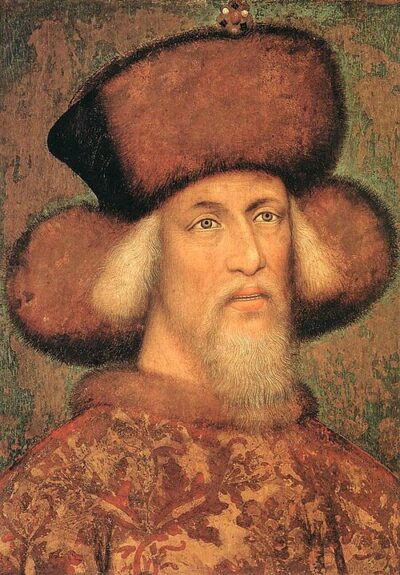 Sigismund (1411–1437)Monarch from the House of Luxemburg (1368-1437)
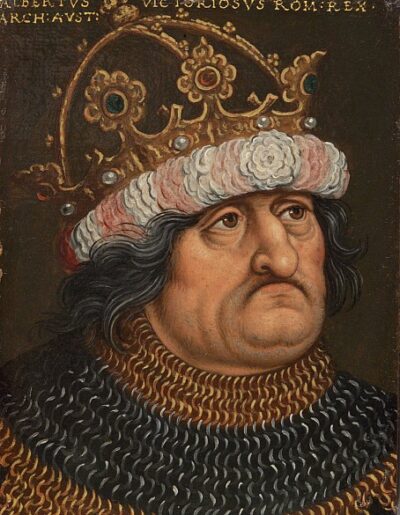 Albert I of Germany (1298–1308)King of Germany (1255-1308)
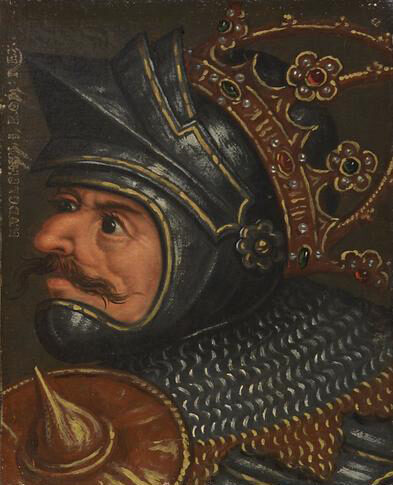 Rudolph I of Germany (1273–1291)count of Habsburg, king of Germany (1218–1291)
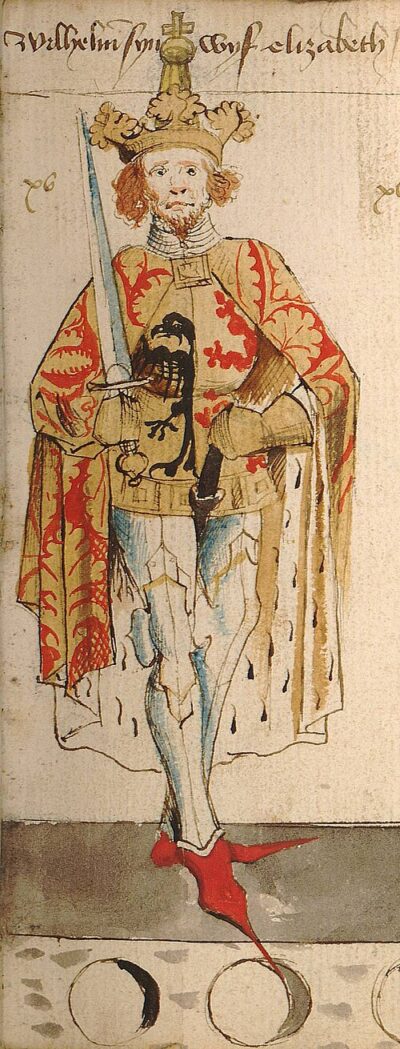 William II of Holland (1248–1256)Count of Holland and King of the Romans
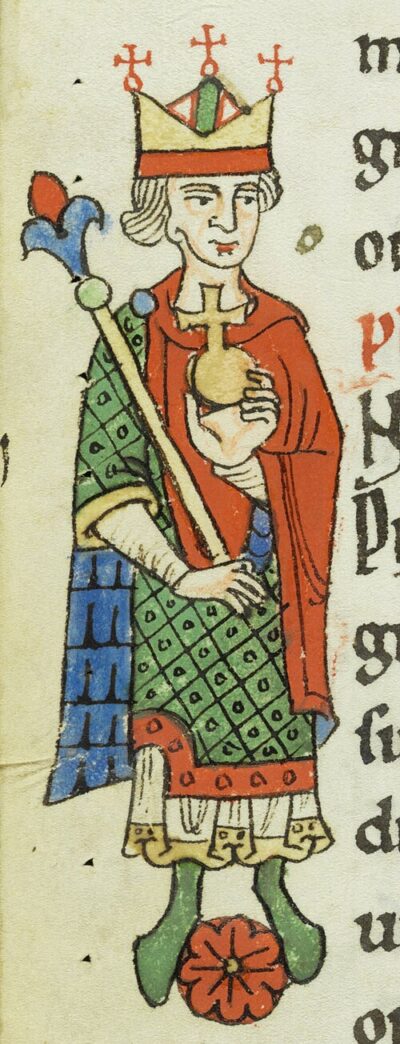 Philip of Swabia (1198–1208)King of the Germans, Duke of Toscana and Swabia (February/March 1177 – 21 June 1208)
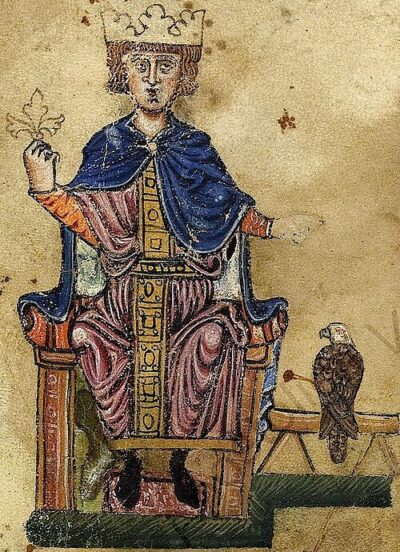 Frederick II, Holy Roman Emperor (1196–1250)King of Sicily, Holy Roman Emperor (1194–1250, 1220–1250)
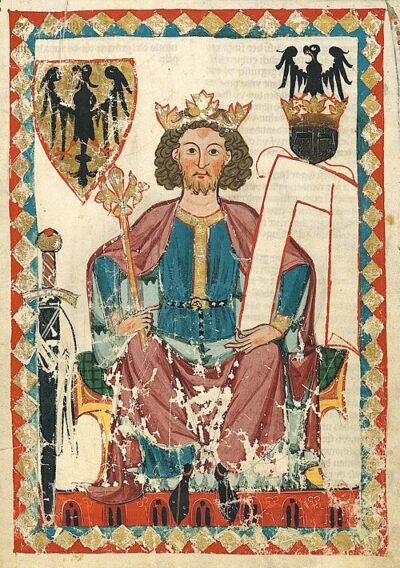 Henry VI (1169–1197)Holy Roman Emperor from 1191 to 1197
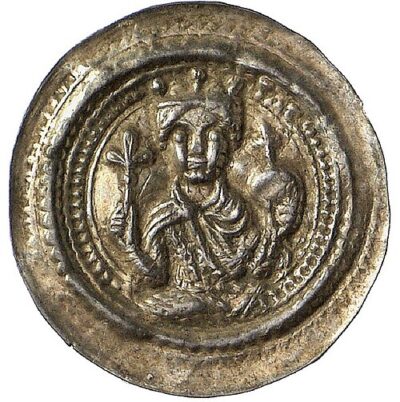 Frederick Barbarossa (1152–1190)Holy Roman Emperor from 1155 to 1190
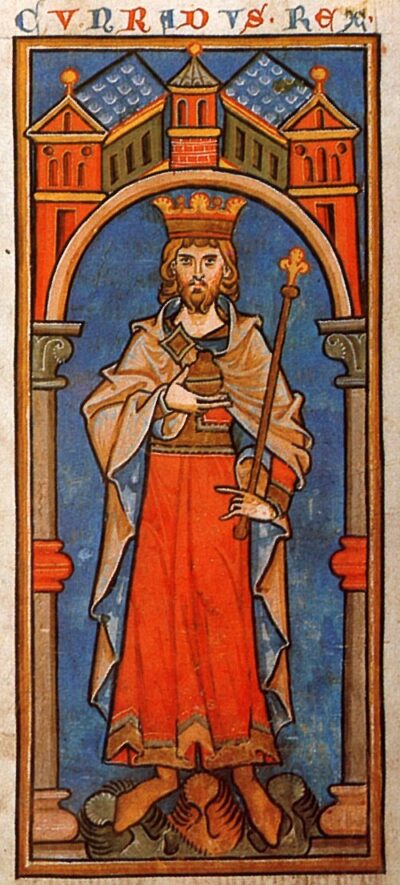 Conrad III of Germany (1138–1152)Hohenstaufen dynasty king (r. 1138–1152)
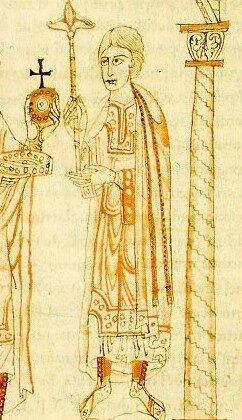 Henry V (1099–1125)King of Germany and Holy Roman Emperor, the fourth and last ruler of the Salian dynasty
 Conrad II of Italy (1087–1098)German king
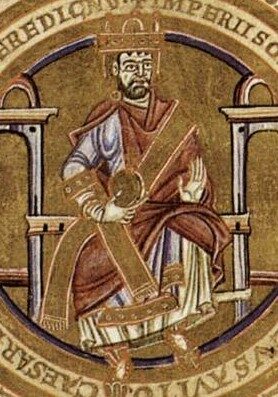 Henry II, Holy Roman Emperor (1002–1024)Holy Roman Emperor from 1014 to 1024
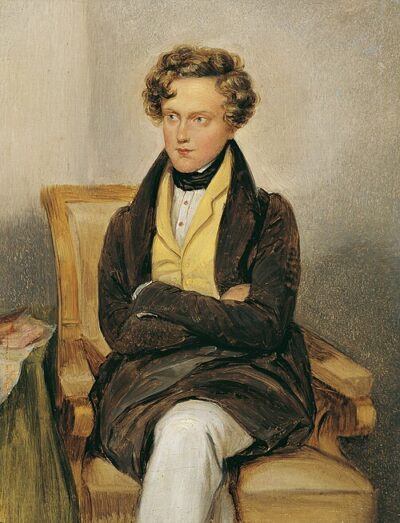 Napoleon IIThe second Emperor of the French (1815)
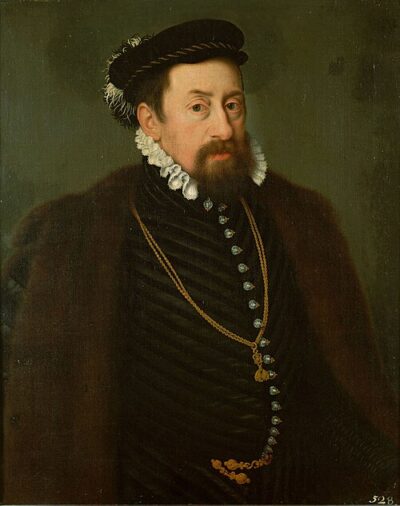 Maximilian II, Holy Roman EmperorKing of the Romans, King of Hungary, Croatia and Bohemia (1527-1576)
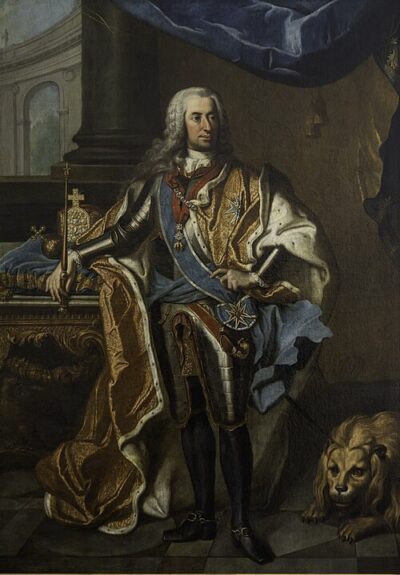 Charles VII, Holy Roman EmperorHoly Roman Emperor
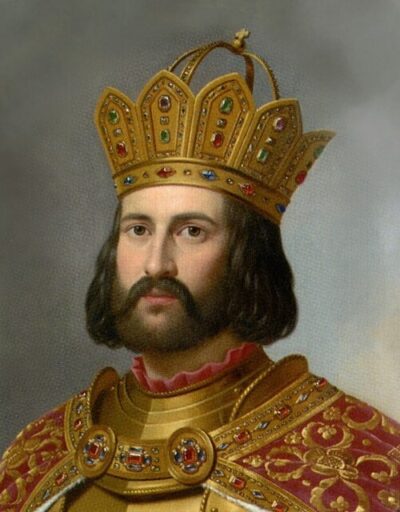 Otto IV, Holy Roman EmperorHoly Roman Emperor from 1209 to 1218
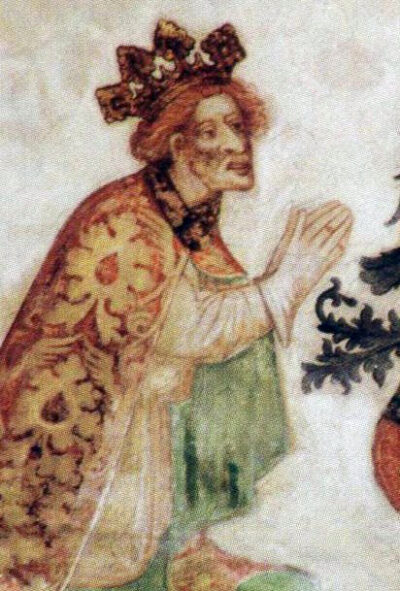 RupertKing of Germany and Elector Palatine (1352-1410)
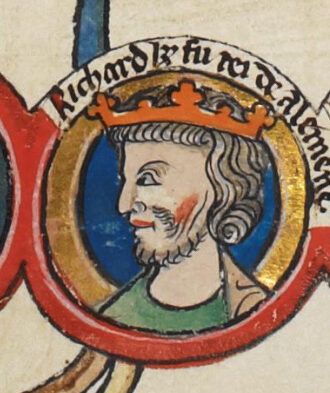 Richard of CornwallKing of the Romans, Earl of Cornwall, English royalty
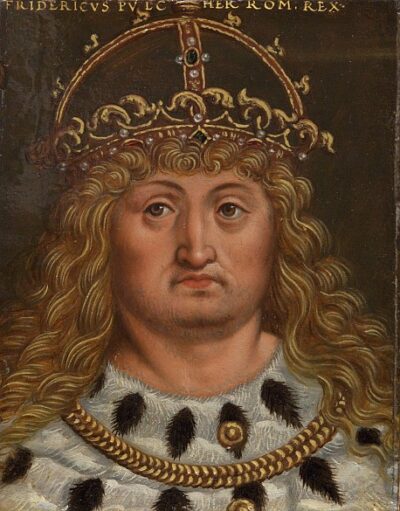 Frederick the FairAustrian duke
 Henry Raspe, Landgrave of ThuringiaLandgrave of Thuringia and anti-king of Germany
 Rudolf of RheinfeldenDuke of Swabia from 1057 to 1079