
Lord High Admiral
Lord High Admiral is a titular head of the Royal Navy. It was created in 1385.
- Country
- United Kingdom
- Created
- 1385
All 3 facts, and where they come from
Facts
3 facts · 0 confirmed by two sources · 0 cited · 3 from one source
Where this comes from
Papalocal keeps its own record. It started from these sources; what each one said is kept here as it was copied, so a change on their side never changes this page by itself. Tap one to read its version.
What Wikidata says · copied November 17, 2026 · revision 2534198139
- Described as
- titular head of the Royal Navy
- What it is
- position
- Created
- 1385
- Country
- United Kingdom
- Wikipedias with a page
- 14
Wikidata item Q16153574 (wikidata.org/wiki/Q16153574), public domain (CC0). Copied 2026-11-17.
What Wikipedia says · copied November 17, 2026 · revision 1374253195
Lord High Admiral of the United Kingdom (of England beginning in the 14th century, later of Great Britain from 1707 to 1800) is the title of the ceremonial head of the Royal Navy. Most have been courtiers or members of the British royal family, and not professional naval officers. The Lord High Admiral is one of the nine English Great Officers of State and since 2021 is held personally by the reigning monarch (currently King Charles III, who is also Commander-in-Chief of the Armed Forces).
From the Wikipedia article “Lord High Admiral of the United Kingdom” (en.wikipedia.org/wiki/Lord_High_Admiral_of_the_United_Kingdom), by its contributors, under CC BY-SA 4.0 (creativecommons.org/licenses/by-sa/4.0/). Copied 2026-11-17; not changed.
Confirmed Two sources agree. Cited One source, and it names where it got it. One source One source, without a reference of its own. Sources disagree The sources disagree. We show the best-supported value and keep theirs below.
People connected 17
Held this office
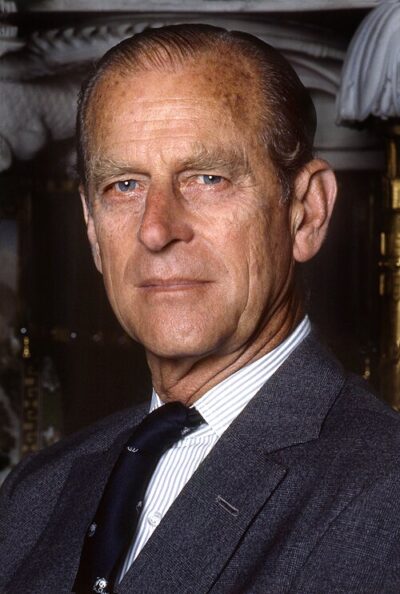 Prince Philip, Duke of Edinburgh (2011–2021)consort of Elizabeth II from 1952 to 2021 (1921-2021)
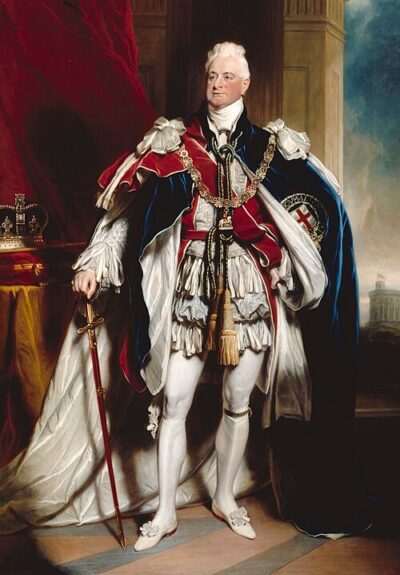 William IV (1827–1828)King of the United Kingdom and Hanover from 1830 to 1837
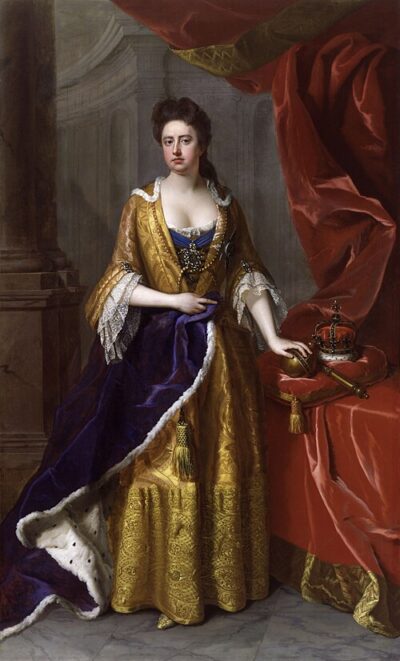 Anne of Great Britain (1708)Queen of Great Britain and Ireland from 1702 to 1714 (1665–1714)
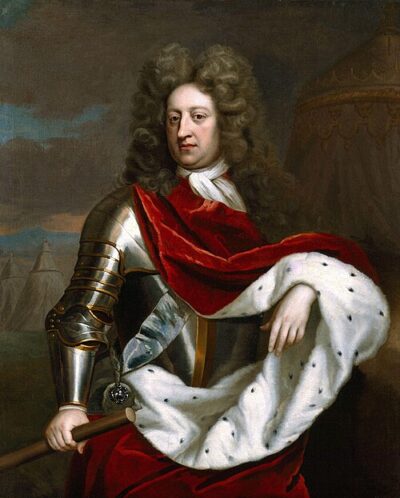 Prince George, Duke of Cumberland (1702–1708)husband of Queen Anne, who reigned over Great Britain from 1702
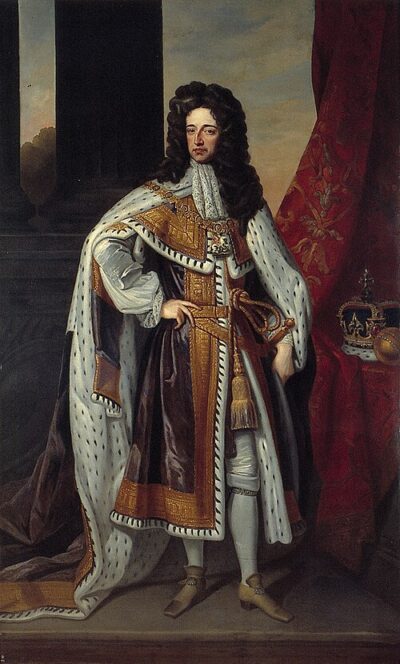 William III of England (1689)King of England, Scotland, and Ireland from 1689 to 1702 (1650–1702)
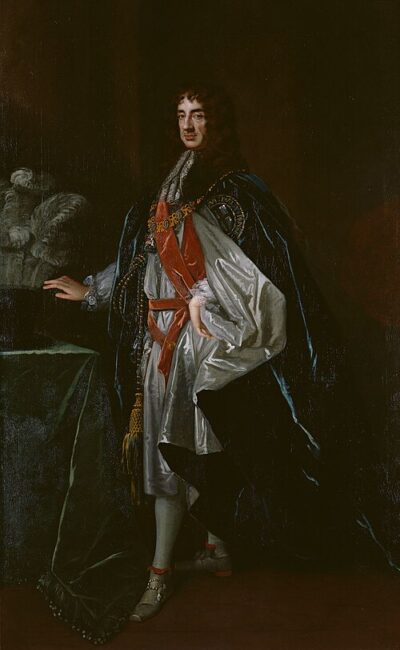 Charles II of England (1673–1685)King of England, Scotland, and Ireland (1630–1685)
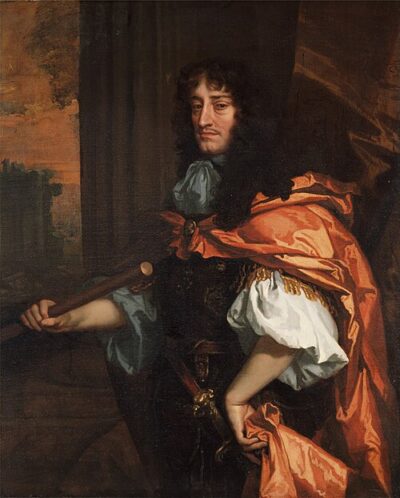 Prince Rupert of the Rhine (1673–1679)English-German aristocrat, army officer, admiral, scientist, and colonial administrator (1619–1682)
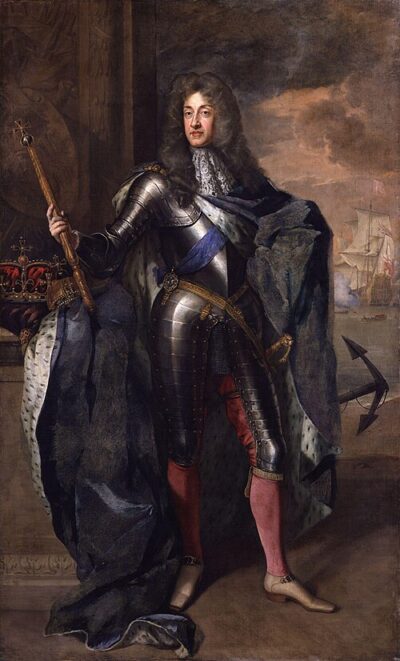 James II of England (1660–1688)King of England, Scotland, and Ireland from 1685 to 1688 (1633–1701)
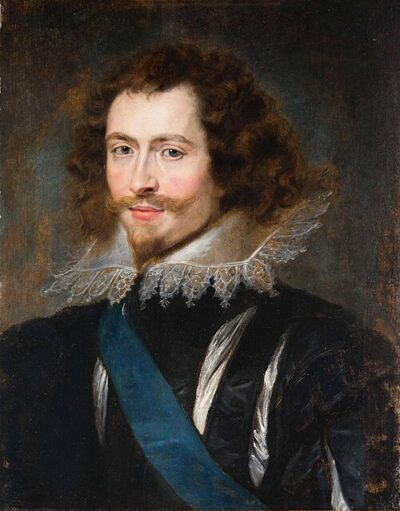 George Villiers, 1st Duke of Buckingham (1619–1628)politician from England (1592-1628)
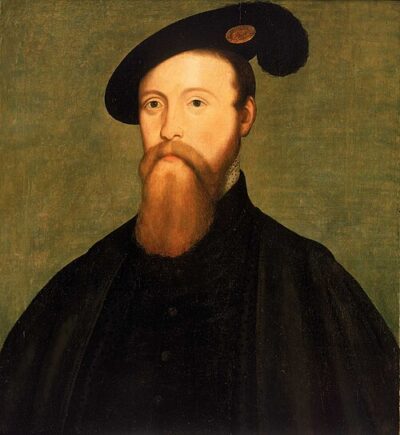 Thomas Seymour, 1st Baron Seymour of Sudeley (1546–1549)brother of English queen Jane Seymour (1508–1549)
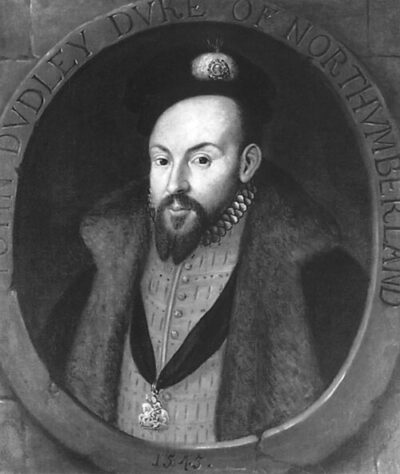 John Dudley, 1st Duke of Northumberland (1542–1550)English general, admiral, and politician (1504-1553)
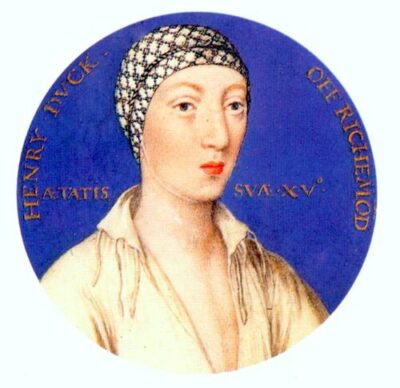 Henry FitzRoy, 1st Duke of Richmond and Somerset (1525–1536)Royal Bastard of Henry VIII (1519–1536)
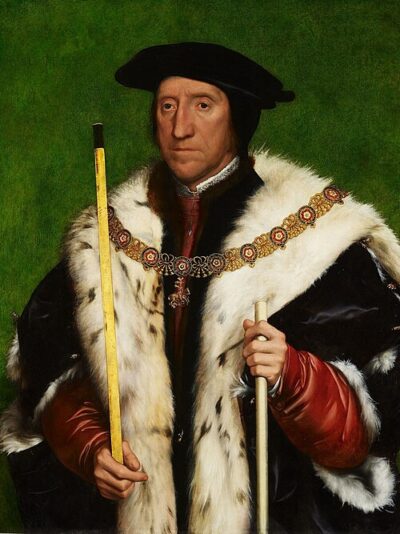 Thomas Howard, 3rd Duke of Norfolk (1513–1525)English politician (1473-1554)
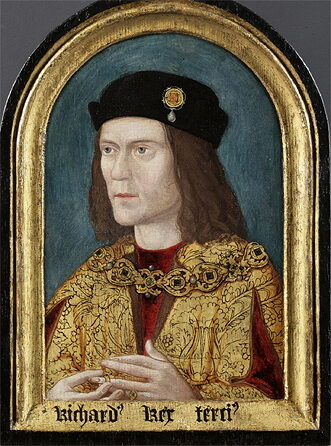 Richard III of England (1471–1483)king of England from 1483 to 1485
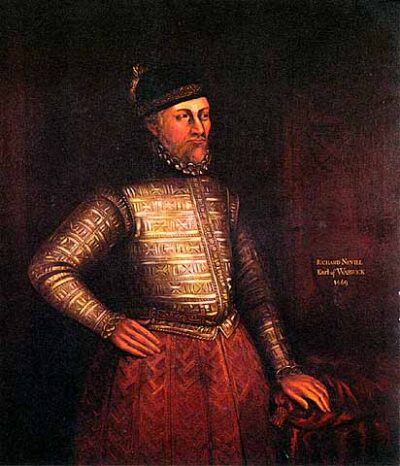 Richard Neville (1461–1462)jure uxoris 16th Earl of Warwick and suo jure 6th Earl of Salisbury (1428-1471)
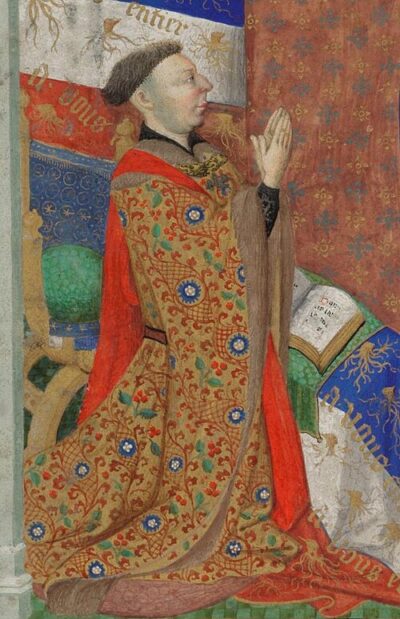 John of Lancaster, Duke of Bedford (1426–1435)British duke
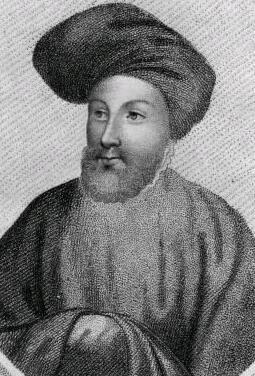 Edward of Norwich, 2nd Duke of York (1390–1397)English military personnel
