
Marshal of the Empire
Marshal of the Empire is a military rank.
- Country
- France
All 4 facts, and where they come from
Facts
4 facts · 0 confirmed by two sources · 0 cited · 4 from one source
Where this comes from
Papalocal keeps its own record. It started from these sources; what each one said is kept here as it was copied, so a change on their side never changes this page by itself. Tap one to read its version.
What Wikidata says · copied November 17, 2026 · revision 2569211359
- Described as
- military rank
- What it is
- military rank; award
- Comes after
- Marshal of France
- Country
- France
- Wikipedias with a page
- 13
Wikidata item Q437767 (wikidata.org/wiki/Q437767), public domain (CC0). Copied 2026-11-17.
What Wikipedia says · copied November 17, 2026 · revision 1365014867
Marshal of the Empire (French: Maréchal d'Empire) was a civil dignity during the First French Empire. It was established by Sénatus-consulte on 18 May 1804 and to a large extent reinstated the formerly abolished title of Marshal of France. According to the Sénatus-consulte, a Marshal was a grand officer of the Empire, entitled to a high-standing position at the court and to the presidency of an electoral college.
Although in theory reserved "to the most distinguished generals", in practice Emperor Napoleon I granted the title according to his own wishes and convictions and made at least a few controversial choices. Although not a military rank, a Marshal displayed four silver stars, while the highest rank in the French Imperial Army, divisional general, displayed three stars. Furthermore, the Marshalate quickly became the prestigious sign of the supreme military attainment and it became customary that the most significant commands be given to a Marshal. Each Marshal held his own coat of arms, was entitled to special honours, and several of them held top functions within the army. They wore distinctive uniforms and were entitled to carry a baton, which was a symbol of their authority.
Throughout his reign from 1804 to 1814 and then 1815, Napoleon appointed a total of 26 Marshals, although their number never exceeded 20 at any one moment. The initial list of 1804 included 14 names of active generals and four names of retired generals, who were given the "honorary" title of Marshal. Six other promotions ensued, with eight other generals elevated to the Marshalate. The title often ensured a highly privileged social status – four Marshals were created Counts of the Empire and 17 received either the title of Duke or Prince. With two exceptions – Jean-Baptiste Bessières and Jean-Mathieu-Philibert Sérurier – the Marshals led a sumptuous lifestyle and left behind significant, at times immense, fortunes. Several of them received significant annuities; in addition, a few received financial endowments from the Emperor, with two of them – Louis-Alexandre Berthier and André Masséna – receiving more than one million francs each. Two Marshals – Joachim Murat and Jean-Baptiste Bernadotte– went on to become kings, with the latter being the direct ancestor of the current Swedish royal family.
Most of the Marshals held significant commands during the Napoleonic Wars, winning some of the most brilliant victories of the entire Napoleonic Wars. Three of them—viz., Jean Lannes, Louis-Nicolas Davout, and Louis-Gabriel Suchet—were virtually never defeated in pitched battle, despite fighting in dozens of engagements. While they were not normally expected to lead from the front, they often exposed themselves to great dangers on the battlefields of Europe; three Marshals – Jean Lannes, Jean-Baptiste Bessières, and Józef Poniatowski – were killed in action or died as a result of battle wounds. During his five years as a Marshal of the Empire (1809–1814), Nicolas-Charles Oudinot received seven of a total of 34 battle wounds suffered throughout his career, but went on to live to the then venerable age of 81. Often formidable when serving under the direct command of Napoleon, the Marshals proved to be less effective when having to cooperate in the Emperor's absence. Some repeatedly acted in bad faith when placed under the command of another Marshal, with conflicts sometimes leading to fatal military consequences. After Napoleon's downfall, most of them swore allegiance to the Bourbon Restoration and several went on to hold significant commands and positions.
From the Wikipedia article “Marshal of the Empire” (en.wikipedia.org/wiki/Marshal_of_the_Empire), by its contributors, under CC BY-SA 4.0 (creativecommons.org/licenses/by-sa/4.0/). Copied 2026-11-17; not changed.
Confirmed Two sources agree. Cited One source, and it names where it got it. One source One source, without a reference of its own. Sources disagree The sources disagree. We show the best-supported value and keep theirs below.
People connected 25
Won it
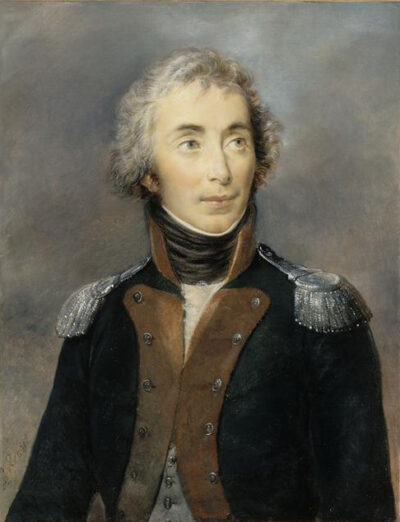 Emmanuel de Grouchy, Marquis de Grouchy (1816–)French general and marshal (1766-1847)
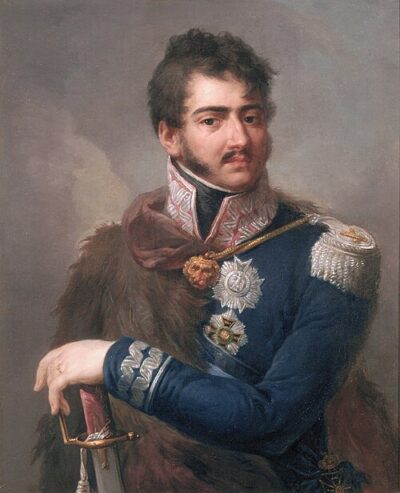 Józef Poniatowski (1813–)nephew of King of Poland Stanislaus II; Marshal of France (1763-1813)
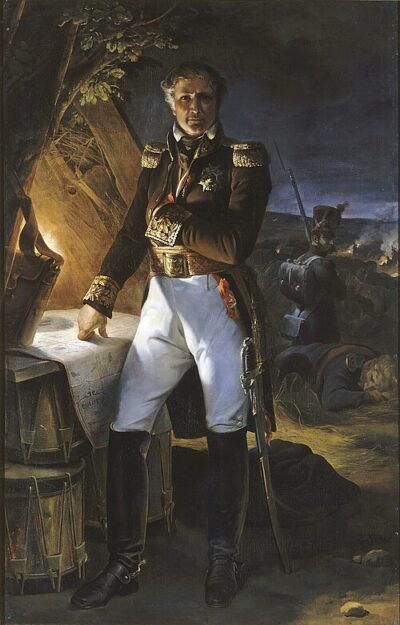 Laurent Gouvion Saint-Cyr (1812–)Marshal of France (1764-1830)
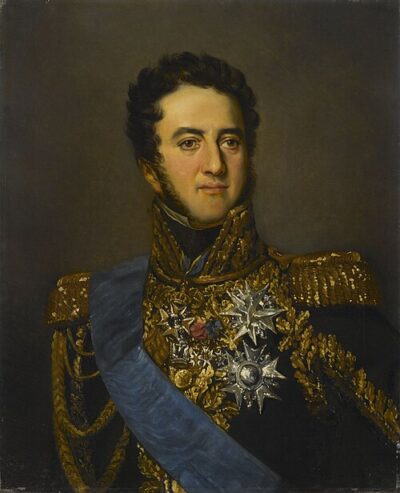 Louis-Gabriel Suchet (1811–)French military commander (1770-1826)
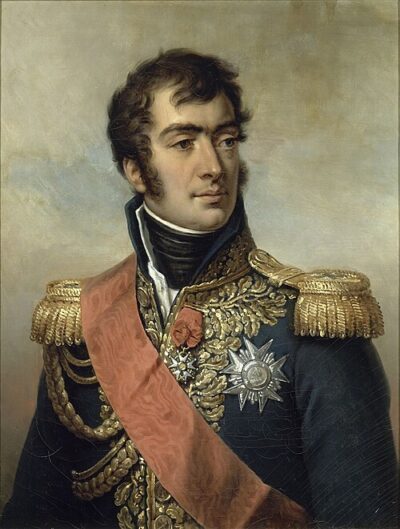 Auguste de Marmont (1809–)French General, nobleman and Marshal of France (1774-1852)
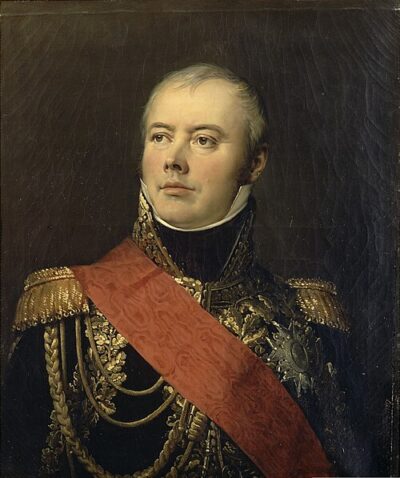 Étienne Jacques Joseph Alexandre Macdonald (1809–)Marshal of France (1765-1840)
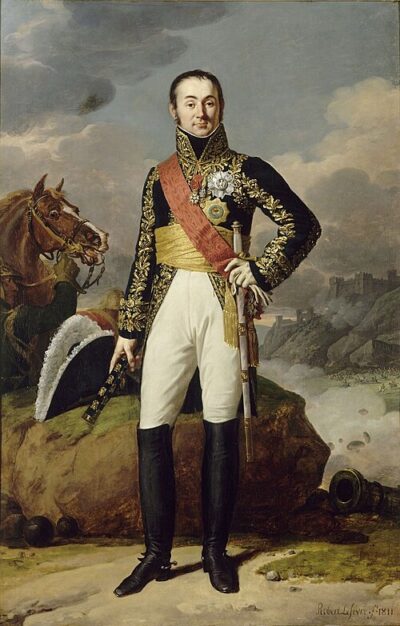 Nicolas Oudinot (1809–)Marshal of France (1767-1847)
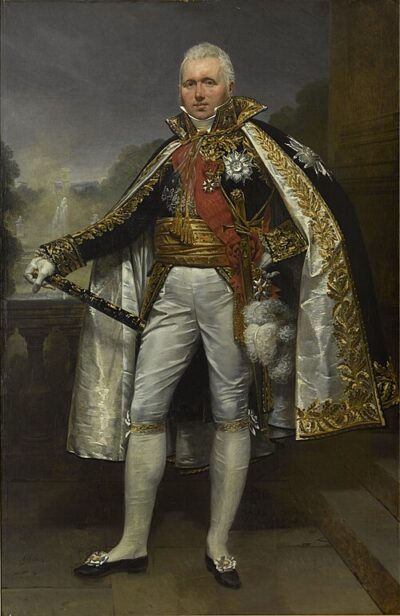 Claude Victor-Perrin, Duc de Belluno (1807–)French soldier and military commander (1764-1841)
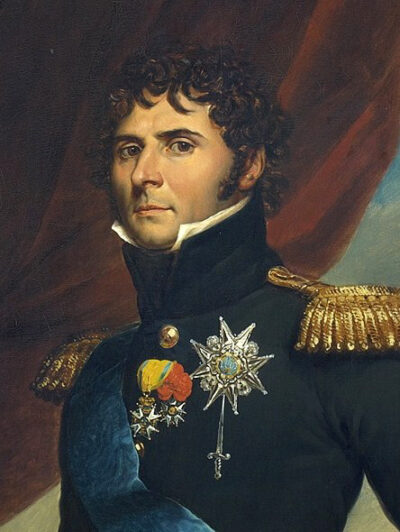 Charles XIV John of Sweden (1804–)King of Sweden and Norway between 1818–1844. Prince of Ponte Corvo 1806–1810 and French field marshal (1763–1844)
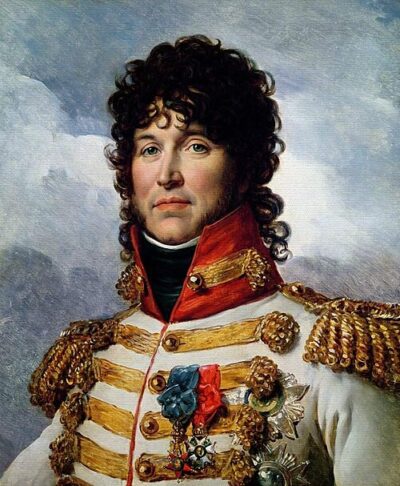 Joachim Murat (1804–)Grand Duke of Berg and Cleves, The king of Naples (1767-1815)
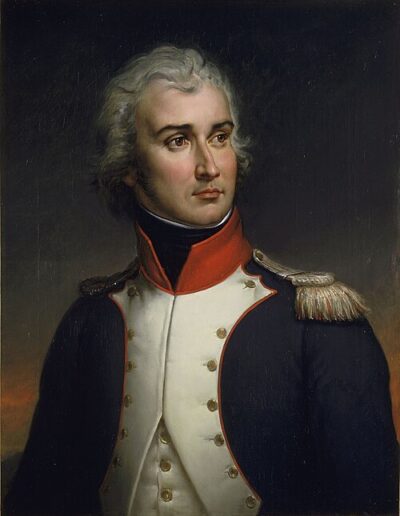 Jean Lannes (1804–)Marshal of France (1769-1809)
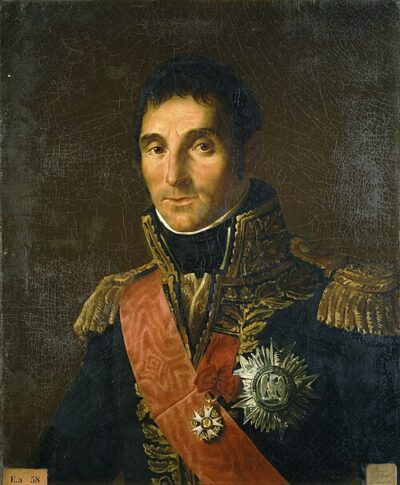 André Masséna (1804–)French military commander during the Revolutionary and Napoleonic Wars (1758-1817)
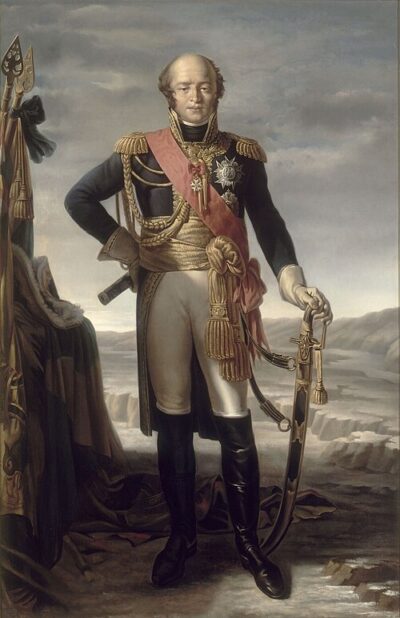 Louis-Nicolas Davout (1804–)Marshal of France (1770–1823)
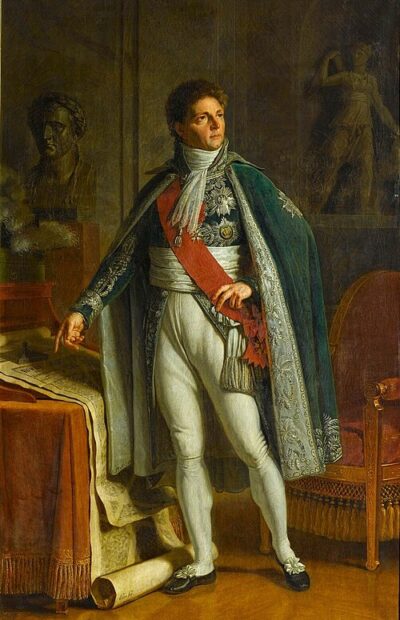 Luis Alejandro Berthier (1804–)Marshal and Vice-Constable of France (1753-1815)
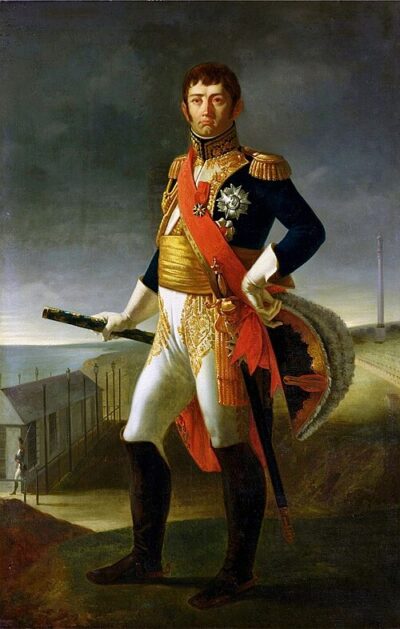 Jean-de-Dieu Soult (1804–)Prime Minister of France (1832–1834, 1834–1839, 1840–1847) and French Marshal (born 1769–1851)
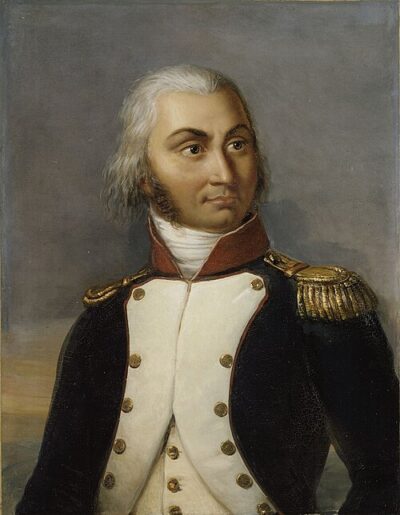 Jean-Baptiste Jourdan (1804–)Marshal of France (1762-1833)
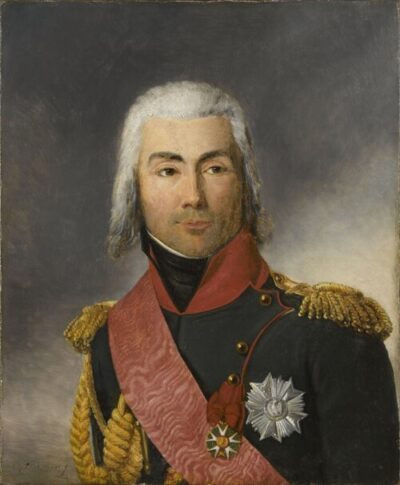 Jean-Baptiste Bessières (1804–)Marshal of France (1768-1813)
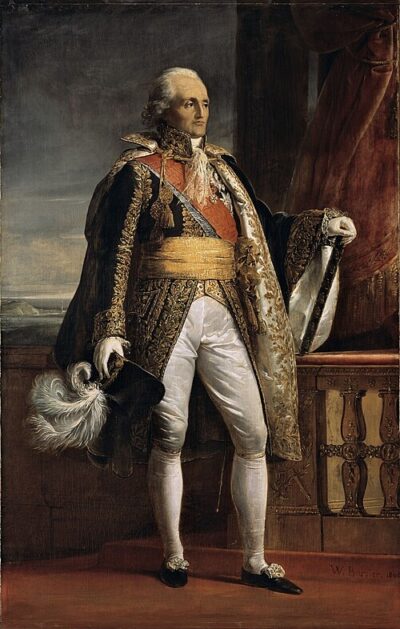 Bon-Adrien Jeannot de Moncey (1804–)French soldier, politician and officer (1754-1842)
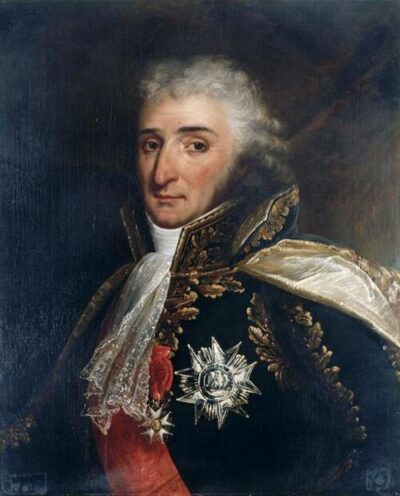 Pierre Augereau (1804–)general, Marshal of France (1757-1816)
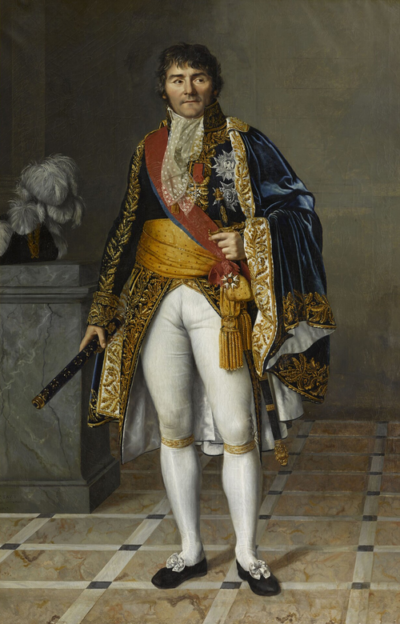 François Joseph Lefebvre (1804–)Marshal of France (1755-1820)
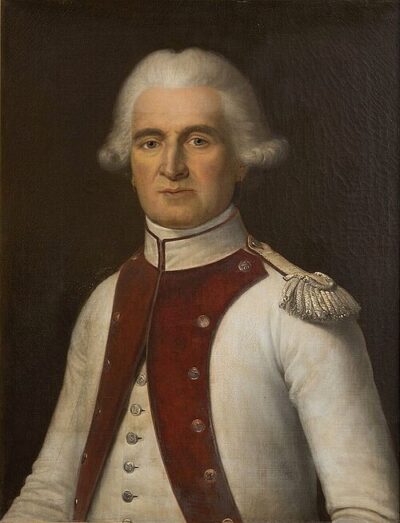 Jean-Mathieu-Philibert Sérurier (1804–)French soldier and political figure who rose to the rank of Marshal of France (1742-1819)
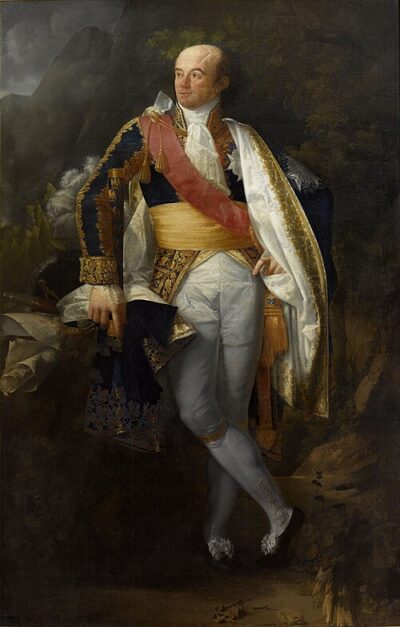 Catherine-Dominique Pérignon (1804–)Marshal of France (1754-1818)
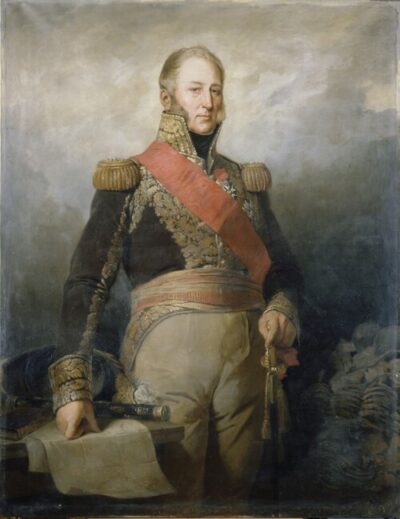 Édouard Adolphe Casimir Joseph Mortier (1804)French diplomat (1768-1835)
Military rank
- Charles XIV John of SwedenKing of Sweden and Norway between 1818–1844. Prince of Ponte Corvo 1806–1810 and French field marshal (1763–1844)
- Joachim MuratGrand Duke of Berg and Cleves, The king of Naples (1767-1815)
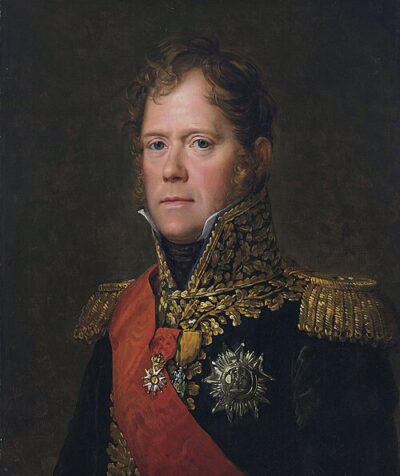 Michel NeyFrench general (1769–1815)
- Jean LannesMarshal of France (1769-1809)
- Louis-Nicolas DavoutMarshal of France (1770–1823)
- Luis Alejandro BerthierMarshal and Vice-Constable of France (1753-1815)
- Józef Poniatowskinephew of King of Poland Stanislaus II; Marshal of France (1763-1813)
- Jean-de-Dieu SoultPrime Minister of France (1832–1834, 1834–1839, 1840–1847) and French Marshal (born 1769–1851)
- Auguste de MarmontFrench General, nobleman and Marshal of France (1774-1852)
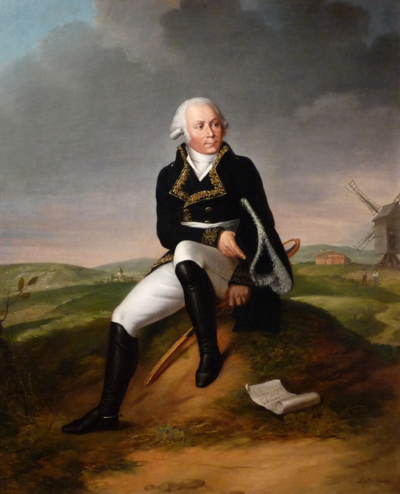 François Christophe de KellermannFrench soldier (1735-1820)
- Louis-Gabriel SuchetFrench military commander (1770-1826)
- Nicolas OudinotMarshal of France (1767-1847)
- Jean-Baptiste BessièresMarshal of France (1768-1813)
- Édouard Adolphe Casimir Joseph MortierFrench diplomat (1768-1835)
- Claude Victor-Perrin, Duc de BellunoFrench soldier and military commander (1764-1841)
- Laurent Gouvion Saint-CyrMarshal of France (1764-1830)
- Emmanuel de Grouchy, Marquis de GrouchyFrench general and marshal (1766-1847)
- Bon-Adrien Jeannot de MonceyFrench soldier, politician and officer (1754-1842)
- Pierre Augereaugeneral, Marshal of France (1757-1816)
- Jean-Mathieu-Philibert SérurierFrench soldier and political figure who rose to the rank of Marshal of France (1742-1819)
- Catherine-Dominique PérignonMarshal of France (1754-1818)
