
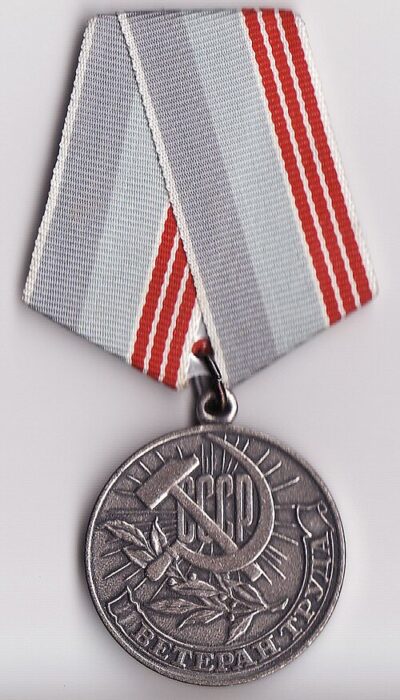
Medal "Veteran of Labour"
Medal "Veteran of Labour" is a civilian labour award of the Soviet Union. It was created in 1974.
- Country
- Soviet Union
- Created
- January 18, 1974
All 5 facts, and where they come from
Facts
5 facts · 0 confirmed by two sources · 0 cited · 5 from one source
Where this comes from
Papalocal keeps its own record. It started from these sources; what each one said is kept here as it was copied, so a change on their side never changes this page by itself. Tap one to read its version.
What Wikidata says · copied November 17, 2026 · revision 2564921856
- Described as
- civilian labour award of the Soviet Union
- What it is
- medal; civil decoration; service award
- Created
- January 18, 1974
- Country
- Soviet Union
- Wikipedias with a page
- 22
Wikidata item Q534981 (wikidata.org/wiki/Q534981), public domain (CC0). Copied 2026-11-17.
What Wikipedia says · copied November 17, 2026 · revision 1386203298
The Medal "Veteran of Labour" (Russian: медаль «Ветеран труда», romanized: medal «Veteran truda») was a civilian labour award of the Soviet Union established on January 18, 1974, by Decree of the Presidium of the Supreme Soviet of the USSR to honour workers for many years of hard work in the national economy, sciences, culture, education, healthcare, government agencies and public organisations. Although it only had a relatively short eighteen years of existence, it was awarded nearly forty million times. Its regulations were detailed and approved by decree number 5999-VIII of May 20, 1974. Its statute was amended by multiple successive decrees of the Presidium of the Supreme Soviet of the USSR, first on June 8, 1977, then on August 12, 1983 and lastly on December 28, 1987. The medal ceased to be awarded following the December 1991 dissolution of the Soviet Union.
From the Wikipedia article “Medal "Veteran of Labour"” (en.wikipedia.org/wiki/Medal_"Veteran_of_Labour"), by its contributors, under CC BY-SA 4.0 (creativecommons.org/licenses/by-sa/4.0/). Copied 2026-11-17; not changed.
Confirmed Two sources agree. Cited One source, and it names where it got it. One source One source, without a reference of its own. Sources disagree The sources disagree. We show the best-supported value and keep theirs below.
Picture: Scanned and processed by NBS, via Wikimedia Commons · Public domain
People connected 137
Won it 137
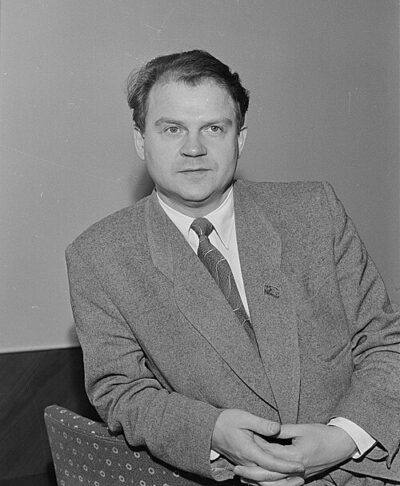 Tikhon Khrennikov (1995)Russian Soviet composer (1913-2007)
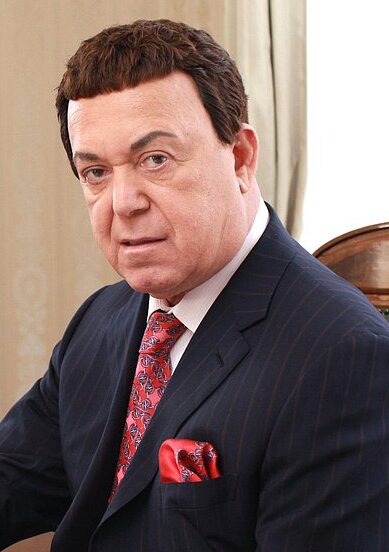 Joseph Kobzon (1986)Soviet and Russian singer (1937–2018)
 Valentin Glushko (1984)Soviet rocket engineer (1908-1989)
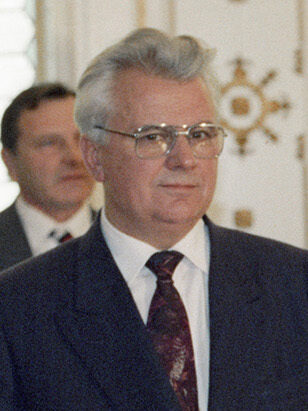 Leonid Kravchuk (1983)Ukrainian politician, 1st President of Ukraine
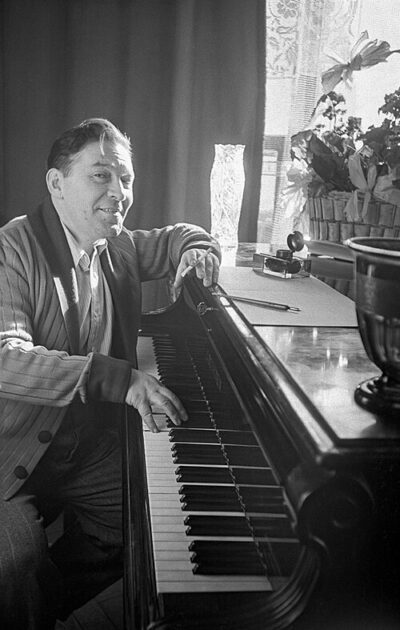 Leonid Utyosov (1976)Soviet musician (1895–1982)
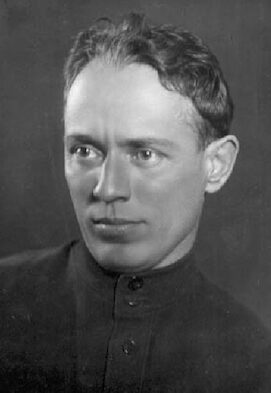 Mikhail SholokhovSoviet writer (1905-1984)
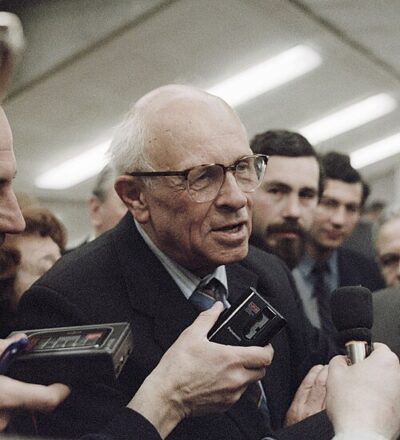 Andrei SakharovSoviet nuclear physicist and human rights activist (1921–1989)
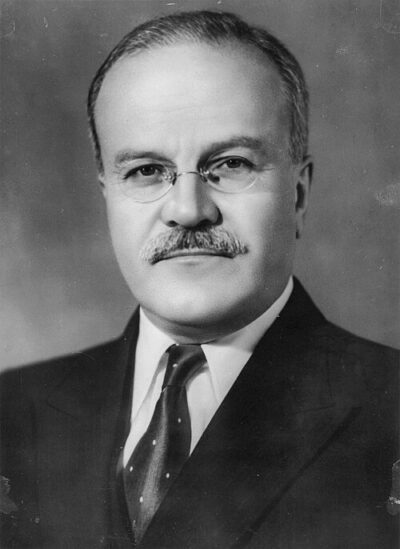 Vyacheslav MolotovSoviet politician, statesman and diplomat (1890–1986)
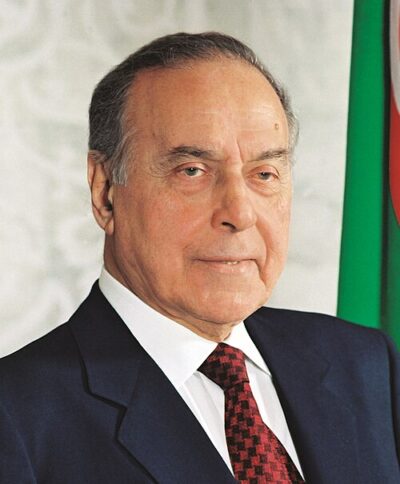 Heydar Aliyev3rd President of the Republic of Azerbaijan (1923–2003)
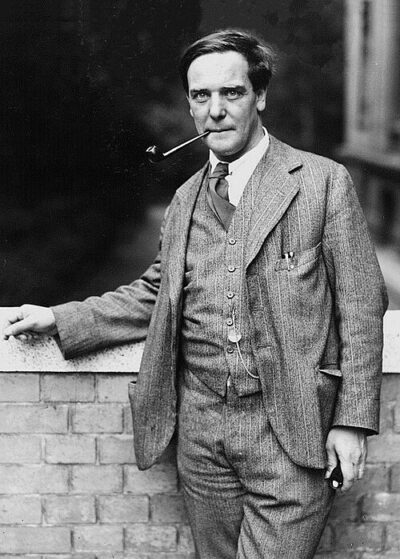 Pyotr KapitsaSoviet physicist
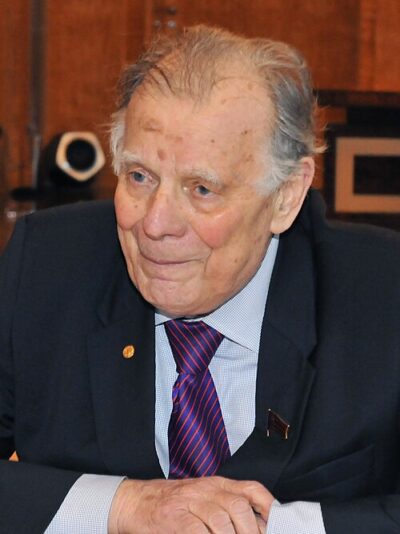 Zhores AlferovSoviet-Russian physicist (1930–2019)
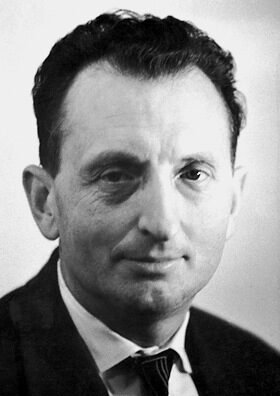 Alexander ProkhorovSoviet and Russian physicist (1916-2002)
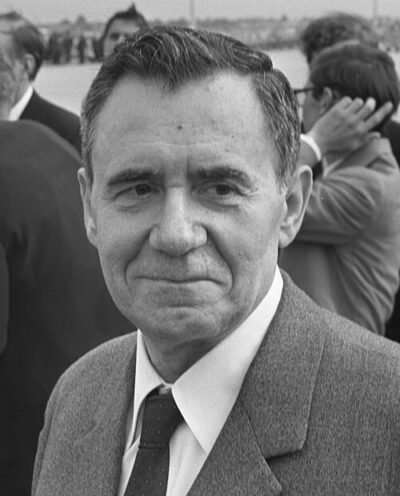 Andrei GromykoSoviet diplomat
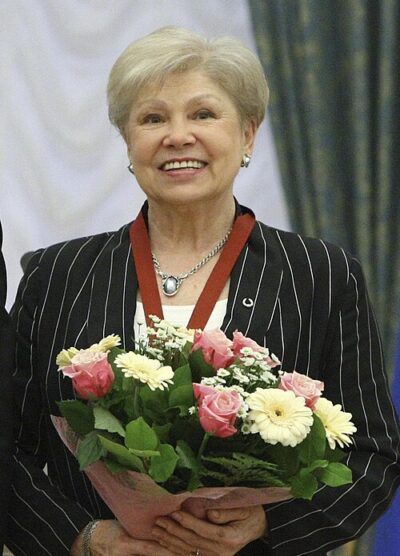 Larisa LatyninaSoviet-Russian artistic gymnast and ballet dancer (born 1934)
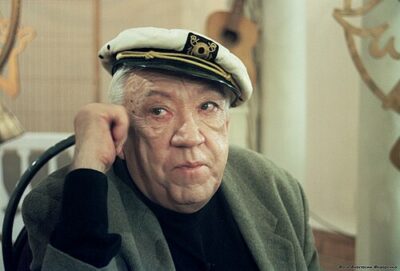 Yuri NikulinSoviet and Russian actor and clown (1921-1997)
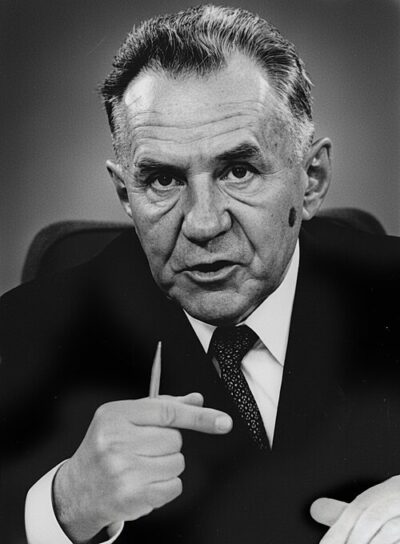 Aleksey Nikolayevich KosyginSoviet statesman, public officer, cabinet officer
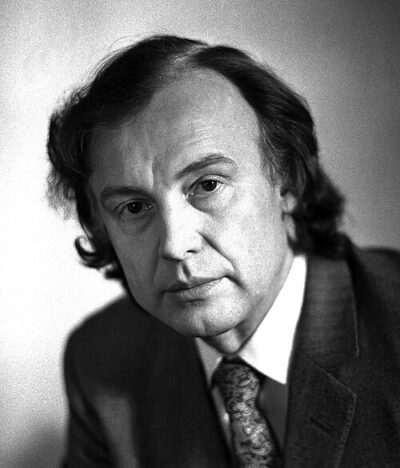 Innokenty SmoktunovskySoviet and Russian actor (1925-1994)
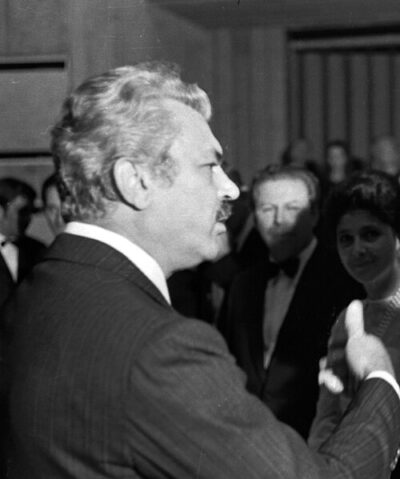 Sergei BondarchukSoviet and Russian film director, screenwriter, and actor (1920–1994)
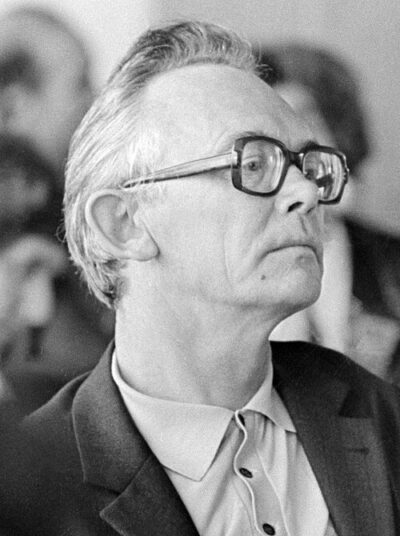 Leonid GaidaiSoviet film director (1923-1993)
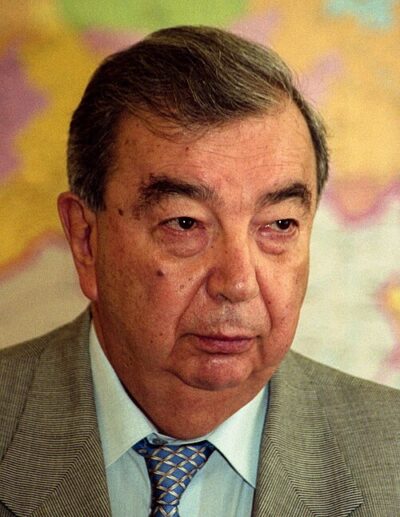 Evgeny Primakov4th Russian Prime Minister (1929–2015)
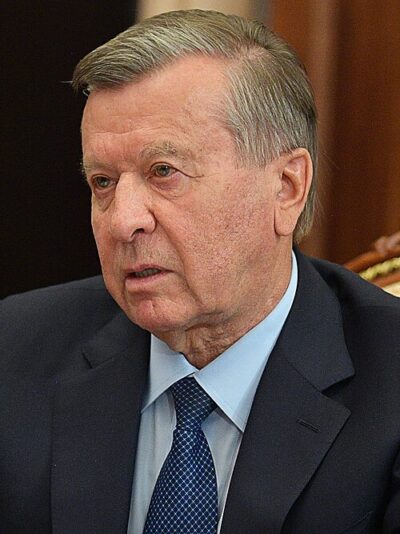 Viktor ZubkovRussian politician and businessman
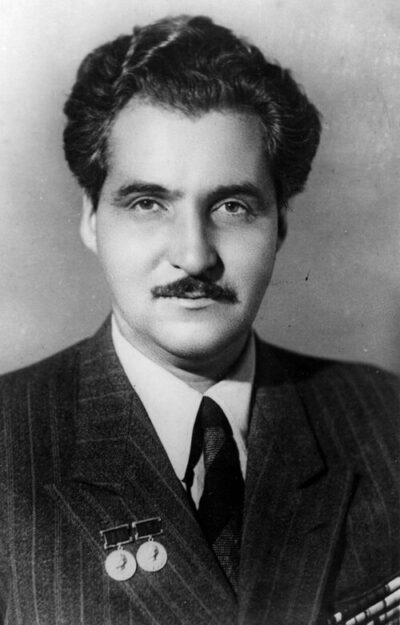 Konstantin SimonovSoviet writer, poet, playwright and wartime correspondent (1915–1979)
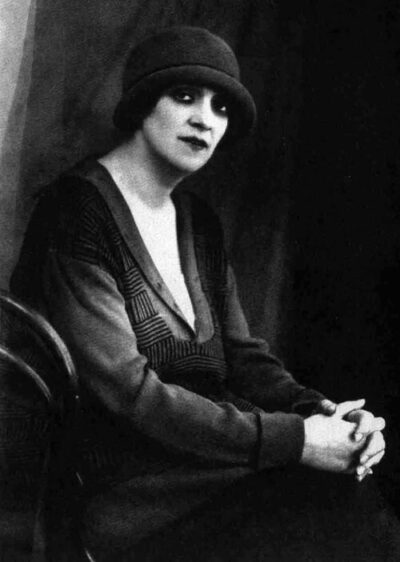 Faina RanevskayaSoviet actress (1896-1984)
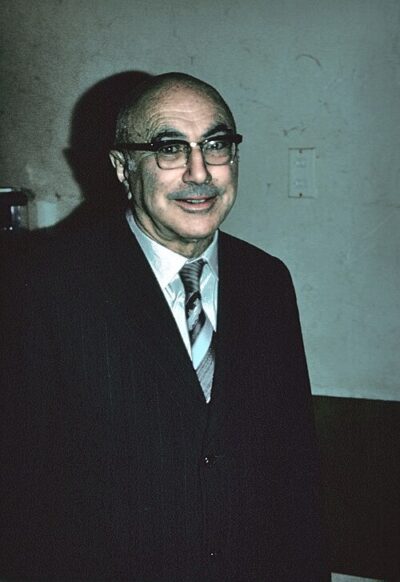 Yakov ZeldovichSoviet physicist, physical chemist and cosmologist (1914-1987)
and 113 more
