
National Academy of Medicine
The National Academy of Medicine is a medical branch of the United States National Academies. It was founded in 1970.
- Founded
- 1970
- Country
- United States
All 8 facts, and where they come from
Facts
8 facts · 0 confirmed by two sources · 0 cited · 8 from one source
Where this comes from
Papalocal keeps its own record. It started from these sources; what each one said is kept here as it was copied, so a change on their side never changes this page by itself. Tap one to read its version.
What Wikidata says · copied November 16, 2026 · revision 2556200889
- Described as
- medical branch of the United States National Academies
- Other names
- Institute of Medicine, NAM, The National Academy of Medicine, nam.edu
- What it is
- nonprofit organization; medical organization
- Founded
- 1970
- Located in
- Washington, D.C. · 1 reference
- Country
- United States · 1 reference
- Part of
- National Research Council · 1 reference; National Academies of Sciences, Engineering, and Medicine
- Official website
- http://nam.edu/
- Wikipedias with a page
- 21
Wikidata item Q4352382 (wikidata.org/wiki/Q4352382), public domain (CC0). Copied 2026-11-16.
What Wikipedia says · copied November 16, 2026 · revision 1385533509
The National Academy of Medicine (NAM), known as the Institute of Medicine until 2015, is an American nonprofit, non-governmental organization (though created by and mostly funded by the US government). The National Academy of Medicine is a part of the National Academies of Sciences, Engineering, and Medicine, along with the National Academy of Sciences (NAS), National Academy of Engineering (NAE), and the National Academies of Sciences, Engineering, and Medicine (NASEM).
Operating outside the framework of the United States federal government, it relies on a volunteer workforce of scientists and other experts, operating under a formal peer-review system. As a national academy, the organization annually elects new members with the help of its existing members; the election is based on the person's distinguished and continuing achievements in a relevant field as well as for their willingness to actively participate.
From the Wikipedia article “National Academy of Medicine” (en.wikipedia.org/wiki/National_Academy_of_Medicine), by its contributors, under CC BY-SA 4.0 (creativecommons.org/licenses/by-sa/4.0/). Copied 2026-11-16; not changed.
Confirmed Two sources agree. Cited One source, and it names where it got it. One source One source, without a reference of its own. Sources disagree The sources disagree. We show the best-supported value and keep theirs below.
People connected 31
Members 31
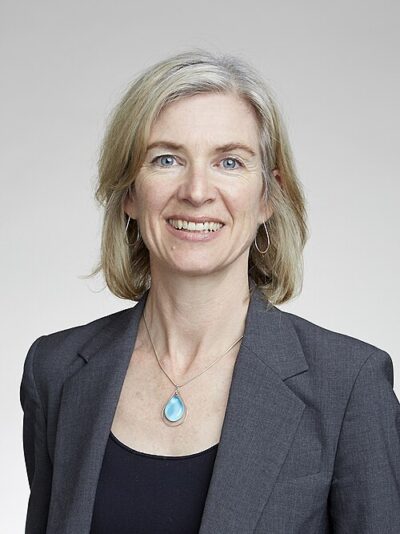 Jennifer DoudnaAmerican biochemist
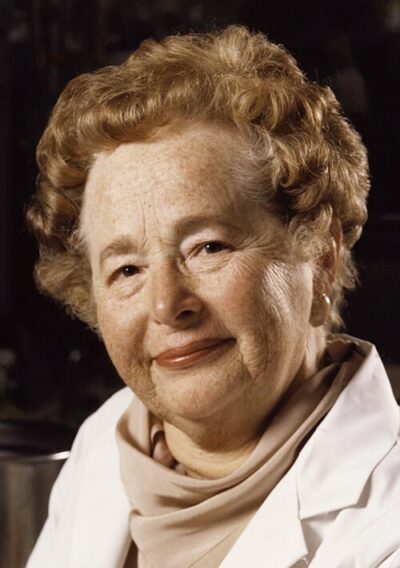 Gertrude B. ElionAmerican biochemist and pharmacologist (1918–1999)
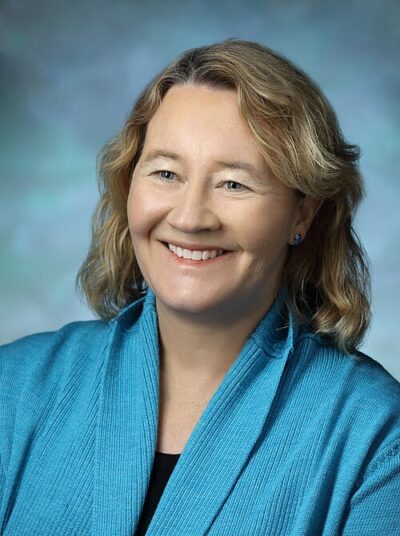 Carol GreiderAmerican molecular biologist
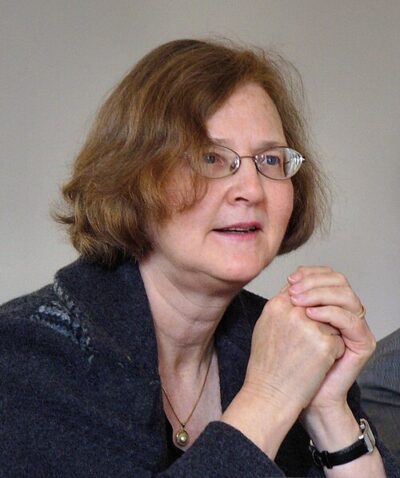 Elizabeth BlackburnAustralian-American biological researcher
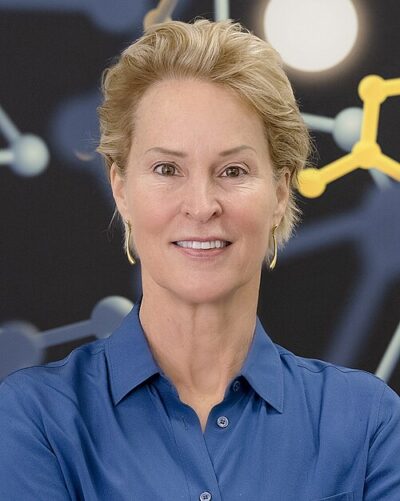 Frances Arnold (2004–)Nobel prize winning US scientist and engineer (born 1956)
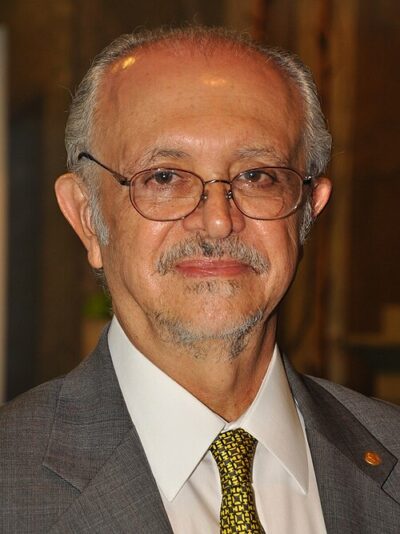 Mario MolinaMexican chemical engineer (1943–2020)
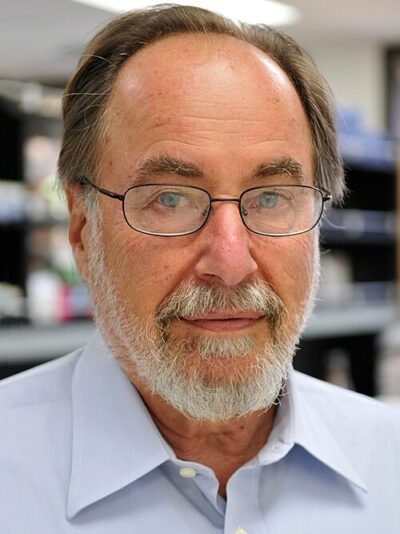 David Baltimore (1988)American biologist and Nobel laureate
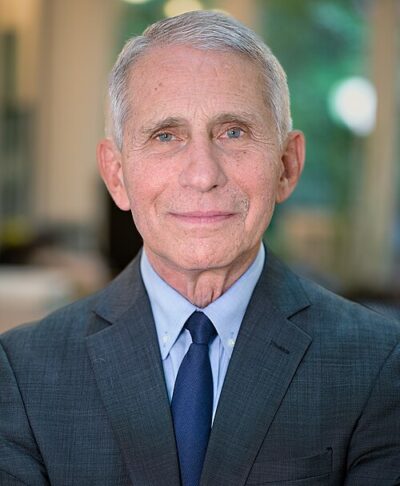 Anthony Fauci (1987–)5th Director of the National Institute of Allergy and Infectious Diseases from 1984 to 2022
 Jeffrey SachsAmerican economist (born 1954)
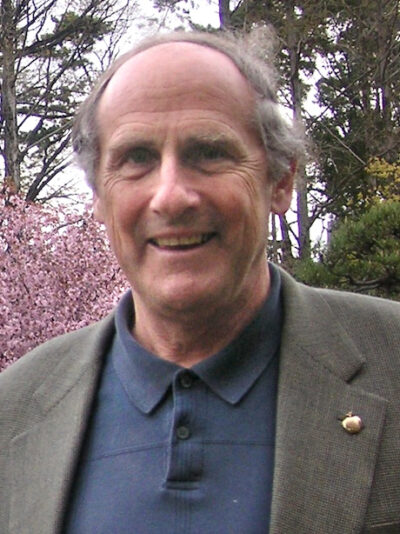 Ralph SteinmanCanadian immunologist and cell biologist (1943–2011)
 Thomas C. Südhof (2007–)German biochemist
 Harvey J. Alter (2002–)American medical researcher
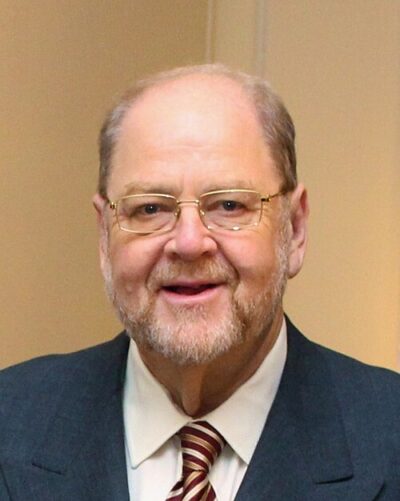 James RothmanAmerican biologist and Nobel laureate
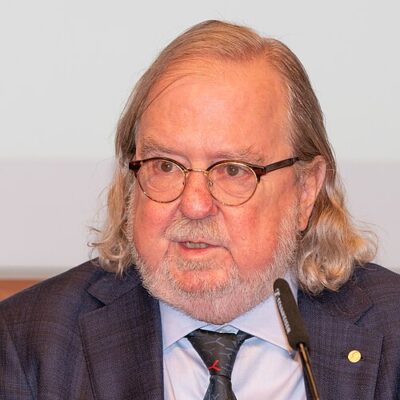 James P. AllisonAmerican immunologist and Nobel laureate (born 1948)
- HH. Robert HorvitzAmerican biologist
 Ben CarsonNeurosurgeon and former United States Secretary of Housing and Urban Development
 Francis CollinsAmerican geneticist and director of the National Institutes of Health
 Karl DeisserothAmerican optogeneticist
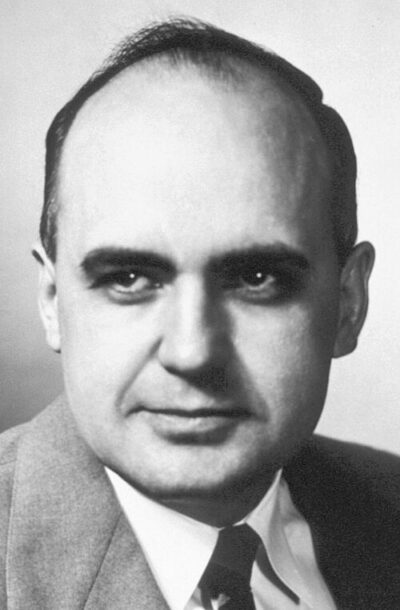 Maurice HillemanAmerican vaccinologist (1919–2005)
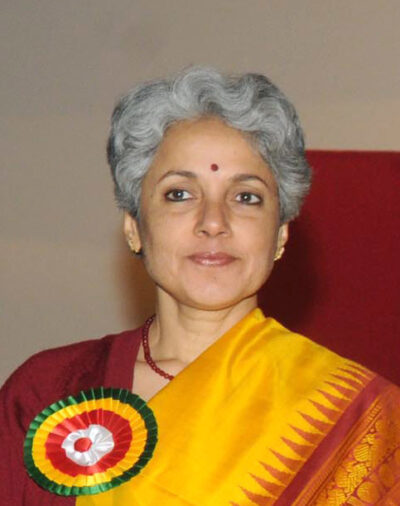 Soumya SwaminathanIndian paediatrician and clinical scientist
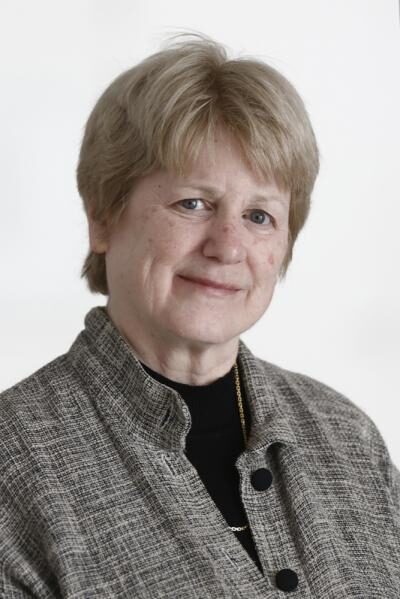 Mary-Claire KingAmerican geneticist
 David HoTaiwanese-American physician and scientist
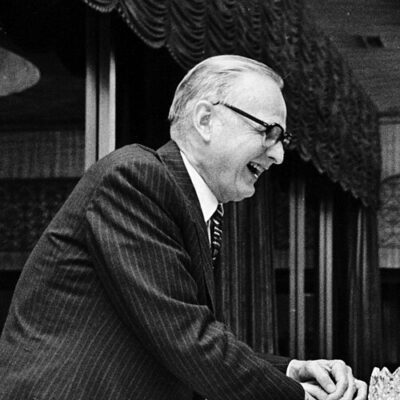 Maclyn McCartyAmerican geneticist (1911-2005)
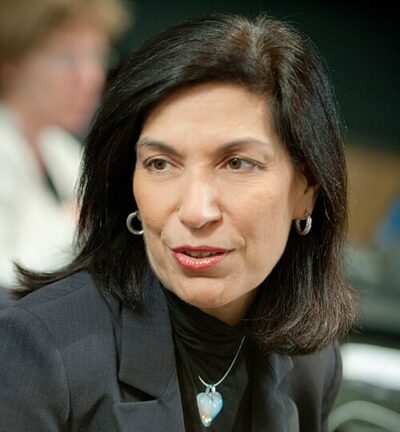 Huda ZoghbiLebanese neurogeneticist
and 7 more
