
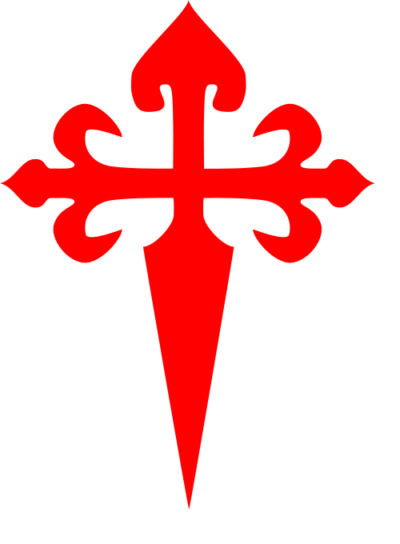
Order of Santiago
Order of Santiago is a religious order founded in the 12th century, Spain and Portugal. It was created in 1170 by Ferdinand II of León. Its headquarters are in Uclés.
- Country
- Spain
- Created
- 1170
All 10 facts, and where they come from
Facts
10 facts · 0 confirmed by two sources · 4 cited · 6 from one source
Where this comes from
Papalocal keeps its own record. It started from these sources; what each one said is kept here as it was copied, so a change on their side never changes this page by itself. Tap one to read its version.
What Wikidata says · copied November 17, 2026 · revision 2569475423
- Described as
- religious order founded in the 12th century, Spain and Portugal
- Other names
- OMSI
- What it is
- religious military order; order of chivalry; order
- Created
- 1170 · 1 reference
- Founded by
- Ferdinand II of León · 1 reference
- Headquarters
- Uclés
- Country
- Spain; Portugal (1172–1288) · 1 reference
- Named after
- Saint James the Elder · 1 reference
- Official website
- http://www.ordenesmilitares.es/
- Wikipedias with a page
- 36
Wikidata item Q757097 (wikidata.org/wiki/Q757097), public domain (CC0). Copied 2026-11-17.
What Wikipedia says · copied November 17, 2026 · revision 1367562627
The Order of Santiago (; Spanish: Orden de Santiago [sanˈtjaɣo]) is a religious and military order founded in the 12th century. It owes its name to the patron saint of Spain, Santiago (St. James the Greater). Its initial objective was to protect the pilgrims on the Way of St. James, to defend Christendom and to remove the Muslim Moors from the Iberian Peninsula with the Reconquista. Entrance was not restricted to nobility of Spain exclusively, and some members have been Catholic Europeans from other parts of Europe. The Order's insignia is particularly recognisable and abundant in Western art.
With the culmination of the Reconquista and the death of the Grand Master Alonso de Cárdenas, the Catholic Monarchs incorporated the Order into the Spanish Crown, and the Pope Adrian VI forever united the office of Grand Master of Santiago to the Crown in 1523.
The First Republic suppressed the Order in 1873, but it was re-established in the Restoration as a nobiliary institute of honorable character. The Order was again suppressed after the proclamation of the Second Republic in 1931. With the fall of the Republic and the re-establishment of the Monarchy, the Order of Santiago was definitely restored with the kingship of Juan Carlos I with the character of a nobiliary, honorable, and religious order; and remains as such.
The Order of Santiago is one of the four Spanish military orders, together with those of Calatrava, Alcántara, and Montesa.
From the Wikipedia article “Order of Santiago” (en.wikipedia.org/wiki/Order_of_Santiago), by its contributors, under CC BY-SA 4.0 (creativecommons.org/licenses/by-sa/4.0/). Copied 2026-11-17; not changed.
Confirmed Two sources agree. Cited One source, and it names where it got it. One source One source, without a reference of its own. Sources disagree The sources disagree. We show the best-supported value and keep theirs below.
Picture: user:WarX, via Wikimedia Commons · CC BY-SA 3.0
People connected 16
Won it
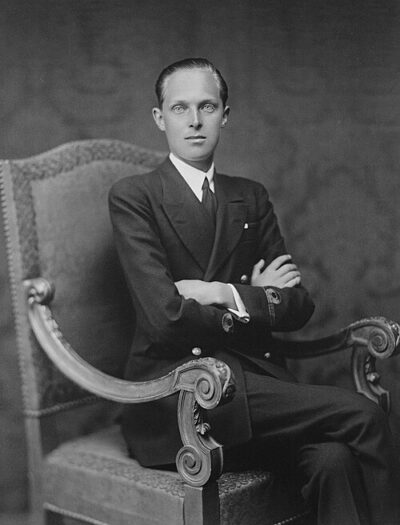 Alfonso, Prince of Asturias (1928)Crown Prince of Spain (1907–1938); heir apparent to the throne until 1933
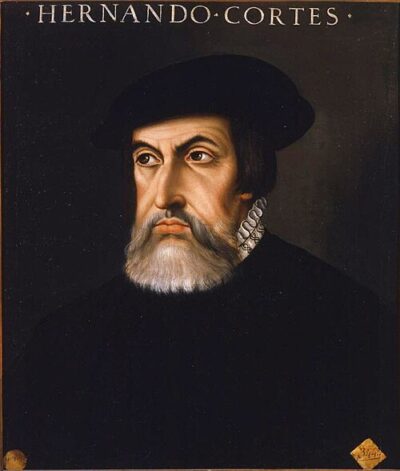 Hernán CortésSpanish conquistador
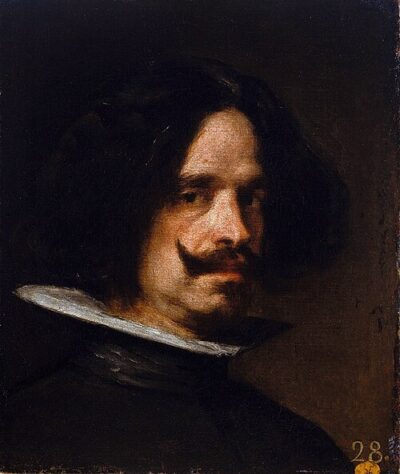 Diego VelázquezSpanish painter (1599–1660)
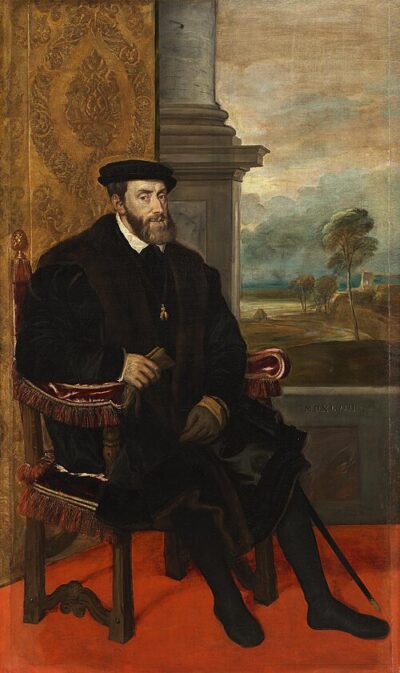 Charles V, Holy Roman EmperorHoly Roman Emperor from 1519 to 1556 (1500–1558)
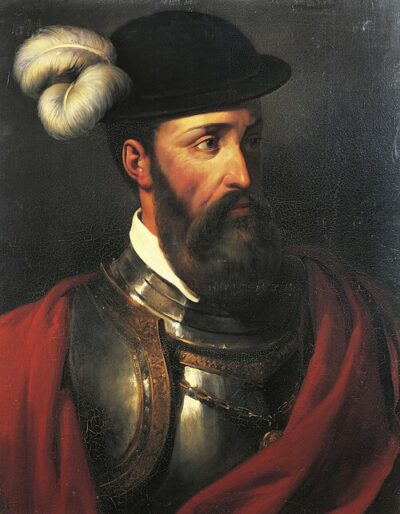 Francisco PizarroSpanish conquistador who conquered the Inca Empire
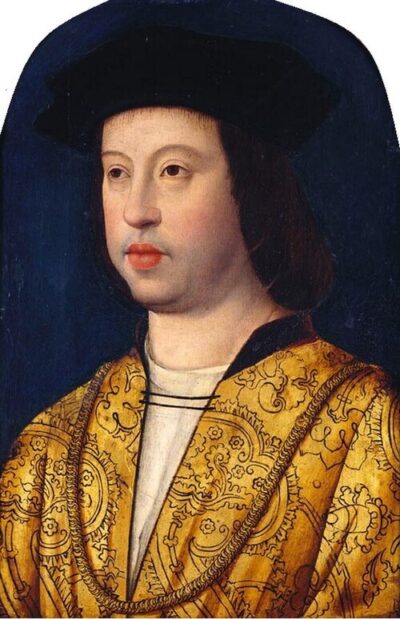 Ferdinand II of AragonKing of Aragon, Sicily, Naples, and Valencia (1452-1516)
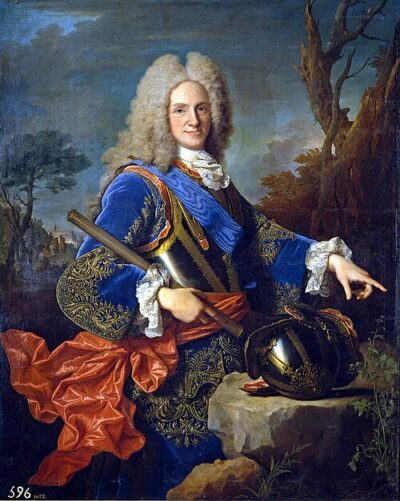 Philip V of SpainKing of Spain from 1700 to 1746 (1683–1746)
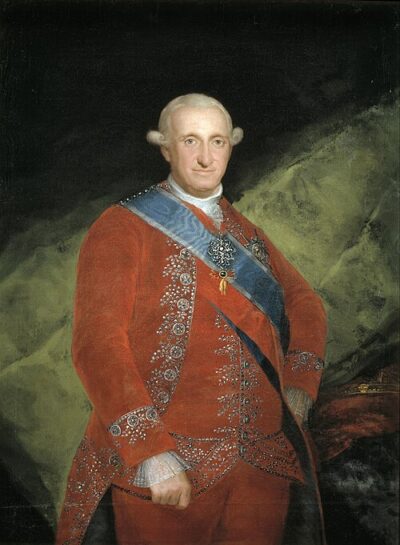 Charles IV of SpainKing of Spain from 1788 to 1808
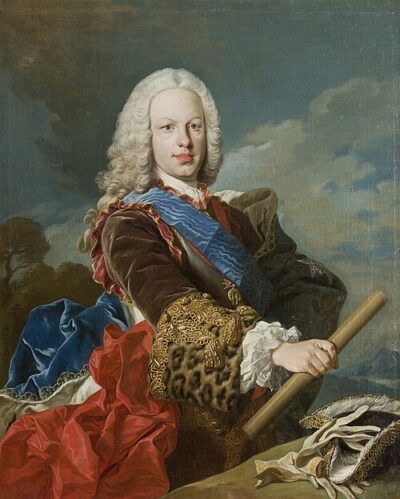 Ferdinand VI of Spainking of Spain, lived (1713-1759)
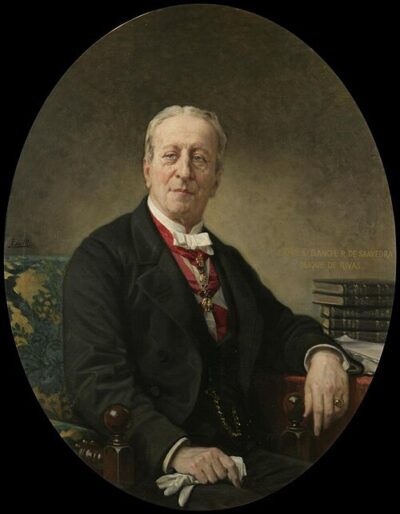 Ángel de Saavedra, 3rd Duke of RivasSpanish writer, poet, playwright and politician (1791-1865)
Members
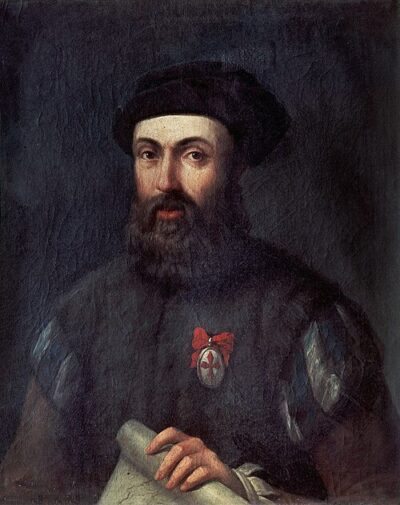 Ferdinand MagellanPortuguese explorer in the service of Spain
- Diego VelázquezSpanish painter (1599–1660)
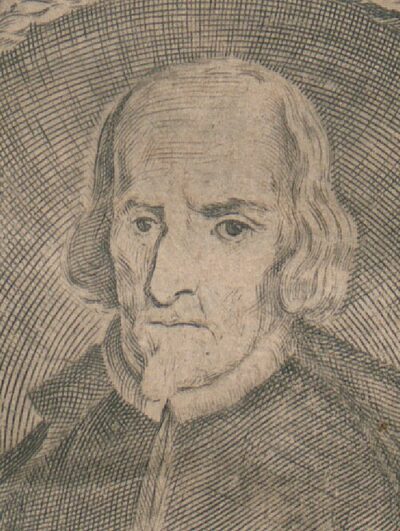 Pedro Calderón de la BarcaSpanish dramatist (1600-1681)
- Ferdinand II of AragonKing of Aragon, Sicily, Naples, and Valencia (1452-1516)
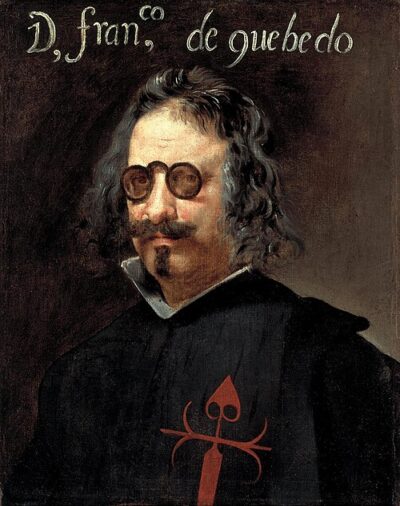 Francisco QuevedoSpanish writer (1580-1645)
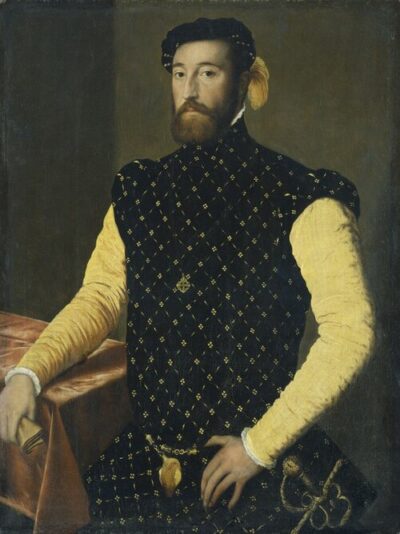 Garcilaso de la VegaSpanish poet (1503-1536)
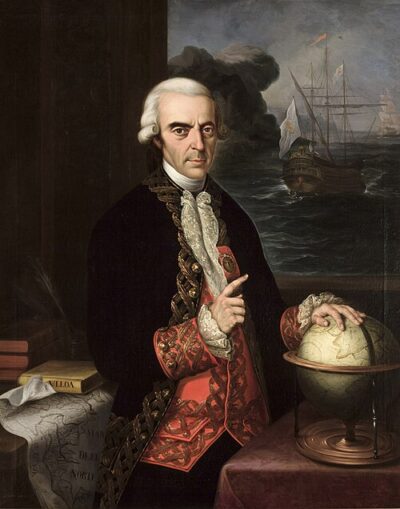 Antonio de UlloaSpanish explorer, naval officer, colonial official, and naturalist
 Antonio de MendozaSpanish colonial administrator
