
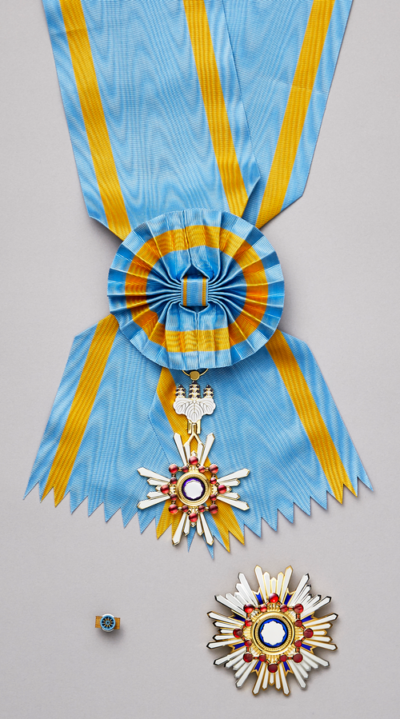
Order of the Sacred Treasure
Order of the Sacred Treasure is a Japanese order. It was created in 1888 by Emperor Meiji. It is given by the Emperor of Japan.
- Given by
- Emperor of Japan
- Country
- Japan
- Created
- January 4, 1888
All 5 facts, and where they come from
Facts
5 facts · 0 confirmed by two sources · 0 cited · 5 from one source
Where this comes from
Papalocal keeps its own record. It started from these sources; what each one said is kept here as it was copied, so a change on their side never changes this page by itself. Tap one to read its version.
What Wikidata says · copied November 16, 2026 · revision 2537469909
- Described as
- Japanese order
- Other names
- Order of Meiji
- What it is
- order
- Created
- January 4, 1888
- Founded by
- Emperor Meiji · 1 reference
- Country
- Japan
- Given by
- Emperor of Japan
- Wikipedias with a page
- 31
Wikidata item Q1066052 (wikidata.org/wiki/Q1066052), public domain (CC0). Copied 2026-11-16.
What Wikipedia says · copied November 16, 2026 · revision 1384397997
The Order of the Sacred Treasure (瑞宝章, Zuihō-shō) is a Japanese order, established on 4 January 1888 by Emperor Meiji as the Order of Meiji. Originally awarded in eight classes (from 8th to 1st, in ascending order of importance), since 2003 it has been awarded in six classes, the lowest two medals being abolished that year. Originally a male-only decoration, the order has been made available to women since 1919.
The Order of the Sacred Treasure, which had 8 ranks until 2003, was awarded as a slightly lower rank than the Order of the Rising Sun for men and the Order of the Precious Crown for women. For example, the 1st class of the Order of the Sacred Treasure has been treated as between the 1st class and the 2nd class of the Order of the Rising Sun and the Order of the Precious Crown, and the 2nd class of the Order of the Sacred Treasure has been treated as between the 2nd class and the 3rd class of the Order of the Rising Sun and the Order of the Precious Crown.
Since 2003, the Order of the Sacred Treasure has been given the same rank as the Order of the Rising Sun. The Order of the Rising Sun is awarded with an emphasis on achievements to the state, and the Order of the Sacred Treasure is awarded with an emphasis on long-term public service. Since military achievements are not included in the criteria for awarding the Order of the Rising Sun, Japan Self-Defense Forces personnel are awarded the Order of the Sacred Treasure for their long service in public service. For example, the Chief of Staff, Joint Staff, the highest rank in the JSDF, receives the Grand Cordon of the Order of the Sacred Treasure (1st class). The Order of the Sacred Treasure is awarded to persons who have been engaged for many years in the public service of the national and local governments, or in the following non-public services that are equivalent to public service, and who have accumulated distinguished service.Work directly involved in education or research at school.
Work directly involved in social welfare at various facilities.
Work directly involved in medical care or health guidance
Work commissioned by the national or local governments, such as conciliation commissioners, volunteer probation officers, and welfare commissioners.
Work that is extremely dangerous.
Work in an extremely mentally or physically demanding environment.
Work in an obscure field other than those listed in the preceding items.
Since 2003, the number representing rank included in the official name of the order was removed. As a result, although numbers representing ranks were sometimes used in common names, the formal names such as 勲一等 (Kun-ittō, First Class) and 勲二等 (Kun-nitō, Second Class) were no longer used.
From the Wikipedia article “Order of the Sacred Treasure” (en.wikipedia.org/wiki/Order_of_the_Sacred_Treasure), by its contributors, under CC BY-SA 4.0 (creativecommons.org/licenses/by-sa/4.0/). Copied 2026-11-16; not changed.
Confirmed Two sources agree. Cited One source, and it names where it got it. One source One source, without a reference of its own. Sources disagree The sources disagree. We show the best-supported value and keep theirs below.
Picture: 内閣府, via Wikimedia Commons · CC BY 4.0
People connected 21
Won it
- NNajah al-Attar (2002)Vice President of Syria
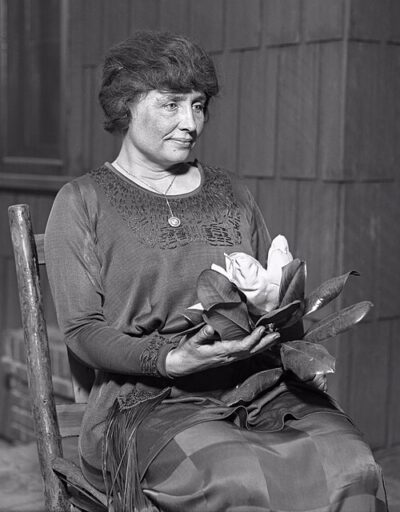 Helen KellerAmerican deafblind author, political activist, lecturer, scholar (1880-1968)
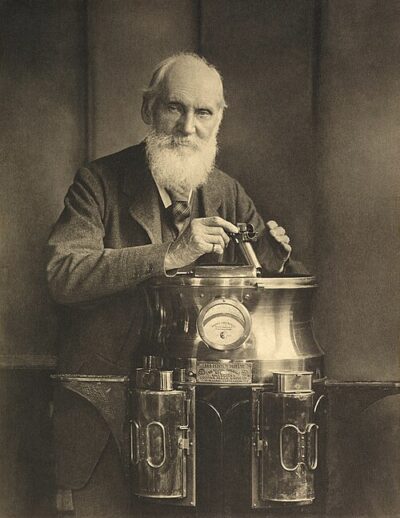 William Thomson, 1st Baron KelvinBritish physicist and engineer (1824–1907)
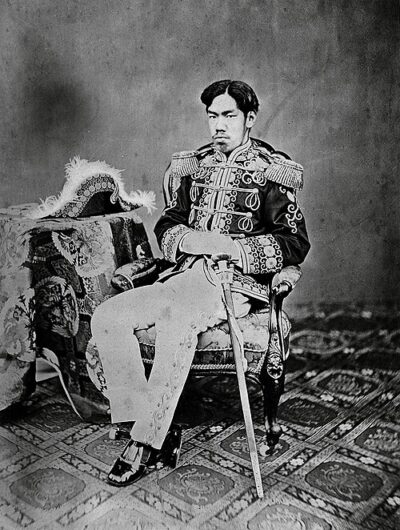 Emperor MeijiEmperor of Japan from 1867 until 1912
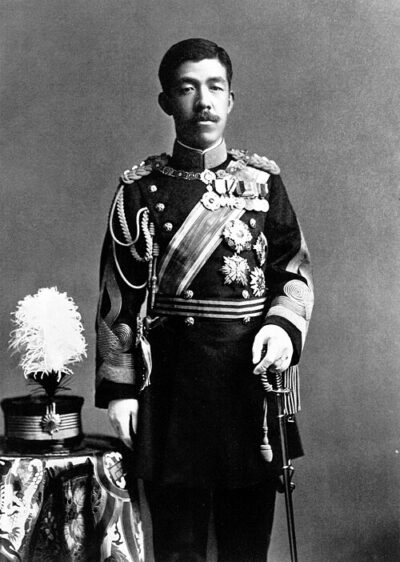 Emperor TaishōEmperor of Japan from 1912 until 1926
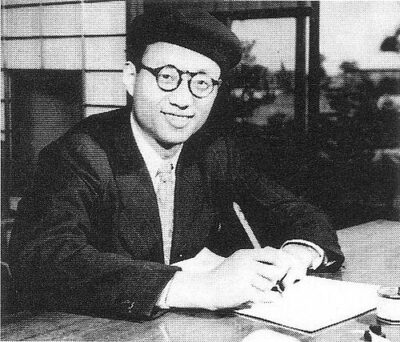 Osamu TezukaJapanese cartoonist and animator (1928–1989)
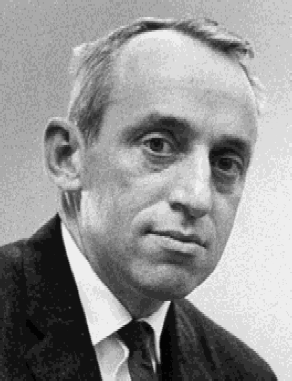 James TobinAmerican economist (1918–2002)
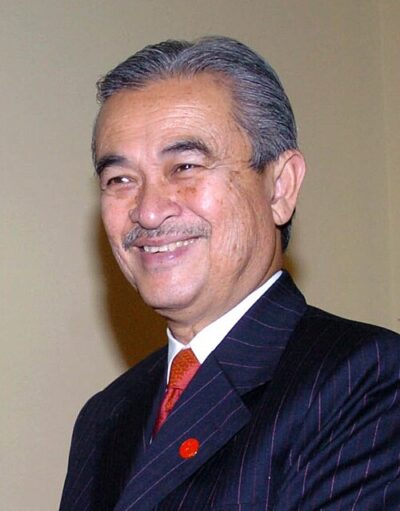 Abdullah Ahmad BadawiPrime Minister of Malaysia from 2003 to 2009
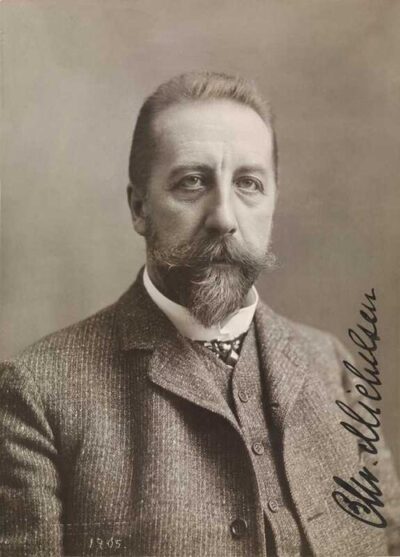 Christian Michelsen9th Prime Minister of Norway
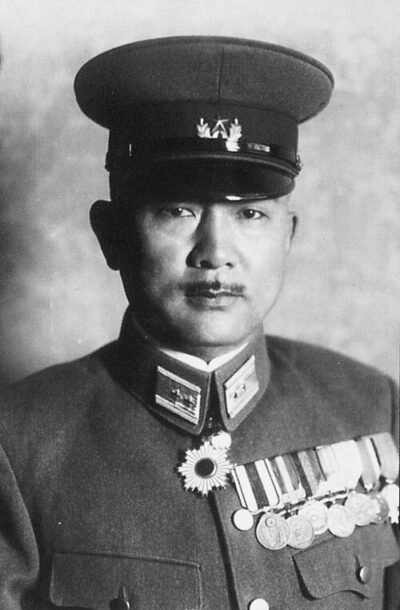 Tadamichi KuribayashiJapanese general (1891-1945)
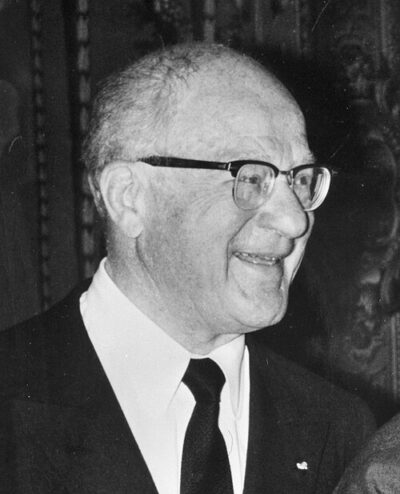 Avery Brundagepresident of the International Olympic Committee from 1952 to 1972
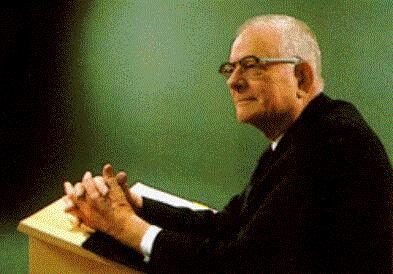 W. Edwards DemingAmerican professor, author, and consultant (1900-1993)
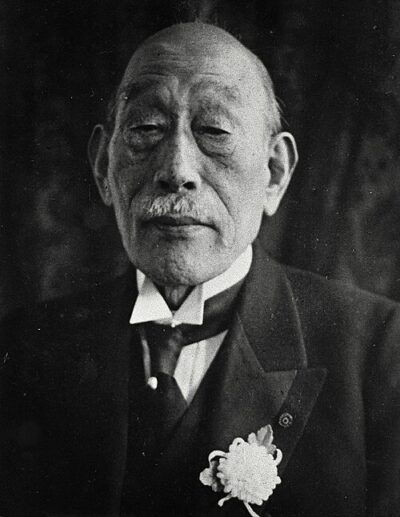 Kiyoura KeigoJapanese politician (1850-1942)
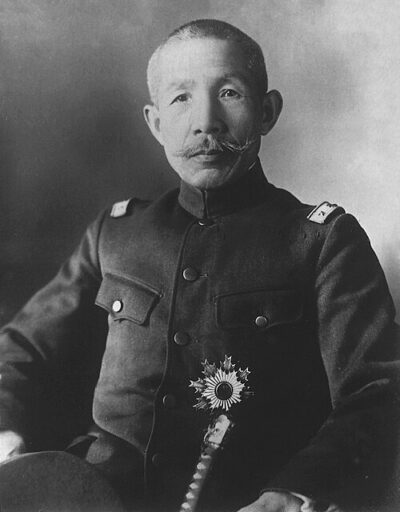 Sadao ArakiJapanese officer and general (1877–1966)
 Suchinda KraprayoonThai politician and general (1933–2025)
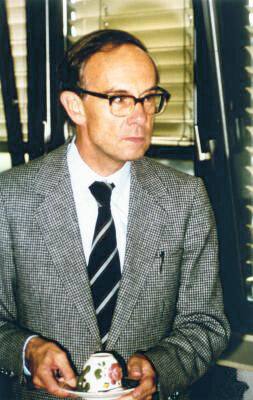 Friedrich HirzebruchGerman mathematician (1927–2012)
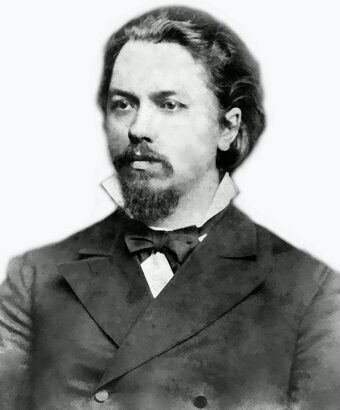 Alexander KarpinskyRussian geologist and president of the Russian Academy of Sciences (1847-1936)
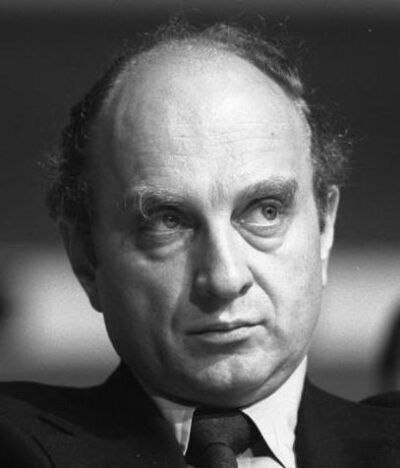 Otto Graf LambsdorffGerman politician (1926–2009)
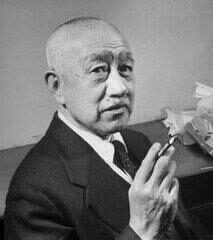 Kenji DoiharaJapanese general (1883–1948)
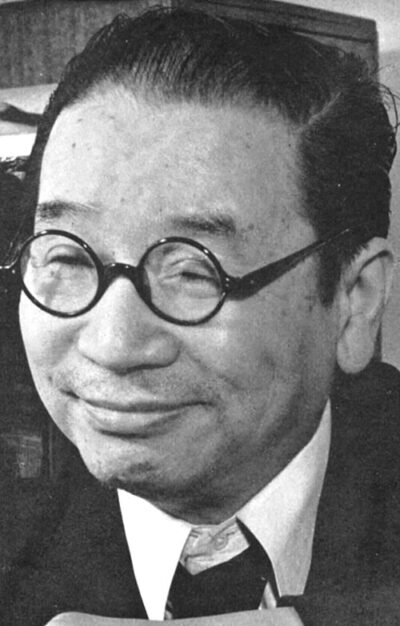 Toyohiko KagawaJapanese Christian social reformer (1888–1960)
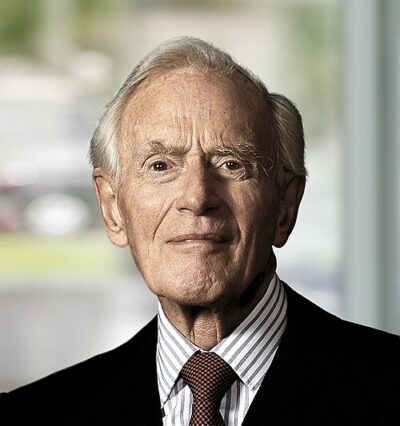 Mærsk Mc-Kinney MøllerDanish shipping magnate (1913–2012)
